

Find your best self before the wedding ceremony and read marriage, relationship, and wellness tips from Denver wedding officiant, Michael Moody.
9 Questions About Transitioning into a New Career After 15 Years from Entrepreneur John Brand
Introduction
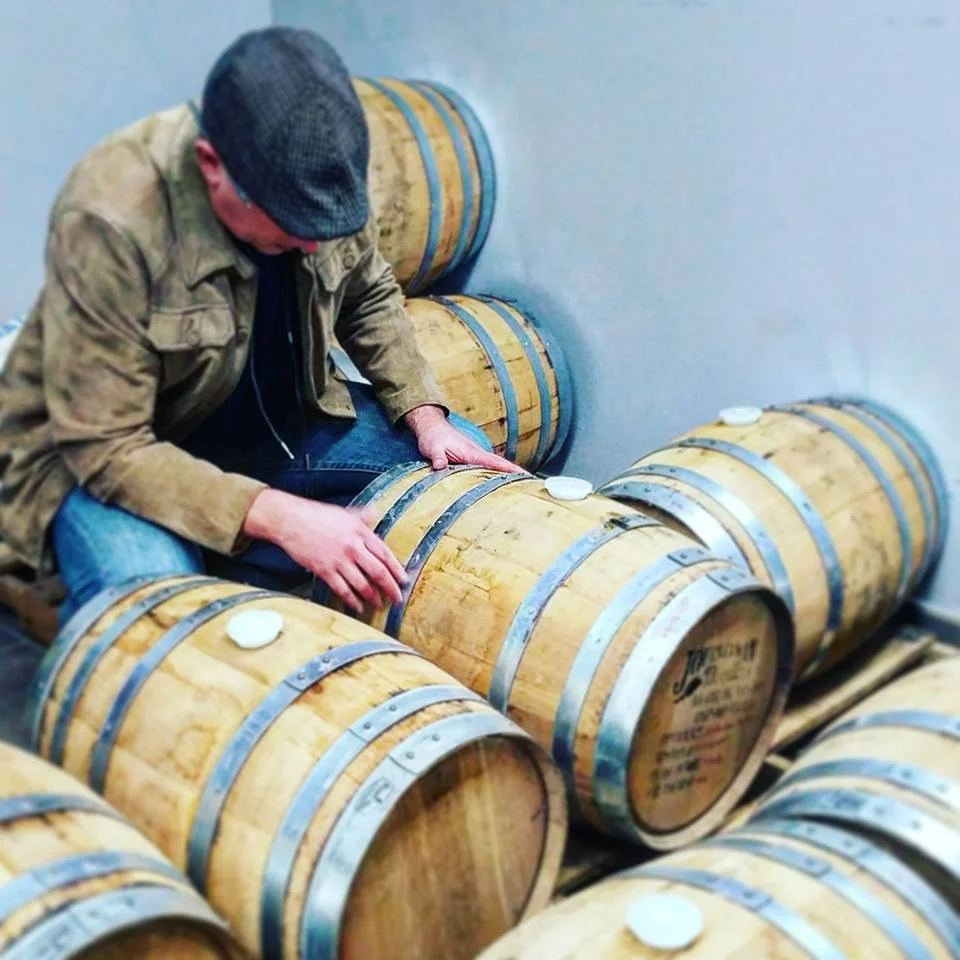
Recently, I interviewed finance wizard and brewery owner, John Brand, for my podcast “The Elements of Being.” Here are his nine thought-provoking answers to my questions about transitioning from a 15-year career in finance to opening his brewery, Open Outcry, in Chicago. Take a read…It may finally inspire you to leave your job and pursue your dreams.
Did you consider other businesses before opening a brewery?
John Brand: No. I wanted to make beer. If I were going to give up my career in finance, which I had put a tremendous amount of time and energy into, and for which I had good opportunities if I continued, I would give it up for something I really wanted to do. I homebrewed for 10 years…I just loved the process of making beer. I loved creating something with my hands, sharing it with people, and watching them enjoy it. Especially a beverage like beer or alcohol, which is a social lubricant that lets you sit down with someone and share. It fosters conversation and connections with people. And that idea of making something like beer and sharing that with my friends, family, and neighbors on the south side of Chicago was the only thing I was focused on. I didn't really think about anything else. The idea of starting a financial services firm or investing in futures……I'd never even considered it. I was-if I was going to do it, I was going to go in a different direction. It was going to pursue something that I wanted to do…really had a passion for. And that's what beer was.
You mentioned it took about four or five years before you actually made the jump… and I'm sure there was an internal debate during that time. I want to dig into that a little more to learn about what held you back from making the jump sooner. Were there any doubts or fears that you needed to overcome, and if there were, how did you do it?
John Brand: I was entrenched in that career, and it was a long process to convince myself that it was rational to give it up to start a business, especially a high-risk business like a bar, restaurant, or brewery. The success and failure of bars and restaurants are pretty well documented. It isn’t the most rational decision. It isn’t the most conservative decision to make if you're a somewhat conservative guy like I was. I don't consider myself risk-averse anymore. This whole experience has changed my relationship with risk and my relationship with money. It wasn't the rational decision to make. I also knew that if I didn't do it, I would probably regret it. I can choose a successful career path in corporate America to achieve financial security and all the things that come with it, but I didn't want to regret thinking about what would've happened if I had done it. I started hanging out with people who had done it before. I started reading a lot, too….I was introduced to writers like Tim Ferriss. He started his own business and became an entrepreneur. Ferriss wrote books that dissected the mindset and mentality of people…that entrepreneurship is in their DNA. Being exposed to guys like that started to really shift my perception of risk. It's risky, but you can do this if you're thoughtful. So that helped. This decision-making process took years for me.
Can you describe how you officially committed to this decision (whether that was your two-week notice or signing some legal document)? At what point did this thought actually become a real jump?
John Brand: I think it was maybe in 2012 or 2013 when I started thinking about whether or not I could execute on a vision of opening a brewery. I would come home from work, sit down at the computer, and start pounding it out. I would document the vision that I had in my head…I started putting it down on paper. I did this once or twice a week for a year or two. It was cathartic for me because I was getting a little frustrated and disillusioned with the traditional corporate career path. This was an outlet to pretend that I was actually going to open a brewery.
Over time, though, that idea became a real plan… fundamental good ideas were documented and fleshed out… and a game plan for how to deliver on what a brewery could look like. As the document grew and became more detailed, I had a little more confidence that I had an idea here and a path to execute it. I did that for two or three years, and it was the most extensive and well-written business plan you've ever seen. I had to write it down on paper to convince myself I could actually do this.
I still hadn't made up my mind that I was going to do it, but I occasionally started looking at listings of commercial properties nearby. And again, not convinced that I was going to do it. When the right property came up, it actually clicked. I had a plan that I had been working on for a couple of years. I had almost the perfect property that the plan sat on top of (two blocks from my house). I had a nice rapport with my wife the whole time and shared what I was thinking. She was supportive of it. I had to make a decision. It was either crap or get off the pot. This happened in late 2015 (after three or four years of writing a business plan). It was the first time I actually had to look at myself and say, “Okay, am I really going to do this or what?” I had done all the previous work for the last couple of years. I knew the economics of the business plan. I knew what it would cost. I knew how I wanted to execute the vision. I knew I wanted the space to work. Since I had done all that work, it gave me the confidence for the first time.Some people believe that most transitions extend from reaching a bottom, saying, “This is enough,” and then finally making a jump. It sounds like this is a little different story, right?
John Brand: I was never so miserable in a traditional corporate career…I never felt so desperate that I had to get out. I wasn't excited to get up and go to work every day, and I wasn't clinging to desperation either. I knew that there was probably a better path out there for me as I got older and developed self-awareness. I was fearful of regret. I didn't want to look back thirty or forty years from now and say, “Why didn't I do it?” I think that weighed on me the most. I convinced myself that if I did it, if I took the leap and suck…I just wasn't an entrepreneur. I wasn't somebody who could do it, and I failed. I was comfortable with that, too. That was a real…very real possibility. And if that happened, I also knew that I had worked hard enough in my previous life and had enough friends in that industry or space that I could have called someone up and gotten a job somewhere back on the streets.
It sounds like it was a fairly calculated risk. You still worked part-time for your former firm while opening the brewery, correct?
John Brand: I was very fortunate with my former employer. When I told them what I was doing, there was definitely some shock. They questioned me, “You sure you want to do this?” I explained the maturation process that I had gone through over the last couple of years and that I had done my homework. When you give a financial services firm two weeks’ notice, they get very protective of their information. A lot of times, even if it's a positive ending to that relationship, they still walk you back to your office after the notice, gather up your things, and then walk you out the door. I was fully prepared for that. It was the opposite, though. I was very fortunate. Not only did they support me through the process, but they also allowed me to modify my schedule. I worked in a part-time capacity for 6 months while I bootstrapped the business. Not a lot of people have that sort of support or opportunity that I did, and that certainly helped my transition. It allowed me to make a little money. I was still paying my mortgage while we were planning the brewery… and building it.
Let's jump a little more into that transition. I'm sure not everything went smoothly. Can you describe any moments of failure that made you question this new path? How did you overcome those moments?
John Brand: I learned quickly that part of owning a business is accepting that things go wrong. You have to be comfortable with that. You have to be able to let microfailures roll off. You can't dwell on them because it’ll distract you from executing the plan and mission. I’m a pretty methodical guy and somewhat of a type-A personality. Control has always been an issue for me in terms of my management style. That was a transition for me…to accept the fact that things won’t always go my way or the way things were planned. As I built out the brewery and worked part-time downtown Chicago, things went wrong. I learned quickly to let failures go and not dwell on them. You learn to love to eat crap. You need the capacity to eat crap if you're going to start a business.
Can you identify any specific lessons from the corporate world that made this transition easier?
John Brand: Oh, for sure. Yeah. We were talking about how I wish I had realized this earlier. Like you did… You had self-awareness in your twenties and just did it (started a personal training business). I didn't. Maybe that was a blessing. While working in companies for about 20 years, I learned best practices in accounting, planning, budgeting, HR-related issues, and how to deal with employees and hire and fire people, etc. These are all things that, if you pay attention to them, you can pick up on how to do (especially how to deal with present-day legal issues). If I had started a business in my twenties, I wouldn't have had the benefit of seeing all those things. In some ways, this delayed self-awareness and realization that I want to start a business are probably helping me now. Now, if I’m having a dispute with an employee, I know how to navigate that. I know how to document things. I know how to protect myself and mitigate risks. These are all things I learned throughout my career in finance. It also gave me confidence. I’ve seen the inner workings of companies, and now I'm trying to apply all those best practices to the startup.
I'm not the type of person who will retire, sit on the front porch, and drink my tea. I always feel that I’ll still be doing “something” when I retire…perhaps creating another business. Some people feel that may be unhealthy, but isn't that what we are….beings that need mental stimulation?
John Brand: I agree with you. I don't know if I'll ever retire either. I always want to do something. I think this idea of retirement… you're speaking directly to the narrative that we're spoon-fed in this country. You go to school….you learn just enough to be an obedient worker. You work in a career you don't particularly like or have a passion for, hoping to one day retire, live the golden years, and do whatever the hell you want to do. Right. I think that narrative is crap. I think you should find something you want to do and do it. Enjoy doing it… enjoy the journey and all the things that come with it—the failures…the successes…the distress…the fear.
What are your day-to-day habits (e.g., bookkeeping practices, etc.)?
John Brand: I try to be hands-on with everything in the brewery. I am there in the mornings, sweeping floors with the folks that are opening the place up…wiping tables down, cleaning, mopping. I try to spend an hour or two of that every day. I'm particular, and I want that place to look a certain way…there's a certain level of cleanliness and sanitation that I demand. Then, I'll spend a couple of hours in the office doing paperwork, accounting, responding to emails, and handling staff, HR, and payroll issues. I also try to spend an hour or two every day doing project work. I consider project work —making incremental improvements to the building's aesthetics, prepping for the next phase, and planning the next project I want to do. I ask myself, “How can I invest two hours today that will lend itself to incremental improvements to the aesthetics, the service, the food, and the quality of the beer?”
About the Author: Michael Moody, Wedding Officiant
Michael Moody—author of the self-improvement book Redefine Yourself: The Simple Guide to Happiness and host of the “The Elements of Being” podcast—is an ordained minister serving Denver and other towns across Colorado. He is a 2023 WeddingWire Couples’ Choice Award winner in both Denver and Chicago (his eighth consecutive year), was named “Best Business of 2024 and 2025” by Three Best Rated, and earned “The Best Wedding Officiant in Commerce City, Colorado for 2024” from Quality Business Awards USA. Since 2012, he has officiated more than 300 weddings.
Specifically, Michael officiates wedding ceremonies in the Denver neighborhoods of LoDo, River North, Washington Park, Cherry Creek, City Park, Central Park, Capitol Hill, Cheesman Park, Park Hill, Highland, Platt Park, Lower Highlands, Sloan Lake as well as the zip codes 80215, 80214, 80204, 80203, 80205, 80207, 80218, 80219, 80222, 80223, 80224, 80246, 80238, 80221, 80022, 80230, 80231, 80202, 80209, 80247, and 80210. Michael also serves as an ordained minister in Golden, Boulder, Breckenridge, Frisco, Aspen, Vail, Estes Park, and more.
If your Denver neighborhood or Colorado town isn’t listed here, no worries! Please contact Michael to propose a wedding ceremony location in a different area!

A Personal Trainer’s Answers to your 4 Biggest Health and Fitness Questions
Introduction
Trying to unravel the complicated approach to achieving your best health? A Denver personal trainer answers your four biggest health and fitness questions.
What are some of the most common misconceptions about getting in shape?
Personal Trainer Wisdom: The most common misconception about getting in shape is the idea that fitness is the primary focus. While fitness plays a pivotal role in your strength, flexibility, muscular endurance, and cardio endurance, it still relies heavily on your nutrition. Without the proper nutrition for your body type, you will not have the energy or building blocks to sculpt the healthy body you want. Any nutritional deficit or inflammation will undoubtedly affect your ability to get in shape, live to 100, or reduce your risk of injury.
What single piece of personal training advice do you have regarding form and technique?
Personal Trainer Wisdom: With the endless circus act of exercises found online and in magazines, it would take years to point out every little piece of the form you should keep in mind while exercising. While you should study your body's response to different positions and movements, there are basic rules you should keep in mind for whatever you approach:
-Keep your feet hip-width apart and straight to maximize stability and glute/abdominal activation.
-Keep your shoulders above your hips to maintain a neutral position and reduce pelvic tilting.
-Maintain a neutral spine by periodically checking your lumbar curve (lower back) and cervical spine (neck).
There are certainly exceptions to these rules. Nevertheless, they will generally guide you through a safe workout routine.What is the best way to get a personal training client motivated when they feel like giving up?
Personal Trainer Wisdom: Considering that each person is different, there isn't a single strategy to motivate a personal training client when he or she wants to give up. While some personal training clients persevere when given a strict structure to follow, others are intimidated and are less likely to push themselves. Add in societal pressures, personality traits, family and work demands, and natural limitations, and, surprisingly, anyone can sift through these factors and push through. The best advice is to help your personal training client become a human scientist—to study their physical selves and their habits, decision-making processes, and problem-solving approaches. By using this strategy, you reduce ambiguity in the process and identify the personal training client's strengths and weaknesses to achieve the most efficient approach. The personal training client will feel more control over his or her situation and will be able to target the undermining reasons for giving up with more confidence.
What is the best advice you’ve ever learned about staying in shape?
Personal Trainer Wisdom: After nearly 15 years of personal training and research in Chicago, I have learned that your mental approach is the steering factor of staying in shape. You will most likely reach your goal, but whether or not you maintain this success is questionable. Who can blame you! There are too many distractions and pulls in life —holidays, work, and family —that can easily pull you from your new healthy routine. The best advice is to clearly define boundaries based on your needs, not your wants, and to use these rules as you navigate the unknowns of life. I don't think it's reasonable to assume that you'll make perfect choices each day. With reasonable boundaries based on your body and habits (not anyone else's), you'll keep yourself in check and stay in shape.
About the Author: Michael Moody, Wedding Officiant
Michael Moody—author of the self-improvement book Redefine Yourself: The Simple Guide to Happiness and host of the “The Elements of Being” podcast—is an ordained minister serving Denver and other towns across Colorado. He is a 2023 WeddingWire Couples’ Choice Award winner in both Denver and Chicago (his eighth consecutive year), was named “Best Business of 2024 and 2025” by Three Best Rated, and earned “The Best Wedding Officiant in Commerce City, Colorado for 2024” from Quality Business Awards USA. Since 2012, he has officiated more than 300 weddings.
Specifically, Michael officiates wedding ceremonies in the Denver neighborhoods of LoDo, River North, Washington Park, Cherry Creek, City Park, Central Park, Capitol Hill, Cheesman Park, Park Hill, Highland, Platt Park, Lower Highlands, Sloan Lake as well as the zip codes 80215, 80214, 80204, 80203, 80205, 80207, 80218, 80219, 80222, 80223, 80224, 80246, 80238, 80221, 80022, 80230, 80231, 80202, 80209, 80247, and 80210. Michael also serves as an ordained minister in Golden, Boulder, Breckenridge, Frisco, Aspen, Vail, Estes Park, and more.
If your Denver neighborhood or Colorado town isn’t listed here, no worries! Please contact Michael to propose a wedding ceremony location in a different area!

My 10 Favorite Life-Guiding Quotes from the Stoic, Marcus Aurelius
Introduction
Where do you look for the answer to the question, “How do I live a good life?” Naturally, you refer to 165 AD for a perspective that transcends time. To shape my philosophical self, I’ve been reading Marcus Aurelius’ Meditations (one of the earliest self-improvement texts). The following 10 quotes are taken directly from this great work. While I typically offer commentary on their meaning, they are left to your interpretation (everybody could use a break from a pundit).
“The happiness of your life depends upon the quality of your thoughts.”
“If you are distressed by anything external, the pain is not due to the thing itself, but to your estimate of it; and this you have the power to revoke at any moment.”
“The best revenge is to be unlike him who performed the injury.”
“It is not death that a man should fear, but he should fear never beginning to live.”
“Our life is what our thoughts make it.”
“If someone is able to show me that what I think or do is not right, I will happily change, for I seek the truth, by which no one was ever truly harmed. It is the person who continues in his self-deception and ignorance who is harmed.”
“If it is not right do not do it; if it is not true do not say it.”
“Whenever you are about to find fault with someone, ask yourself the following question: What fault of mine most nearly resembles the one I am about to criticize?”
“How much more grievous are the consequences of anger than the causes of it.”
“Live a good life. If there are gods and they are just, then they will not care how devout you have been, but will welcome you based on the virtues you have lived by. If there are gods, but unjust, then you should not want to worship them. If there are no gods, then you will be gone, but will have lived a noble life that will live on in the memories of your loved ones.”

Welcome to “The Elements of Being” podcast, where I dissect and explore the minds and habits of psychologists, filmmakers, writers, and industry icons. Essentially, we examine the mental and emotional narratives and processes that steer the social stream of consciousness….Truly a chance to geek out over the psychology behind human behavior. Each episode is a glimpse into the trends and patterns of human behavior and the underlying influences that navigate us into different directions. Whether we focus primarily on nutrition or the unconscious, guests share insights, thought-provoking lessons, the nuances of creativity, and the elements of being… us.
In the spirit of the 2020 US presidential election, Dr. Jonathan Baron and I discuss moral judgment and individual decision-making in today’s episode. Dr. Baron is the founding editor of the open-access journal Judgment and Decision Making and has served on the editorial boards of several other journals. He is a Fellow of the American Association for the Advancement of Science and the Association for Psychological Science, and was the President of the Society for Judgment and Decision Making.
Dr. Baron's work has occurred primarily within the field of judgment and decision making, a multidisciplinary area that applies psychological principles to problems in economics, law, business, and public policy. This field began by contrasting human decision behavior to individual decision-making and judgment theories, such as probability theory and expected utility. Baron's research has extended the focus of judgment and decision-making to social problems in resource allocation and ethical decision-making. Among the concepts associated with his work are omission bias (the tendency to excuse acts of omission more readily than acts of commission) and protected values (principles on which people are unwilling to accept trade-offs).
In our interview, here’s what we specifically discussed:
-The trends of political polarization and conspiracy thinking.
-The problems of improving everyday decisions as a result of institutional issues.
-Applying general principles of decision analysis.
-The evolution of a person’s social standards.
-Omission bias in politics.
-The cost-benefit analysis of environmental policies.
-The expression of moral and moralistic values regarding the political issues of gay marriage and abortion.
-The role of empathy in the utilitarian point of view.
-The factors that affect moral judgment.
About the Author: Michael Moody, Wedding Officiant
Michael Moody—author of the self-improvement book Redefine Yourself: The Simple Guide to Happiness and host of the “The Elements of Being” podcast—is an ordained minister serving Denver and other towns across Colorado. He is a 2023 WeddingWire Couples’ Choice Award winner in both Denver and Chicago (his eighth consecutive year), was named “Best Business of 2024 and 2025” by Three Best Rated, and earned “The Best Wedding Officiant in Commerce City, Colorado for 2024” from Quality Business Awards USA. Since 2012, he has officiated more than 300 weddings.
Specifically, Michael officiates wedding ceremonies in the Denver neighborhoods of LoDo, River North, Washington Park, Cherry Creek, City Park, Central Park, Capitol Hill, Cheesman Park, Park Hill, Highland, Platt Park, Lower Highlands, Sloan Lake as well as the zip codes 80215, 80214, 80204, 80203, 80205, 80207, 80218, 80219, 80222, 80223, 80224, 80246, 80238, 80221, 80022, 80230, 80231, 80202, 80209, 80247, and 80210. Michael also serves as an ordained minister in Golden, Boulder, Breckenridge, Frisco, Aspen, Vail, Estes Park, and more.
If your Denver neighborhood or Colorado town isn’t listed here, no worries! Please contact Michael to propose a wedding ceremony location in a different area!

How to Turn Your 13 Favorite Midwestern Meals into a Weight Loss Diet
Introduction
Recently, my personal training client wanted to ramp up her weight loss efforts. Our first step was to examine her current meal plan (a typical Midwestern diet) and identify healthy alternatives. Take a look… the same meals are probably in your diet, too!!
Quick Swap/General Changes to Your Typical Meals
Organic ingredients only (more flavor!).
Reduced sodium for all canned products (less bloatedness!).
No lard in any of the canned bean products (less of the unnecessary bad fat!).
Meat (including red meat, white meat, fish, seafood, etc.) should not exceed 25% of any dish (vegan is preferred for ALL 3-4 meals).
Eliminate cheese or swap it for a SMALL amount of Diya's Chopping Block Cheddar Cheese Shreds. I still hesitate to recommend a cheese substitute because it's highly processed and can trigger cravings (which can be dangerous when the substitute isn't available).
No butter.
The portion of vegetables must always be at least twice the size of the meat.
Common Meals (and their Healthy Alternatives)
Chili mac
Healthy Alternative: Mexican mix (below) using the taco seasoning recipe (below) with Banza Chickpea Elbows Pasta (boil until el dente, and then quickly rinse with cold water). Meal Ratio: 1/4 ground chicken (2-4 oz), 1/2 veggies, 1/4 pasta.
Pizza
Healthy Alternative: 365 Everyday Value Cauliflower Pizza Crust, 8 oz (frozen), tomato sauce, Diya's Chopping Block Cheddar Cheese Shreds, roasted red bell peppers, fresh garlic cloves, basil.
Lemon garlic sauce chicken, veggies, and pasta
Healthy Alternative: 1/4 chicken (2-4 oz), 1/2 veggies, 1/4 Banza Chickpea Penne Pasta (or substitute with boiled and drained cauliflower rice).
Grilled chicken breast and veggies
Healthy Alternative: 1/4 chicken (2-4 oz), 3/4 veggies (grilled asparagus, broccoli, tomatoes, etc.).
Grilled cheese
Healthy Alternative: Whole-grain bread with Diya's Chopping Block Cheddar Cheese Shreds, but this still isn’t a nutrient-dense option alone. Make this a 1/4 of your meal and add veggies for the rest.
Lasagna
Healthy Alternative: Mexican mix recipe (below) using the taco seasoning recipe (below). Meal Ratio: 1/4 ground chicken (2-4 oz), 1/2 veggies (beans, corn, sauteed onions, bell peppers), 1/4 El Milagro Corn Tortillas (only ingredients: corn, water, lime).
Beef chili
Healthy Alternative: 1 diced medium yellow onion, 2 minced garlic cloves, 2 tbs tomato paste, 1 tsp salt, 1 tsp pepper, 1 cup dry green lentils, 1 (8 oz) can tomato sauce, 1 (14.5 oz) can petite diced tomatoes, 1 (4 oz) can diced green chiles or hot Rotel, 2 tsp chili powder, 2 tsp cumin, 1 tsp oregano, 2 green peppers, 3 tbs of Worcestershire, 1 can of drained kidney beans, and 1 can of drained pinto beans.
Crockpot BBQ chicken
Healthy Alternative: Chicken breasts, green pepper strips, sautéed onion strips, diced garlic, and Annie's Original BBQ Sauce. The chicken is only 1/4 of your meal, and veggies for the rest.
Tuna salad
Healthy Alternative: Wild Planet Wild Albacore Tuna Pouch (No Salt), 1 tbs of Real Mayo, 1tsp of Trader Joe’s Lemon Pepper seasoning, ¼ tsp garlic powder, ¼ tsp onion powder, lemon garnish, and 1-2 tsp of diced pickle or relish.
Chicken casserole (chicken, peas, cream of chicken soup, breadcrumbs)
Healthy Alternative: Chicken breasts, peas, vegan cashew sauce (https://cookieandkate.com/vegan-mac-and-cheese-recipe/), and oats or quinoa (instead of breadcrumbs). The chicken is only 1/4 of your meal, and veggies for the rest.
Tacos (chicken, lettuce, cheese, shells)
Healthy Alternative: Mexican mix using the taco seasoning recipe. Meal Ratio: 1/4 ground chicken (2-4 oz), 1/2 veggies (beans, corn, lettuce, as well as chopped spinach and green peppers marinated in squeezed lime juice), and 1/4 El Milagro Corn Tortillas (only ingredients: corn, water, lime)…no cheese.
Taco salad (same as above, but in a salad)
Healthy Alternative: Mexican mix using the taco seasoning recipe. 1/4 Ground chicken (2-4 oz), 3/4 Veggies (beans, corn, lettuce, as well as chopped spinach and green peppers marinated in squeezed lime juice)…no cheese.
Beef meatloaf
Healthy Alternative: Ground chicken, diced green peppers, diced sautéed onions and garlic, oats or quinoa (instead of breadcrumbs), Organic Large Omega-3 Brown Grade A Eggs, Heinz Simply Tomato Ketchup, and Annie's Original BBQ Sauce…..but this still isn’t a nutrient-dense option alone. Make the meatloaf a 1/4 of your meal and add veggies for the rest.
Base recipes
Mexican mix
1 lb ground organic chicken breast sauteed with 1 chopped medium onion and 2 chopped garlic cloves
2 cans of organic black beans
1 can Hot Rotel (or any diced tomatoes)
1 can Mexican corn
Taco seasoning
2 tbs chili powder
1/2 tsp garlic powder
1/2 tsp onion powder
1/4 tsp red pepper flakes (optional)
1/2 tsp oregano
1 tsp paprika
3 tsp cumin
2 tsp salt
2 tsp pepper
About the Author: Michael Moody, Wedding Officiant
Michael Moody—author of the self-improvement book Redefine Yourself: The Simple Guide to Happiness and host of the “The Elements of Being” podcast—is an ordained minister serving Denver and other towns across Colorado. He is a 2023 WeddingWire Couples’ Choice Award winner in both Denver and Chicago (his eighth consecutive year), was named “Best Business of 2024 and 2025” by Three Best Rated, and earned “The Best Wedding Officiant in Commerce City, Colorado for 2024” from Quality Business Awards USA. Since 2012, he has officiated more than 300 weddings.
Specifically, Michael officiates wedding ceremonies in the Denver neighborhoods of LoDo, River North, Washington Park, Cherry Creek, City Park, Central Park, Capitol Hill, Cheesman Park, Park Hill, Highland, Platt Park, Lower Highlands, Sloan Lake as well as the zip codes 80215, 80214, 80204, 80203, 80205, 80207, 80218, 80219, 80222, 80223, 80224, 80246, 80238, 80221, 80022, 80230, 80231, 80202, 80209, 80247, and 80210. Michael also serves as an ordained minister in Golden, Boulder, Breckenridge, Frisco, Aspen, Vail, Estes Park, and more.
If your Denver neighborhood or Colorado town isn’t listed here, no worries! Please contact Michael to propose a wedding ceremony location in a different area!
My Personal Training Client’s SPECIFIC Plan to Lose Weight
Introduction
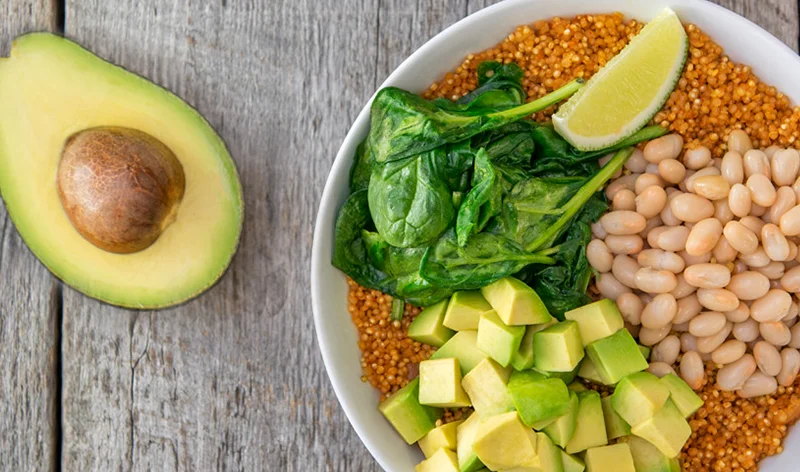
After a frustrating stream of weight fluctuations, I couldn’t be prouder of my personal training client’s new plan to lose 20 lbs for good! This is an excellent template for anyone serious about long-term weight loss.
WEIGHT LOSS MILESTONES
Get Down to 187 Pounds on my Home Scale by 7/1/2019
Get Down to 181 Pounds on my Home Scale by 8/1/2019
Get Down to 176 Pounds on my Home Scale by 8/31/2019
Get Down to 171 Pounds on my Home Scale by 10/15/2019
Wedding Officiant Wisdom: Losing 1-2 lbs per week is the most sustainable way to achieve weight loss. Matt is taking a realistic, achievable approach to reaching his ultimate goal. Setting milestones is a great way to carry this out at a micro level. While the actual results may vary slightly depending on unexpected factors, Matt has set the intent. Since most people seek to change their lives every 3-4 weeks, the dates are appropriate.
WEIGHT LOSS APPROACH PHASE 1
Wedding Officiant Wisdom: As a human scientist, I am constantly testing the body’s sensitivity to food and movement. When developing a weight loss plan, the same approach applies. Matt has created the guidelines below based on his true physical needs and the principles of clean eating for optimal health (weight loss is just a result). While each line seems strict, it is adaptable. Most importantly, it reiterates the intent. All choices will extend from this list. This approach is a stark contrast to the most common approach of extending choices from one’s wants (which doesn’t necessarily reflect a person’s needs and is most likely to lead to faulty guesses and unsuccessful, long-term results).
Foods I’ll Eliminate Until I Reach My Goals
Eliminate BREAD, PROCESSED STARCHES, CHIPS, PRETZELS, ALL SALTY SNACKS, and ALL BAKED SWEET GOODS
Eliminate STARCHY VEGETABLES (Potatoes, Rice, etc.)
Eliminate 80%+ of DAIRY PRODUCTS
Eliminate Specifically: PIZZA, FRENCH FRIES, CHINESE FOOD, ITALIAN SANDWICHES, BURGERS WITH BUNS, WENDY’S, and Other FAST FOOD
Eliminate Fried Foods like Chicken Fingers, Fried Chicken, Fried Appetizers, Fatty Foods: Bacon, Chicken Wings, etc.
Eliminate Energy Bars of All Kinds (Except in Super Emergencies/Damage Control)
Eliminate All BEER, and any Indulgent, High-Cal Booze Drinks
All NUTS Except Pistachios in Shell, Counting When I Eat
Popcorn in Emergencies
BBQ Sauce on Meat
Cereal
Candy
Peanut Butter
2. Foods I’ll Keep in my Diet but May Eventually Eliminate for Clean Eating
Diet Coke – try to limit to 24 oz a day, MAX
Splenda – Do not use willy nilly
Diet Soft Drink Squirts
Turkey Jerky & Beef Jerky
“Lean” Mixed Drinks & Wine – Always Attempt Moderation. Only get drunk “if necessary”
Arctic Zero Ice Cream (the Extreme Low-Cal Ice Cream)
1 Pint, 2-3x per week max
Sugar-Free Creamer for Coffee, in moderation
3. At-Home “Yes” List
My Smoothies w/ Almond Milk, Pea Protein Powder, Frozen Fruit, Spinach, Carrots, Bananas, Flax Seeds
Fruit of All Kinds
Powdered Peanut Butter in Moderation
All Raw Vegetables
Non-Starchy Cooked Vegetables
Chicken, Shrimp, Jerky
Dry Soaked Cooked Beans
Edamame
Pistachios with Shells
4. Partying, Dining Out, etc.
I will drink Canned Seltzer Alcohol Drinks like Truly, Spiked Seltzer, and Aqua Fierte
I will drink Rum or Vodka + Club Soda, or sometimes Diet Coke
I will have NO BEER EVER, NO BEER, NO BEER, NO BEER
I will NOT eat any heavy, junk foods after drinking
I will eat the best option on the menu when I dine with my girlfriend
I will eat in great moderation when there are no good choices
I will eat SLOWLY and MINDFULLY
I will NOT eat bread that comes out beforehand
I will NOT eat Chips & Salsa that comes out beforehand
About the Author: Michael Moody, Wedding Officiant
Michael Moody—author of the self-improvement book Redefine Yourself: The Simple Guide to Happiness and host of the “The Elements of Being” podcast—is an ordained minister serving Denver and other towns across Colorado. He is a 2023 WeddingWire Couples’ Choice Award winner in both Denver and Chicago (his eighth consecutive year), was named “Best Business of 2024 and 2025” by Three Best Rated, and earned “The Best Wedding Officiant in Commerce City, Colorado for 2024” from Quality Business Awards USA. Since 2012, he has officiated more than 300 weddings.
Specifically, Michael officiates wedding ceremonies in the Denver neighborhoods of LoDo, River North, Washington Park, Cherry Creek, City Park, Central Park, Capitol Hill, Cheesman Park, Park Hill, Highland, Platt Park, Lower Highlands, Sloan Lake as well as the zip codes 80215, 80214, 80204, 80203, 80205, 80207, 80218, 80219, 80222, 80223, 80224, 80246, 80238, 80221, 80022, 80230, 80231, 80202, 80209, 80247, and 80210. Michael also serves as an ordained minister in Golden, Boulder, Breckenridge, Frisco, Aspen, Vail, Estes Park, and more.
If your Denver neighborhood or Colorado town isn’t listed here, no worries! Please contact Michael to propose a wedding ceremony location in a different area!