Colorado Front Range Elopement Guide: Hiking-In Wedding Ceremonies and Scenic Trails
Summary
Plan a Colorado Front Range elopement with a hiking-in ceremony on trails like Mount Bierstadt or Twin Cones via Second Creek. Learn about permits, marriage licenses, gear, and timelines for 1–5 mile hikes with a non-religious Colorado wedding officiant guiding your mountain vows.
Frequently Asked Questions
How do we legally elope in Colorado on the Front Range?
You will need a Colorado marriage license from any county clerk, valid statewide. Colorado allows self-solemnization, but you can also hire a professional officiant to lead your ceremony and handle logistics on the trail.Do we need a permit for our Colorado Front Range elopement?
Many parks require a special use or wedding permit and sometimes a separate photography permit. Requirements vary by location, group size, and whether you are on national park, state park, or national forest land.How hard are hikes like Mount Bierstadt or Twin Cones for an elopement?
Mount Bierstadt is a challenging 14er at roughly 7+ miles and 2,700–2,800 feet of gain, while Twin Cones via Second Creek is about 5+ miles with 1,400–1,500 feet of gain and rated moderate. Your location should match your group’s fitness and altitude comfort.What should we wear for a hiking elopement ceremony?
Most couples hike in comfortable layers and boots, then change into wedding attire at the ceremony spot. Plan for moisture-wicking base layers, a warm mid-layer, a shell, and accessories like gloves and a beanie, even in summer.Can we bring guests to a hiking-in Front Range elopement?
Yes, as long as the trail and permits allow. Smaller groups (often under 10–15 people) are usually best for 1–5 mile hikes at altitude. Your officiant can help you select trails and timing that work with your guest list.What happens if the weather is bad on our elopement day?
We will design backup plans—such as lower-elevation trail options, alternative overlooks, or flexible timing—to keep you safe while still giving you a meaningful ceremony.
Key Topics
Colorado Front Range elopement
Colorado hiking elopement
Colorado mountain elopement officiant
Front Range elopement guide
Colorado hiking-in wedding ceremony
Mount Bierstadt elopement
Twin Cones Second Creek Trail elopement
Colorado adventure elopement officiant
Non-religious Colorado wedding officiant
Denver mountain elopement
Colorado elopement permits and licenses
Small hiking wedding Colorado
Sunrise elopement Colorado Front Range
Scenic trail elopement Colorado
Colorado alpine wedding ceremony
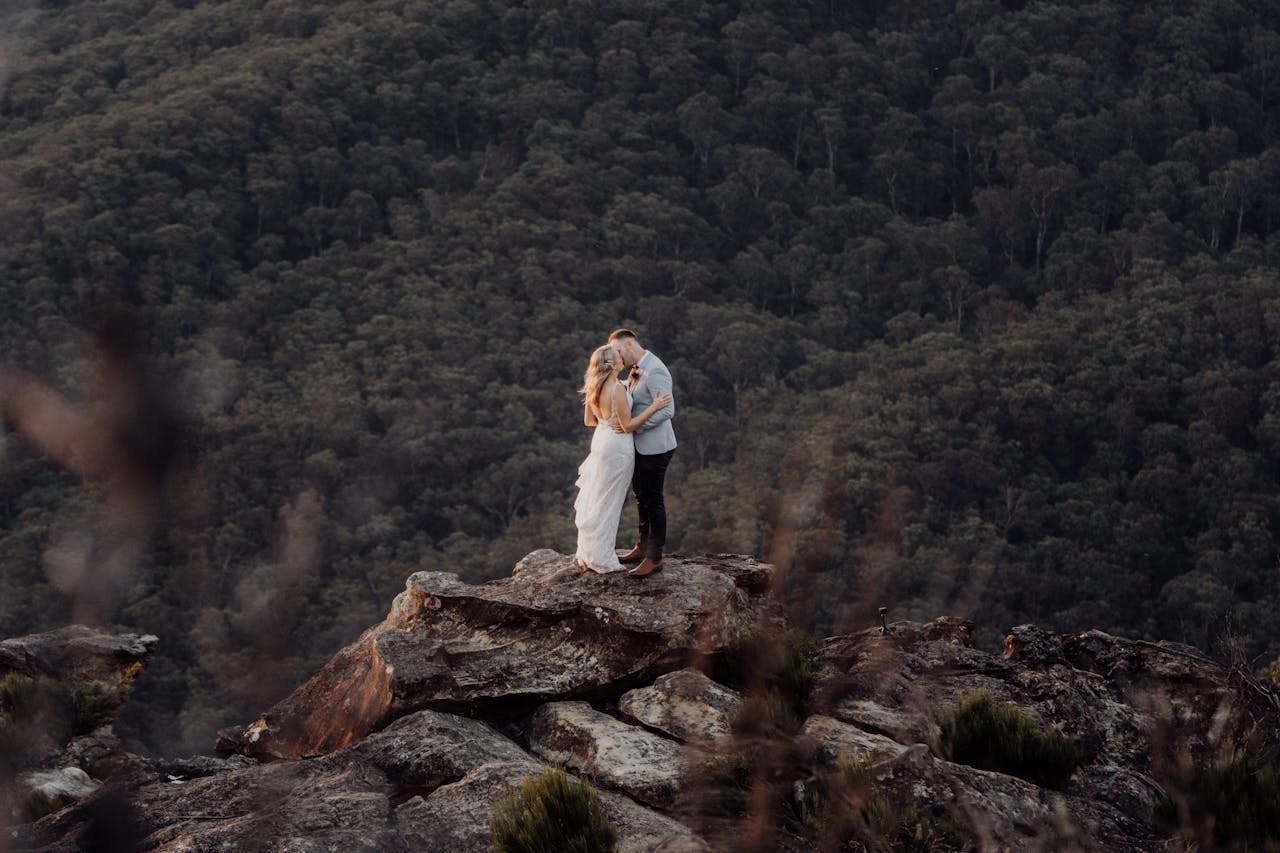
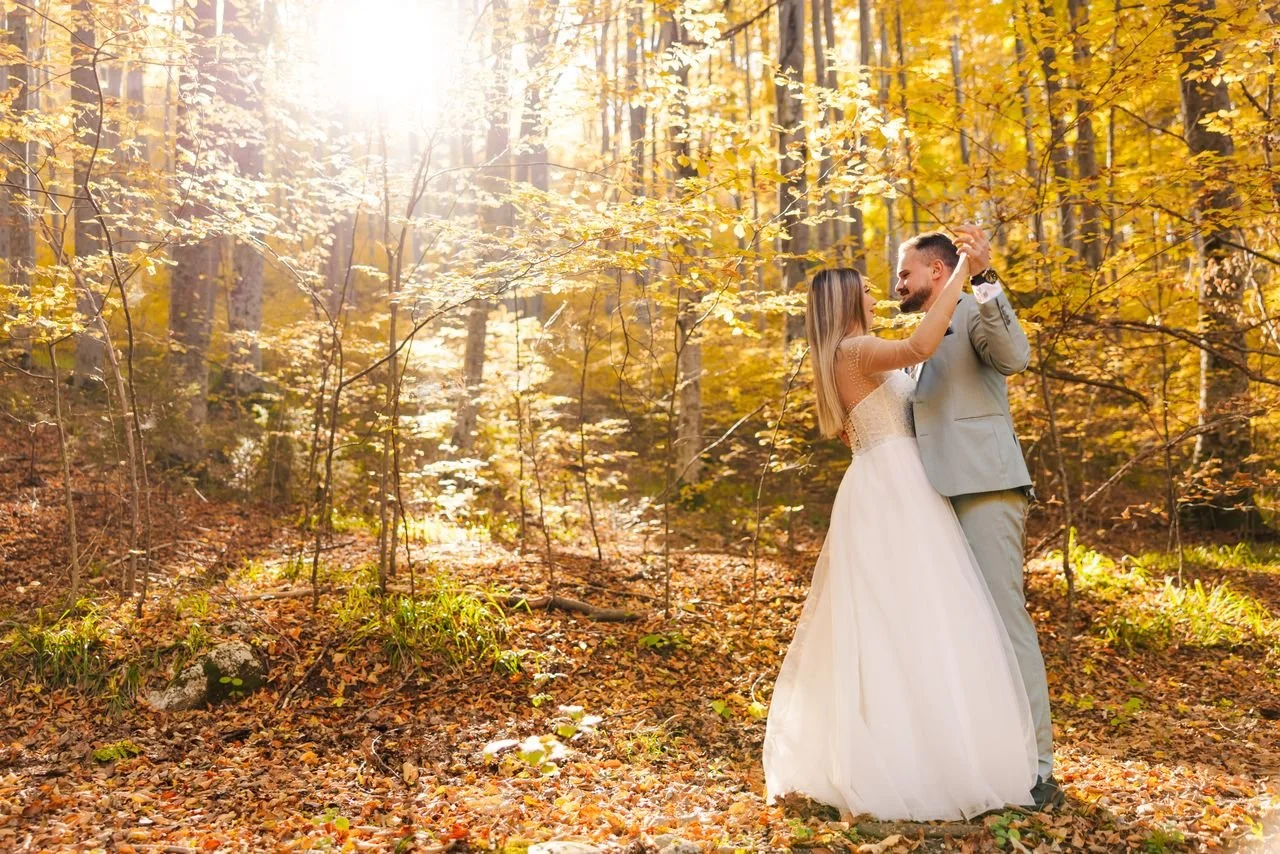
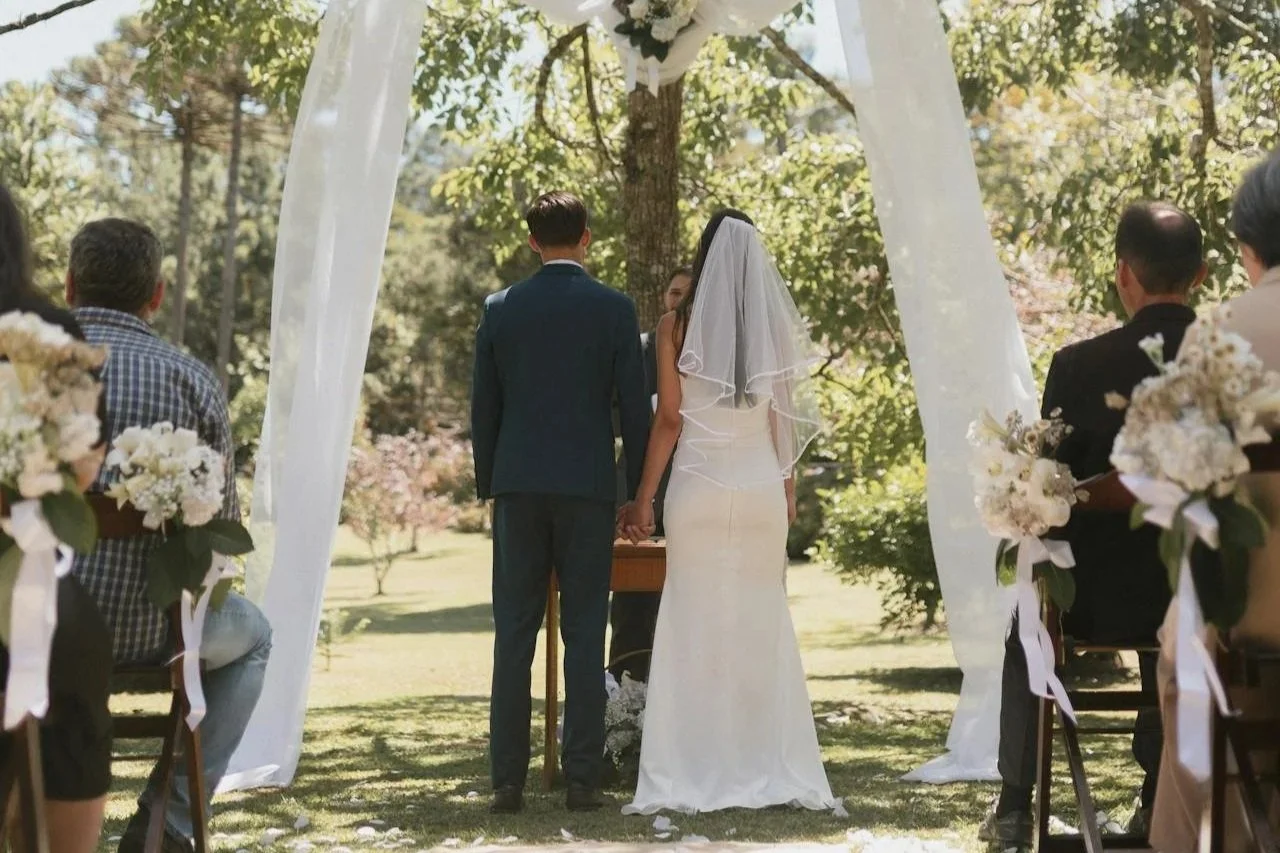
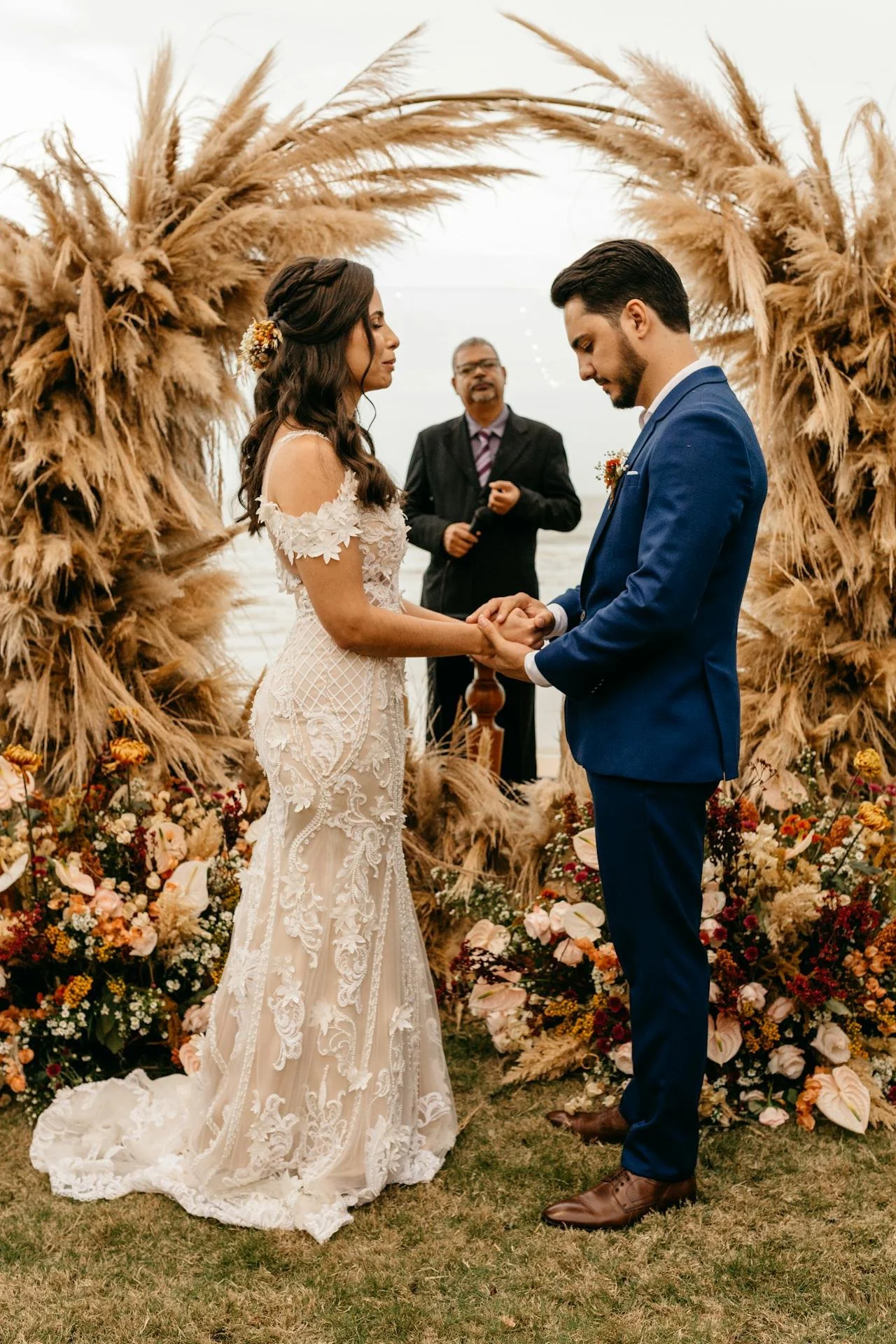
Elopement Wedding Colorado / Photo: Josh Withers
Colorado Front Range Elopement Guide: Hiking-In Wedding Ceremonies
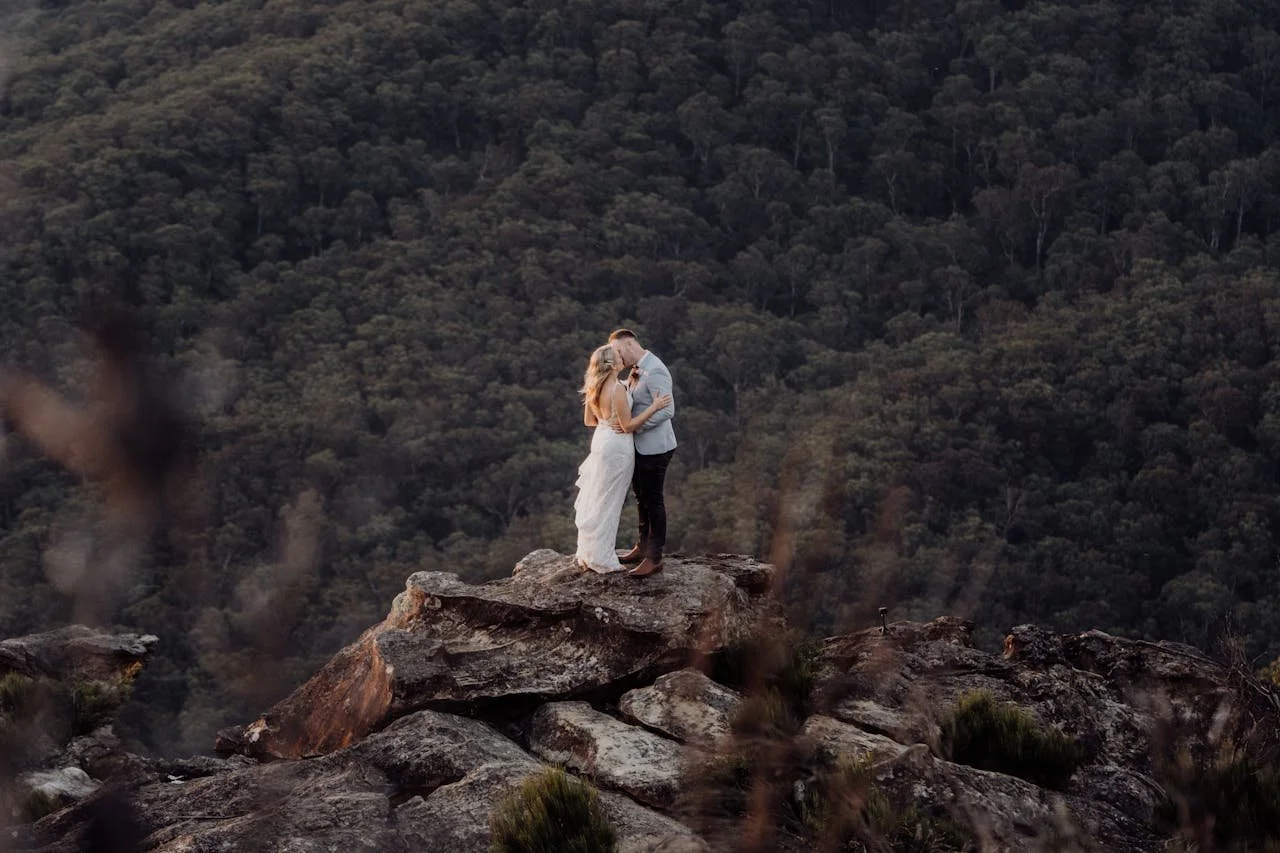
If your dream wedding looks more like hiking boots at sunrise than ballrooms and buffets, the Colorado Front Range is made for you. From drive-up overlooks to 5-mile alpine hikes, you can say your vows above treeline with sweeping views and still be back in time for a celebratory dinner in town.
This guide walks you through planning a Front Range elopement—especially if you are hiking 1–5 miles to a scenic ceremony spot—with real-world examples like Mount Bierstadt and the Twin Cones via the Second Creek Trail. Not sure of a trail? Michael has completed over 129 hikes (all different routes) since February of 2022, including 15-14ers, 19-13ers, and 5-12ers. He will find the perfect scenic location for you!
Why Elope in the Colorado Front Range?
The “Front Range” is the dramatic mountain wall you see rising west of Denver, Boulder, and Colorado Springs. It is ideal for elopements because:
Easy access from major airports (DEN) and cities
Huge variety of landscapes—alpine tundra, evergreen forests, lakes, and rocky overlooks
Year-round options, from wildflower season to snowy winter elopements
Many couples still choose a professional wedding officiant to craft a meaningful, structured ceremony and manage the logistics on the trail.
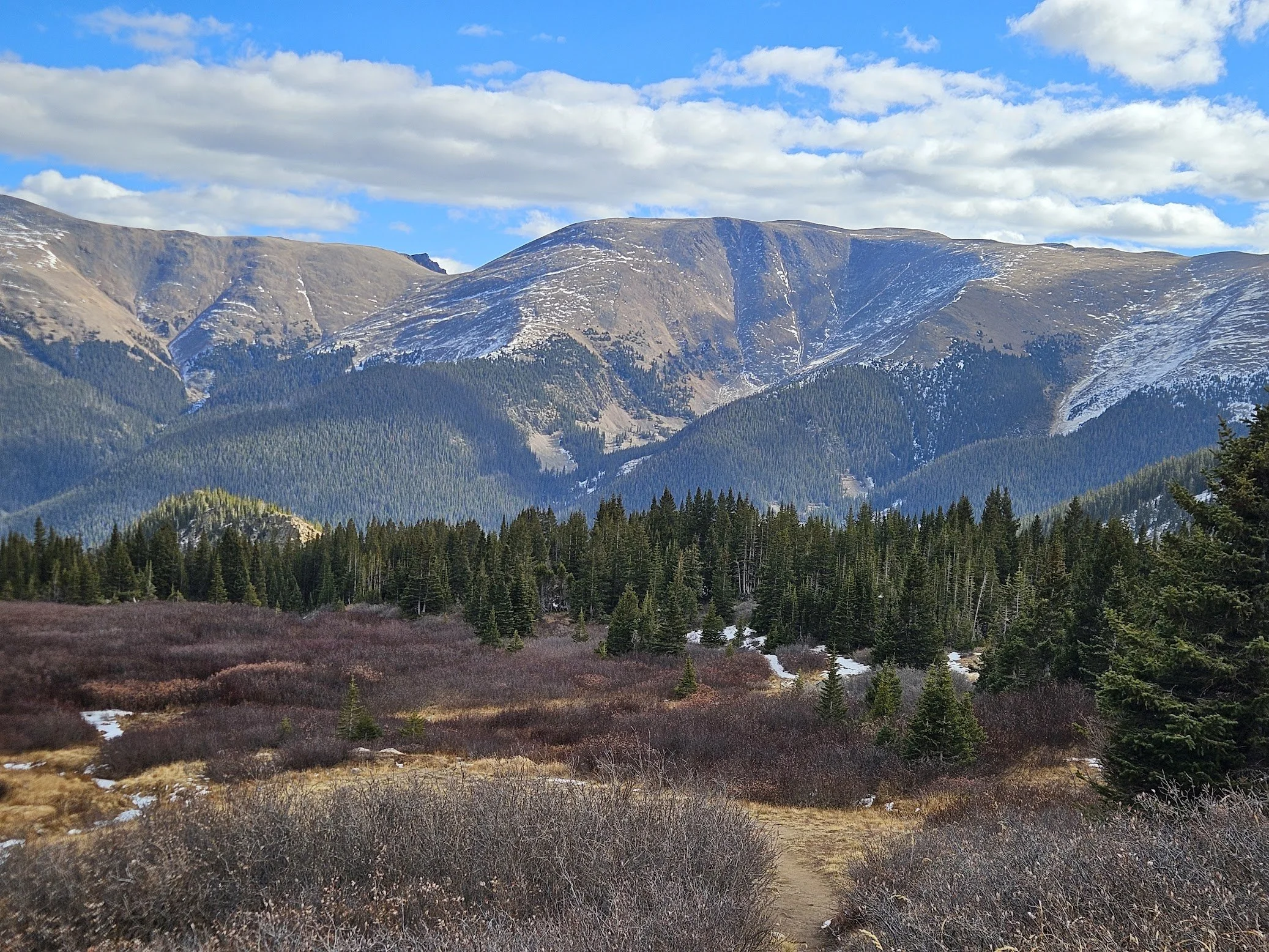
Choosing Your Front Range Elopement Style
Think first about how much hiking (and adventure) you want baked into your day.
1. Drive-Up or Short Walk Ceremonies (0–1 mile)
Scenic passes and overlooks with minimal hiking
Great for guests with mobility limitations, young kids, or formal attire
Often easier for permitting and timing
2. Short to Moderate Hikes (1–3 miles round-trip)
Perfect “sweet spot” for many couples: enough effort to feel like an adventure, but still accessible to friends and family with moderate fitness
Ideal for sunrise or sunset lighting
Often through forests to an overlook, lake, or meadow
3. Bigger Hikes (3–5 miles round-trip)
More solitude and grander views
Best for small groups (or just the two of you) who are comfortable at altitude and have some hiking experience
4. High-Commitment Objectives (Like Mount Bierstadt, a 14er)
Mount Bierstadt via the popular West Slopes route is roughly 7–7.8 miles round-trip, with about 2,700–2,850 feet of elevation gain and a challenging effort that typically takes 5–7 hours.
This is a true “all-day” elopement, best for small groups who already hike at altitude.
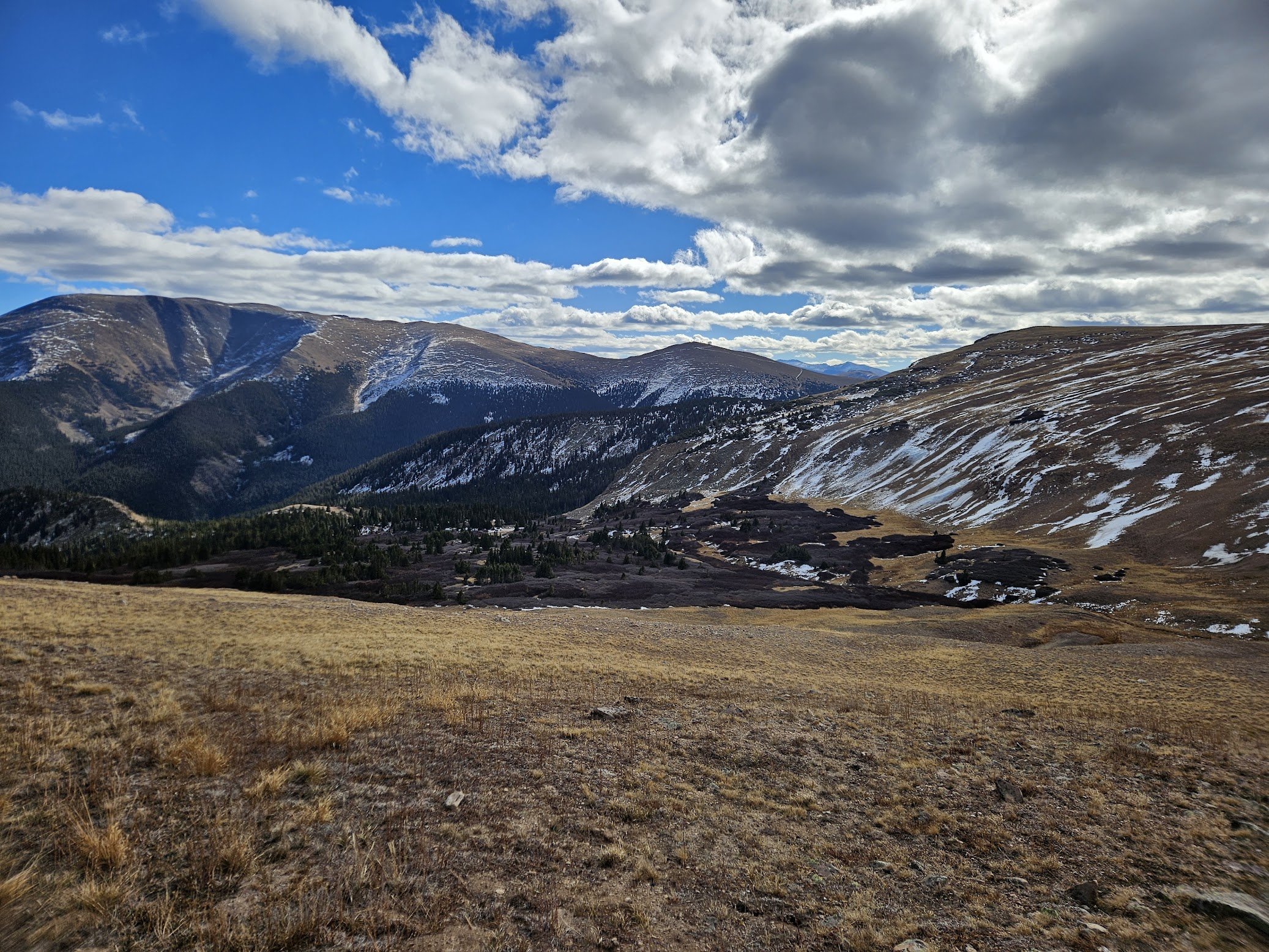
What You Need to Know About Permits and Legalities
Marriage License and Legal Requirements
You can obtain your marriage license from any Colorado county clerk and use it anywhere in the state.
Expect a small fee and to bring valid ID; there is typically no waiting period, and licenses are usually valid for about a month.
Land Use and Ceremony Permits
Rules change by location, but in many parks, you may need:
A special-use or wedding ceremony permit.
A separate photography permit is required for professional photographers in national parks and some state or local parks.
Typically, a permit isn’t needed on standard trails, though.
As your wedding officiant, Michael will help you:
Identify whether a permit is needed for your chosen spot
Navigate the application process and timelines
Choose ceremony locations that fit your group size and leave minimal impact
Hiking-In Elopements: What 1–5 Miles Really Looks Like
If you envision hiking to your ceremony, here’s what to expect and what you will need.
Assessing Difficulty and Fitness
At altitude, even “short” hikes can feel intense.
Twin Cones via Second Creek Trail is about 5.2–5.4 miles round-trip with roughly 1,450–1,500 feet of elevation gain, rated moderate and starting around 10,500 feet.
The first mile climbs steeply—about 800 feet of gain—so planning for breaks and pacing is essential.
For couples and guests, Michael likes to:
Build in extra time for slower hikers
Discuss training walks or hikes leading up to the elopement
Plan for acclimatization if you are flying in from sea level
Season, Weather, and Timing
Best months for higher-elevation Front Range hikes: roughly July–September (depending on snowpack)
Summer afternoons often bring thunderstorms; sunrise or early-morning starts are usually safer on high ridges and summits.
Shoulder seasons (late spring, late fall) can mean snow patches, icy sections, or access issues on mountain passes.
Michael will help you choose a time of day and date that balances lighting, trail conditions, and your comfort with cold or heat.
Gear Checklist for a Hiking Elopement
For couples and guests:
Sturdy hiking shoes or boots with good traction
Layers (base layer, warm mid-layer, waterproof shell)
Warm accessories: beanie, gloves, extra socks—yes, even in summer
Water (at least 1–2 liters per person, more on longer hikes)
Snacks and/or picnic items
Headlamp with fresh batteries for sunrise or sunset
Small backpack (it is okay if you hike in hiking clothes and change at the top)
For the wedding ceremony:
Compact bouquet or boutonniere in a protective wrap
Vow books and rings are stored in a secure pouch
Lightweight blanket or shawl if it is chilly
A compact audio setup, if we are using music or a small speaker
High-altitude elopements are unforgettable—but the environment and the risks must be kept in mind.
As your wedding officiant, Michael will help you:
Choose backup locations in case of weather or trail closures
Plan for realistic turnaround times (especially on bigger hikes like Bierstadt)
Follow Leave No Trace principles—staying on the trail, packing out everything we pack in, and keeping the fragile tundra safe
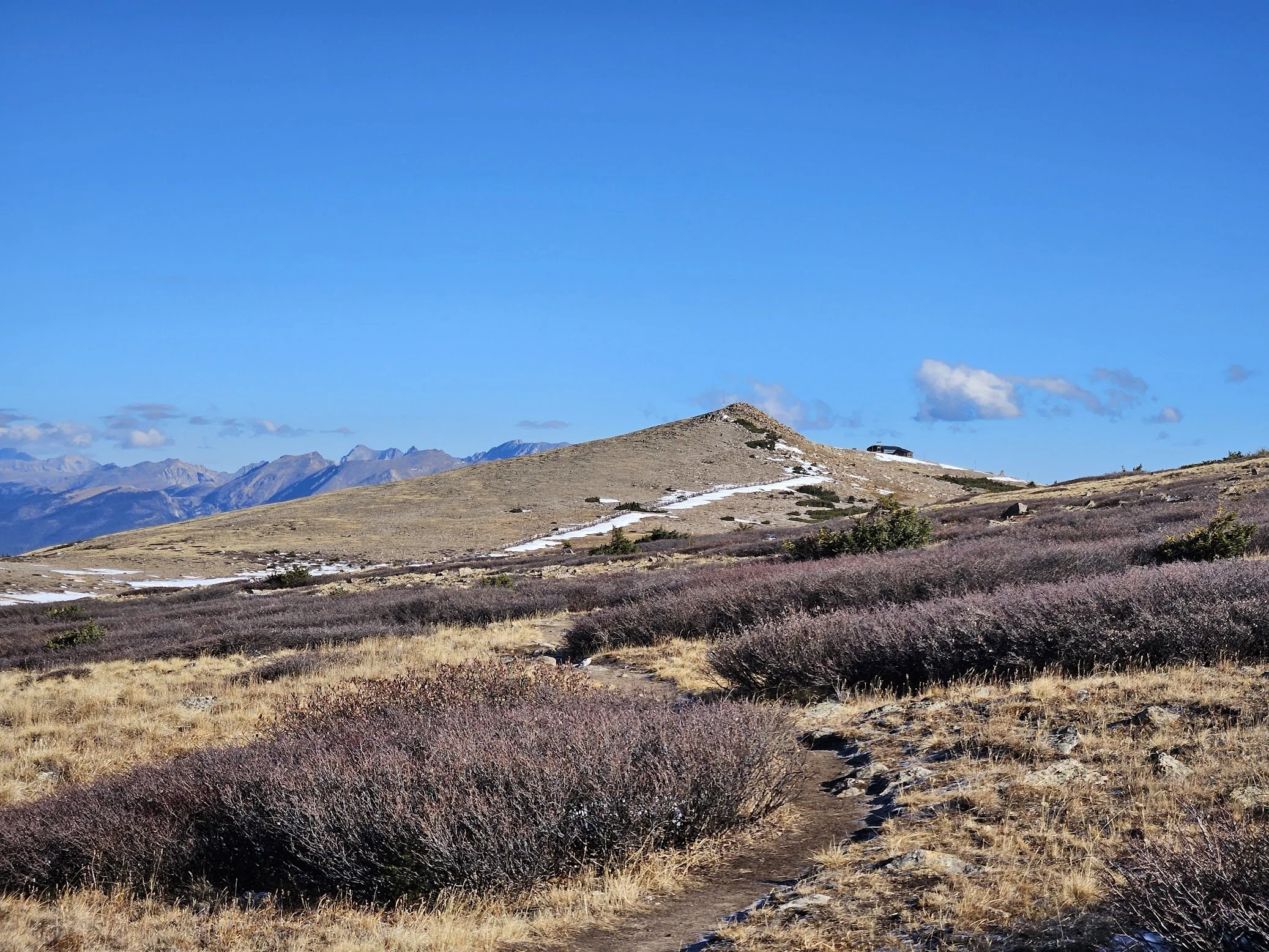
Colorado Wedding Ceremony
Real Front Range Hike Ideas for Your Colorado Elopement
Mount Bierstadt (14,000+ ft Summit)
Best for: Very small groups, “just us” elopements, experienced hikers
Distance: Around 7–7.8 miles round-trip; elevation gain ~2,700–2,850 feet; difficulty: challenging
Vibe: Iconic 14er experience with panoramic views and a great sense of achievement
Considerations: Early start (often pre-dawn), strong fitness, acclimatization, and flexible expectations if the weather moves in
Twin Cones via Second Creek Trail
Best for: Couples or small groups wanting an alpine feel with a moderate effort
Distance: Roughly 5.2–5.4 miles round-trip; elevation gain about 1,450–1,500 feet; difficulty: moderate
Highlights: Forested start, Broome Hut, creek crossings, wildflowers, and open tundra with expansive views of Berthoud Pass
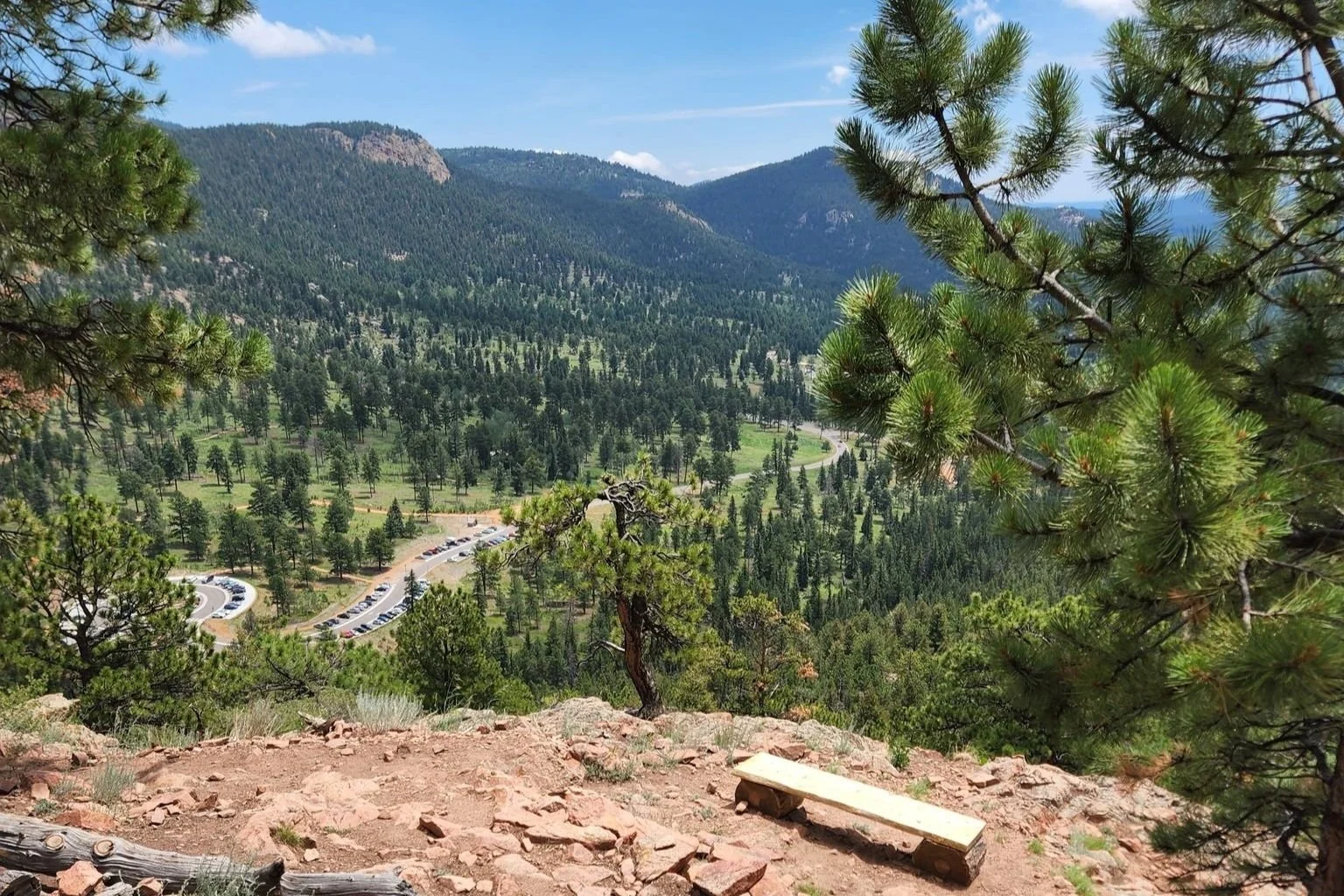
Considerations: Steep first mile, high-elevation starting point, rapidly changing weather. Don’t want to hike to the top of this 12er? Michael has an incredible spot, only a mile hike in.
Shorter Front Range Trails (1–3 Miles)
If your ideal day is a gentle hike plus a relaxed celebration in town, there are many shorter options near:
Boulder, Golden, Evergreen, and Idaho Springs
Trailheads with amazing views are only 1–1.5 miles from the car
Options for sunrise, sunset, or even weekday mid-morning ceremonies to avoid crowds
How a Wedding Officiant Fits Into a Hiking Elopement
Even in a state that allows self-solemnization, having an officiant join you on your hike can take the stress off your shoulders.
As your Colorado Front Range wedding officiant, Michael:
Helps you choose a fitting location based on your story, group size, and hiking comfort
Coordinates timing so we reach the ceremony spot with good light and without rushing
Designs a custom, non-religious wedding ceremony that feels intimate and personal—whether it is just the two of you or a small group of friends
Manages logistics on trail—from pacing to small route decisions—so you can stay present with each other
Guides the legal process, from confirming license details to making sure everything is signed correctly after your vows
When to Plan Your Colorado Front Range Elopement
Summer (July–August): Wildflowers and long daylight; higher risk of afternoon storms
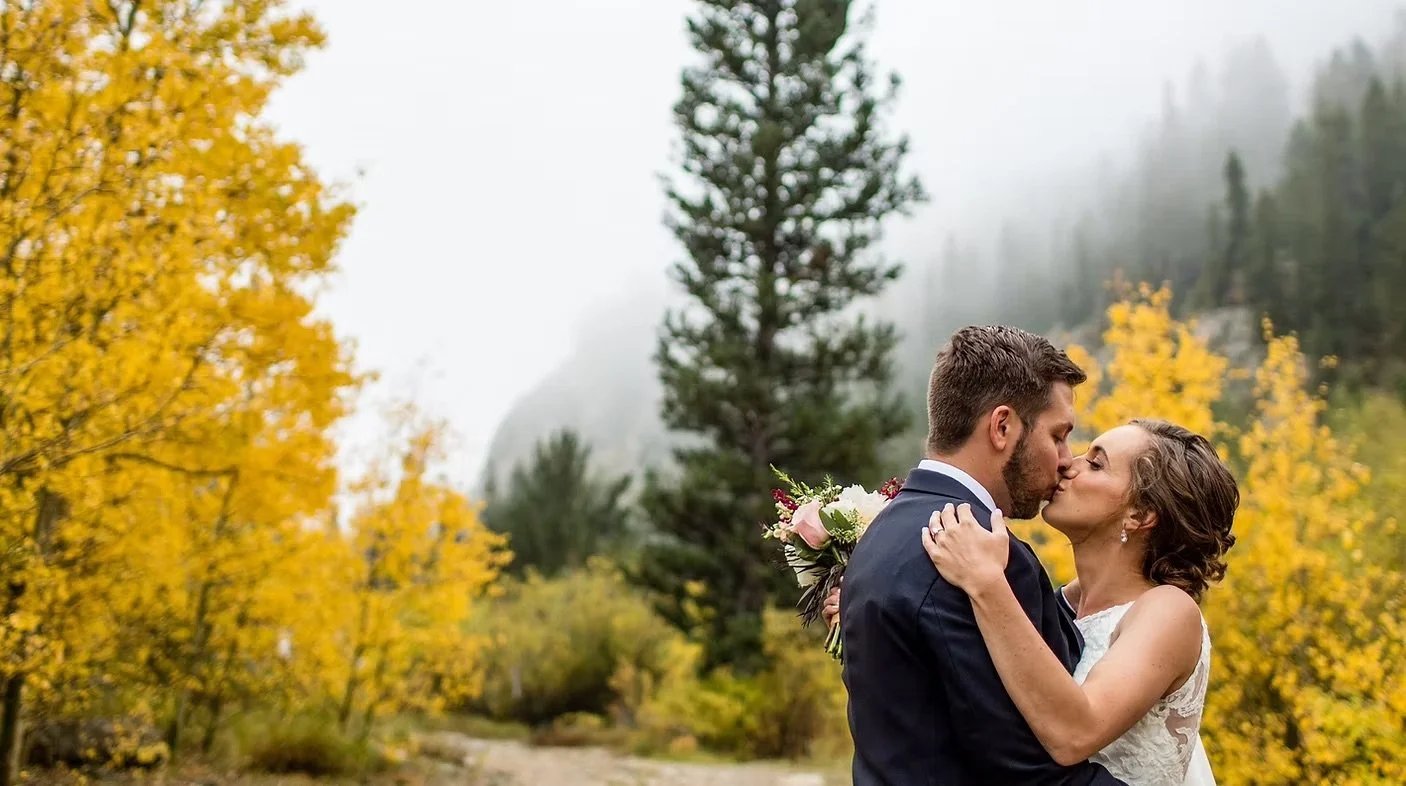
Early Fall (September–early October): Crisp air, more stable weather, and golden aspens at lower elevations
Late Fall–Spring: Possible snow, microspikes or snowshoes may be needed, but you can have incredibly quiet trails and dramatic snowy backdrops
For higher-elevation trails like Bierstadt or Twin Cones, summer through early fall is typically the safest window, depending on yearly snowpack.
Travel and Lodging Tips for Out-of-Town Couples
Fly into Denver International Airport (DEN) and plan at least one night in Denver, Boulder, or Golden before heading to higher elevations to acclimate.
Choose lodging close to your trailhead (e.g., Georgetown, Idaho Springs, Winter Park, or the west side of the Front Range) to shorten your drive the morning of the hike.
Consider booking a rental house or boutique hotel where you can get ready and host a small post-hike celebration.
Sample Half-Day Hiking Elopement Timeline (3–5 Mile Hike)
7:30 am – Meet at the trailhead, quick gear check, and itinerary review
8:00 am–9:15 am – Hike to ceremony location with breaks and photos along the way
9:15–10:00 am – Sunlit ceremony with a mountain range backdrop, vows, ring exchange, photos
10:00–11:00 am – Champagne toast, picnic lunch, portraits
11:00–12:15 pm – Hike back to the trailhead
Early afternoon – Brunch, spa, or mini-reception in town
Every timeline is customizable to your trail, season, and vision.
Ready to Plan Your Colorado Front Range Elopement?
Whether you are dreaming of a 14er summit, a moderate alpine hike like Twin Cones, or a gentle forest trail with big views, the Colorado Front Range offers endless elopement possibilities.
On Michael’s wedding officiant website, you will find non-religious, personalized ceremonies that blend calm guidance with a sense of adventure. If you are ready to start planning—or just exploring whether a hiking-in ceremony is right for you—Michael is happy to help you design a day that feels like you.
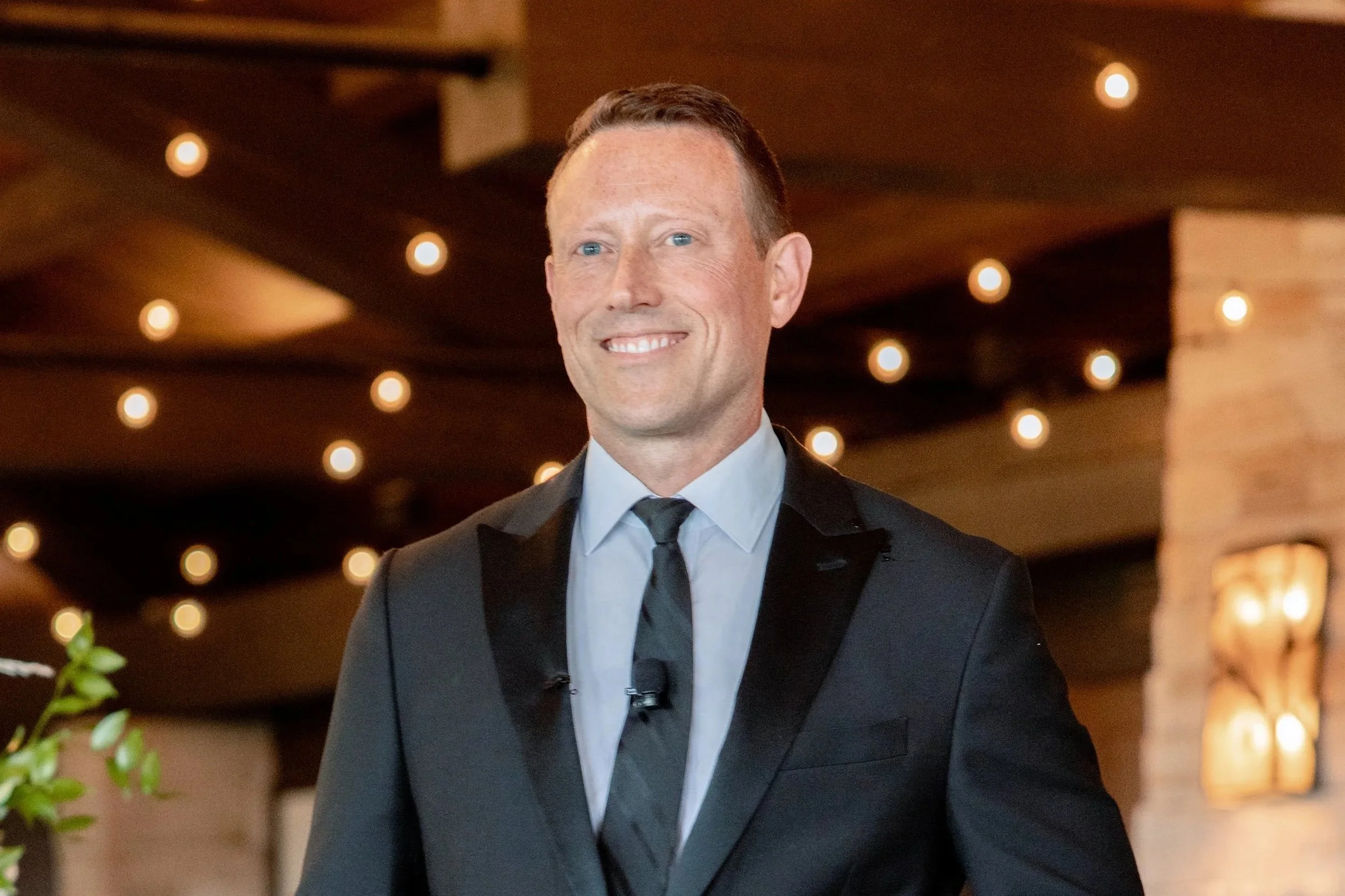
About the Author: Michael Moody, Wedding Officiant
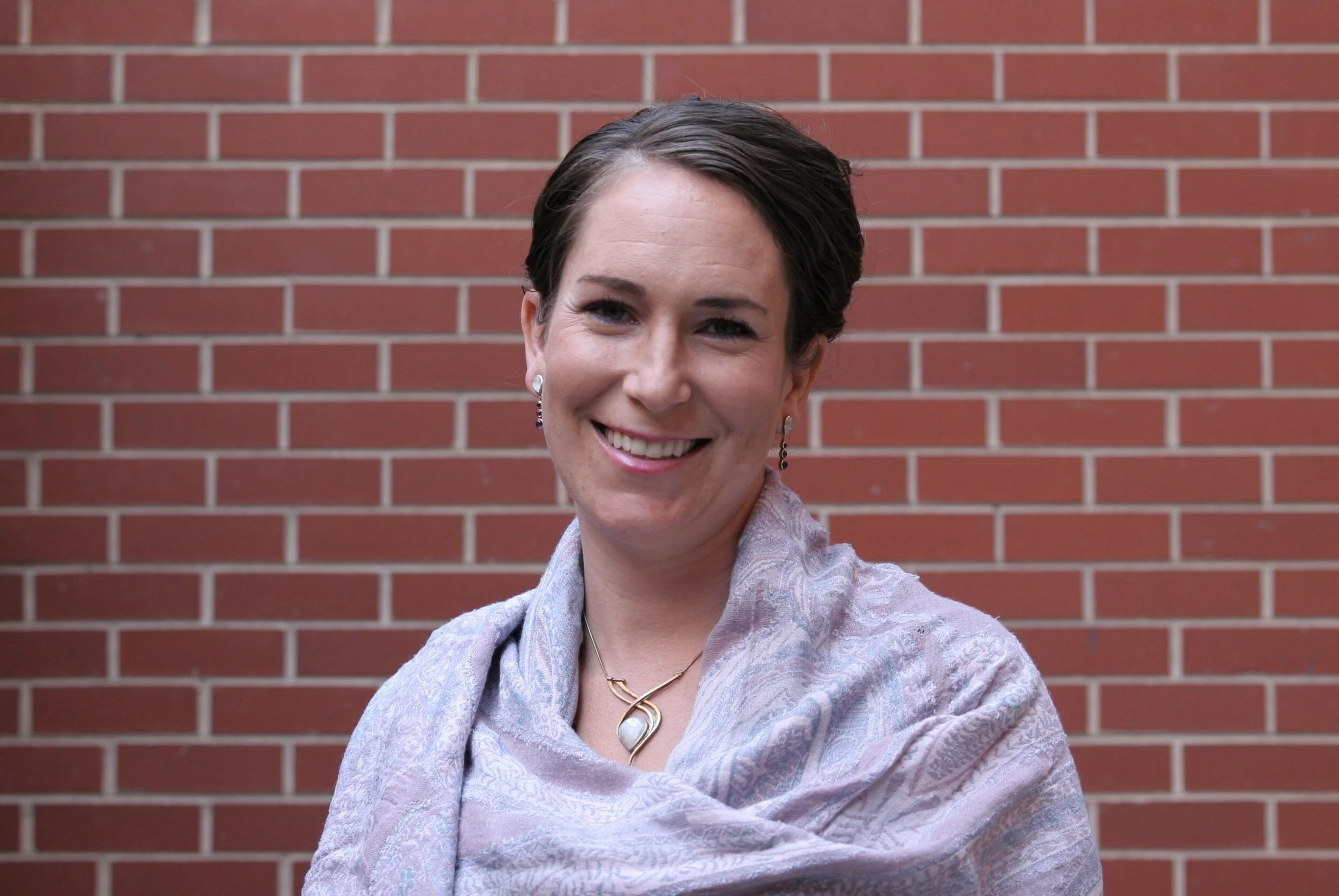
Michael Moody is a Colorado wedding officiant serving Denver, Boulder, Golden, Larkspur, and mountain communities throughout the state. Since 2012, he has officiated more than 300 weddings, bringing a calm presence, thoughtful guidance, and emotionally grounded ceremony writing to couples seeking a meaningful experience. He also offers Colorado elopement ceremonies for couples who want something intimate, intentional, and beyond the boundaries of a traditional wedding day. His work is shaped by a lifelong interest in connection, reflection, and personal growth. Michael is the author of the self-improvement book Redefine Yourself: The Simple Guide to Happiness and host of The Elements of Being podcast. As a wedding officiant, he draws from that same foundation: the belief that our relationships, words, and everyday interactions help shape a life rooted in love, empathy, and purpose. Michael’s ceremony work has been recognized across Colorado. He is a 2023 WeddingWire Couples’ Choice Award winner in Denver, marking his eighth consecutive year receiving the honor. He was also named “Best Business of 2024, 2025, and 2026” by Three Best Rated and earned “The Best Wedding Officiant in Commerce City, Colorado for 2024” from Quality Business Awards USA.
Beyond weddings, Michael and his wife, Sammy, have sponsored an annual student scholarship for more than 10 years. They also founded Civic Growth Alliance, a 501(c)(4) nonprofit dedicated to strengthening communities through civic advocacy, resident engagement, strategic partnerships, public safety initiatives, neighborhood vitality, and community well-being.
Wedding locations: Michael officiates wedding ceremonies in the Denver neighborhoods of LoDo, River North, Washington Park, Cherry Creek, City Park, Central Park, Capitol Hill, Cheesman Park, Park Hill, Lower Highlands, and Sloan Lake. Michael also serves as an ordained minister in Larkspur, Littleton, Golden, Boulder, Breckenridge, Frisco, Aspen, Vail, Estes Park, and more. If your Denver neighborhood or Colorado town isn’t listed here, no worries! Please contact Michael to propose a wedding ceremony location in a different area!