Common Wedding Ceremony Planning Challenges and How to Overcome Them (Expert Guide for Couples)
Summary
Planning your wedding ceremony shouldn’t be overwhelming. Discover the most common challenges couples face—from timing and vendor coordination to personalization and nerves—and learn practical, expert-verified strategies to overcome them for a beautiful, stress-managed wedding ceremony your guests will remember.
Frequently Asked Questions
What is the biggest challenge in planning a wedding ceremony?
Many couples find creating a timeline that balances all ceremony components and transitions to be the most challenging part of planning.How can we personalize our wedding ceremony without overwhelming guests?
Choose a few meaningful elements, like custom vows or a symbolic ritual, and lean on your officiant for structure and pacing.What should be included in a wedding ceremony checklist?
Key items include ceremony timeline, procession order, readings/rituals, officiant contact, microphones/music cues, and vendor arrival windows.How far in advance should vendors receive the ceremony timeline?
Ideally, vendors should receive the agenda 1–2 weeks before the wedding and be given a copy during the rehearsal.How do we manage family expectations during planning?
Communicate decisions early, clarify your priorities, and seek help from your officiant or planner to mediate difficult conversations.
Key Topics
wedding ceremony planning challenges
how to plan a wedding ceremony
wedding ceremony timeline tips
wedding officiant planning advice
common wedding ceremony problems and solutions
how to personalize your wedding ceremony
wedding ceremony vendor coordination tips
wedding ceremony stress management
wedding ceremony planning checklist
Denver wedding ceremony planning
Colorado wedding officiant tips
wedding ceremony planning advice for couples
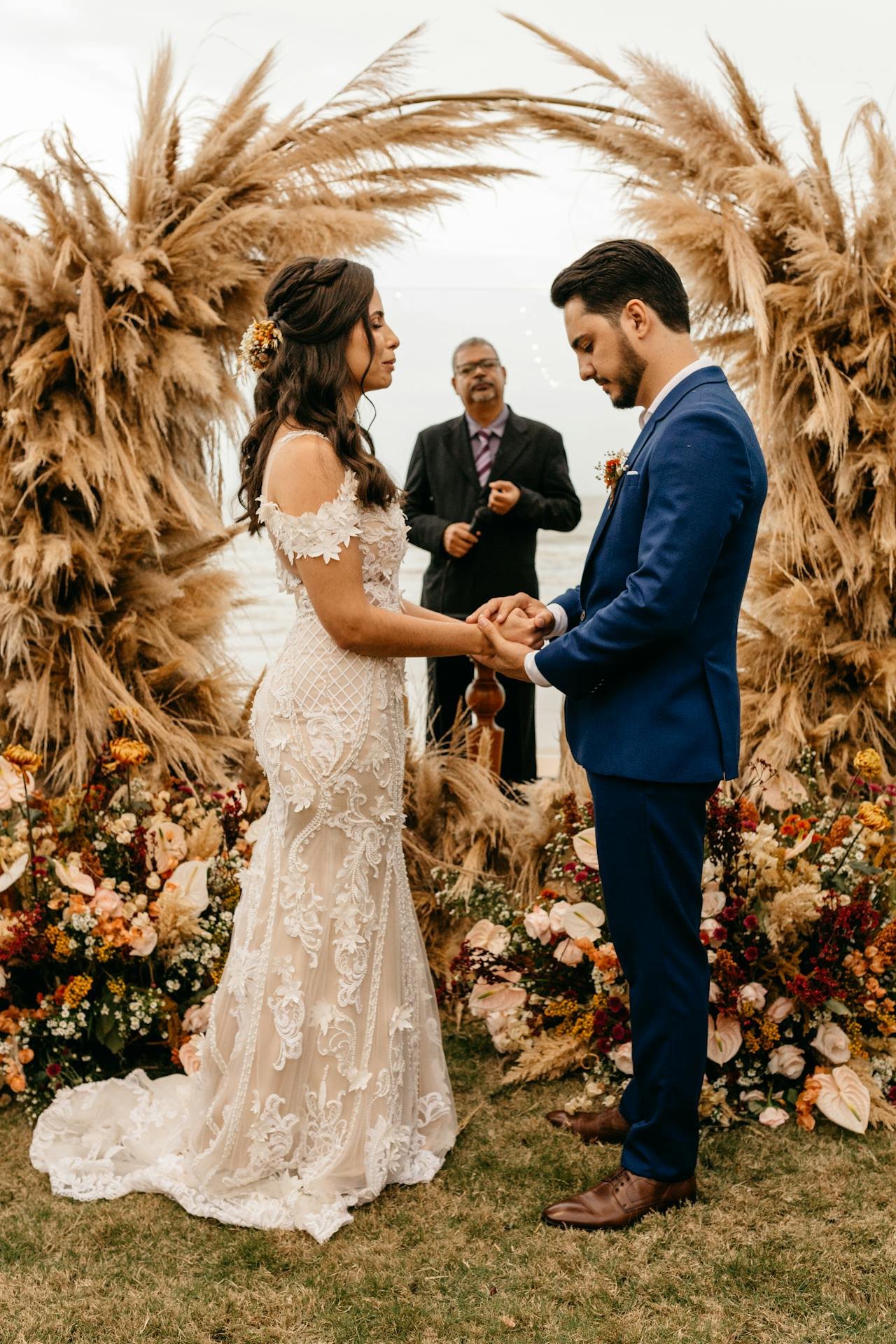
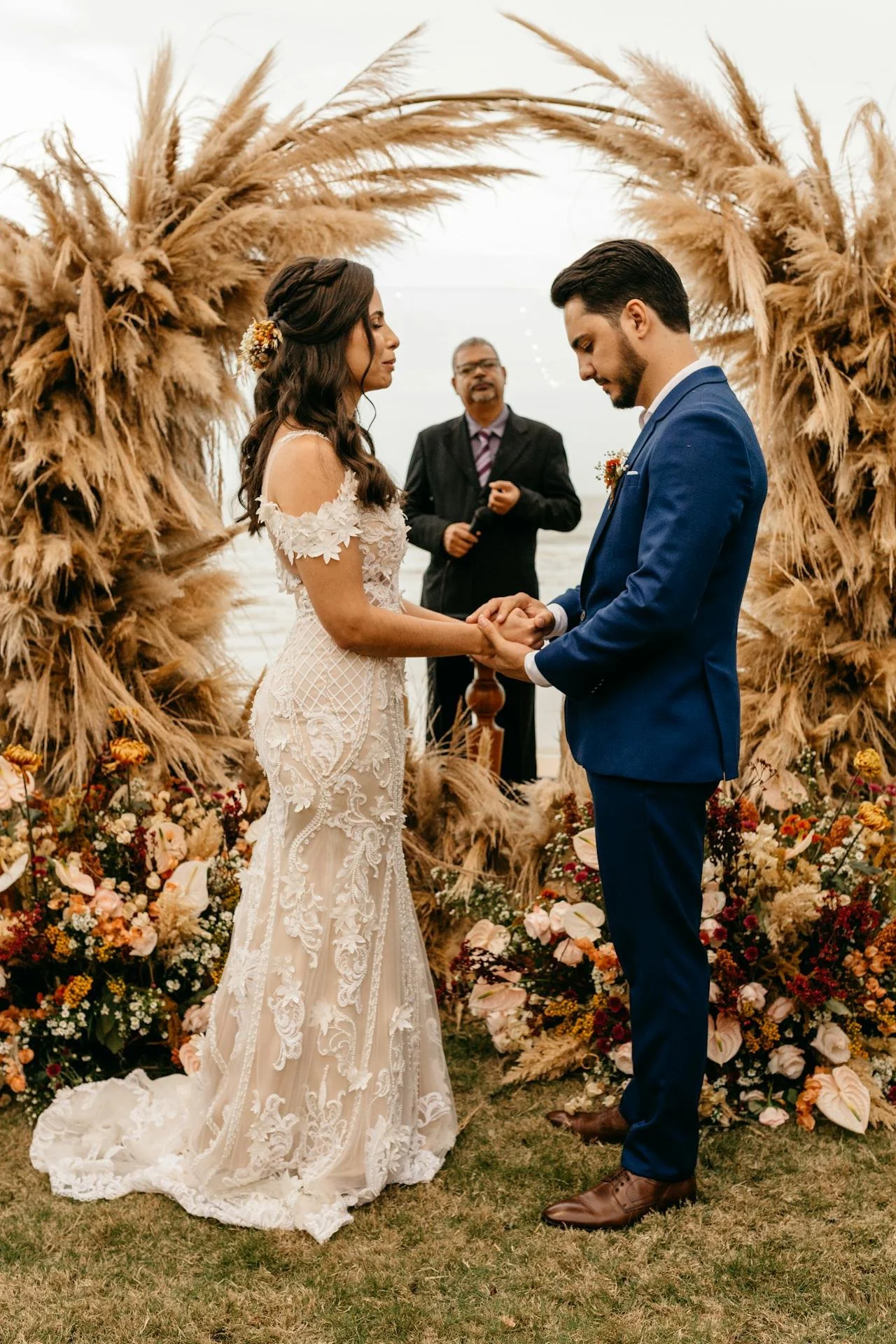
Wedding Planning Challenges / Photo: Jonathan Borba
Wedding Ceremony Planning Challenges and How to Overcome Them
Planning a wedding ceremony is one of the most meaningful parts of your wedding journey, but it can also bring unexpected stress, tough decisions, and logistical hurdles. Whether you’re just beginning to plan or are deep in the details, this guide will help you identify common ceremony planning challenges—and provide actionable solutions so your special moment feels seamless and joyful.
1. Setting the Right Ceremony Timeline
One of the most persistent planning challenges is building a timeline that balances ceremony flow, photography, travel time, and guest comfort.
Challenges
Coordinating multiple events in a limited window (processional, vows, rituals, recessional).
Accounting for light, weather, and venue restrictions.
Solutions
Start with an ideal wedding ceremony duration (typically 20–30 minutes).
Work backwards from your reception start to build a clear flow.
Discuss lighting and space with your wedding officiant and photographer before setting a start time.
Outcome: A confident timeline that reduces day-of stress and avoids rushed moments.
2. Personalization Without Overwhelm
Couples often want their ceremony to reflect their personalities but struggle to make choices among readings, rituals, and script elements.
Challenges
Over-abundance of options for rituals (unity ceremonies, cultural traditions, vow formats).
Fear of offending guests versus authentic expression.
Solutions
Prioritize a few meaningful elements rather than many superficial ones.
Use your wedding officiant’s experience to refine readings and rituals that resonate with your story.
Create custom vows that reflect your relationship without forcing formality.
Outcome: A ceremony that feels uniquely yours and memorable for guests.
3. Vendor Communication and Coordination
Wedding vendors are crucial to supporting a smooth ceremony, but poor communication can lead to timing conflicts or unmet expectations.
Challenges
Misaligned expectations between the wedding officiant, florist, photographer, and venue staff.
Timing confusion for music cues and processional cues.
Solutions
Use a centralized wedding ceremony agenda shared with all key vendors.
Attend at least one pre-wedding walkthrough (virtual or in person).
Assign a coordinator or trusted friend as a day-of point person.
Outcome: Seamless coordination to keep your wedding ceremony on time.
4. Managing Nerves and Family Expectations
Emotional stress and family dynamics can create pressure on the big day, hindering your ability to enjoy the moment.
Challenges
Performance anxiety about speaking or walking down the aisle.
Conflicting opinions from the family about the wedding ceremony content.
Solutions
Practice ceremony components (like your vows or processional cues) in advance.
Set boundaries early—your wedding ceremony is about you, not others’ preferences.
Rely on your wedding officiant to guide difficult conversations and offer neutral phrasing.
Outcome: A calm, confident experience with clear emotional support.
5. Budget Constraints vs. Wedding Ceremony Priorities
Budget decisions often prioritize reception details, leaving the wedding ceremony feeling underplanned or under-resourced.
Challenges
Pressure to allocate funds to décor, music, or flowers.
Feeling like ceremony costs are “less important.”
Solutions
Decide on your top three wedding ceremony priorities (e.g., officiant experience, music, décor) early in planning.
Repurpose décor or florals from the wedding ceremony to the reception.
Keep your wedding ceremony space impactful with simple design choices that fit your budget.
Outcome: A wedding ceremony that feels intentional and beautiful without overspending.
Your Wedding Ceremony, Your Story
No two weddings are alike, and every couple will encounter their own unique challenges. What unites the best ceremonies is thoughtful preparation, intentional decision-making, and clear communication with your officiant and wedding team.
If you ever feel stuck, know that support is available—your wedding officiant, planner, and vendor team want your ceremony to be meaningful and stress-free.
About the Author: Michael Moody, Wedding Officiant
Michael Moody—author of the self-improvement book Redefine Yourself: The Simple Guide to Happiness and host of the “The Elements of Being” podcast—is an ordained minister serving Denver and other towns across Colorado. He is a 2023 WeddingWire Couples’ Choice Award winner in both Denver and Chicago (his eighth consecutive year), was named “Best Business of 2024 and 2025” by Three Best Rated, and earned “The Best Wedding Officiant in Commerce City, Colorado for 2024” from Quality Business Awards USA. Since 2012, he has officiated more than 300 weddings.
Specifically, Michael officiates wedding ceremonies in the Denver neighborhoods of LoDo, River North, Washington Park, Cherry Creek, City Park, Central Park, Capitol Hill, Cheesman Park, Park Hill, Highland, Platt Park, Lower Highlands, Sloan Lake as well as the zip codes 80215, 80214, 80204, 80203, 80205, 80207, 80218, 80219, 80222, 80223, 80224, 80246, 80238, 80221, 80022, 80230, 80231, 80202, 80209, 80247, and 80210. Michael also serves as an ordained minister in Golden, Boulder, Breckenridge, Frisco, Aspen, Vail, Estes Park, and more.
If your Denver neighborhood or Colorado town isn’t listed here, no worries! Please contact Michael to propose a wedding ceremony location in a different area!