How to Personalize Your Wedding Ceremony Without Making It Awkward or Overlong
Summary
Wondering how to personalize your wedding ceremony without it feeling awkward, too long, or overly scripted? Learn what actually works—from meaningful wedding vows and readings to wedding ceremony flow and tone—plus expert tips from a professional wedding officiant on creating a ceremony that feels authentic and memorable.
Frequently Asked Questions
How do you personalize a wedding ceremony?
A wedding ceremony is personalized through custom wording, intentional wedding vows, meaningful readings or rituals, and a tone that reflects the couple’s relationship—all within a clear, well-paced structure.
Are personal wedding vows required for a personalized wedding ceremony?
No. Personalization can come from wedding ceremony language, readings, or symbolic elements. Many couples choose traditional wedding vows with customized introductions or reflections.
How long should personal wedding vows be?
Personal wedding vows are most effective when kept to 60–90 seconds per person, allowing emotion and meaning without losing momentum.
Can a wedding ceremony be personalized without being religious?
Yes. Many couples opt for secular or non-religious wedding ceremonies that still feel deeply meaningful through intentional language and personal storytelling.
Does personalization make a wedding ceremony feel less formal?
Not when done correctly. Personalization enhances formality when it is thoughtfully integrated and professionally delivered by a wedding officiant.
Key Topics
personalized wedding ceremony
wedding ceremony personalization ideas
custom wedding ceremony wording
personal wedding vows length
non-religious wedding ceremony ideas
modern wedding ceremony structure
wedding officiant ceremony customization
how to personalize a wedding ceremony
meaningful wedding ceremony ideas
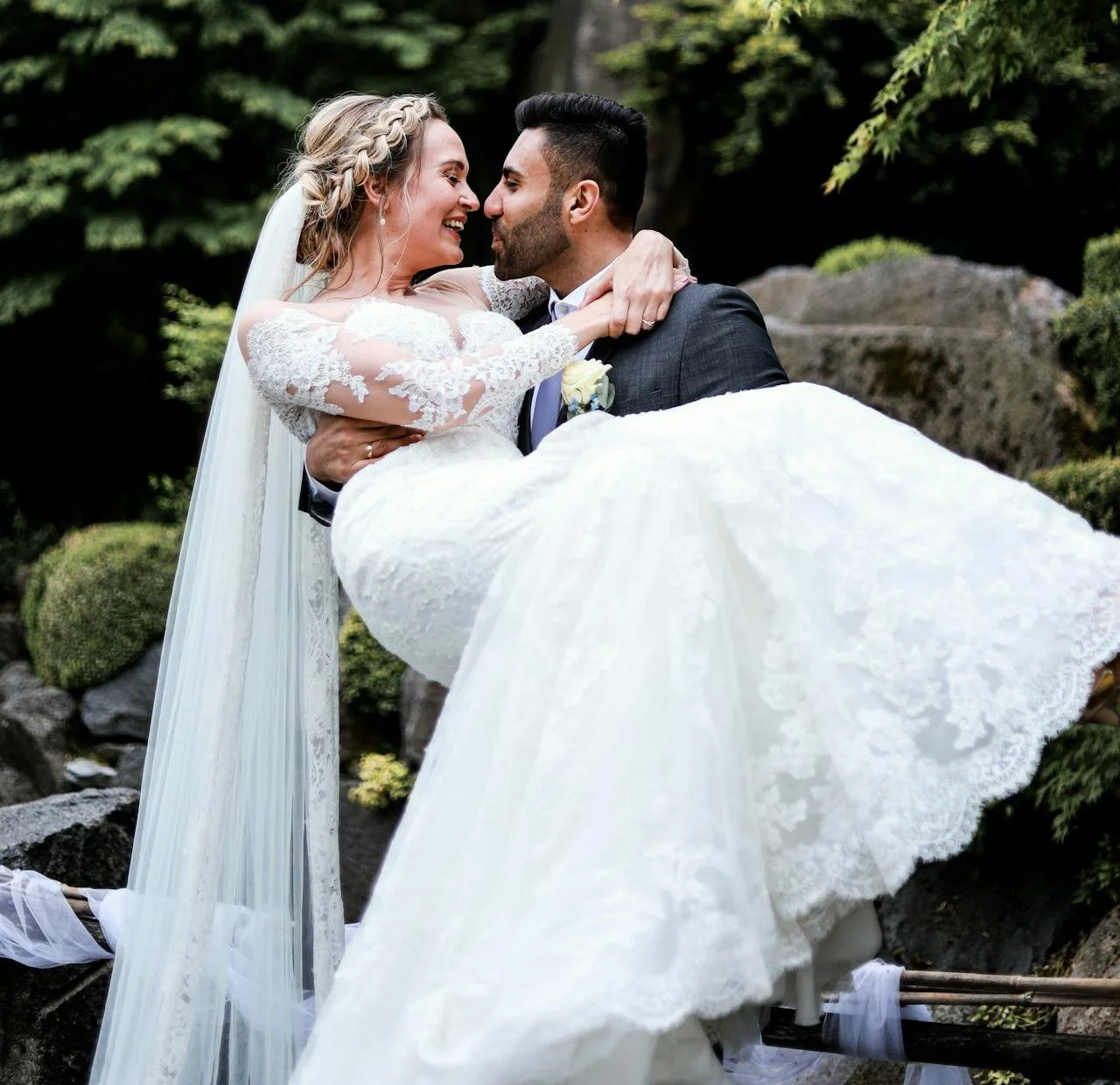
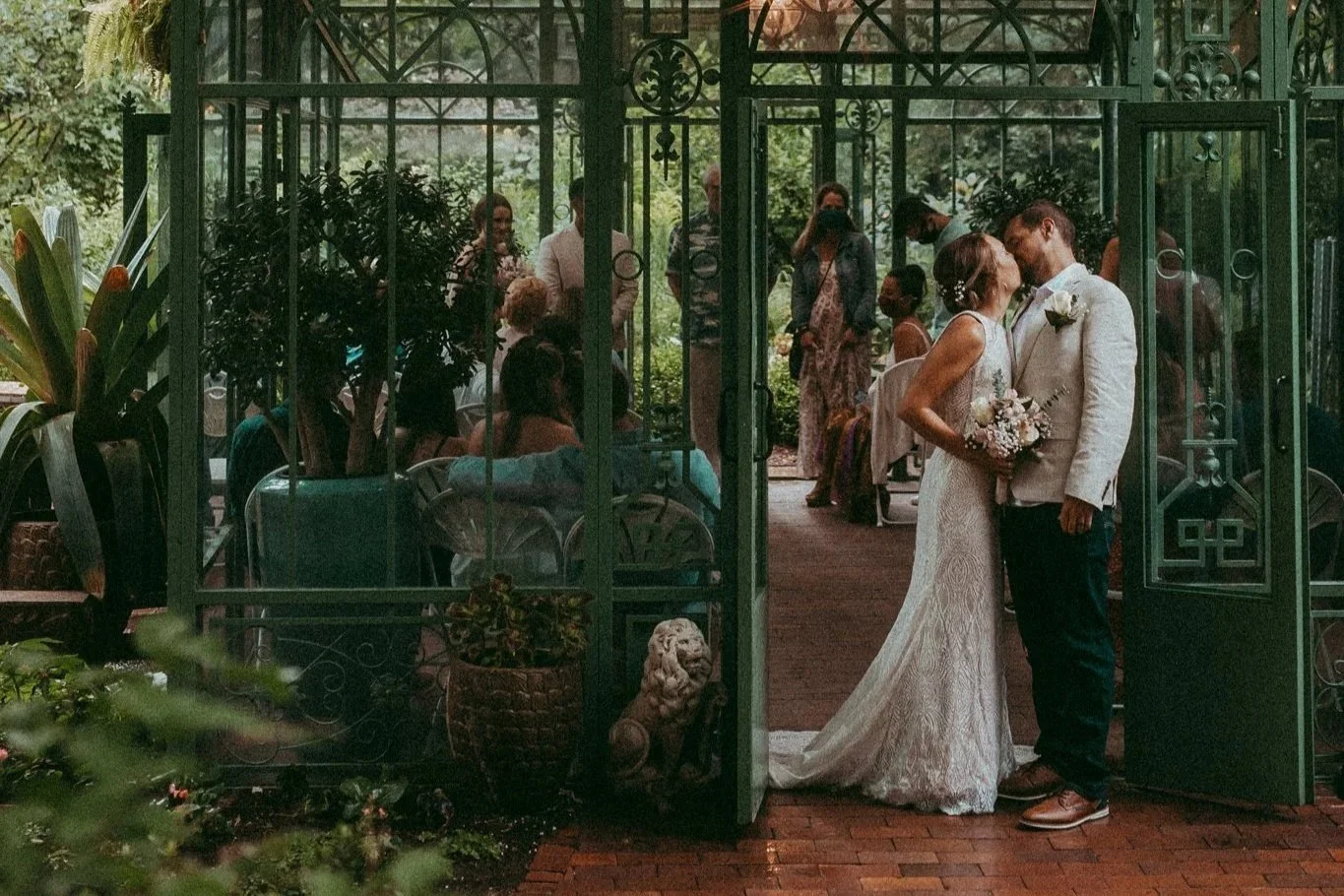
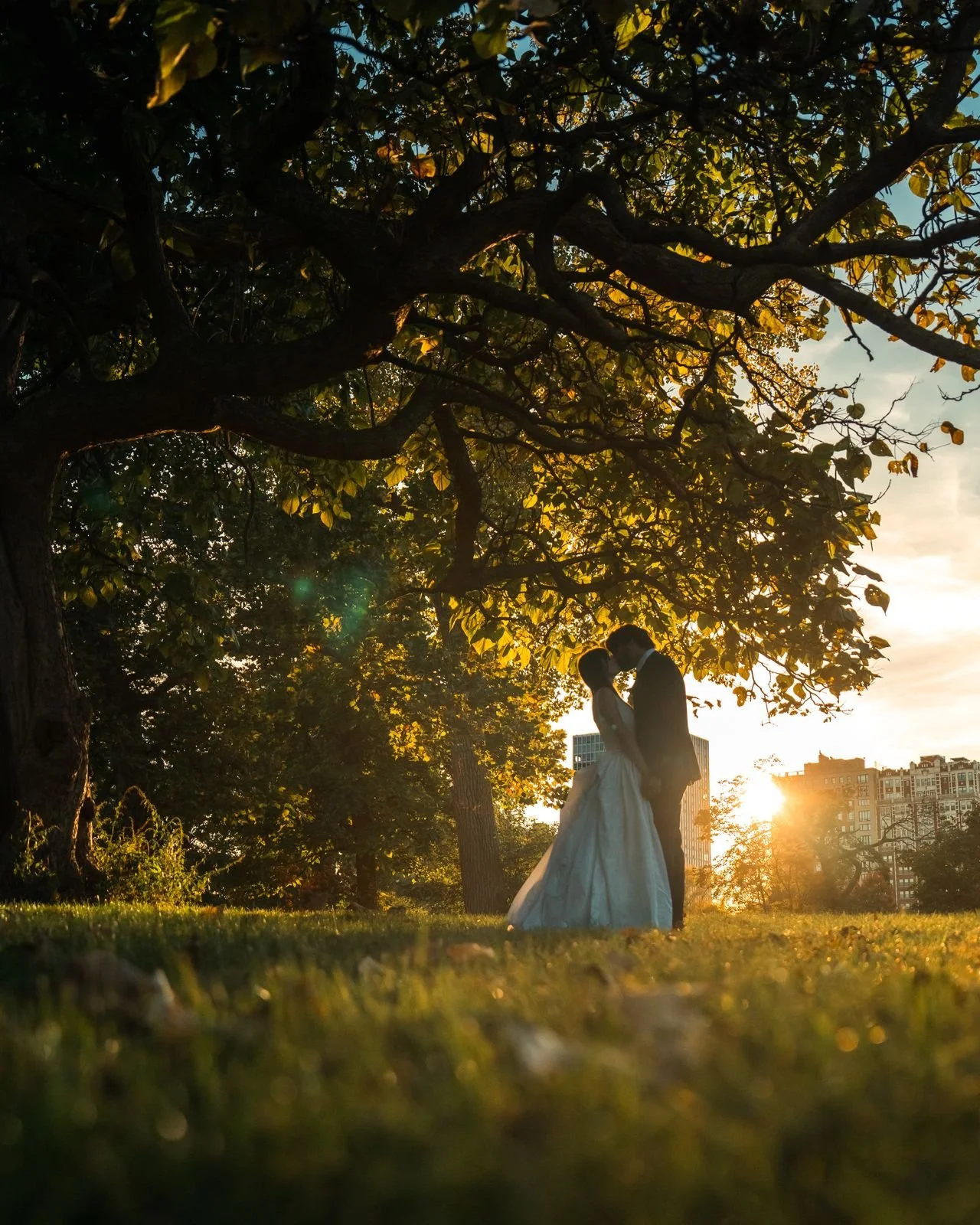
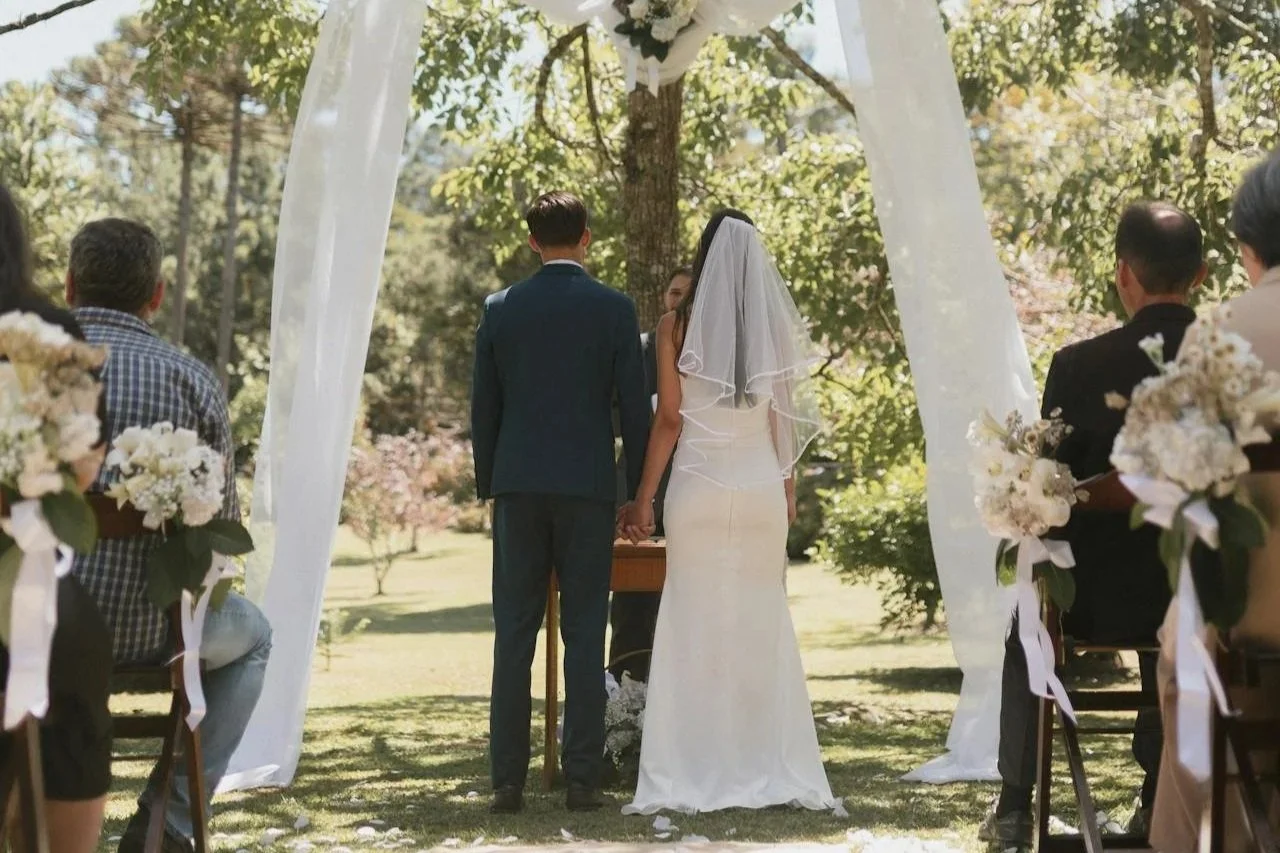
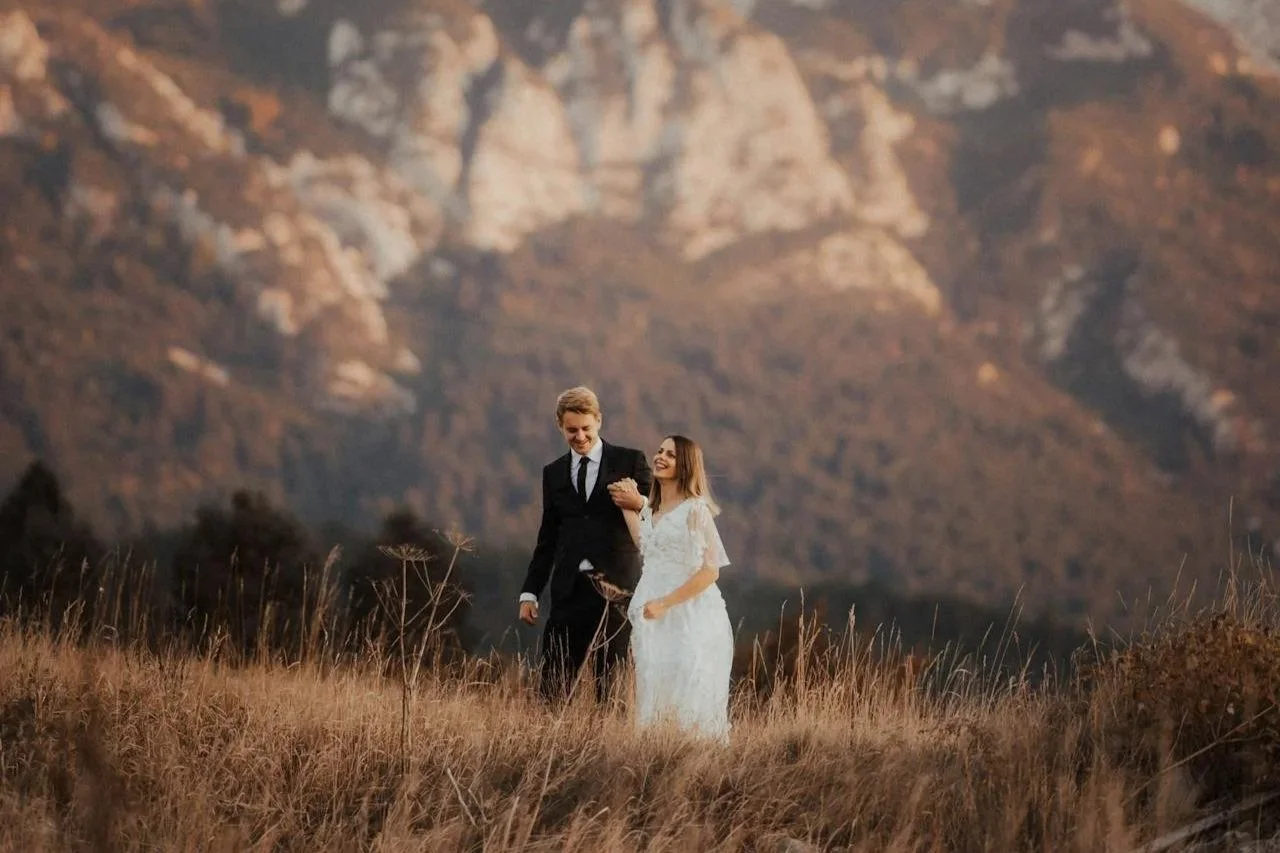
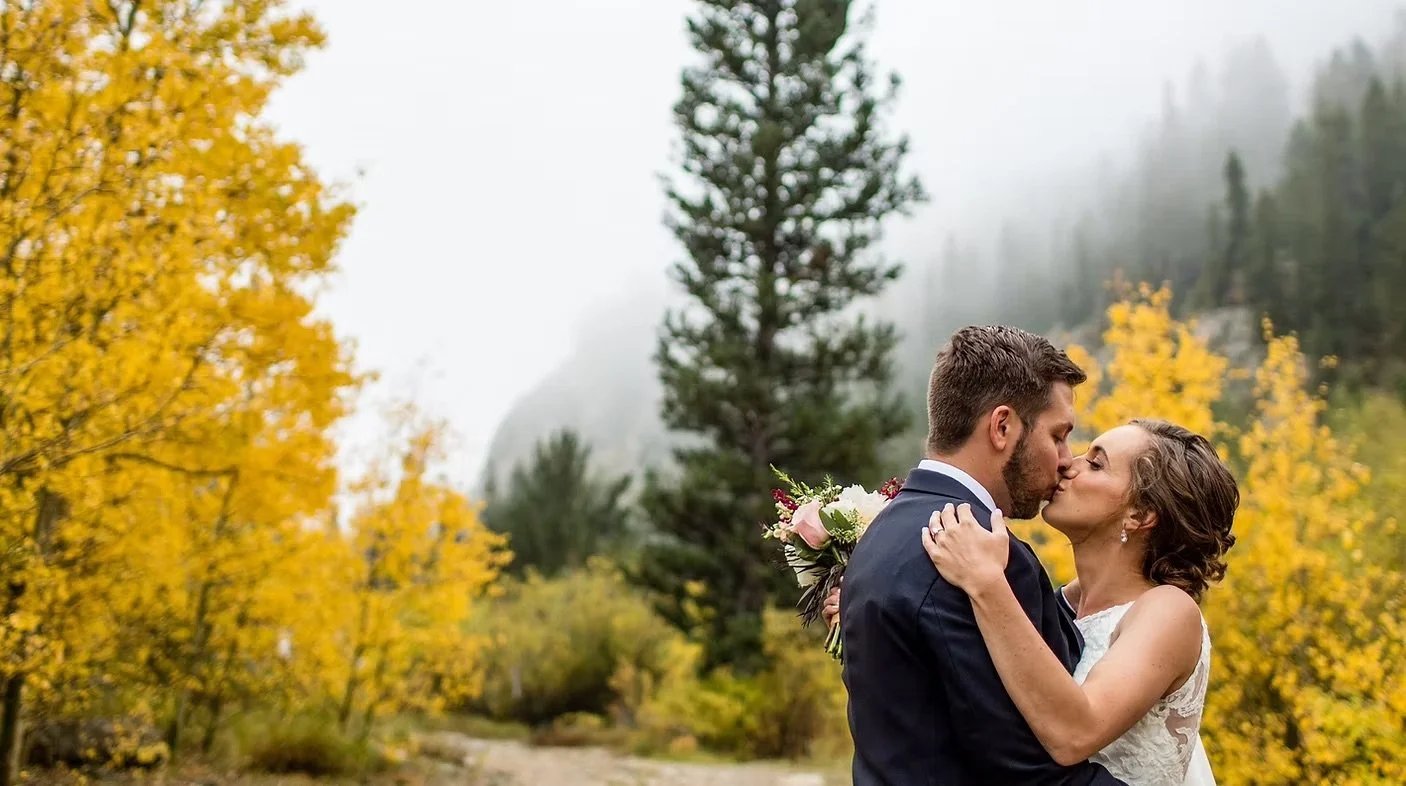
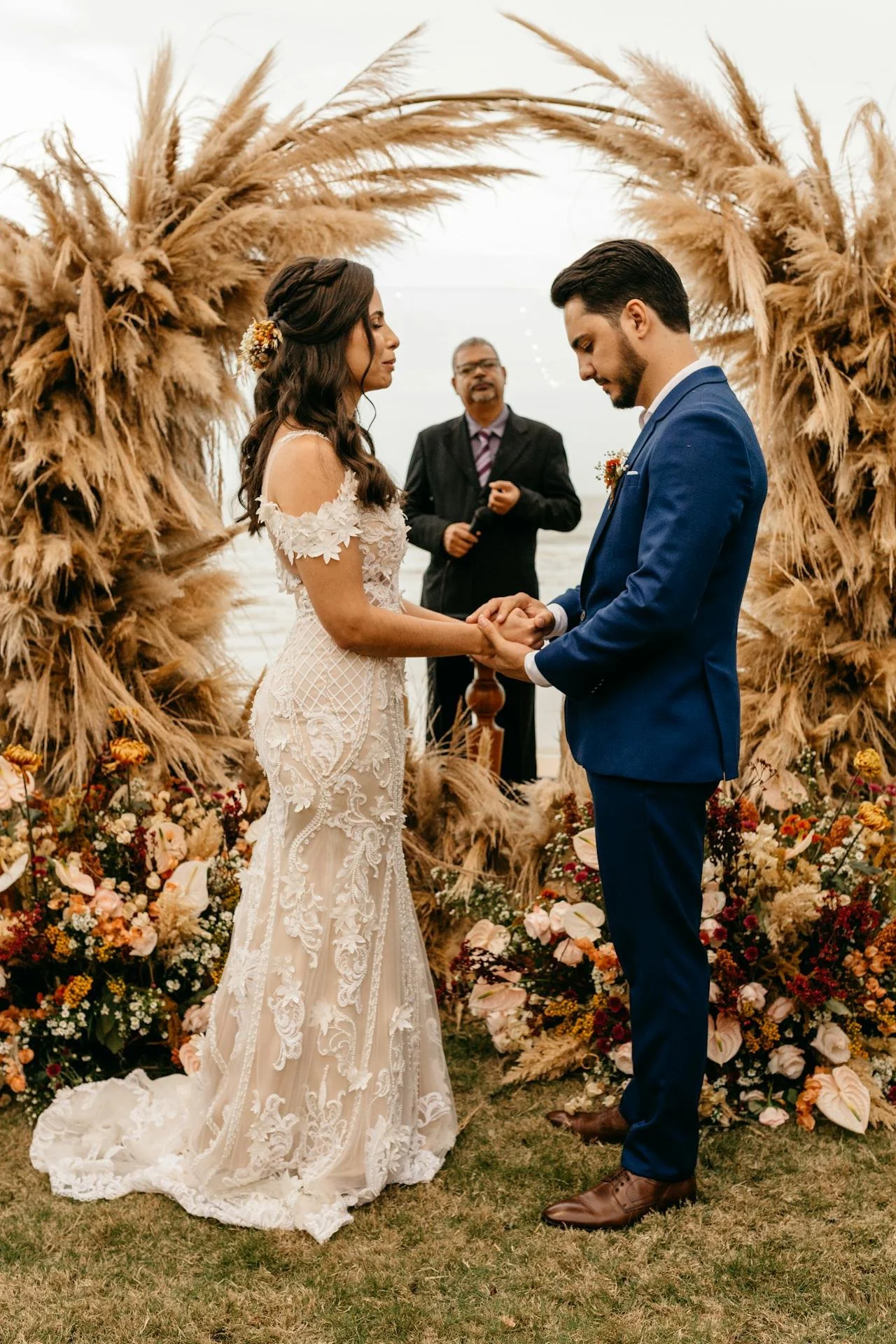
Wedding Planning Colorado / Photo: Filip Rankovic Grobgaard
How to Personalize Your Wedding Ceremony (Without Overthinking It)
One of the most common questions couples ask during the ceremony-planning process is:
“How do we make our wedding ceremony feel personal without making it uncomfortable, cheesy, or too long?”
The good news is that personalization does not require elaborate rituals, inside jokes, or writing a novel-length script. In fact, the most meaningful wedding ceremonies tend to be thoughtfully simple—structured, intentional, and grounded in the couple’s real story.
As a professional wedding officiant, Michael works closely with couples to strike that balance. Below is a breakdown of the most effective ways to personalize a wedding ceremony while keeping it elegant, engaging, and genuinely enjoyable for everyone present.
What “Personalized” Actually Means in a Wedding Ceremony
Personalization is not about reinventing the wedding ceremony format. Instead, it’s about infusing familiar structure with intentional details that reflect who you are as a couple.
A personalized wedding ceremony typically includes:
Language that sounds like you, not a generic template
A tone that matches your relationship (romantic, lighthearted, modern, or traditional)
Select moments of emphasis—rather than constant customization from start to finish
When done well, personalization feels natural and cohesive, not performative.
The Most Effective Ways to Personalize a Wedding Ceremony
1. Thoughtful, Concise Personal Wedding Vows
Personal wedding vows are often the emotional centerpiece of a wedding ceremony—but they don’t need to be long to be meaningful.
Best practices include:
Aiming for 60–90 seconds per person
Focusing on shared values and commitments, not a full relationship recap
Reading wedding vows aloud beforehand to ensure tone and pacing feel right
A good wedding officiant will help ensure both sets of wedding vows complement each other in length and tone.
2. Wedding Ceremony Language That Reflects Your Relationship
Small wording changes can dramatically shift how a wedding ceremony feels. This includes:
How the welcome is framed
How commitment is described
Whether the language is spiritual, secular, or neutral
Rather than writing everything from scratch, couples benefit most from custom-tailored wedding ceremony language within a proven structure.
3. One or Two Meaningful Readings (Not Five)
Readings can add depth—but too many slow the wedding ceremony down.
If you choose to include one or two:
Select a passage that reflects your values or outlook on partnership
Keep it under one minute
Assign it to someone who feels comfortable speaking in front of others
Poetry, modern essays, and short literary excerpts often resonate more than lengthy traditional readings.
4. Symbolic Rituals That Serve a Purpose
Unity rituals can be powerful—but only when they align with your story.
Examples that work well include:
Handfasting with a brief explanation
Wine or coffee rituals for couples who value shared traditions
Cultural or family-specific customs
The key is intentionality, not novelty.
What to Avoid When Personalizing Your Wedding Ceremony
Even well-intentioned personalization can backfire if overdone. Common pitfalls include:
Inside jokes that exclude guests
Overly casual language that undermines the moment
Excessive storytelling that disrupts pacing
Too many speakers or transitions
A polished wedding ceremony feels effortless because the personalization is curated—not layered on indiscriminately.
How Long Should a Personalized Wedding Ceremony Be?
For most weddings, the ideal wedding ceremony length is:
15–25 minutes total
Long enough to feel meaningful
Short enough to maintain guest engagement
Personalization should enhance the wedding ceremony—not extend it unnecessarily.
Why Your Choice of Wedding Officiant Matters
A professional wedding officiant acts as:
A guide through wedding ceremony options
An editor for tone, pacing, and clarity
A neutral voice ensuring balance between both partners
Michael’s goal is not just a personal wedding ceremony—but one that flows well, sounds natural aloud, and feels right in the moment.
About the Author: Michael Moody, Wedding Officiant
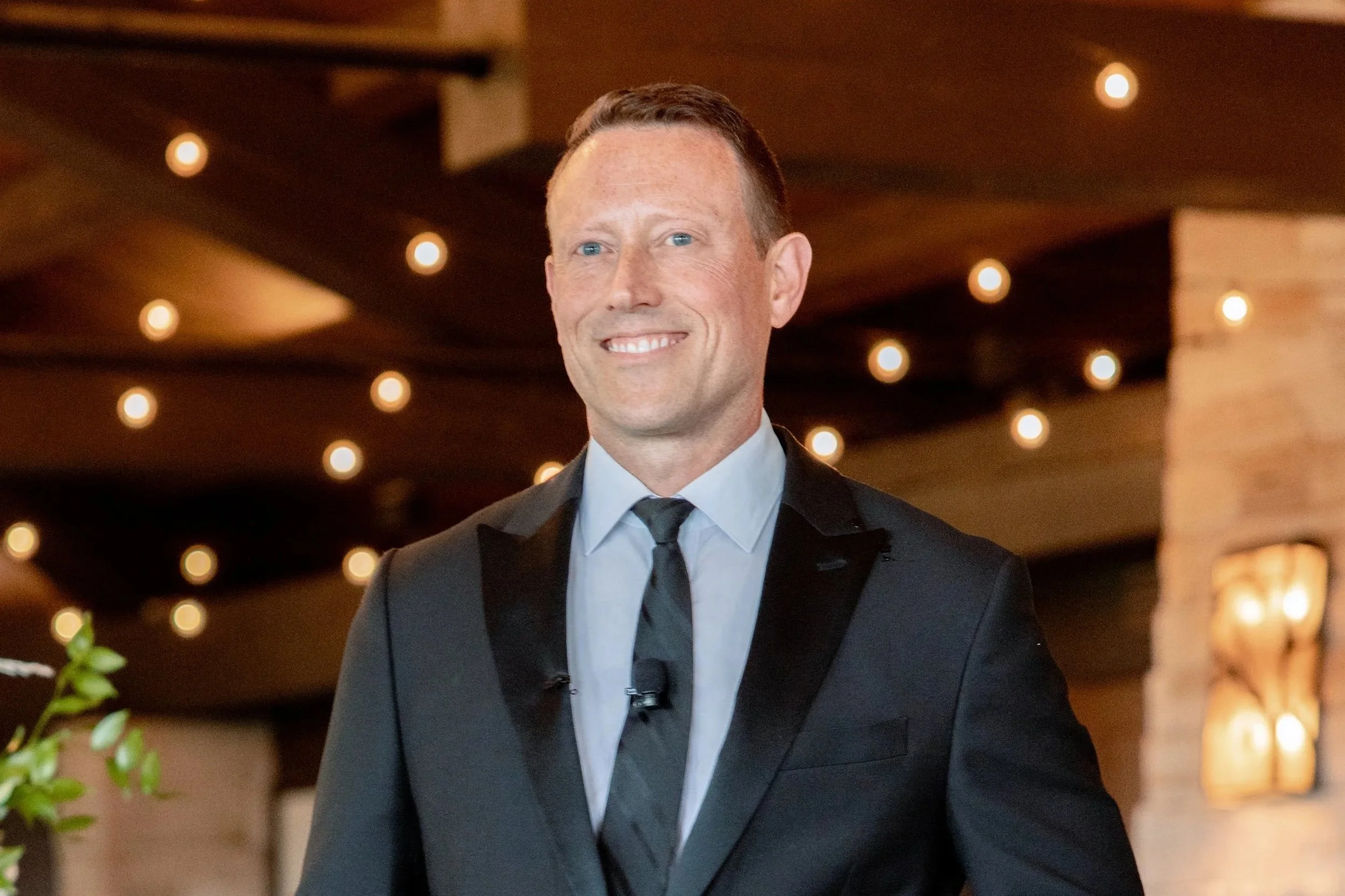
Michael Moody is a Colorado wedding officiant serving Denver, Boulder, Golden, Larkspur, and mountain communities throughout the state. Since 2012, he has officiated more than 300 weddings, bringing a calm presence, thoughtful guidance, and emotionally grounded ceremony writing to couples seeking a meaningful experience. He also offers Colorado elopement ceremonies for couples who want something intimate, intentional, and beyond the boundaries of a traditional wedding day. His work is shaped by a lifelong interest in connection, reflection, and personal growth. Michael is the author of the self-improvement book Redefine Yourself: The Simple Guide to Happiness and host of The Elements of Being podcast. As a wedding officiant, he draws from that same foundation: the belief that our relationships, words, and everyday interactions help shape a life rooted in love, empathy, and purpose. Michael’s ceremony work has been recognized across Colorado. He is a 2023 WeddingWire Couples’ Choice Award winner in Denver, marking his eighth consecutive year receiving the honor. He was also named “Best Business of 2024, 2025, and 2026” by Three Best Rated and earned “The Best Wedding Officiant in Commerce City, Colorado for 2024” from Quality Business Awards USA.
Beyond weddings, Michael and his wife, Sammy, have sponsored an annual student scholarship for more than 10 years. They also founded Civic Growth Alliance, a 501(c)(4) nonprofit dedicated to strengthening communities through civic advocacy, resident engagement, strategic partnerships, public safety initiatives, neighborhood vitality, and community well-being.
Wedding locations: Michael officiates wedding ceremonies in the Denver neighborhoods of LoDo, River North, Washington Park, Cherry Creek, City Park, Central Park, Capitol Hill, Cheesman Park, Park Hill, Lower Highlands, and Sloan Lake. Michael also serves as an ordained minister in Larkspur, Littleton, Golden, Boulder, Breckenridge, Frisco, Aspen, Vail, Estes Park, and more. If your Denver neighborhood or Colorado town isn’t listed here, no worries! Please contact Michael to propose a wedding ceremony location in a different area!