Summary
Learn how to get married in Colorado in 2026 with this complete marriage license guide. Find Colorado marriage license rules, self-solemnization steps, fees, deadlines, and tips for Denver, Golden, and Boulder wedding ceremonies.
Frequently Asked Questions (FAQ)
1. Can you get married in Colorado without a wedding officiant?
Yes. Colorado allows couples to self-solemnize, which means they can legally marry themselves without an officiant.
2. Do you need witnesses to get married in Colorado?
No. Witnesses are not required under Colorado’s marriage process.
3. How much does a marriage license cost in Colorado?
Most Colorado counties list the marriage license fee as $30.
4. How long is a Colorado marriage license valid?
A Colorado marriage license must be used within 35 days of issue.
5. Is there a waiting period to get married in Colorado?
No. Colorado does not require a waiting period, so the license may be used immediately.
6. Can out-of-state couples get married in Colorado?
Yes. You do not have to be a Colorado resident to obtain a marriage license and marry in the state, though county application processes vary.
7. Do you have to apply in the same county where you get married?
No. A Colorado marriage license can be used anywhere in the state.
8. What happens after the wedding ceremony?
The completed license/certificate must be returned to the issuing county clerk for recording, generally within 63 days after solemnization.
Key Topics
how to get married in Colorado
Colorado marriage license
Colorado Marriage License Guide 2026
how to get a marriage license in Colorado
Colorado self solemnization
Colorado self solemnize marriage
Colorado elopement marriage license
Colorado marriage laws 2026
Colorado wedding license requirements
Denver marriage license
Boulder marriage license
Golden Colorado wedding officiant
Denver wedding officiant
Boulder wedding officiant
Colorado wedding officiant

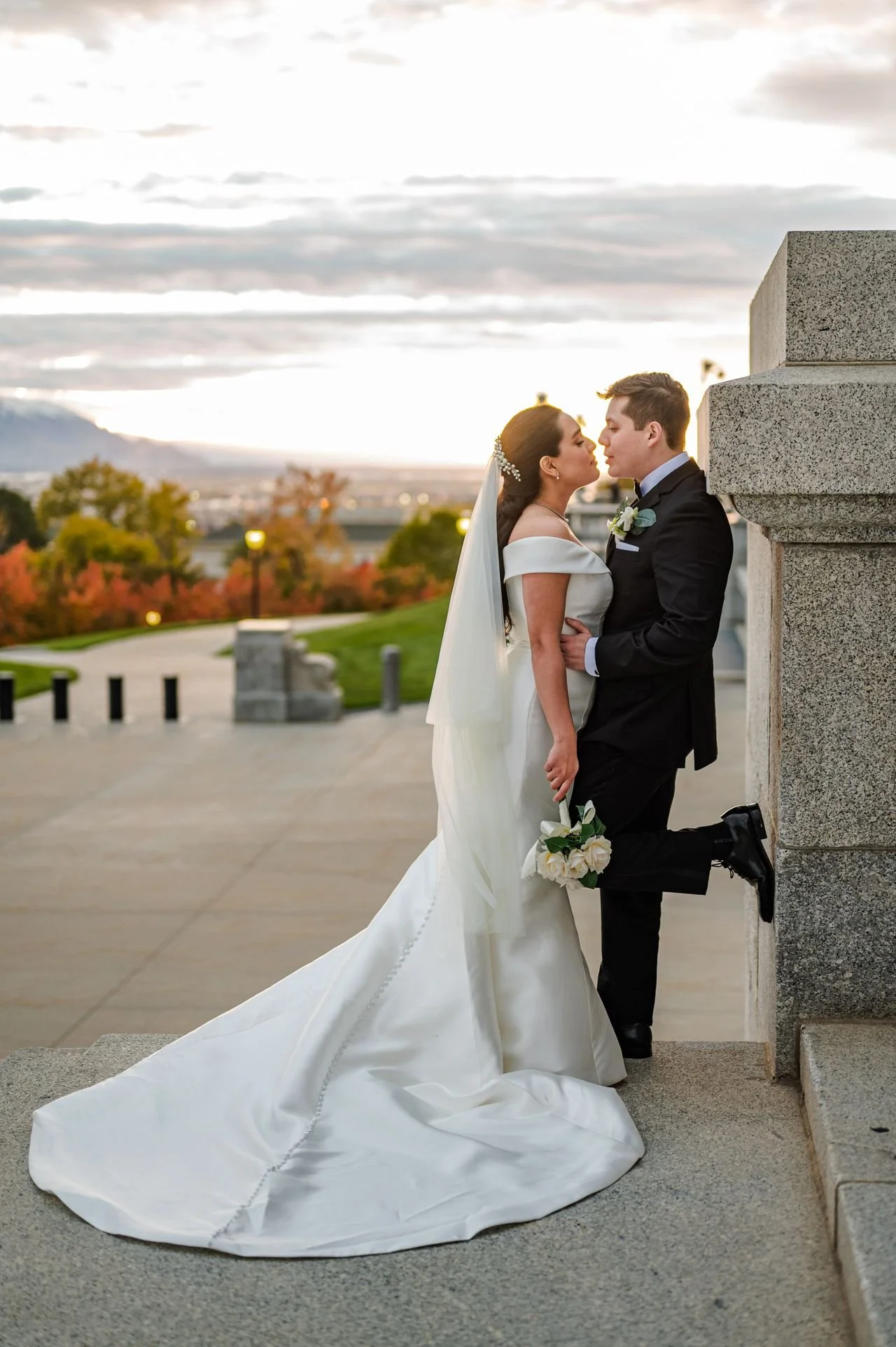
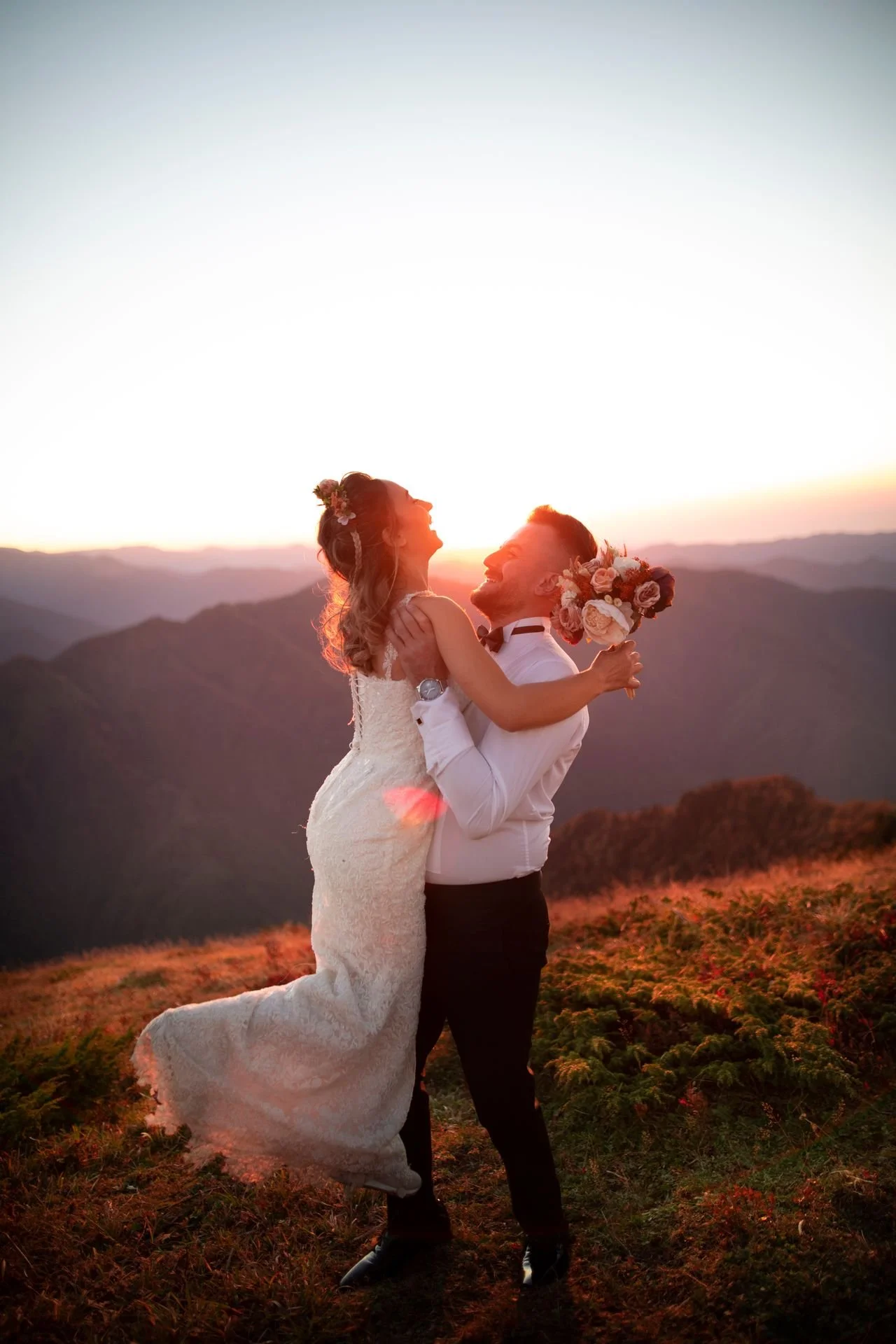
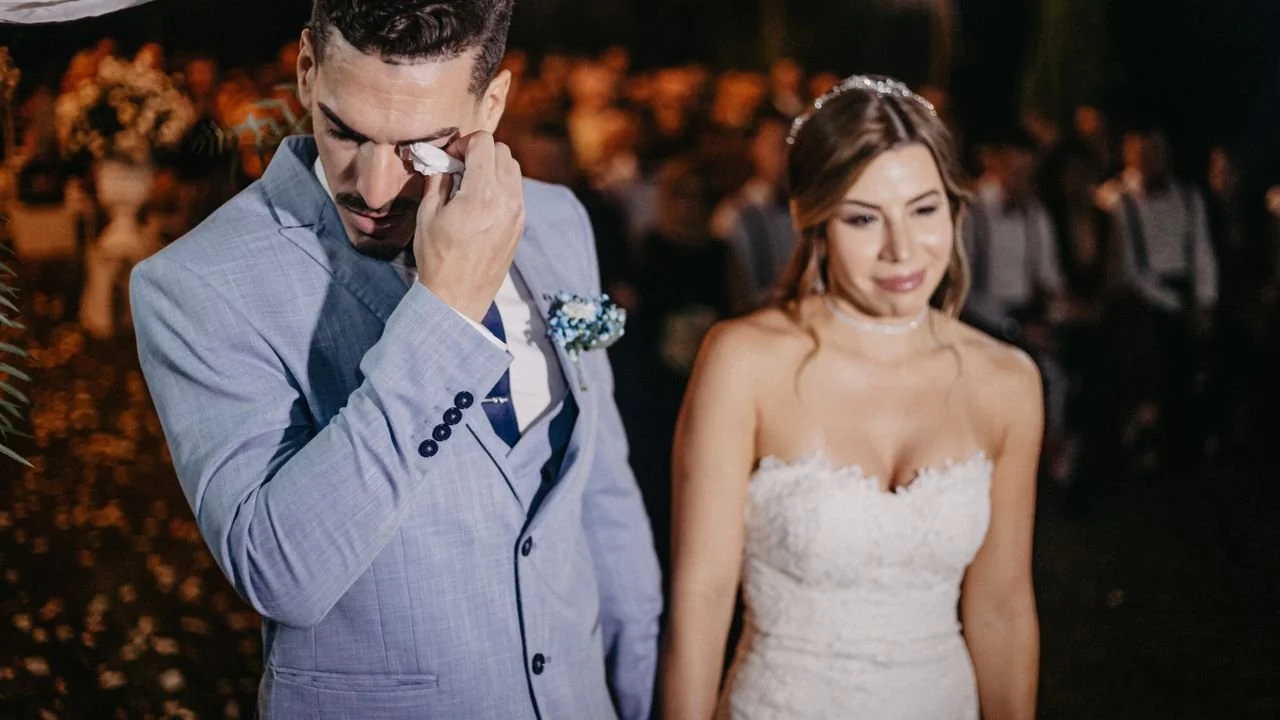
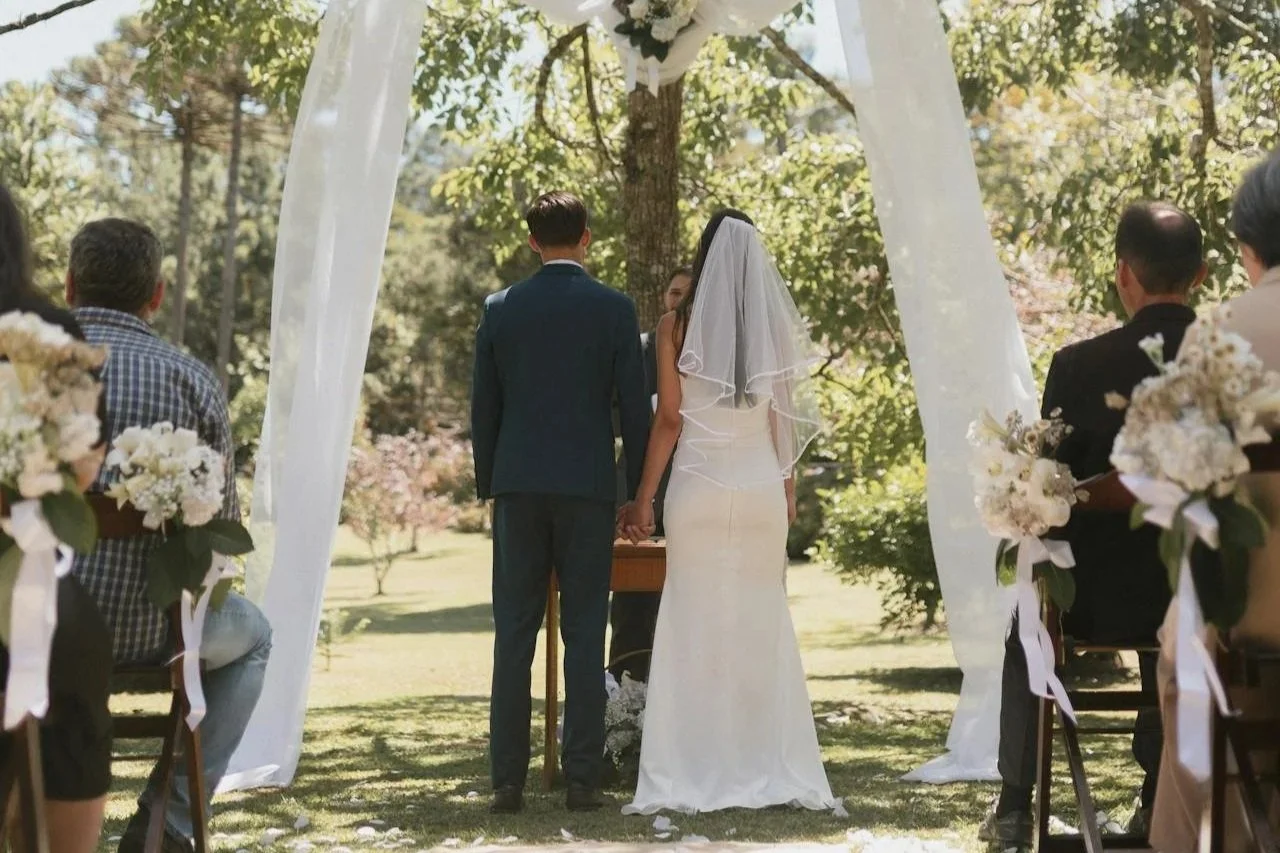
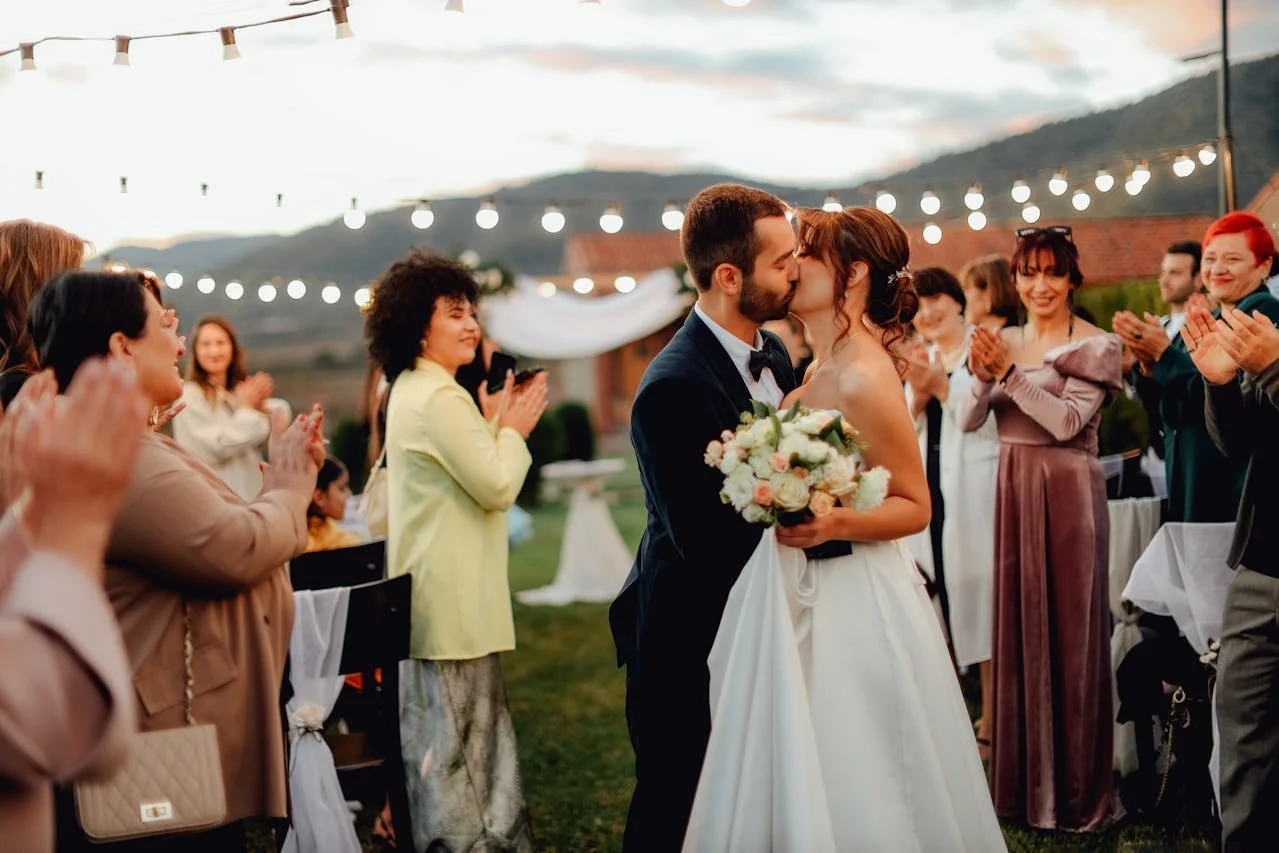
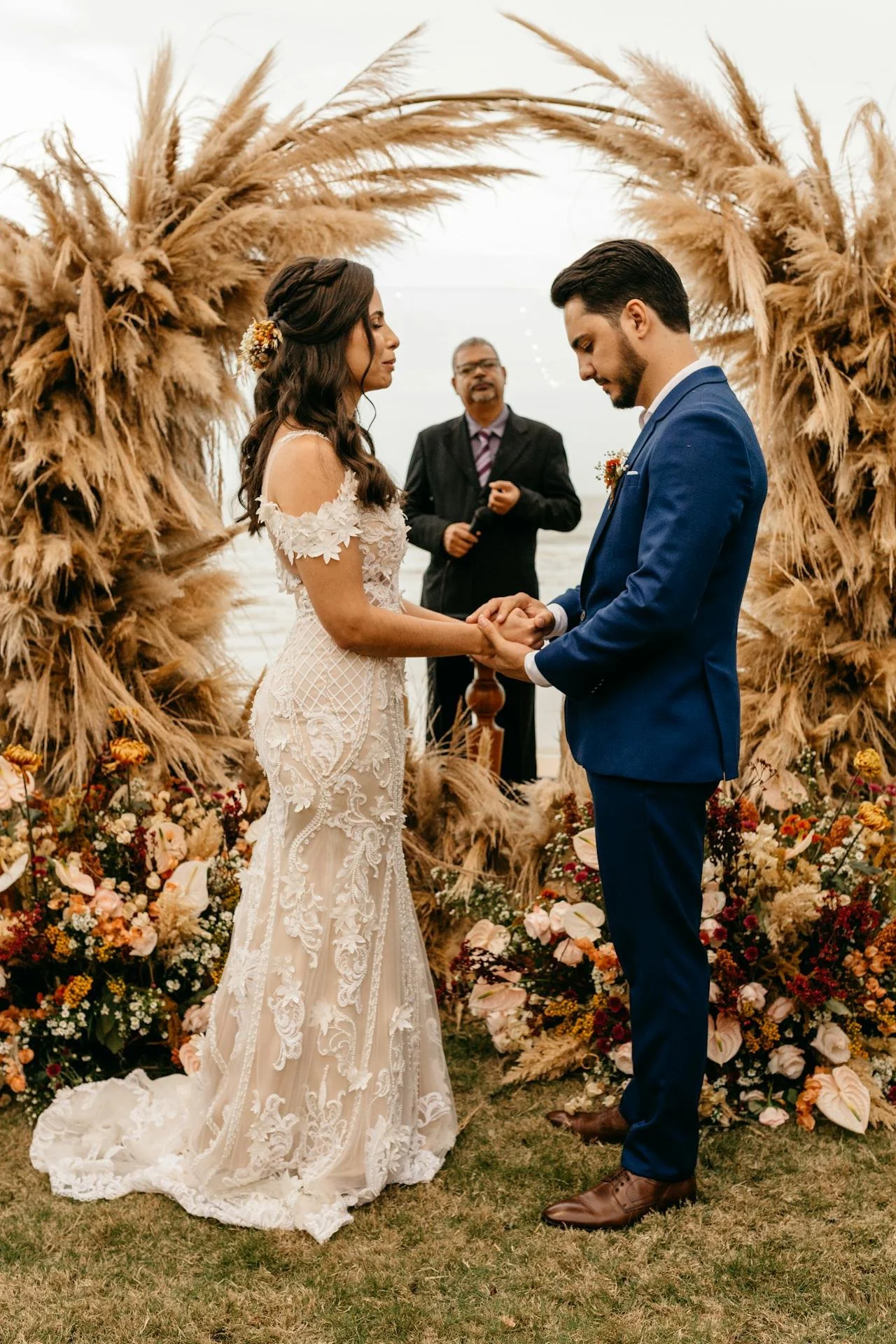
How to Get Married in Colorado / Photo: Alexander Mass
How to Get Married in Colorado: Marriage License Guide for 2026
Colorado remains one of the most straightforward places in the United States to get legally married, which is one reason it continues to be so popular for weddings, micro weddings, and elopements. In 2026, couples can still benefit from Colorado’s unusually flexible rules: there is no waiting period, the license can be used immediately, witnesses are not required, and couples can legally self-solemnize their own marriage. Official county guidance also confirms that applicants do not need to be Colorado residents to marry here.
That flexibility matters whether you are planning a full wedding weekend in the city, a quiet legal ceremony, or a mountain elopement. It also means couples can focus less on red tape and more on creating a meaningful ceremony. If you are still deciding where your celebration should happen, you can explore options with these internal pages for Denver wedding officiant services, Golden wedding officiant services, and Boulder wedding officiant services.
Table of Contents
Why Colorado is one of the easiest states to get married in
Who can legally marry in Colorado
What you need to get a Colorado marriage license
Where to apply for a marriage license in Colorado
How much a Colorado marriage license costs
How long the license is valid
Can you self-solemnize in Colorado?
Do you need witnesses or an officiant?
What happens after the ceremony
Common mistakes couples make
Colorado marriage license tips for out-of-state couples
Planning your ceremony in Denver, Golden, or Boulder
Final checklist for 2026 couples
Why Colorado is one of the easiest states to get married in
Colorado stands out because the state gives couples more autonomy than many other places. Under Colorado law, a marriage may be solemnized by a judge, certain public officials, religious representatives, or by the parties themselves. In practice, that means self-solemnization is legal. Couples can marry themselves without hiring an officiant and without bringing witnesses.
For many couples, that makes Colorado especially appealing for:
destination weddings
private elopements
same-day legal ceremonies
intimate ceremonies in the mountains
low-stress celebrations with minimal paperwork
Recent wedding-industry guidance has continued to emphasize the difference between a marriage license and a marriage certificate, and that distinction matters here too. The license is the document that allows you to marry; the completed and recorded certificate is what proves the marriage happened. Brides highlighted this distinction in 2025, which is helpful because couples often use the terms interchangeably and then get confused about what they need before versus after the wedding.
Who can legally marry in Colorado
Most adult couples can legally marry in Colorado, provided the marriage is not otherwise prohibited by law. Colorado law prohibits marriages involving close blood relatives such as ancestors and descendants, siblings, and certain aunt/uncle-niece/nephew relationships. The state also prohibits entering into a new marriage before a prior marriage or civil union has been legally dissolved.
Age rules are important in 2026 because Colorado lawmakers have continued to scrutinize and tighten marriage-age exceptions. County guidance still reflects that 18 is the standard legal age, while younger applicants may be subject to court-order requirements depending on the governing statute and timing of implementation. Because this area is actively changing, couples under 18 should verify the current rule directly with the county clerk before making plans.
Quick summary list:
Apply in any Colorado county
Bring valid identification
Pay the marriage license fee
Get married within 35 days
Return the completed license within 63 days
Self-solemnization is allowed in Colorado
What you need to get a Colorado marriage license
In most cases, couples should expect to provide valid identification, basic personal information, and payment. County clerk offices commonly ask for information such as names, addresses, birthplaces, parents’ names, and details of any prior divorce. Jefferson County, for example, states that Social Security numbers are required on the application, and if an applicant does not have one, an affidavit may be used.
A practical rule for 2026: check the exact county process before you go. Even though state law is broad, county workflows vary. Some offices are appointment-only; some offer online or remote appointments; some mail licenses; and some have pickup requirements for out-of-state couples. Denver and Boulder both have process details that can affect your timeline.
Zola’s Colorado marriage-license guide, updated in 2024, also reinforces a useful planning point: both partners generally need to be present, bring valid identification, and be prepared to pay the fee at the time of application.
Where to apply for a marriage license in Colorado
You may apply for a marriage license through a Colorado county clerk and recorder. The license is valid statewide, which means you do not have to marry in the same county where you obtained it. Weld County explicitly notes that a marriage or civil union license can be used anywhere in Colorado.
That statewide flexibility is extremely useful. A couple might apply in Denver because it fits their travel schedule, then use the license for a ceremony in Boulder, Golden, Rocky Mountain National Park, or another Colorado destination. For out-of-state couples flying in, this can significantly simplify logistics. Official Denver guidance also states that applicants do not need to be Colorado residents.
A few examples of 2026 county processes:
Denver: In-person services are appointment-only, and appointments can be booked up to 7 days in advance. Denver also offers online appointments, but warns that if your ceremony is within two weeks, an in-person appointment is safer because mailed licenses may not arrive in time.
Boulder County: Boulder uses a remote process for obtaining a marriage license. Both parties must be together, in Colorado, and on video for the application. Boulder also notes that it cannot mail an issued license outside Colorado, and same-day pickup is required for out-of-state applicants in certain cases.
These county-level details are exactly why couples should not assume that “Colorado is easy” means “every clerk’s office works the same way.”
How much a Colorado marriage license costs
Colorado marriage licenses are widely listed by counties at $30. Recent county guidance from multiple Colorado offices reflects this amount, and Zola’s 2024 guide says the same.
The smarter move is to also confirm accepted payment methods before your appointment. Denver accepts cash, check, or credit card for appointments. Some counties are more limited. San Miguel County, for example, states that the license fee is $30 and notes specific payment-method constraints.
How long is the Colorado marriage license valid?
Colorado does not have a waiting period, so the license may be used immediately after issuance. But it is not open-ended. Official guidance from Denver states that the certificate must be signed in Colorado within 35 days from the date the license was issued, and the completed marriage certificate and attached license must be returned for recording within 63 days after solemnization.
This is one of the most important legal deadlines to understand:
no waiting period
valid immediately
must be used within 35 days
return the completed paperwork within 63 days after the ceremony
If you are planning a destination wedding, do not apply too early. A good rule is to choose a license appointment that gives you enough buffer for travel issues, but not so much time that you risk running past the 35-day validity period.
Can you self-solemnize in Colorado?
Yes. Colorado is one of the few states where couples may legally self-solemnize, meaning they can solemnize their own marriage without an officiant. Colorado’s statute expressly allows the parties to solemnize the marriage themselves.
This is one of the most searched and most misunderstood Colorado wedding questions. Self-solemnization does not mean “skip the paperwork.” It means you still obtain the legal license, hold your ceremony in Colorado, and complete the certificate properly, but you do not need a third-party officiant to make the marriage legal.
That said, many couples still choose a professional officiant even when they could self-solemnize. The reason is rarely legal. It is usually experiential. A skilled officiant helps the ceremony feel intentional, calm, personal, and memorable. For couples who want that structure and presence, these pages are the natural internal links to include: Denver wedding officiant services, Golden wedding officiant services, and Boulder wedding officiant services.
Do you need witnesses or an officiant?
No witnesses are required in Colorado. Official county guidance and secondary wedding-law summaries both confirm that witnesses are not needed. Colorado also allows self-solemnization, so an officiant is not legally required either.
Still, “not required” and “not helpful” are not the same thing. Couples often want:
a professional to guide the ceremony flow
help with custom vows or readings
someone experienced with timing and guest management
a grounding presence during a high-emotion moment
That is especially true for larger gatherings, destination weddings, or ceremonies in public or outdoor spaces where coordinating timing, weather, and logistics matters.
What happens after the ceremony?
After the ceremony, the marriage certificate portion of the license must be completed correctly and returned to the issuing clerk for recording. This is where many couples get tripped up. They assume the marriage is complete once the ceremony ends, and then forget about the return deadline. Denver clearly states that the completed marriage certificate and attached license must be returned within 63 days of solemnization, and that late fees apply thereafter.
This is also where the distinction Brides discussed becomes useful: the license is the pre-wedding legal authorization, while the recorded certificate is the proof you will later use for name changes and legal records.
Common mistakes couples make
The most common Colorado marriage-license mistakes are avoidable:
1. Applying too early.
The 35-day validity window is generous, but not unlimited. Do not get the license months ahead.
2. Assuming all counties use the same process.
Denver’s appointment and mailing guidance differ from Boulder’s remote workflow.
3. Forgetting that online appointments can affect timing.
If your ceremony is close, Denver specifically recommends in-person rather than online because of mailing delays.
4. Confusing the license with the certificate.
This can delay name-change or administrative steps later.
5. Not checking permit or site rules for the ceremony location.
The marriage license makes the marriage legal, but parks, open spaces, venues, and mountain locations may still require permits or have guest restrictions. Your legal paperwork and your ceremony logistics are not the same thing. This is especially relevant for Boulder, Golden, and Front Range elopement areas covered elsewhere on your site.
Colorado marriage license tips for out-of-state couples
Colorado is very welcoming to destination couples, but a little planning can prevent stress.
First, verify the county process before you travel. Denver says applicants need not be Colorado residents, while Boulder requires both parties to be in Colorado for the remote application process and notes special pickup requirements for out-of-state applicants.
Second, do not schedule your legal appointment at the last possible minute. Recent wedding-industry guidance continues to recommend building margin into all legal paperwork tasks, and Colorado county processes support that advice. If you are using Denver’s online process and your ceremony is less than two weeks away, Denver itself advises booking an in-person appointment instead.
Third, remember that the ceremony itself must occur in Colorado if you are using a Colorado marriage license. County guidance consistently states that the license is for marriages performed within the state.
Planning your ceremony in Denver, Golden, or Boulder
Once the legal side is handled, the next question is usually where and how to hold the ceremony.
Denver works well for couples who want urban convenience, easier lodging, restaurants, transportation, and a straightforward courthouse or city-centered celebration. If your guests are flying in, Denver is often the simplest home base. See the internal page for Denver wedding officiant services.
Golden is ideal for couples who want a scenic foothills feel without going too far from the city. It is a strong option for intimate weddings, outdoor celebrations, and couples who want mountain-adjacent views with accessible logistics. See Golden wedding officiant services.
Boulder appeals to couples who want a polished-meets-natural setting, often with iconic Flatirons views, trail access, and elegant small-event potential. See Boulder wedding officiant services.
Final checklist for 2026 couples
Before your wedding day, make sure you have done all of the following:
chosen a Colorado county clerk process that fits your timeline
confirmed appointment requirements
gathered valid identification and required information
confirmed the marriage-license fee and payment method
applied close enough to the ceremony date to stay inside the 35-day window
decided whether you will self-solemnize or work with an officiant
checked venue or permit rules for your ceremony location
made a plan to return the completed license within 63 days after the ceremony
Colorado makes the legal side of marriage unusually accessible. The real key for 2026 is not complexity. It is precision. Follow the county process carefully, meet the deadlines, and give yourselves enough margin so the paperwork supports the day rather than distracting from it.
Related Articles
Preparing for Your Wedding Ceremony in Colorado: A Couple’s Guide
Boulder Fall Wedding Guide: Venues, Permits, License, and Tips
Spring Wedding Guide for Golden, Colorado: Venues, Permits, and Tips
Colorado Front Range Elopement Guide: Hiking-In Wedding Ceremonies and Logistics
Colorado Elopement Hikes Near Denver: North Table Mountain West Loop (Golden)
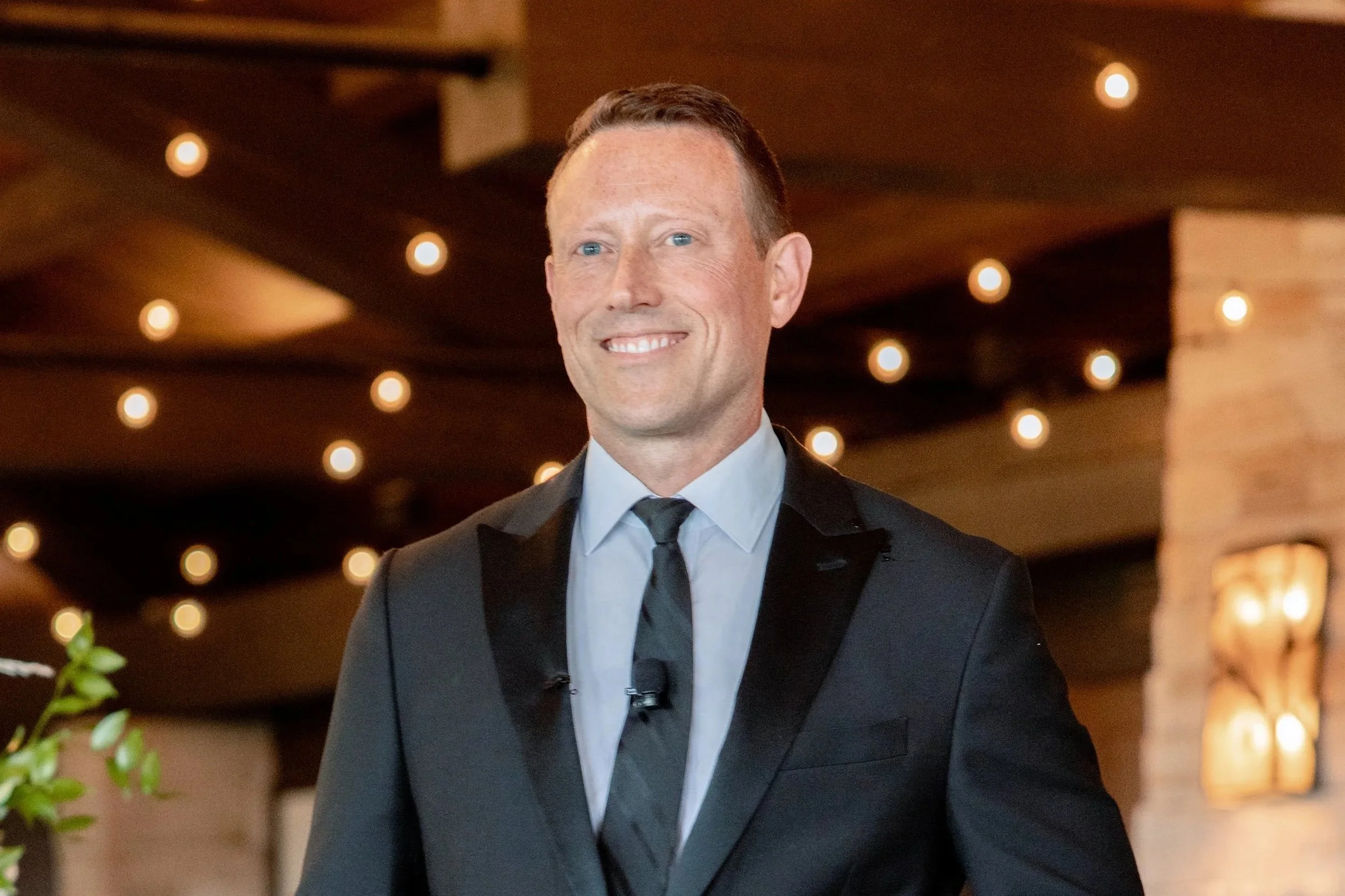
About the Author: Michael Moody, Wedding Officiant
Michael Moody is a Colorado wedding officiant serving Denver, Boulder, Golden, Larkspur, and mountain communities throughout the state. Since 2012, he has officiated more than 300 weddings, bringing a calm presence, thoughtful guidance, and emotionally grounded ceremony writing to couples seeking a meaningful experience. He also offers Colorado elopement ceremonies for couples who want something intimate, intentional, and beyond the boundaries of a traditional wedding day. His work is shaped by a lifelong interest in connection, reflection, and personal growth. Michael is the author of the self-improvement book Redefine Yourself: The Simple Guide to Happiness and host of The Elements of Being podcast. As a wedding officiant, he draws from that same foundation: the belief that our relationships, words, and everyday interactions help shape a life rooted in love, empathy, and purpose. Michael’s ceremony work has been recognized across Colorado. He is a 2023 WeddingWire Couples’ Choice Award winner in Denver, marking his eighth consecutive year receiving the honor. He was also named “Best Business of 2024, 2025, and 2026” by Three Best Rated and earned “The Best Wedding Officiant in Commerce City, Colorado for 2024” from Quality Business Awards USA.
Beyond weddings, Michael and his wife, Sammy, have sponsored an annual student scholarship for more than 10 years. They also founded Civic Growth Alliance, a 501(c)(4) nonprofit dedicated to strengthening communities through civic advocacy, resident engagement, strategic partnerships, public safety initiatives, neighborhood vitality, and community well-being.
Wedding locations: Michael officiates wedding ceremonies in the Denver neighborhoods of LoDo, River North, Washington Park, Cherry Creek, City Park, Central Park, Capitol Hill, Cheesman Park, Park Hill, Lower Highlands, and Sloan Lake. Michael also serves as an ordained minister in Larkspur, Littleton, Golden, Boulder, Breckenridge, Frisco, Aspen, Vail, Estes Park, and more. If your Denver neighborhood or Colorado town isn’t listed here, no worries! Please contact Michael to propose a wedding ceremony location in a different area!
Wedding Planning Tips




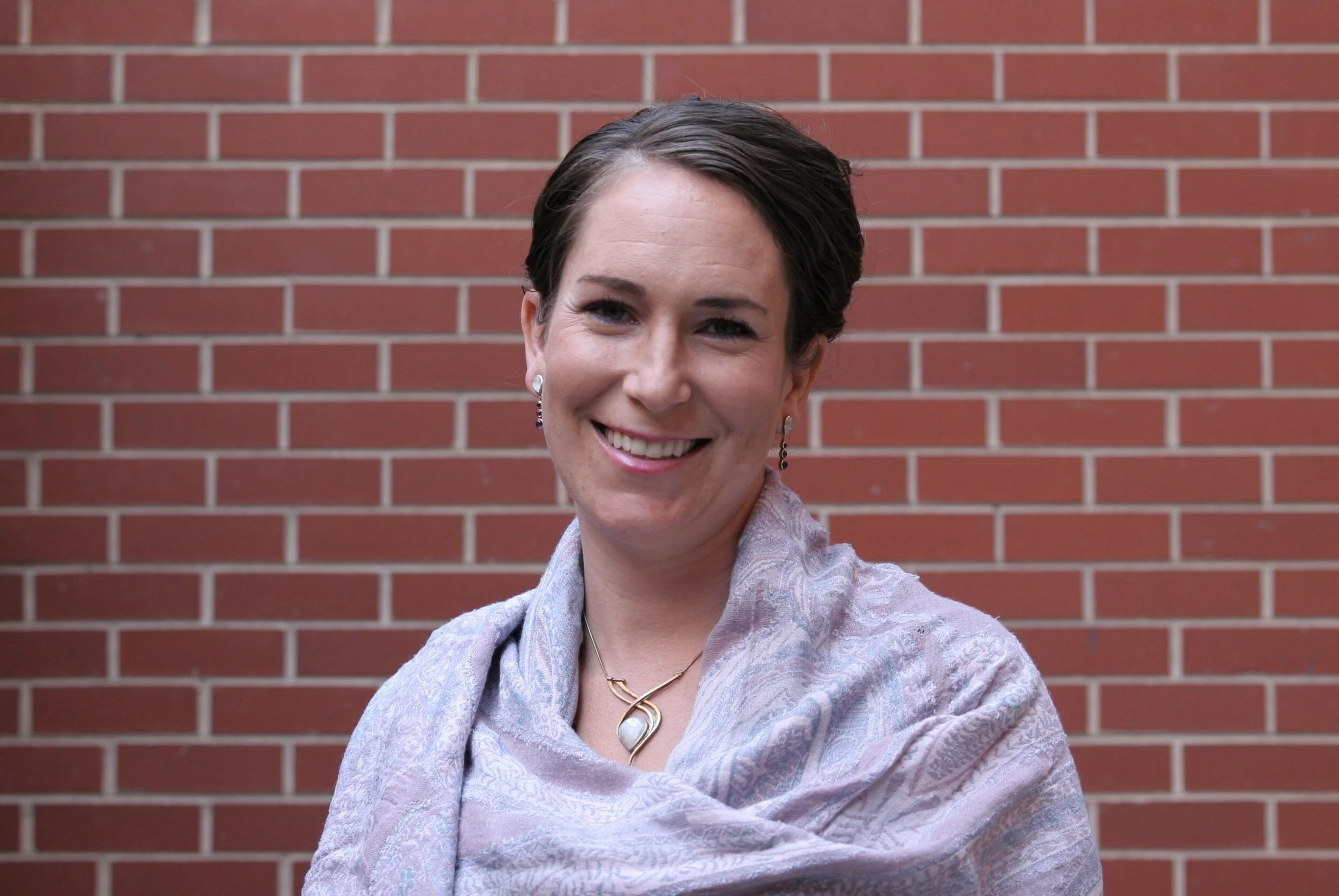
Michael Moody serves couples across Colorado, including those in Denver, and understands both the legal and practical aspects of planning a ceremony here. With Denver as a central hub for county access, guest travel, restaurants, hotels, and nearby mountain wedding routes, couples can handle license logistics efficiently while still creating a personalized ceremony experience in the city, foothills, or Front Range.