An Action Plan to Overcome Wedding Ceremony Fears | Colorado Wedding Officiant
Summary
Nervous about vows, tears, family pressure, weather, or ceremony mistakes? This Colorado wedding officiant guide offers a calm action plan to overcome common wedding ceremony fears and feel prepared for your Denver, Boulder, Golden, or Colorado elopement ceremony.
What are the most common wedding ceremony fears?
The most common wedding ceremony fears include crying during vows, sounding awkward, forgetting words, family tension, bad weather, and the ceremony feeling too impersonal. Couples can reduce anxiety by rehearsing key cues, writing vows early, choosing an experienced officiant, preparing backup plans, and keeping the ceremony emotionally honest.
Frequently Asked Questions (FAQ)
How do I stop being nervous before my wedding ceremony?
You may not completely eliminate feeling nervous, but you can reduce panic by rehearsing the ceremony cues, writing vows early, practicing aloud, confirming the run-of-show, and choosing an officiant who can calmly guide the room.What should I do if I cry during my wedding vows?
Pause, breathe, look at your partner, and continue when ready. Tears are not a ceremonial mistake. Printed vow cards, a supportive officiant, and permission to pause can make the moment feel grounded instead of overwhelming.How early should I write my wedding vows?
Begin drafting vows at least one month before the wedding. Finalize them about one week out, then stop revising unless a detail is wrong. Practice aloud so the vows sound natural when spoken.Is a wedding ceremony rehearsal necessary?
A rehearsal is especially helpful for weddings with a wedding party, family processional, readings, live music, uneven outdoor terrain, or multiple cues. It removes confusion so the ceremony can feel more relaxed.How can a wedding officiant help with ceremony anxiety?
A skilled officiant clarifies the ceremony structure, manages pacing, supports vow delivery, coordinates cues with vendors, handles small disruptions, and creates a tone that helps the couple feel less exposed.What is the best way to personalize a wedding ceremony without making it too long?
Use a few precise details: how the couple met or grew together, what they admire in each other, and what kind of marriage they are choosing. Specificity is stronger than length.What should couples plan for during an outdoor Colorado ceremony?
Couples should prepare for wind, sun, altitude, changing weather, trail conditions, sound needs, guest footwear, parking, permits, and a backup plan for unsafe conditions.
Key Topics
wedding ceremony fears, wedding ceremony anxiety, wedding ceremony nerves, wedding vows anxiety, wedding ceremony planning tips, Colorado wedding officiant, Denver wedding officiant
how to calm wedding day nerves, fear of crying during wedding vows, wedding ceremony rehearsal tips, how to write wedding vows, outdoor wedding ceremony planning Colorado, Boulder wedding officiant, Golden wedding officiant, Colorado elopement officiant
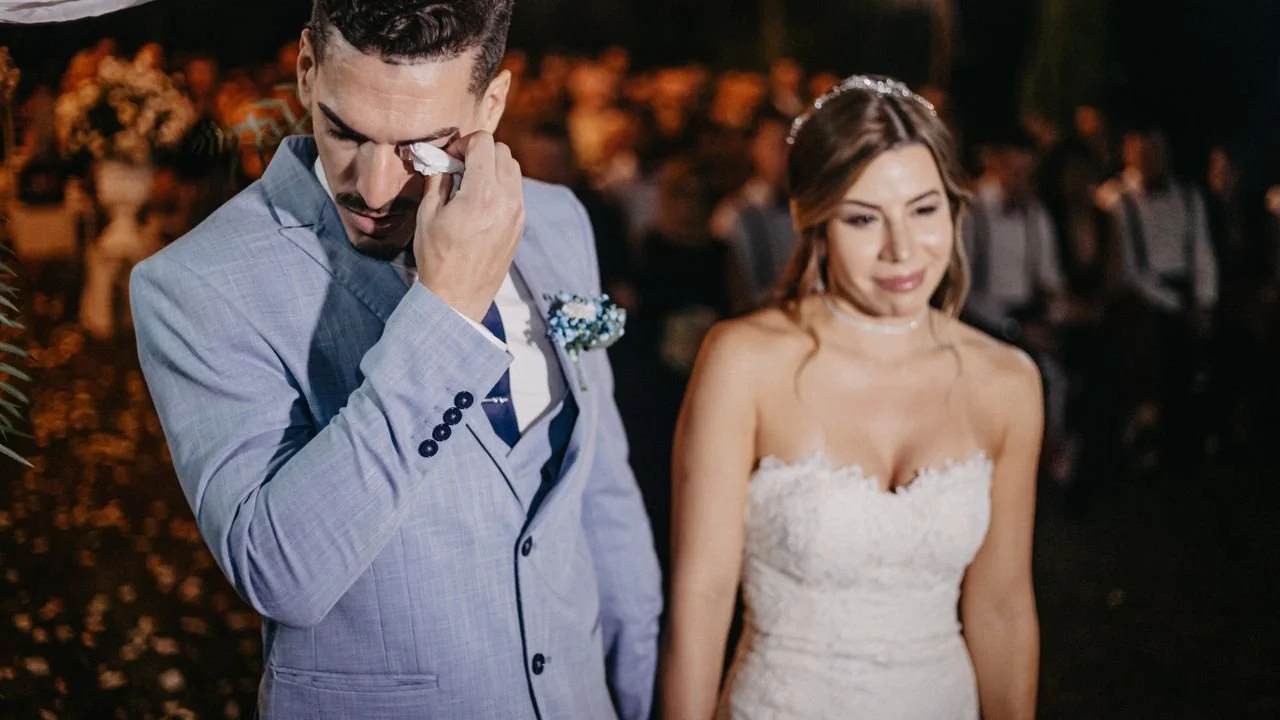
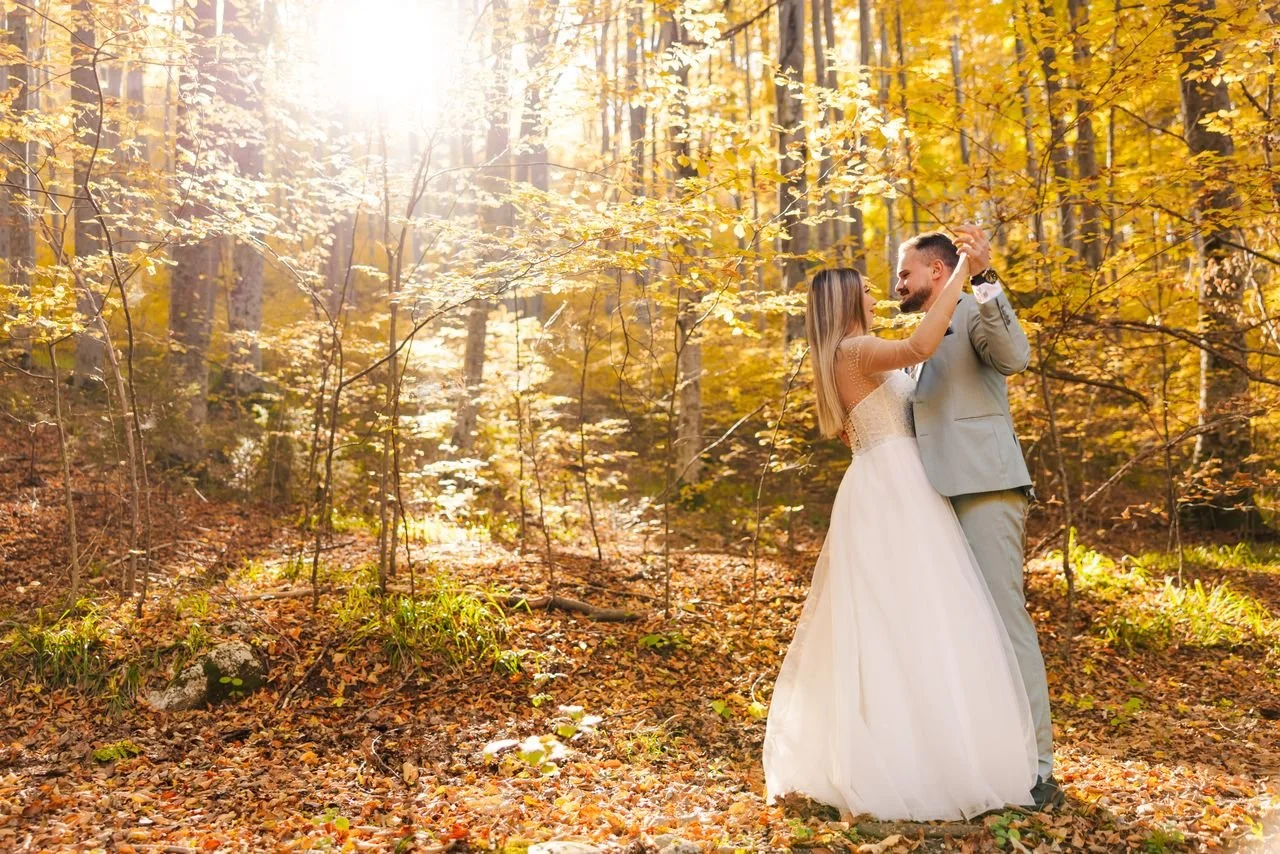
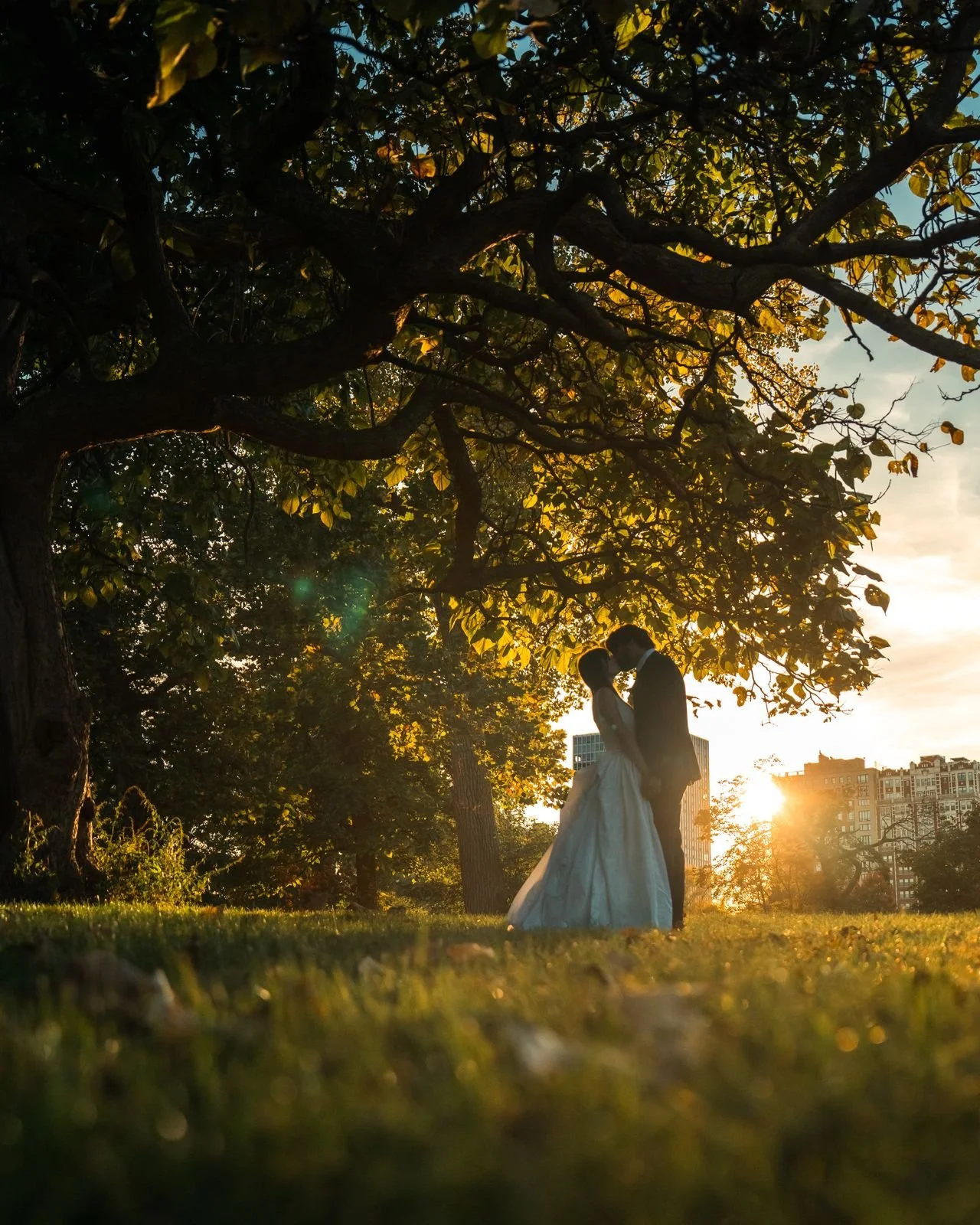
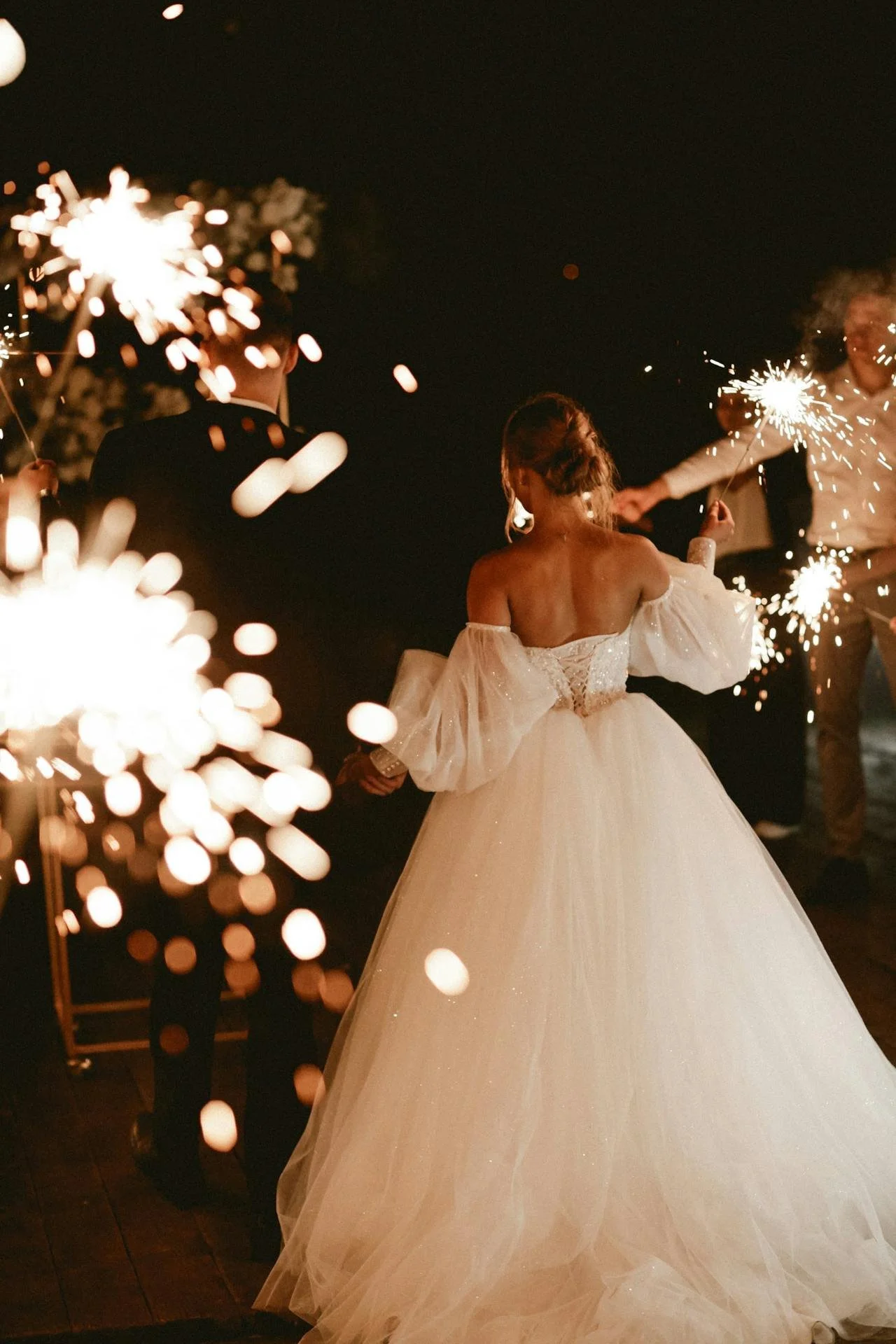
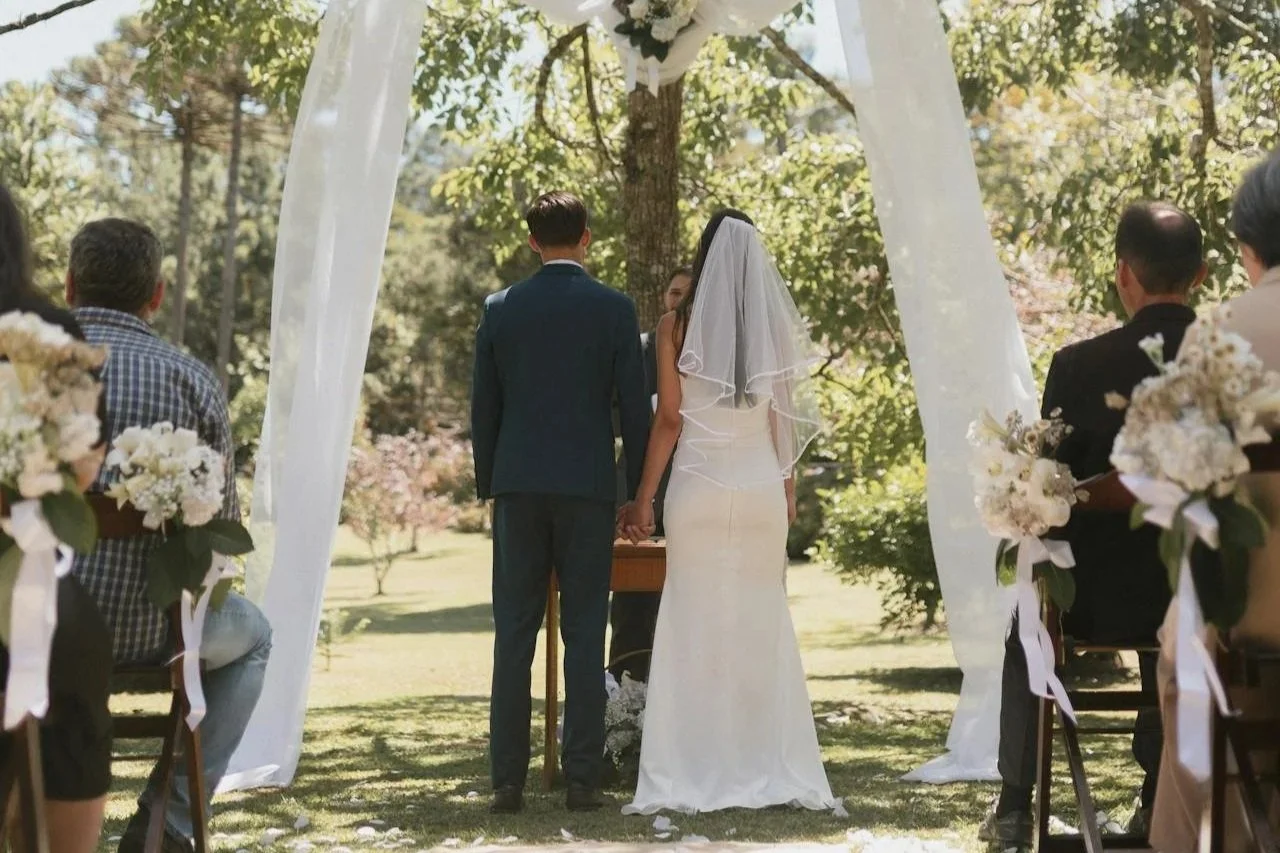
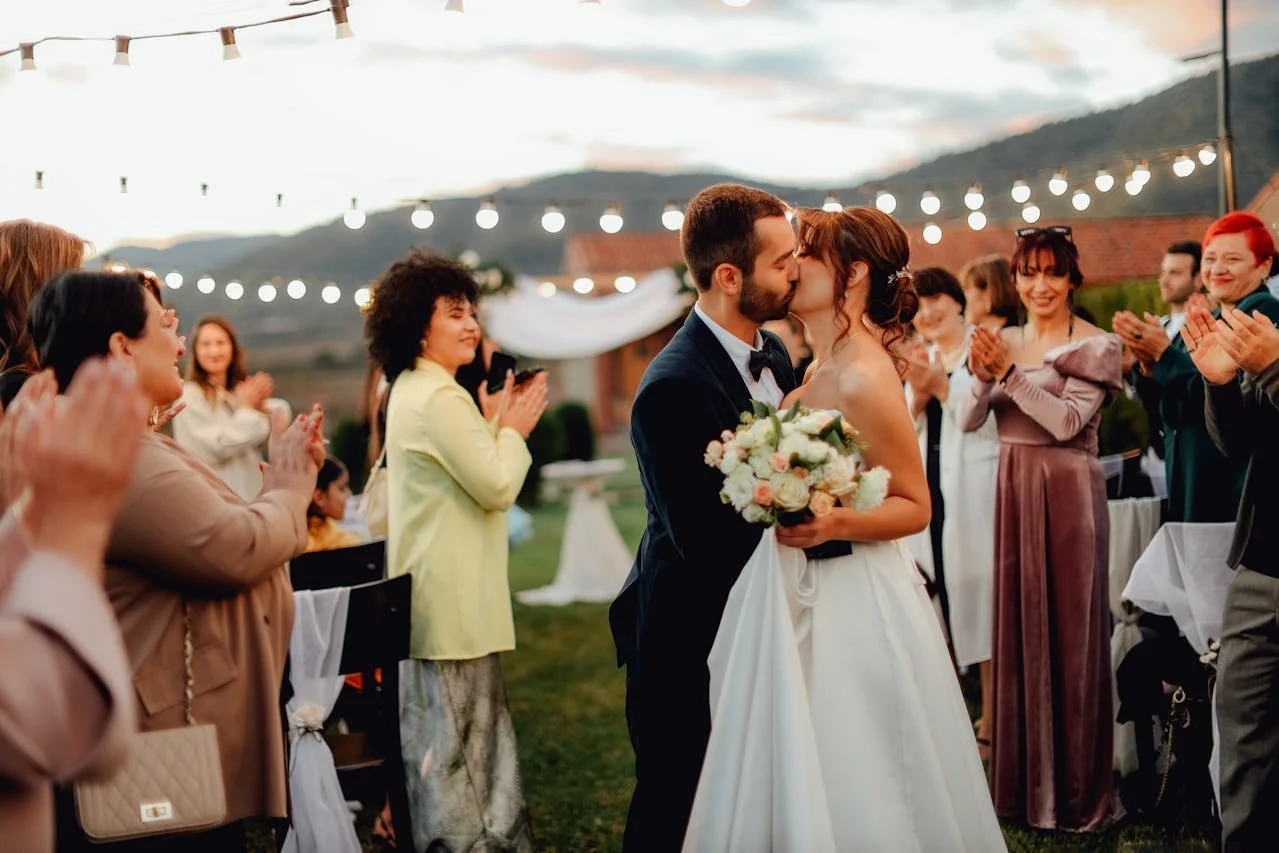
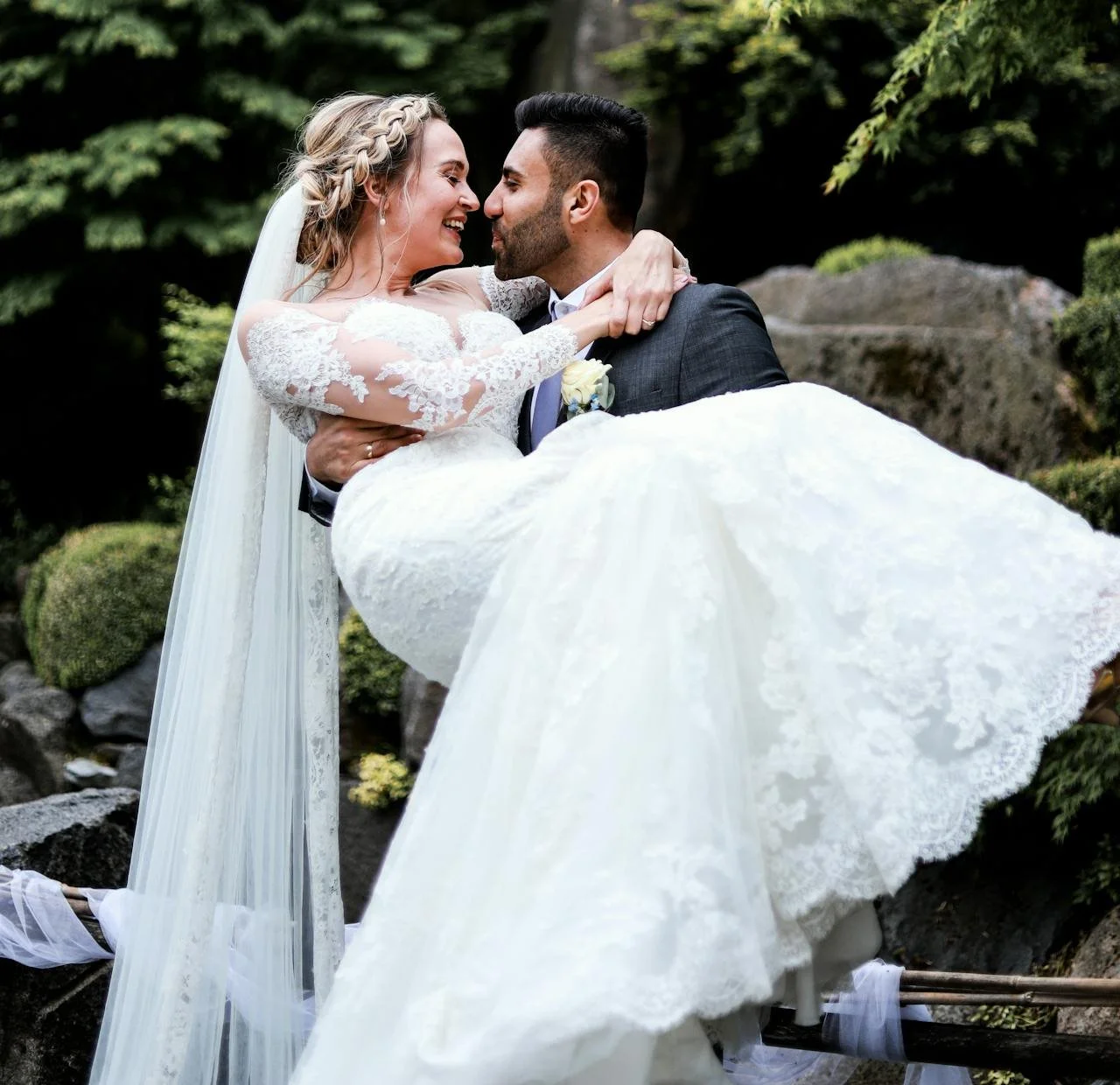
Wedding Ceremony Fears / Photo: Jonathan Nenemann
Why Wedding Ceremony Fears Are So Common
Most couples do not fear the wedding ceremony because they are unsure about getting married. They fear it because the ceremony is the one part of the day where emotion, performance, family history, public attention, legal ritual, and memory all gather in one place. A reception can absorb a small flaw. A late dinner, an imperfect centerpiece, a crooked boutonniere—these things usually dissolve into the music and movement of the evening. The ceremony feels different. It is brief, exposed, and symbolic. Everyone is watching. The people you love most are seated in rows. A few words suddenly carry the weight of years.
Recent research on weddings helps explain why couples feel this pressure. The Knot’s 2025 Real Weddings Study included nearly 17,000 U.S. couples married in 2024 and found that couples spent an average of six hours per week reviewing, organizing, and finalizing wedding details; 90% of planning took place online, and 80% of planning was handled by the couple themselves. That is not a light emotional workload. It is a second job with flowers. Zola’s 2024 First Look Report, based on data from nearly 7,000 couples who got married in 2024, found that many couples were actively questioning inherited wedding expectations, with 83% saying at least one societal expectation around wedding planning was due for change. The ceremony often becomes the place where that tension is felt most clearly: What do we keep? What do we remove? What will our families expect? What will feel true to us? A thoughtful ceremony plan does not eliminate nerves. It gives them somewhere to go.
For couples planning a city celebration, Denver wedding officiant services can help shape a ceremony that feels calm, personal, and polished. Couples planning against foothills, red rocks, or historic streets may prefer Golden wedding officiant services, while those drawn to the Flatirons and outdoor ceremony settings can explore Boulder wedding officiant services. For intimate mountain settings, Colorado elopement ceremonies offer a quieter way to hold the moment.
Table of Contents
Why wedding ceremony fears are so common
Featured Snippet Answer
Fear #1: “I’ll cry and won’t be able to speak”
Fear #2: “My vows will sound awkward”
Fear #3: “Something will go wrong in front of everyone”
Fear #4: “The ceremony will feel too generic”
Fear #5: “Family expectations will take over”
Fear #6: “I don’t know where to stand, walk, or look”
Fear #7: “The weather, altitude, or setting will interrupt the moment”
A simple 30-day ceremony confidence plan
Related articles
Fear #1: “I’ll Cry and Won’t Be Able to Speak”
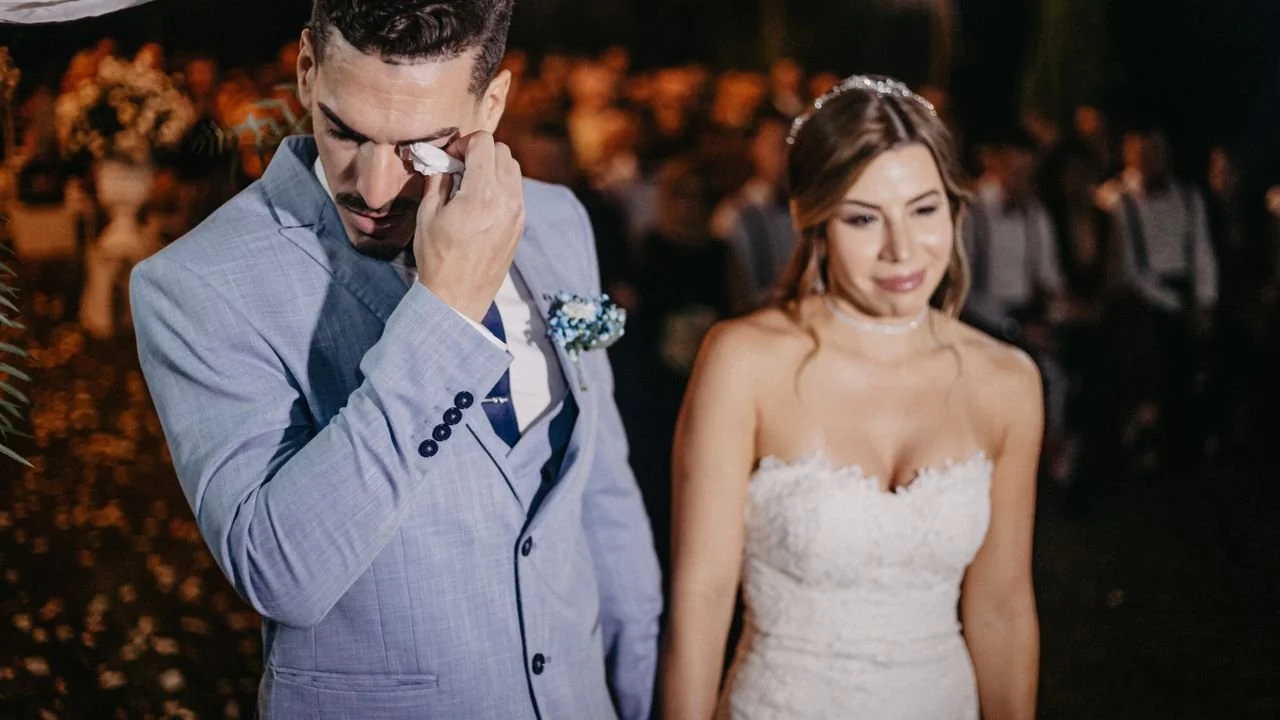
This is one of the most common ceremony fears, and also one of the least dangerous. Tears rarely ruin a ceremony. In many cases, they become the part everyone remembers most fondly. The real issue is not crying. The issue is panic: the sudden thought that emotion means loss of control. Couples can prepare for this in three practical ways.
First, print vows in a large, readable font on vow books or cards. Do not rely on your phone. A screen introduces glare, notifications, battery anxiety, and the faintly strange visual of reading your vows from the same object that holds your parking app.
Second, build in permission to pause. A pause during vows feels much longer to the speaker than it does to guests. Three silent seconds can feel like a small lifetime when you are holding paper with shaking hands, but to everyone else, it reads as sincerity.
Third, ask your wedding officiant to hold the moment without rushing it. A skilled wedding officiant knows when to step in, when to soften the room, and when to simply let emotion breathe. The ceremony is the “quiet center of the day,” shaped by language, atmosphere, and presence rather than performance.
Action step: Add a line to your wedding ceremony plan: “If either partner becomes emotional during vows, pause, breathe, and continue when ready.” It sounds small. On the day itself, it feels like a handrail.
Fear #2: “My Vows Will Sound Awkward”
Vow anxiety usually begins with a false premise: that vows need to sound literary, dramatic, or dazzling. They do not. They need to sound like you at your most awake. Vogue’s recent vow-writing guidance recommends beginning months ahead, reflecting on shared memories, naming specific promises, and practicing aloud without trying to memorize every word. That advice is useful because vows are not merely written. They are spoken. A sentence that looks beautiful on the page may feel impossible in your mouth. A simpler sentence may land with more force. A strong vow has four parts:
A brief recognition of the relationship
One or two specific memories or qualities
Promises that can be lived, not just admired
A closing line that feels clear and complete
Avoid private jokes that require footnotes. Avoid promises so grand they sound borrowed. “I promise to make coffee when you have the early flight” may reveal more love than “I promise to be your eternal compass.”
Action step: Write a poor first draft on purpose. Then read it aloud. Circle the sentences that sound like speech. Cut the rest.
Fear #3: “Something Will Go Wrong in Front of Everyone”
Something may. A ring may resist. A flower girl may sit down halfway up the aisle. A microphone may crackle. A gust of Colorado wind may lift a veil at the exact wrong second. These are not failures. They are evidence that the ceremony is happening in real life. The Knot’s 2025 data show that couples continue to lean heavily on vendor expertise, especially when budgets, logistics, and planning pressures become challenging. That reliance is justified. A professional team does not guarantee perfection; it creates the capacity for recovery. Your action plan should include three backup systems:
A ring plan: Who has the rings? Where are they kept? Who checks before the processional begins?
A sound plan: Who holds the microphone? Is there a handheld backup? Who cues music?
A document plan: Who has the vows, readings, license, and ceremony script?
A calm ceremony is rarely accidental. It comes from unglamorous preparation.
Action step: One week before the wedding, send a ceremony run-of-show to the wedding officiant, planner, photographer, DJ or musician, and venue contact. Include processional order, music cues, readings, ring exchange, kiss, recessional, and license-signing plan.
Fear #4: “The Ceremony Will Feel Too Generic”
This fear is well founded. Many couples have attended ceremonies that sounded as if the names could be swapped in five minutes before the processional. No one wants to be reduced to a template. Personalization, however, does not mean turning the ceremony into a twenty-minute inside joke. It means choosing details that give the ceremony emotional evidence. Use the “three textures” test:
Place: Why this venue, city, mountain view, backyard, chapel, overlook, or restaurant?
People: Who helped shape your relationship, and how should they be acknowledged?
Promise: What kind of marriage are you trying to build?
The Knot Worldwide’s 2024 Global Wedding Report found that weddings are being reshaped by modernized relationship dynamics, evolving priorities, and technology, with couples across countries adjusting traditions rather than simply inheriting them. In other words, couples are no longer asking only, “What are we supposed to do?” They are asking, “What should this feel like for us?” That question belongs at the center of ceremony planning.
Action step: Choose three personal details for the ceremony: one about how you met or grew together, one about what you admire in each other, and one about the life you are building.
Quick Summary List:
Write vows before the final planning rush begins.
Practice out loud, but do not memorize every word.
Build a clear ceremony run-of-show with your officiant, planner, DJ, and photographer.
Name family sensitivities before the wedding day.
Prepare for tears, weather, nerves, and timing shifts as normal human possibilities.
Choose a ceremony structure that gives the moment shape without making it stiff.
Fear #5: “Family Expectations Will Take Over”
Ceremonies can carry family pressure because they are public, symbolic, and sometimes religious or cultural. Parents may expect a prayer. Grandparents may expect traditional language. A divorced family may need careful seating. A couple may want a secular ceremony while relatives expect something else entirely. This is where avoidance becomes expensive. If a family issue is likely to surface, discuss it before the wedding week.
A useful approach is to separate honor from control. You may honor a family tradition without surrendering the entire ceremony to it. You may include a reading, a blessing, a remembrance, or a cultural ritual while keeping the ceremony aligned with your values. For couples who want a ceremony that is inclusive and culturally attuned, Michael Moody’s service language emphasizes same-sex marriages, cultural and ethnic traditions, and ceremonies centered on the people at the heart of the day.
Action step: Make a short “ceremony boundaries” list with your partner. Decide what is welcome, what is optional, and what does not belong in the ceremony.
Fear #6: “I Don’t Know Where to Stand, Walk, or Look”
This fear is mechanical, not emotional. It can be solved. Most ceremony awkwardness comes from missing cues: walking too quickly, not knowing where to place hands, facing the officiant instead of each other during vows, forgetting where the bouquet goes, or turning the wrong direction after the kiss. A rehearsal is not about draining the ceremony of spontaneity. It is about removing unnecessary confusion so the real emotion can surface. Rehearse these moments:
Processional pace
Where each person stands
Who takes the bouquet
How vows are handed over
Ring exchange hand position
Kiss and recessional direction
Family photo transition
License-signing location
Action step: Ask your wedding officiant or planner to call out physical cues in plain language: “Face each other,” “Take both hands,” “Pass bouquet to maid of honor,” “Pause for the photographer,” “Turn toward your guests.”
Fear #7: “The Weather, Altitude, or Setting Will Interrupt the Moment”
Colorado ceremonies ask couples to think beyond the script. Wind, sun, altitude, afternoon storms, trail access, uneven ground, wildfire smoke, and sudden temperature swings can all influence the ceremony.
This is especially true for foothill, mountain, and hiking-in ceremonies. The beauty is real. So are the logistics.
Couples planning outdoor ceremonies should prepare for:
Wind-safe vow books and readings
Microphones that can handle open-air sound
Water before the ceremony, especially at elevation
A shoe plan for grass, gravel, snow, or trail surfaces
Backup timing for afternoon weather
Guest communication about terrain and temperature
Permit requirements for public lands
Colorado elopements and outdoor ceremonies often feel powerful because the setting does part of the emotional work, but the setting still needs a plan. Michael Moody’s Colorado elopement ceremony page emphasizes intimate, intentional ceremonies shaped by place, pace, and feeling, while the Front Range elopement guide focuses on scenic trails, permits, and hiking-in ceremony planning.
Action step: Create a “ceremony conditions note” for guests: footwear, arrival timing, parking, weather, elevation, and whether seating is limited.
A Simple 30-Day Ceremony Confidence Plan
30 Days Out: Decide the Emotional Shape
Choose the ceremony tone: elegant, intimate, warm, humorous, spiritual, secular, poetic, minimalist, family-centered, or private. Do not try to be everything. A ceremony with a clear tone feels more composed.
21 Days Out: Finish the Ceremony Structure
Confirm processional order, readings, vows, unity rituals, music cues, family acknowledgments, and any remembrance language. Decide who has the rings and who holds the marriage license.
14 Days Out: Practice Vows Aloud
Read vows out loud at least three times. Time them. Smooth the sentences that feel tangled. Replace any phrase that sounds impressive but unnatural.
7 Days Out: Confirm the Run-of-Show
Send the ceremony outline to the vendor team. Confirm names, pronunciations, music cues, microphone needs, and backup plans.
48 Hours Out: Stop Rewriting
Unless something is factually wrong, stop editing. Last-minute vow revisions often come from nerves, not clarity.
Ceremony Day: Let It Be Alive
Look at your partner. Breathe before speaking. Hold hands. Pause when emotion rises. Let the ceremony be elegant without trying to make it flawless.
A wedding ceremony is not a theater audition. It is a threshold. The best ones feel human: composed, yes, but not sealed in glass.
Related Articles
From the Michael Moody Officiant wedding blog directory:
How to Get Married in Colorado: Marriage License Guide for 2026
Preparing for Your Wedding Ceremony in Colorado: A Couple’s Guide
How to Personalize Your Wedding Ceremony Without Making It Awkward or Overlong
Common Wedding Ceremony Planning Challenges and How to Overcome Them
Spring Wedding Guide for Golden, Colorado: Venues, Permits, and Planning Tips
Boulder Fall Wedding Guide: Venues, Permits, License, and Tips
Colorado Front Range Elopement Guide: Hiking-In Wedding Ceremonies and Scenic Trails
The directory includes ceremony planning articles, wedding-specific planning guidance, Front Range elopement content, and relationship-focused resources for couples planning meaningful Colorado ceremonies.
About the Author: Michael Moody, Wedding Officiant
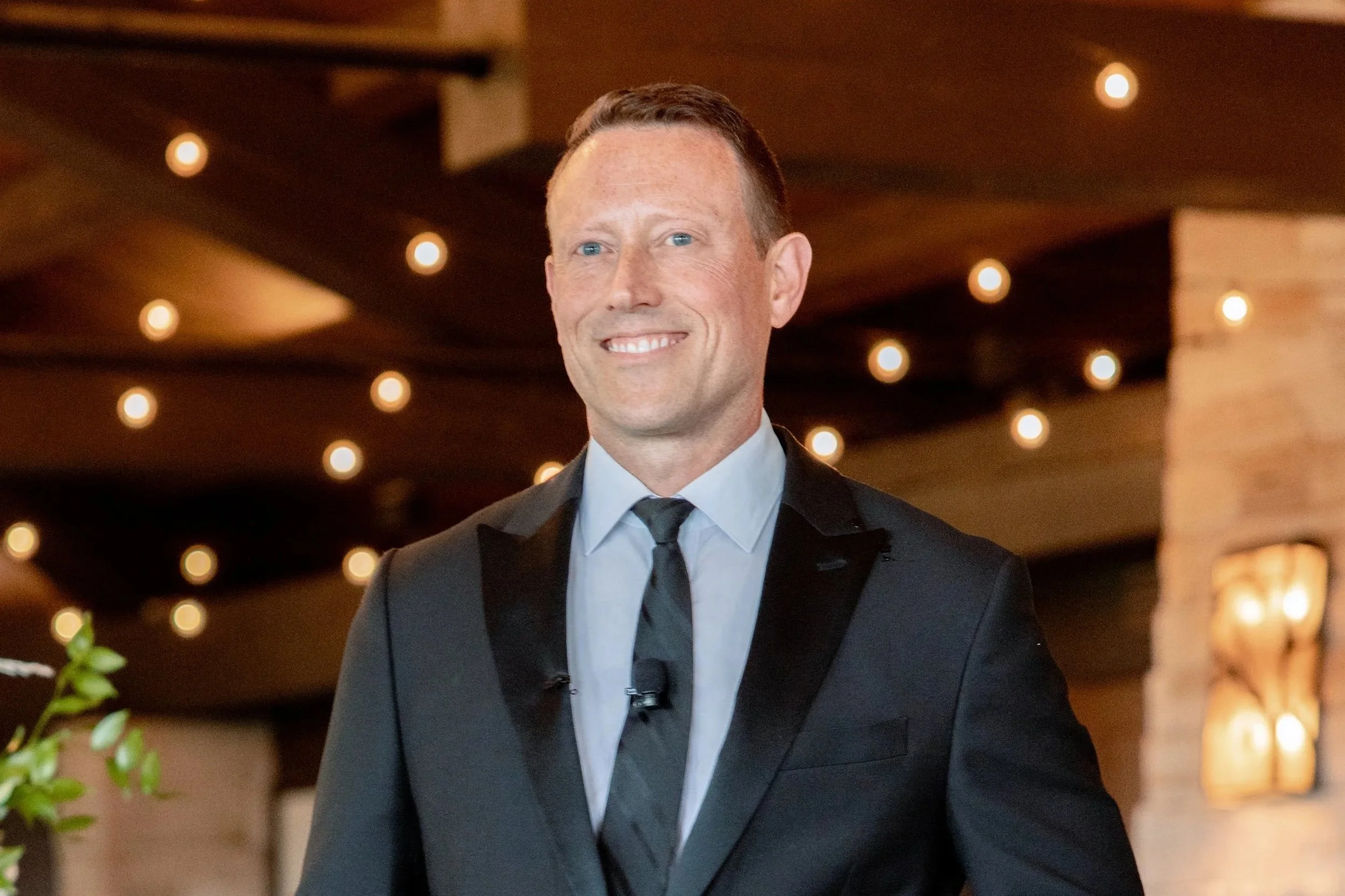
Michael Moody is a Colorado wedding officiant serving Denver, Boulder, Golden, Larkspur, and mountain communities throughout the state. Since 2012, he has officiated more than 300 weddings, bringing a calm presence, thoughtful guidance, and emotionally grounded ceremony writing to couples seeking a meaningful experience. He also offers Colorado elopement ceremonies for couples who want something intimate, intentional, and beyond the boundaries of a traditional wedding day. His work is shaped by a lifelong interest in connection, reflection, and personal growth. Michael is the author of the self-improvement book Redefine Yourself: The Simple Guide to Happiness and host of The Elements of Being podcast. As a wedding officiant, he draws from that same foundation: the belief that our relationships, words, and everyday interactions help shape a life rooted in love, empathy, and purpose. Michael’s ceremony work has been recognized across Colorado. He is a 2023 WeddingWire Couples’ Choice Award winner in Denver, marking his eighth consecutive year receiving the honor. He was also named “Best Business of 2024, 2025, and 2026” by Three Best Rated and earned “The Best Wedding Officiant in Commerce City, Colorado for 2024” from Quality Business Awards USA.
Beyond weddings, Michael and his wife, Sammy, have sponsored an annual student scholarship for more than 10 years. They also founded Civic Growth Alliance, a 501(c)(4) nonprofit dedicated to strengthening communities through civic advocacy, resident engagement, strategic partnerships, public safety initiatives, neighborhood vitality, and community well-being.
Wedding locations: Michael officiates wedding ceremonies in the Denver neighborhoods of LoDo, River North, Washington Park, Cherry Creek, City Park, Central Park, Capitol Hill, Cheesman Park, Park Hill, Lower Highlands, and Sloan Lake. Michael also serves as an ordained minister in Larkspur, Littleton, Golden, Boulder, Breckenridge, Frisco, Aspen, Vail, Estes Park, and more. If your Denver neighborhood or Colorado town isn’t listed here, no worries! Please contact Michael to propose a wedding ceremony location in a different area!
Wedding Planning Tips





Michael Moody is a Colorado wedding officiant serving couples in Denver, Boulder, Golden, and mountain communities throughout the state with refined, personalized ceremonies, intimate elopements, LGBTQ wedding ceremonies, and simple legal ceremonies. From urban Denver venues to Golden foothill celebrations, Boulder outdoor ceremonies, and private Colorado elopements, his work centers on calm guidance, emotionally grounded ceremony writing, and a polished presence that helps couples feel steady before, during, and after the ceremony.