Summary
Learn how to include family, culture, and traditions in a modern wedding ceremony with meaningful ideas for readings, rituals, heirlooms, blended families, cultural customs, and Colorado weddings.
How do you include family, culture, or traditions in a modern wedding ceremony?
Include family, culture, or traditions by choosing rituals that feel emotionally honest, briefly explaining their meaning, assigning thoughtful roles to loved ones, and adapting inherited customs so they match your values. The strongest modern ceremonies honor where you come from without letting tradition overwhelm the couple’s story.
Frequently Asked Questions (FAQ)
How can we include family traditions in a wedding ceremony without making it too long?
Choose one or two traditions with the strongest emotional meaning, keep each moment brief, and ask the officiant to explain the ritual in a sentence or two. Family traditions work best when they support the ceremony rather than interrupt its rhythm.
What are meaningful ways to honor culture in a modern wedding ceremony?
Meaningful options include a cultural blessing, bilingual reading, family heirloom, music selection, tea ceremony, handfasting, chuppah, lasso ritual, ancestral acknowledgment, traditional garment, or a family member’s spoken blessing. The right choice depends on what the tradition means to the couple and their families.
Can a wedding ceremony include traditions from two cultures?
Yes. A wedding ceremony can include traditions from two cultures when each element has a clear purpose and enough room to be understood. Many couples use one tradition near the opening and another near the vows or ring exchange so the ceremony feels balanced.
How do you modernize old wedding traditions?
Modernize old wedding traditions by preserving the emotional meaning while changing outdated language or structure. For example, instead of “giving away” a bride, both families can offer a blessing of support for the couple’s marriage.
Should family members speak during the wedding ceremony?
Family members can speak during the ceremony if the role feels natural and the reading or blessing is concise. A ceremony usually feels stronger with one or two carefully chosen family voices rather than many speakers.
How do you include a deceased loved one in a wedding ceremony?
A deceased loved one can be honored through a brief remembrance, reserved seat, heirloom, flower, piece of music, candle, program note, or private family moment. The ceremony mention should be tender but not so long that it changes the emotional center of the day.
Can cultural wedding traditions be included in a non-religious ceremony?
Yes. Many cultural traditions can be included in a non-religious ceremony, especially when the couple understands the tradition’s meaning and adapts it respectfully. Some rituals are cultural, some are religious, and some are both, so it is wise to ask family members or cultural leaders for guidance.
What should we do if our families disagree about wedding traditions?
Listen to the meaning behind each request, then decide as a couple which traditions fit your ceremony. You can honor some family customs at the rehearsal dinner, reception, or private family gathering if they do not belong in the ceremony itself.
Key Topics
how to include family in wedding ceremony
cultural wedding ceremony ideas
modern wedding ceremony traditions
family traditions wedding ceremony
how to honor culture in wedding ceremony
multicultural wedding ceremony ideas
blended family wedding ceremony ideas
non religious wedding ceremony traditions
wedding ceremony rituals
meaningful wedding ceremony ideas
Colorado wedding officiant
Denver wedding officiant
Boulder wedding officiant
Golden wedding officiant
Colorado elopement ceremony
personal wedding ceremony ideas
wedding ceremony readings family
wedding ceremony unity rituals
how to personalize a wedding ceremony
family blessing wedding ceremony
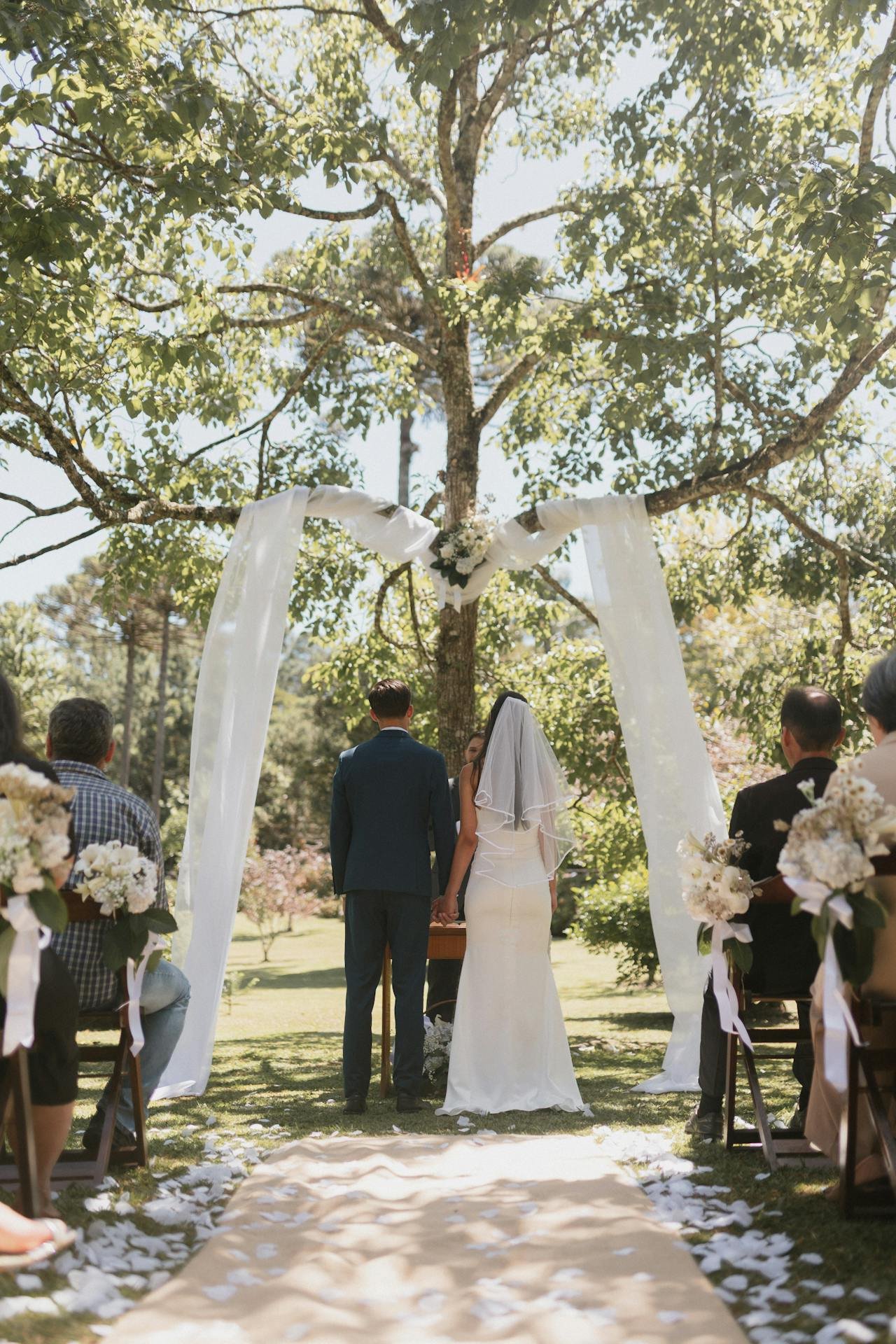
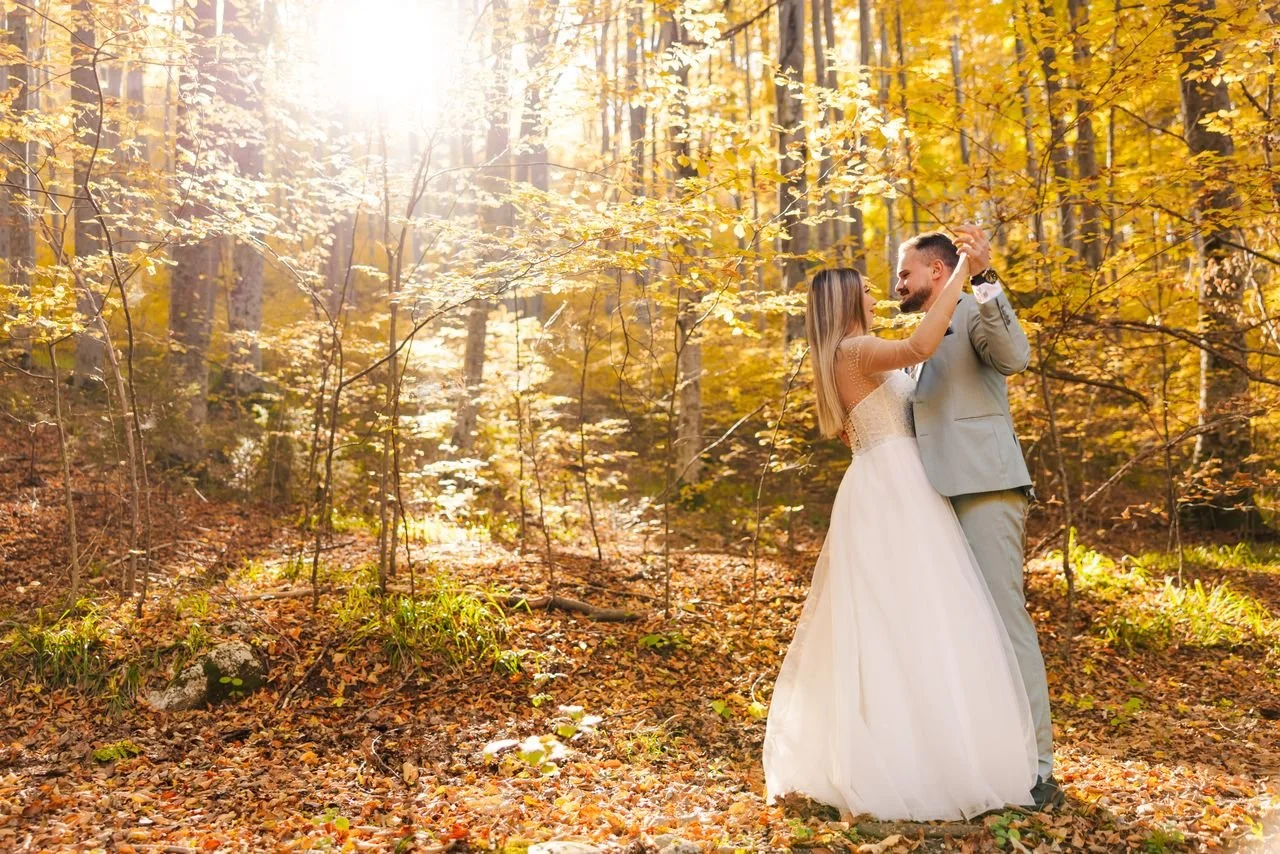
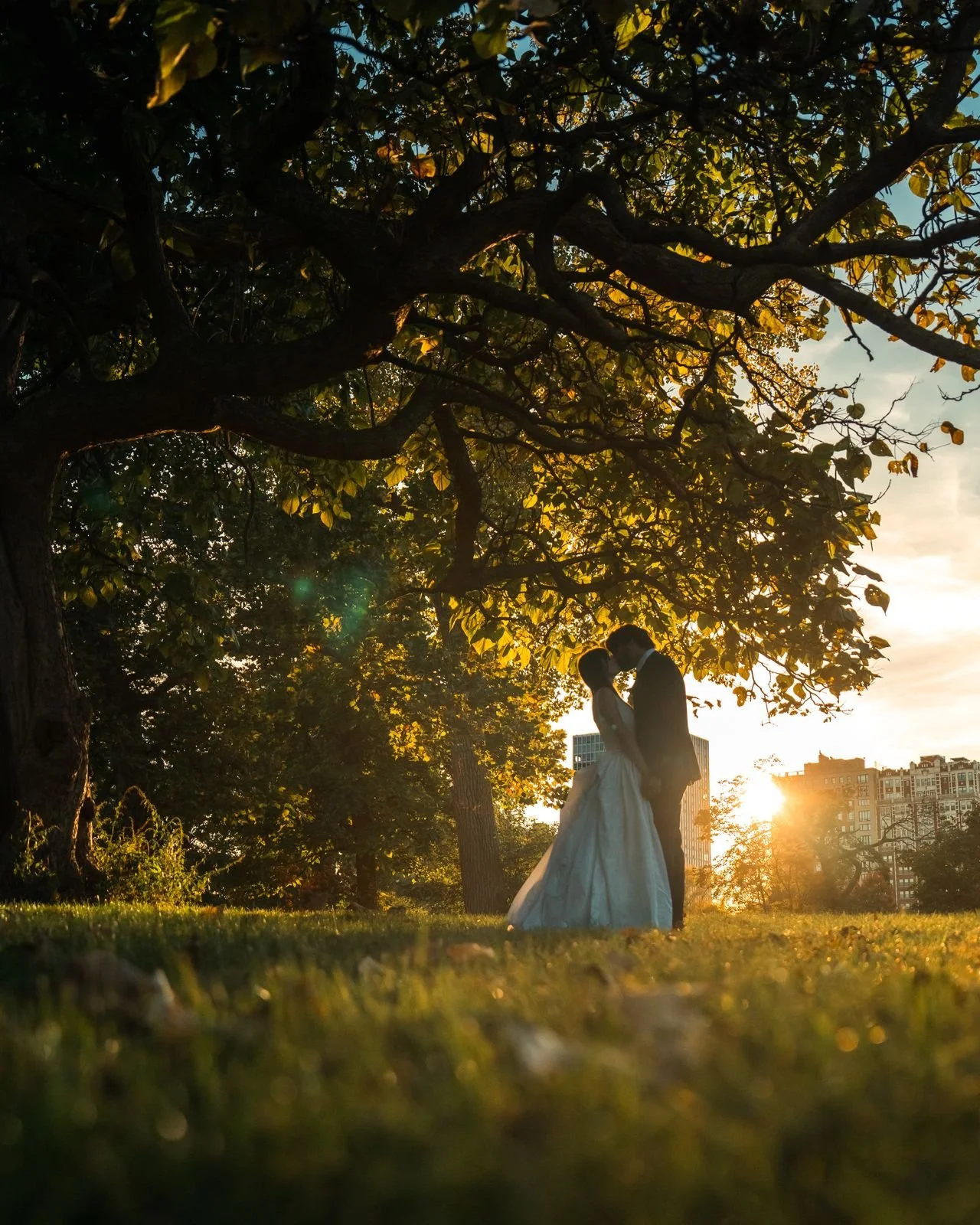
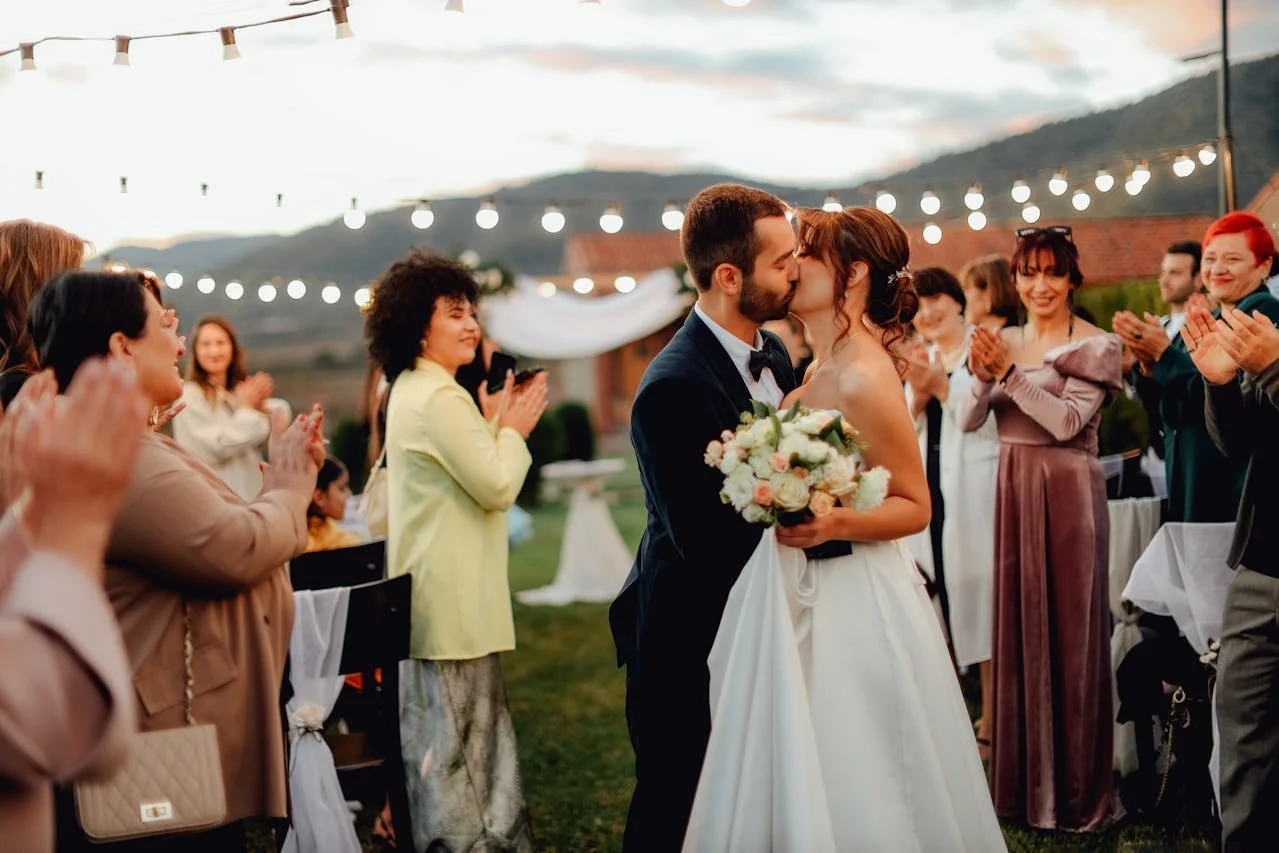
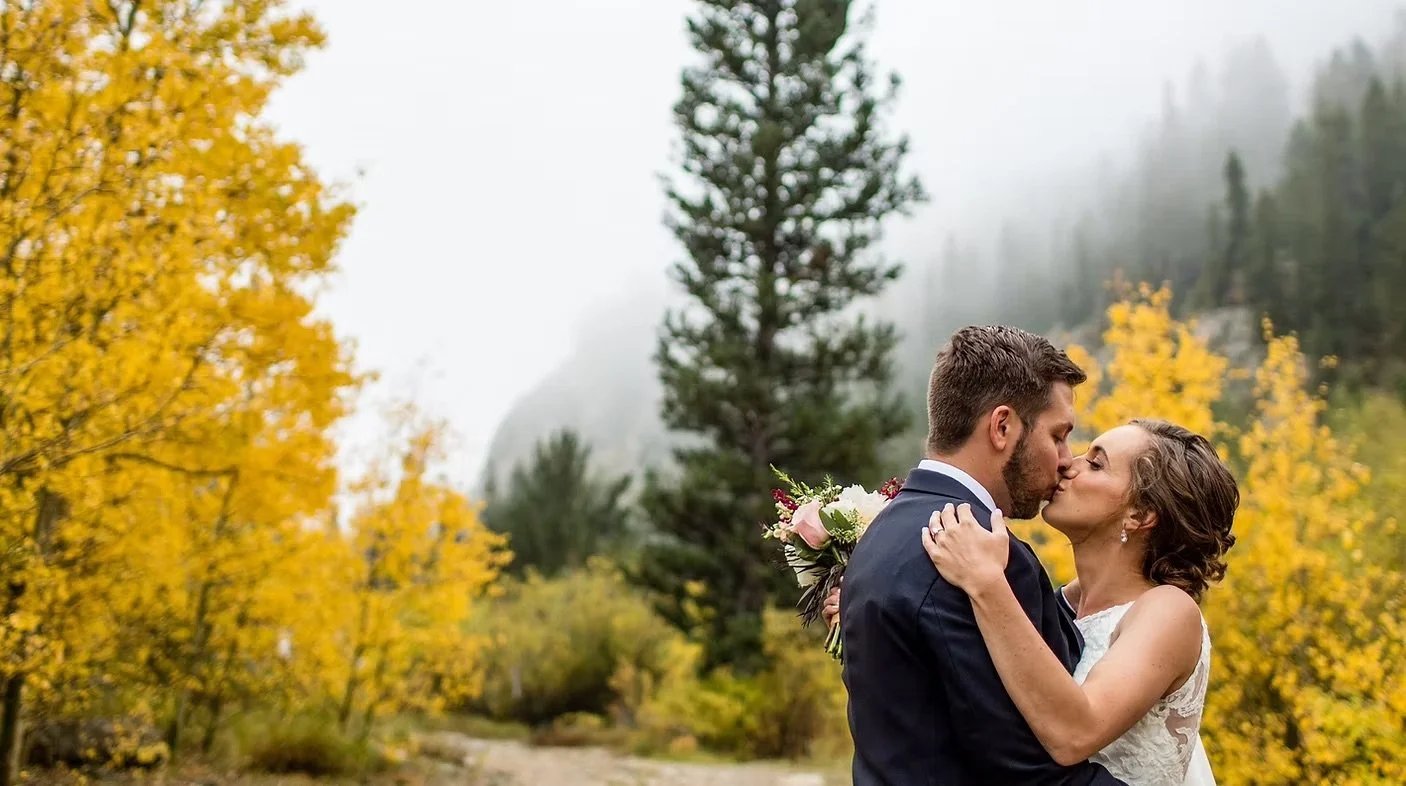
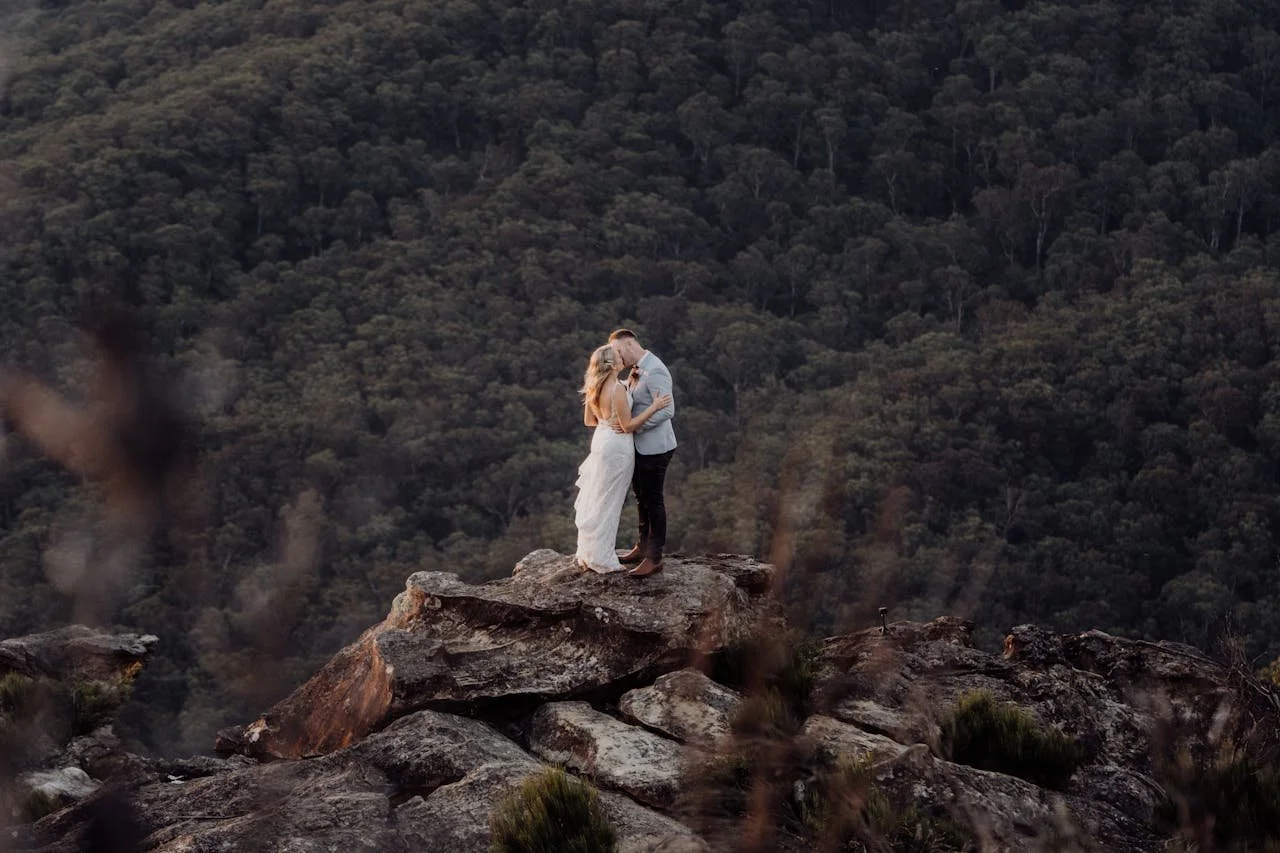
Denver Wedding Officiant / Photo: Alexander Mass
How Modern Weddings Are Reshaping Traditions
A modern wedding ceremony does not have to be stripped bare to feel current. In fact, the most memorable ceremonies often do the opposite. They keep the room simple enough for the couple to be seen, then allow a few carefully chosen traditions to bring the past into the present. For many couples, the old template no longer works. The father does not always “give away” the bride. The ceremony may be non-religious, interfaith, spiritual but not doctrinal, bilingual, same-sex, blended-family-centered, or intentionally small. A couple may want their grandmother’s blessing but not the full church service. They may want a tea ceremony, a chuppah, a lasso, a handfasting cord, a jump-the-broom ritual, a reading from a poet, or a quiet moment of remembrance for someone who is missing.
The question is no longer, “Which traditions are required?” The better question is, “Which traditions still carry truth?”
That distinction matters. A wedding ceremony should not become a museum of inherited gestures. It should not feel like an obligation quietly dressed as reverence. The right tradition has breath in it. It tells the guests something about the couple, their families, their history, or the promises being made. For couples planning a ceremony with a Denver wedding officiant, a Golden wedding officiant, a Boulder wedding officiant, or a more intimate Colorado elopement ceremony, the goal is not to make the ceremony more complicated. The goal is to make it more legible: to yourselves, to your families, and to the people who have gathered to witness you.
Table of Contents
Why modern weddings are returning to meaning
Start with the question beneath the tradition
How to include family without handing over the ceremony
Cultural traditions: honor without performance
Blending two families, faiths, or backgrounds
Modern ceremony ideas that feel natural
What to say when families disagree
Colorado ceremony considerations
How an officiant helps hold it all together
Related articles
How to Include Family Without Handing Over the Ceremony
Family involvement is one of the easiest ways to make a wedding ceremony feel warm. It is also one of the easiest ways to lose the shape of the ceremony if every loved one needs a visible role. Not every family member needs a microphone. Some roles are spoken; others are symbolic, logistical, or private.
Processional Roles
The processional is often the cleanest place to honor family structure. A parent, sibling, grandparent, child, close friend, or chosen-family member can escort one or both partners. In blended families, it can be moving to include a step-parent or to split the aisle into two meaningful segments. Modern options include:
Both partners walking in with both parents.
Each partner walking alone, then meeting halfway.
The couple entering together.
Children leading the processional.
Grandparents entering just before the wedding party.
A chosen-family member escorting a partner when biological family is absent or complicated.
The key is to choose an entrance that reflects reality, not etiquette theater.
Readings and Blessings
A family reading can work beautifully when it is short and specific. Avoid assigning a reading simply because someone “should” be included. Choose someone who can hold the moment without rushing, improvising, apologizing, or turning the reading into a toast. Good reading choices include:
A poem connected to place, memory, or family history.
A short passage from a spiritual or philosophical text.
A blessing from a parent or grandparent.
A few lines from a letter, song, or book that has meaning for the couple.
A bilingual reading with one section in each language.
If the family member is nervous, the officiant can introduce the reading with enough context that the person does not feel responsible for explaining everything.
Family Vows or Community Promises
A family vow can be especially meaningful when children are involved or when the couple wants the room to feel like an active witness rather than a passive audience. For example, the wedding officiant might ask the families: “Will you support this marriage with patience, generosity, and care, not only today, but in the ordinary days that follow?” The families respond: “We will.” This works because it is brief. It gives the room a role without making the ceremony feel forced or participatory.
Heirlooms and Objects
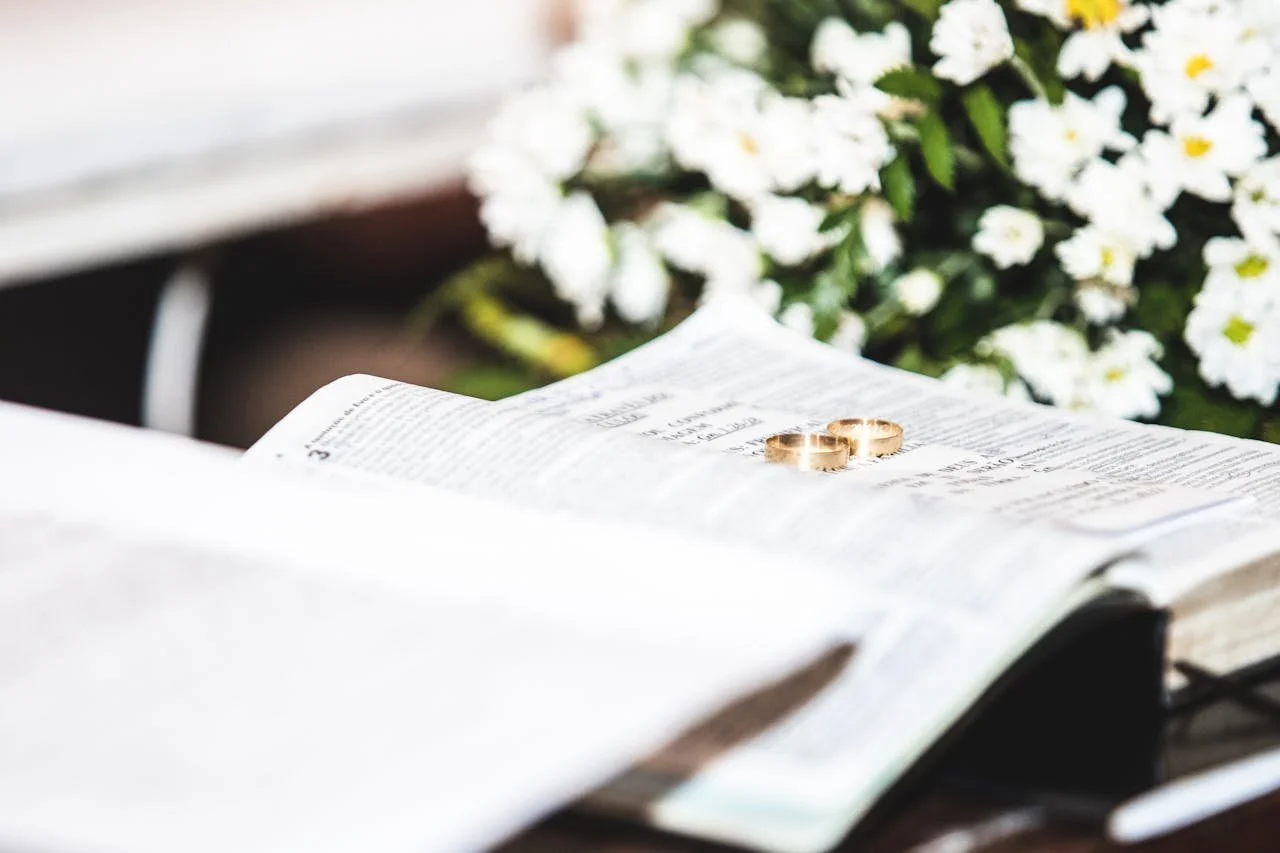
Objects can carry family meaning without adding time to the ceremony. A ring box, handkerchief, pin, veil, watch, cufflinks, prayer book, rosary, tallit, piece of fabric, or family letter can be present without being heavily explained. If an heirloom has a strong story, the officiant can name it in one sentence. That is usually enough. The object does not need a biography. Its presence is the point.
Cultural Traditions: Honor Without Performance
Cultural traditions deserve more than decorative use. They carry history, language, memory, and sometimes religious or communal responsibility. When couples include them well, the ceremony gains depth. When they include them carelessly, the moment can feel borrowed rather than lived. The first rule is simple: do not include a tradition only because it photographs well. A ritual should relate to the couple, their families, their heritage, or the life they are building. It does not have to be practiced perfectly in its most formal form, but it should be treated seriously.
Ask the Elders, Then Edit for the Ceremony
Family members can be invaluable sources of context. Ask parents, grandparents, aunts, uncles, clergy, cultural leaders, or family friends:
What does this tradition mean?
Who usually participates?
Is there language that should be used?
Is there anything we should avoid changing?
Can this be adapted for a shorter or non-religious ceremony?
Would it be better suited for the reception, rehearsal dinner, or private family gathering?
The answers may surprise you. A ritual you thought was mandatory may be flexible. Another may have a sacred structure that should not be casually rearranged.
Explain Just Enough
Guests do not need a lecture, but they do need a doorway. If a ceremony includes a cultural ritual unfamiliar to some guests, the officiant can offer a brief explanation before it begins. For example:
“In a moment, their families will offer a blessing that has been part of family celebrations for generations. Today, it serves as both a welcome and a promise: that this marriage is held not only by two people, but by the community around them.”
That is enough. The explanation should illuminate the moment without flattening it.
Protect the Ritual from Becoming a Prop
Some traditions need space. A tea ceremony, for example, may not fit neatly inside a 20-minute Western-style ceremony unless it is intentionally adapted. The same is true for rituals involving multiple family members, repeated blessings, music, circling, candles, cords, coins, garments, or shared food and drink. A thoughtful wedding officiant will ask practical questions:
Where will people stand?
Who brings the objects forward?
Does the photographer know when the ritual is happening?
Does the venue allow candles, incense, alcohol, glass, rice, petals, or open flame?
Is amplification needed?
Will wind, altitude, cold, or uneven ground affect the ritual?
Does the ritual require a table, chair, covering, or private preparation?
Meaning is emotional, but ceremony is physical. The body has to know where to go.
Quick Summary List: What Couples Should Remember
Choose traditions that still feel meaningful, not merely expected.
Ask family members what a custom means before including it.
Keep ceremony rituals brief, visible, and easy for guests to understand.
Use readings, music, language, heirlooms, blessings, or procession choices to honor heritage.
Blend two cultures by giving each tradition space instead of forcing them into one generic ritual.
Work with a wedding officiant who can explain the moment with care and restraint.
Let the ceremony sound like you, even when it includes something old.
Blending Two Families, Faiths, or Backgrounds
Many couples are not choosing between tradition and modernity. They are choosing how to hold multiple inheritances at the same time. A wedding might include Jewish and Mexican traditions, Catholic family expectations, and a secular ceremony; Indian and Western attire; Filipino sponsors; Persian poetry; Chinese tea; Celtic handfasting; African American ancestral customs; or a simple mountain elopement followed by a large family celebration later. The mistake is trying to make every tradition equivalent in length, tone, and placement. Equal respect does not always mean equal minutes. A better approach is to give each tradition a clear purpose. One family tradition might belong at the beginning as a welcome. Another might belong near the vows as a symbol of commitment. A third might be better at the reception, where food, music, dance, and family storytelling have more room.
A Balanced Modern Ceremony Structure
Here is one possible structure for a multicultural or family-rich ceremony:
Processional with family roles
Opening words from the wedding officiant
Brief acknowledgment of families, ancestors, or place
Reading or blessing from one tradition
Couple’s story
Cultural ritual or unity moment
Vows
Ring exchange
Second brief blessing, poem, or family response
Pronouncement and recessional
This structure allows the ceremony to feel layered without becoming crowded.
When One Partner Has More Visible Traditions
Sometimes one partner comes from a background with many wedding customs, while the other comes from a family or culture with fewer formal rituals. That imbalance does not have to be a problem. The couple can balance the ceremony through tone rather than quantity. One partner’s culture may be represented through a ritual. The other’s may be represented through a reading, a family heirloom, music, vows, or the location itself. In Colorado, place often becomes part of the ceremony language. A foothills ceremony in Golden, a refined city ceremony in Denver, a mountain-view ceremony in Boulder, or a private elopement on a trail can carry meaning without competing with family tradition. Landscape can be part of the inheritance too: the place where the marriage begins.
Modern Ceremony Ideas That Feel Natural
The best modern traditions are not always new. Often, they are old ideas with the pressure removed.
A Family Blessing Without “Giving Away”
Instead of asking who gives someone away, the wedding officiant can ask: “Do your families offer their blessing and support as you enter this marriage freely and together?” This preserves the beauty of family blessing while removing the language of transfer.
A Moment of Remembrance
A remembrance can be spoken or silent. It should be brief and carefully placed. Too much detail can shift the emotional center of the ceremony away from the couple. A single sentence can be more powerful than a long memorial paragraph. Example: “We also hold close those who are not physically with us today, especially the loved ones whose presence is felt in the stories, gestures, and family resemblances gathered here.”
A Bilingual Welcome
A bilingual ceremony does not require translating every word. In fact, full translation can make a ceremony feel doubled rather than woven. Consider a bilingual welcome, a family blessing in one language, vows in two languages, or a short explanation printed in the program.
A Unity Ritual That Is Not Generic
Unity rituals work when they are specific. Instead of choosing a candle or sand ceremony because it is familiar, ask which image best represents your relationship. For Colorado couples, possibilities might include:
Blending soil from meaningful places.
Sharing water from a family home, mountain stream, or ceremonial vessel.
Tying a handfasting cord made from family fabric.
Signing a private letter to open on an anniversary.
Placing rings in an heirloom dish or box.
Inviting parents to warm the rings before the exchange.
The ritual should be simple enough that guests understand it as it happens.
Music as Family Memory
Music can carry culture without explanation. A processional song from a parent’s home country, a recessional song from a family celebration, a hymn played instrumentally, or a reception transition into a traditional dance can be more evocative than a long spoken section.
Food and Drink Outside the Ceremony
Some customs belong better at the reception. Bread, wine, tea, sweets, dessert tables, family recipes, late-night snacks, or ceremonial meals often need more space than the ceremony can give them. Moving a tradition out of the ceremony is not demoting it. Sometimes it allows the tradition to be experienced more fully.
What to Say When Families Disagree
Family disagreement often appears as etiquette advice, but underneath it is usually emotion. A parent may say, “This is how it is done,” when they mean, “I want our family to still matter.” A grandparent may resist a modern ceremony because the old structure helped them understand what was happening. The couple’s job is not to satisfy every expectation. It is to listen carefully, decide clearly, and communicate with kindness.
A useful script:
“We want the ceremony to honor our families, but we also need it to feel true to us. We are choosing a few traditions that carry the most meaning and adapting them so they fit the kind of ceremony we are creating.”
Another:
“We understand why that tradition matters. We are not including it in the ceremony, but we would like to honor that part of the family in another way.”
And when needed:
“We are keeping the ceremony simple. That will help the traditions we do include feel more intentional.”
Boundaries do not have to sound cold. They can sound composed.
Colorado Ceremony Considerations
Colorado gives couples unusual freedom in how they design a ceremony. That flexibility is one reason the state works so well for modern weddings, intimate ceremonies, and elopements. But freedom does not remove logistics. A cultural ritual that works beautifully in a ballroom may need to be adjusted on a windy overlook. A candle may not work outdoors. A long family processional may be difficult on a narrow trail. A fragile heirloom may not belong on a mountain pass. A bilingual ceremony may require stronger sound support than expected, especially outside.
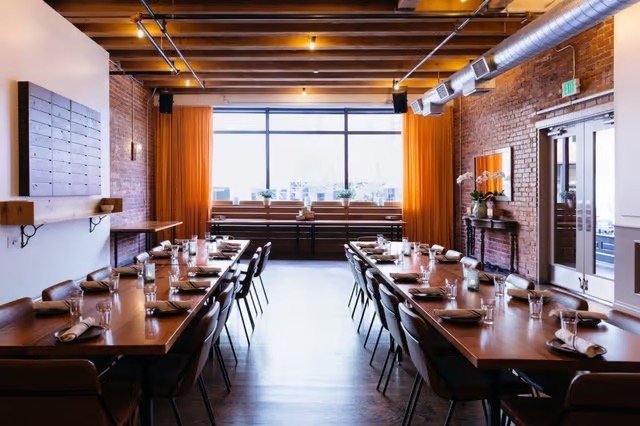
For Denver weddings, the ceremony may need to fit the tempo of a polished venue, rooftop, private club, hotel, restaurant, art space, or urban garden. For Golden weddings, the foothills, Clear Creek, historic spaces, and mountain light can influence the ceremony’s tone. For Boulder weddings, couples often balance natural scenery with a refined, intimate guest experience. For Colorado elopements, the ceremony may be just the couple, the officiant, the photographer, and the weather. The place should shape the ritual. Not dominate it, not dilute it—shape it.
How a Wedding Officiant Helps Hold It All Together
A well-written wedding ceremony is not a pile of meaningful parts. It is a sequence. The wedding officiant’s job is to make that sequence feel natural. That means knowing when to explain, when to be quiet, when to slow the room down, and when to move the ceremony forward. It also means protecting the couple from two common extremes: a ceremony so minimal it feels thin, or one so full of additions that the couple disappears inside it. For couples including family, culture, or traditions, the wedding officiant should help with:
Ceremony structure and timing.
Tone and language.
Family-role decisions.
Ritual placement.
Transitions between traditions.
Inclusive wording.
Non-religious or interfaith adaptations.
Vow and reading placement.
Practical staging.
The emotional arc of the ceremony.
A modern ceremony can include old things. It can include sacred things. It can include humor, memory, family complexity, cultural specificity, and quiet elegance. What it cannot include is everything. The art is choosing.
Related Articles
From the Michael Moody Officiant wedding blog directory:
How to Personalize Your Wedding Ceremony Without Making It Awkward or Overlong
Preparing for Your Wedding Ceremony in Colorado: A Couple’s Guide
Common Wedding Ceremony Planning Challenges and How to Overcome Them
How to Get Married in Colorado: Marriage License Guide for 2026
Colorado Front Range Elopement Guide: Hiking-In Wedding Ceremonies and Scenic Trails
The directory includes ceremony planning articles, wedding-specific planning guidance, Front Range elopement content, and relationship-focused resources for couples planning meaningful Colorado ceremonies.
About the Author: Michael Moody, Wedding Officiant
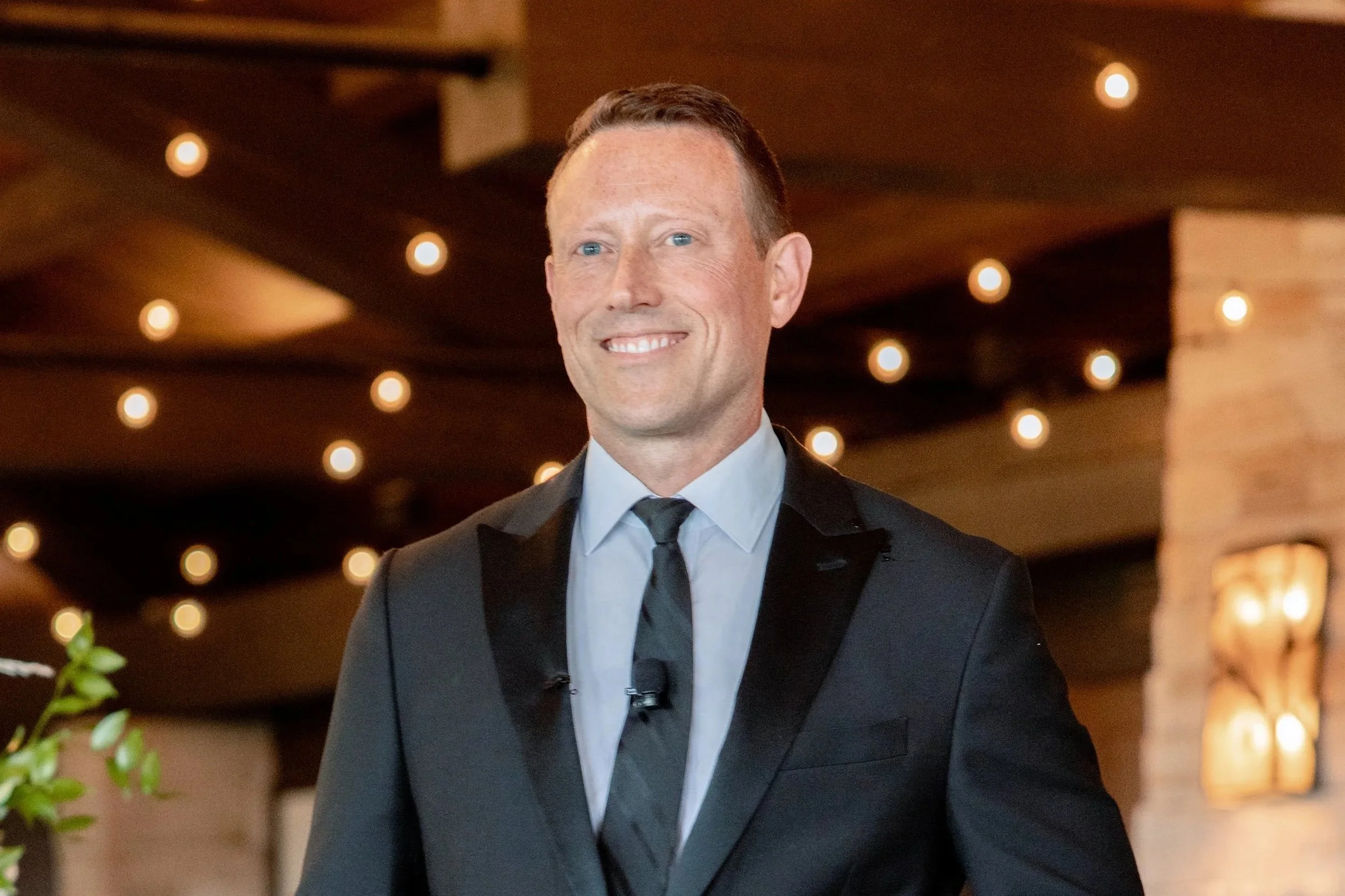
Michael Moody is a Colorado wedding officiant serving Denver, Boulder, Golden, Larkspur, and mountain communities throughout the state. Since 2012, he has officiated more than 300 weddings, bringing a calm presence, thoughtful guidance, and emotionally grounded ceremony writing to couples seeking a meaningful experience. He also offers Colorado elopement ceremonies for couples who want something intimate, intentional, and beyond the boundaries of a traditional wedding day. His work is shaped by a lifelong interest in connection, reflection, and personal growth. Michael is the author of the self-improvement book Redefine Yourself: The Simple Guide to Happiness and host of The Elements of Being podcast. As a wedding officiant, he draws from that same foundation: the belief that our relationships, words, and everyday interactions help shape a life rooted in love, empathy, and purpose. Michael’s ceremony work has been recognized across Colorado. He is a 2023 WeddingWire Couples’ Choice Award winner in Denver, marking his eighth consecutive year receiving the honor. He was also named “Best Business of 2024, 2025, and 2026” by Three Best Rated and earned “The Best Wedding Officiant in Commerce City, Colorado for 2024” from Quality Business Awards USA.
Beyond weddings, Michael and his wife, Sammy, have sponsored an annual student scholarship for more than 10 years. They also founded Civic Growth Alliance, a 501(c)(4) nonprofit dedicated to strengthening communities through civic advocacy, resident engagement, strategic partnerships, public safety initiatives, neighborhood vitality, and community well-being.
Wedding locations: Michael officiates wedding ceremonies in the Denver neighborhoods of LoDo, River North, Washington Park, Cherry Creek, City Park, Central Park, Capitol Hill, Cheesman Park, Park Hill, Lower Highlands, and Sloan Lake. Michael also serves as an ordained minister in Larkspur, Littleton, Golden, Boulder, Breckenridge, Frisco, Aspen, Vail, Estes Park, and more. If your Denver neighborhood or Colorado town isn’t listed here, no worries! Please contact Michael to propose a wedding ceremony location in a different area!
Wedding Planning Tips
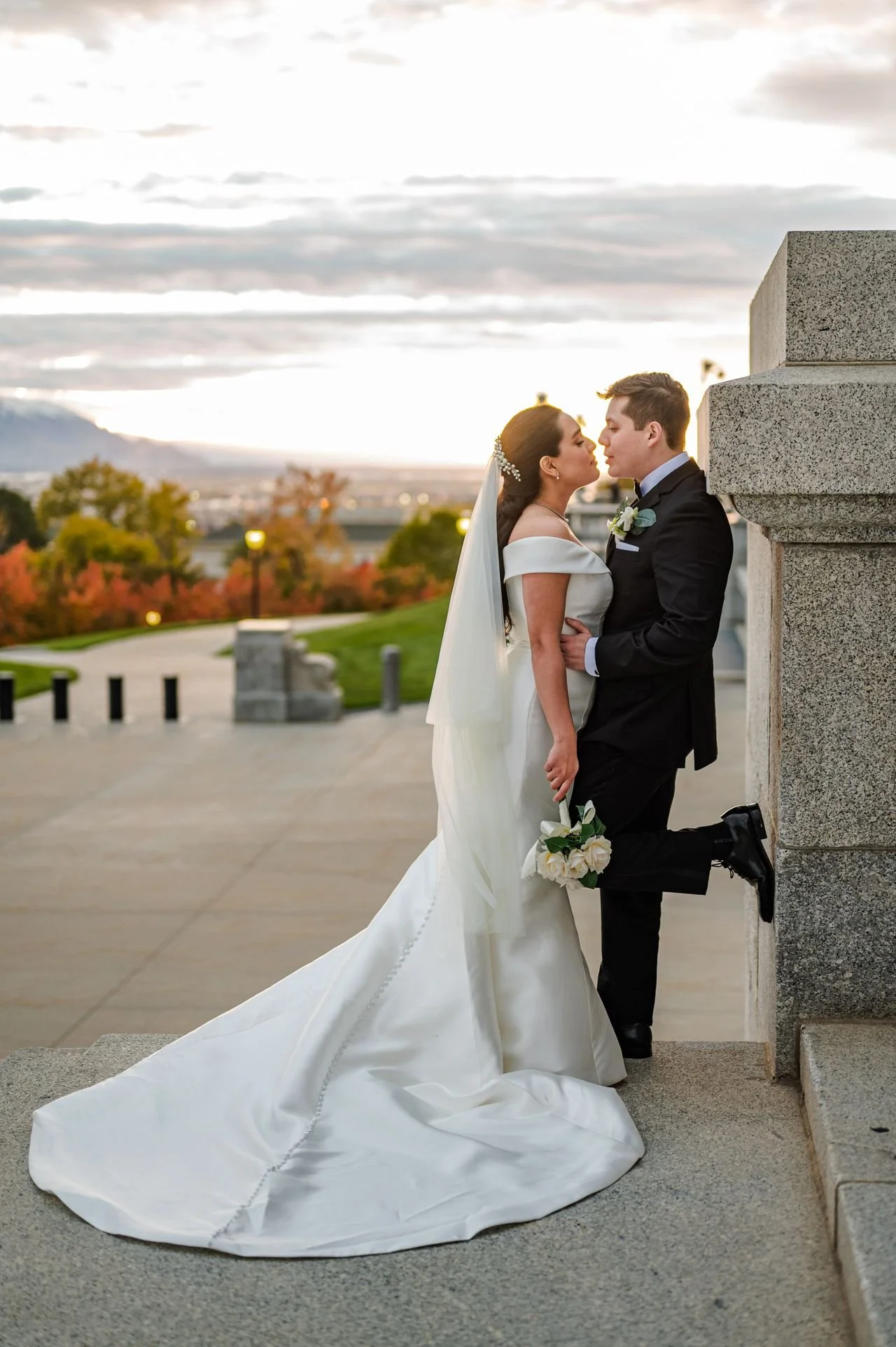
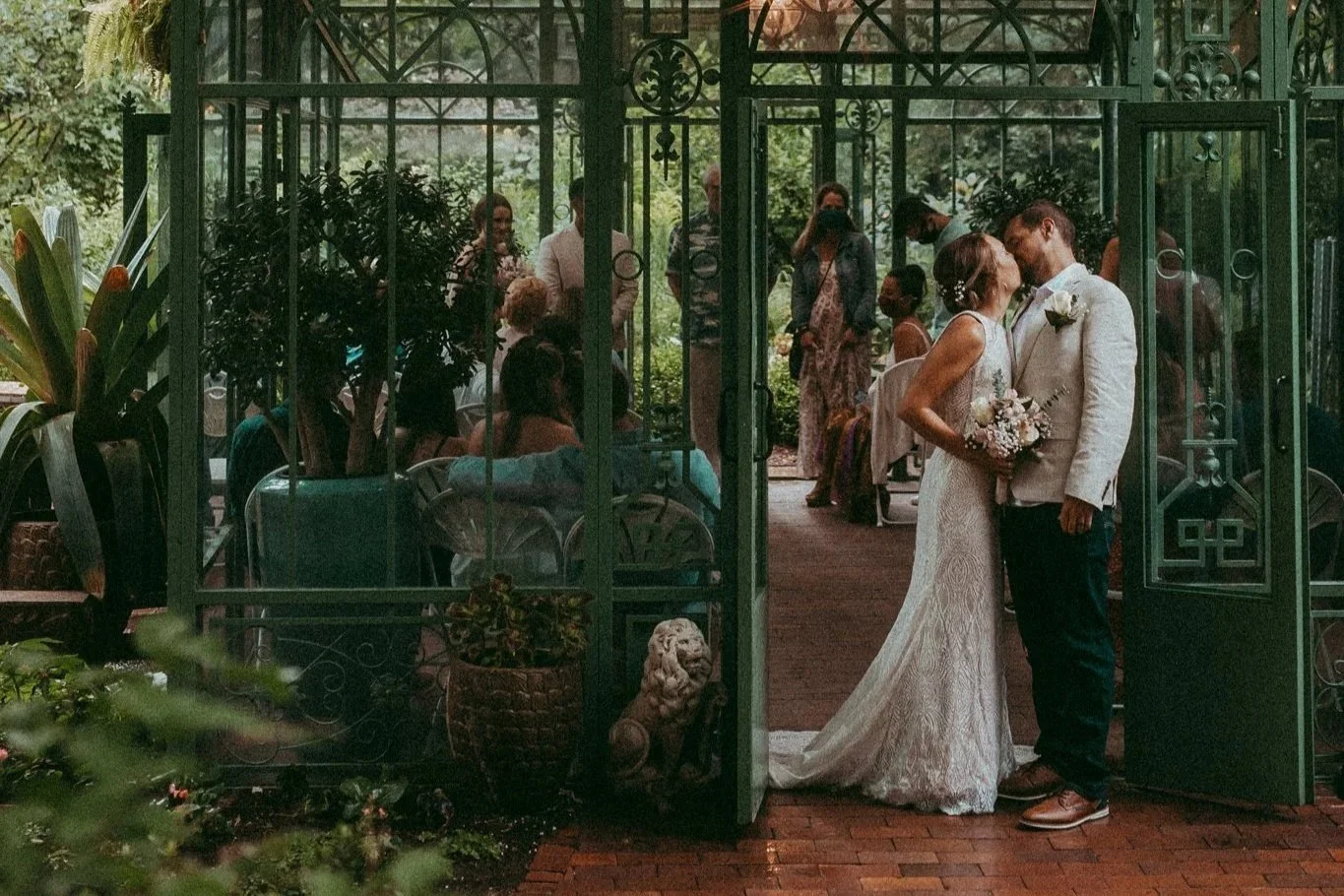



Michael Moody is a Colorado wedding officiant serving couples in Denver, Boulder, Golden, and scenic elopement locations throughout the Front Range and beyond. His ceremonies are written with care for the couple’s story, family context, cultural traditions, and emotional tone of the day—whether the setting is a refined Denver venue, a foothills ceremony in Golden, a Boulder celebration with mountain views, or an intimate Colorado elopement ceremony shaped by place, privacy, and meaning.