Summary
When should you book a wedding officiant? Most couples should reserve one 8–12 months ahead—and earlier for peak Colorado dates, custom ceremonies, and mountain elopements. Compare timelines, booking advice, questions to ask, and tips for hiring an elopement wedding officiant in Denver, Boulder, Golden, or Colorado.
How far in advance should you book a wedding officiant?
Book your wedding officiant 8–12 months before the ceremony. Reserve 12–18 months ahead for a popular Saturday, Colorado’s peak wedding season, a destination celebration, or a highly personalized ceremony. If your wedding is fewer than six months away, begin contacting qualified officiants immediately and remain flexible about timing.
Frequently Asked Questions (FAQ)
1. When should you book a wedding officiant?
Most couples should book a wedding officiant 8–12 months before the wedding. Begin 12–18 months ahead for a popular Saturday, peak-season Colorado wedding, destination celebration, or particular officiant.
2. Is nine months early enough to book an officiant?
Yes. Nine months falls within the standard booking window recommended by major wedding-industry planning resources. Contact candidates promptly if your date is during Colorado’s May–October wedding season.
3. Should you book the venue or officiant first?
Book the venue first in most cases because the officiant needs a confirmed date, location, and ceremony time. If a specific officiant or clergy member is essential, compare their availability while considering venue dates.
4. Can you book a wedding officiant three months before the wedding?
Yes, although your choices may be narrower. Contact several qualified officiants, remain flexible about ceremony timing, and confirm that the full preparation process can be completed before the wedding.
5. When should you book an officiant for a Colorado elopement?
Book a Colorado elopement officiant 9–12 months ahead when the ceremony involves mountain travel, permits, trail access, or a peak-season weekend. A simpler weekday elopement may require less lead time.
6. What information does an officiant need before booking?
Provide the date, ceremony time, venue, city, guest count, ceremony style, personalization preferences, rehearsal needs, and any cultural or religious elements. These details help the officiant confirm availability and provide accurate pricing.
7. How long does it take to plan a personalized wedding ceremony?
The active writing process may occur during the final two or three months, but booking earlier allows time for interviews, questionnaires, vow guidance, revisions, and vendor coordination.
8. What if our preferred wedding officiant is already booked?
Ask whether the officiant maintains a trusted referral list, then contact the alternatives promptly. You may also gain options by moving the ceremony time or choosing a Friday, Sunday, or weekday date.
9. Do Colorado couples legally need a wedding officiant?
Colorado permits self-solemnization, so an officiant is not legally required. Many couples still hire one to write and lead the ceremony, manage pacing, support vows, coordinate cues, and give the occasion a clear emotional shape.
10. Does booking an officiant reserve the wedding date?
Usually, the date is reserved only after the contract is signed and the required retainer is paid. A consultation, verbal agreement, or unanswered proposal does not necessarily place the date on hold.
Key Topics
when should you book a wedding officiant, how far in advance to book a wedding officiant, when to hire a wedding officiant, wedding officiant booking timeline, Colorado wedding officiant
how early should you book a wedding officiant, wedding officiant planning timeline, when to book wedding vendors, Denver wedding officiant, Boulder wedding officiant, Golden wedding officiant, Colorado elopement officiant, book a wedding officiant in Colorado, last-minute wedding officiant, questions to ask a wedding officiant, peak wedding season Colorado, mountain elopement officiant
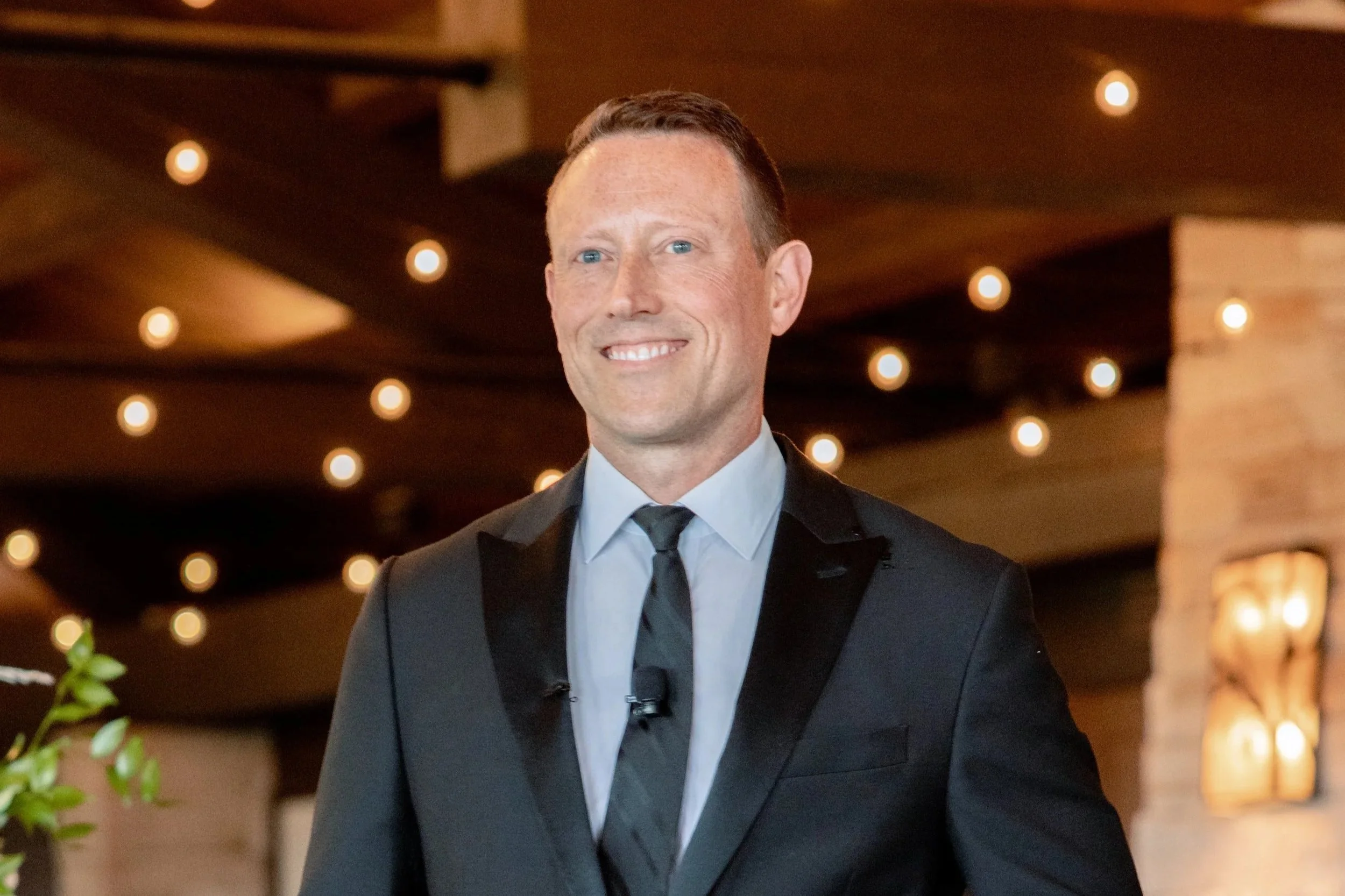
Wedding Officiant Denver
Why the Wedding Officiant Belongs Near the Beginning of the Vendor Timeline
The wedding officiant is sometimes treated as a late-stage hire, tucked somewhere between ordering place cards and confirming the cake delivery. That order misunderstands the job. The officiant does not merely arrive, recite a passage, and pronounce a marriage. This person helps decide how the ceremony will sound, how it will move, what traditions it will include, and how the legal paperwork will be handled. A strong officiant may spend months learning a couple’s story, shaping the script, helping with vows, clarifying processional cues, coordinating with other vendors, and preparing for the small disruptions that occur whenever people, weather, and emotion share the same twenty minutes. Recent industry guidance reflects that larger role. Zola’s vendor-booking timeline, updated in 2024, recommends reserving an officiant approximately eight to ten months before the wedding. A 2025 guide from The Knot goes further, reporting that many officiants advise booking about a year in advance to allow time for consultation and personalization. (Zola, The Knot)
For a city ceremony, couples can explore Denver wedding officiant services. Those planning near the foothills may consider Golden wedding officiant services, while couples drawn to the Flatirons can review Boulder wedding officiant services. Mountain celebrations require their own timetable, particularly when travel, public-land rules, and uncertain weather come into play.
Table of Contents
Why the wedding officiant belongs near the beginning of the vendor timeline
The best booking window for most weddings
When to book 12–18 months ahead
When an 8–12-month timeline works well
Can you book a wedding officiant 3–6 months before the wedding?
What to do when the wedding is less than three months away
When to book an officiant for a Colorado elopement
Book the wedding officiant before—or after—the venue?
What to confirm before signing a contract
What happens after the officiant is booked
A practical wedding-officiant booking timeline
The Best Booking Window for Most Weddings
For most couples, 8–12 months before the wedding is the useful middle ground. At that point, the date and venue are usually confirmed, the ceremony style is becoming clearer, and experienced officiants are more likely to have availability. This window gives you time to compare candidates without making a decision under pressure. You can read full reviews, watch ceremony footage if available, schedule consultations, study service agreements, and determine whether an officiant’s speaking style feels right for the room you are creating.
The calendar, however, is not evenly distributed. A Saturday afternoon in September is not equivalent to a Thursday morning in February. Colorado’s warmer months draw weddings to Denver rooftops, Boulder venues, Golden overlooks, foothill estates, and mountain destinations. The most desirable dates may disappear well before the average date does. A practical rule: once your venue and ceremony time are secure, move the officiant into the next group of vendors you contact.
When to Book 12–18 Months Ahead
An earlier reservation is sensible when the date or ceremony carries additional constraints. Consider booking 12–18 months in advance if:
Your wedding falls on a Saturday from May through October.
You have chosen a memorable date or holiday weekend.
You want a particular officiant rather than whoever remains available.
Your ceremony will include an extensively written relationship story.
You want vow coaching, marriage-preparation sessions, or rehearsal leadership.
Your wedding involves interfaith, cultural, or family traditions requiring careful discussion.
The officiant must travel to Aspen, Telluride, Vail, Breckenridge, Estes Park, Crested Butte, or another mountain destination.
Your venue limits access to the ceremony or offers a narrow rehearsal schedule.
Early booking does not mean writing the complete ceremony a year in advance. It secures the relationship. The detailed work can unfold later, when you know more about the wedding party, readings, music, family participation, and vows. This is particularly valuable when you want the ceremony to sound composed rather than assembled. Good writing needs information, revision, and distance. A couple’s best stories rarely emerge from a questionnaire completed at midnight during the final week before the wedding.
When an 8–12-Month Timeline Works Well
The standard window is usually sufficient for a local wedding with a confirmed venue and a flexible ceremony plan. Begin by identifying three to five officiants whose tone, experience, service area, and approach fit the celebration. Zola recommends meeting several potential officiants and assessing more than credentials alone. Couples should consider the ceremony style, public-speaking ability, personalization, experience, availability, and comfort with the officiant for both partners. (Zola). Listen closely during each consultation. Does the officiant ask precise questions, or mostly speak about their own process? Can they explain how they handle vows, readings, rituals, rehearsals, microphones, late arrivals, family sensitivities, and the marriage license? Do their answers feel settled without sounding rehearsed? The best consultation should leave you with a clearer picture of the ceremony—not simply a price.
Can You Book a Wedding Officiant 3–6 Months Before the Wedding?
Yes. Three to six months can be enough, especially for a weekday, a Sunday, an off-season date, an intimate wedding, or a simple ceremony. You will need to move quickly, but you should not discard your standards. Contact several wedding officiants at once and provide the details needed to determine availability:
Wedding date
Ceremony start time
Venue and city
Estimated guest count
Religious, spiritual, secular, or blended preference
Desired ceremony length
Rehearsal needs
Degree of personalization
Any cultural rituals or family participation
Whether you are writing personal vows
A concise inquiry receives a more useful response than “What are your prices?” The date may technically be open, but the travel time, rehearsal, or scope of the ceremony makes the booking impractical. At this stage, ask for a consultation within several days and review the agreement promptly. A professional should give you enough time to read the contract, but an unsigned proposal does not normally reserve a popular date.
What to Do When the Wedding Is Less Than Three Months Away
A short engagement, a changed plan, a cancellation, or a family wedding officiant's withdrawal can leave a couple searching late. Do not assume that all experienced officiants are unavailable. Calendars change, and weekday or nontraditional ceremony times often remain open. Begin the search immediately. Broaden the radius around the venue, consider adjusting the ceremony time, and decide which services are indispensable. A fully developed relationship narrative may require more lead time than a polished, lightly personalized ceremony. Ask direct questions:
Can you complete your normal preparation process within our timeline?
How many meetings will we have?
Will we review the ceremony before the wedding?
Can you help with personal vows?
Are rehearsal services available?
Who handles the marriage license after the ceremony?
What happens if you become ill or face an emergency?
Do not let urgency erase due diligence. Confirm the wedding officiant’s legal authority, experience, cancellation terms, fees, arrival time, attire, sound requirements, and backup policy before paying.
Quick Summary List:
Book most wedding officiants 8–12 months before the ceremony.
Reserve 12–18 months ahead for peak Saturdays or a particular officiant.
Confirm the venue, date, and ceremony time before signing.
Begin earlier for mountain elopements, travel, permits, or extensive customization.
A 3–6-month timeline can work if you act promptly.
Ask about writing, vows, rehearsals, travel, legal paperwork, and backup coverage.
Treat the consultation as an assessment of voice, judgment, and composure—not only price.
When to Book a Wedding Officiant for a Colorado Elopement
For a simple elopement at an accessible private venue, six to nine months may be sufficient. For a destination or hiking-in ceremony, 9–12 months is safer, with more time advisable for a peak-season weekend or a location requiring permits and travel reservations. An elopement may have fewer guests, but it is not necessarily simpler. The officiant may need to assess trail access, elevation, parking, sunrise timing, weather exposure, ceremony privacy, seasonal closures, footwear, and the safe transport of the marriage license. Public lands may impose permit rules or group-size restrictions. Couples considering a mountain ceremony can review Colorado elopement ceremony services. Reserve the officiant after confirming that the proposed setting is legally accessible and workable, but before finalizing a schedule built around assumptions about travel time or trail conditions.
Book the Wedding Officiant Before—or After—the Venue?
In most cases, book the venue first. The wedding officiant needs a confirmed date, location, and approximate ceremony time to determine availability and travel requirements. Zola’s 2024 vendor timeline likewise places the venue first, as the date must be set before most other vendors can commit. (Zola). There are two exceptions. If a particular officiant is central to the ceremony, ask about their availability when comparing venue dates. The same approach applies to a religious ceremony in which a clergy member or place of worship imposes scheduling requirements. Otherwise, the clean sequence is:
Choose the general location and budget.
Reserve the venue and ceremony time.
Contact officiants immediately.
Confirm the officiant before turning to lower-priority ceremony details.
What to Confirm Before Signing a Contract
The Knot describes a wedding officiant’s general duties as preparing and leading the ceremony, completing the legal paperwork, and, when that service is included, returning it to the appropriate office. The exact scope still varies, which is why the agreement deserves a careful reading. (The Knot) Confirm the following:
Ceremony-writing and personalization process
Number and format of planning meetings
Vow-writing or review assistance
Rehearsal availability and cost
Travel charges
Arrival and departure times
Coordination with the planner, photographer, and DJ
Marriage-license responsibilities
Ceremony-script review policy
Deposit, balance, cancellation, and rescheduling terms
Emergency backup plan
Permission for photography, video, or ceremony audio
Style should also be discussed plainly. “Warm,” “modern,” and “personal” can mean almost anything. Ask how the wedding officiant balances humor and gravity, handles religious references, incorporates family stories, and prevents a personalized ceremony from becoming overlong.
What Happens After the Wedding Officiant Is Booked?
Booking secures the date; it does not require the couple to make every ceremonial decision immediately. A well-paced process often includes an initial consultation, questionnaires or interviews, a planning meeting, vow guidance, ceremony drafting, vendor coordination, and a final confirmation. WeddingWire notes that couples commonly meet with their officiant roughly three months before the wedding to plan the ceremony in detail. The precise schedule depends on the service, but the final month should be used for refinement—not for discovering the ceremony’s basic shape. (WeddingWire). By the final week, the officiant should know the processional, readings, vows, ring plan, rituals, name pronunciations, the pronouncement, the recessional cue, and the license-signing arrangements. The ceremony can still breathe. It simply should not be improvising its own skeleton.
A Practical Wedding-Officiant Booking Timeline
12–18 Months Before
Reserve a wedding officiant for a peak Saturday, a destination wedding, a mountain ceremony, a distinctive date, or a deeply customized service.
8–12 Months Before
The preferred booking period for most Colorado weddings. Compare experience, style, packages, reviews, availability, and contract terms.
3–6 Months Before
Book promptly. Prioritize qualified candidates who can complete a thoughtful preparation process within the remaining time.
1–3 Months Before
Expand your search, remain flexible about ceremony time, and distinguish essential services from optional additions.
Fewer Than 30 Days Before
Look for a wedding officiant who specifically accepts short-notice ceremonies. Confirm legal authority, availability, ceremony scope, payment terms, and marriage-license duties in writing.
Related Articles
From the Michael Moody Officiant wedding blog directory:
Preparing for Your Wedding Ceremony in Colorado: A Couple’s Guide
How to Personalize Your Wedding Ceremony Without Making It Awkward or Overlong
Common Wedding Ceremony Planning Challenges and How to Overcome Them
How to Get Married in Colorado: Marriage License Guide for 2026
The directory includes ceremony planning articles, wedding-specific planning guidance, Front Range elopement content, and relationship-focused resources for couples planning meaningful Colorado ceremonies.
About the Author: Michael Moody, Wedding Officiant
Michael Moody is a Colorado wedding officiant serving Denver, Boulder, Golden, Larkspur, and mountain communities throughout the state. Since 2012, he has officiated more than 300 weddings, bringing a calm presence, thoughtful guidance, and emotionally grounded ceremony writing to couples seeking a meaningful experience. He also offers Colorado elopement ceremonies for couples who want something intimate, intentional, and beyond the boundaries of a traditional wedding day. His work is shaped by a lifelong interest in connection, reflection, and personal growth. Michael is the author of the self-improvement book Redefine Yourself: The Simple Guide to Happiness and host of The Elements of Being podcast. As a wedding officiant, he draws from that same foundation: the belief that our relationships, words, and everyday interactions help shape a life rooted in love, empathy, and purpose. Michael’s ceremony work has been recognized across Colorado. He is a 2023 WeddingWire Couples’ Choice Award winner in Denver, marking his eighth consecutive year receiving the honor. He was also named “Best Business of 2024, 2025, and 2026” by Three Best Rated and earned “The Best Wedding Officiant in Commerce City, Colorado for 2024” from Quality Business Awards USA.
Beyond weddings, Michael and his wife, Sammy, have sponsored an annual student scholarship for more than 10 years. They also founded Civic Growth Alliance, a 501(c)(4) nonprofit dedicated to strengthening communities through civic advocacy, resident engagement, strategic partnerships, public safety initiatives, neighborhood vitality, and community well-being.
Wedding locations: Michael officiates wedding ceremonies in the Denver neighborhoods of LoDo, River North, Washington Park, Cherry Creek, City Park, Central Park, Capitol Hill, Cheesman Park, Park Hill, Lower Highlands, and Sloan Lake. Michael also serves as an ordained minister in Larkspur, Littleton, Golden, Boulder, Breckenridge, Frisco, Aspen, Vail, Estes Park, and more. If your Denver neighborhood or Colorado town isn’t listed here, no worries! Please contact Michael to propose a wedding ceremony location in a different area!
Wedding Planning Tips
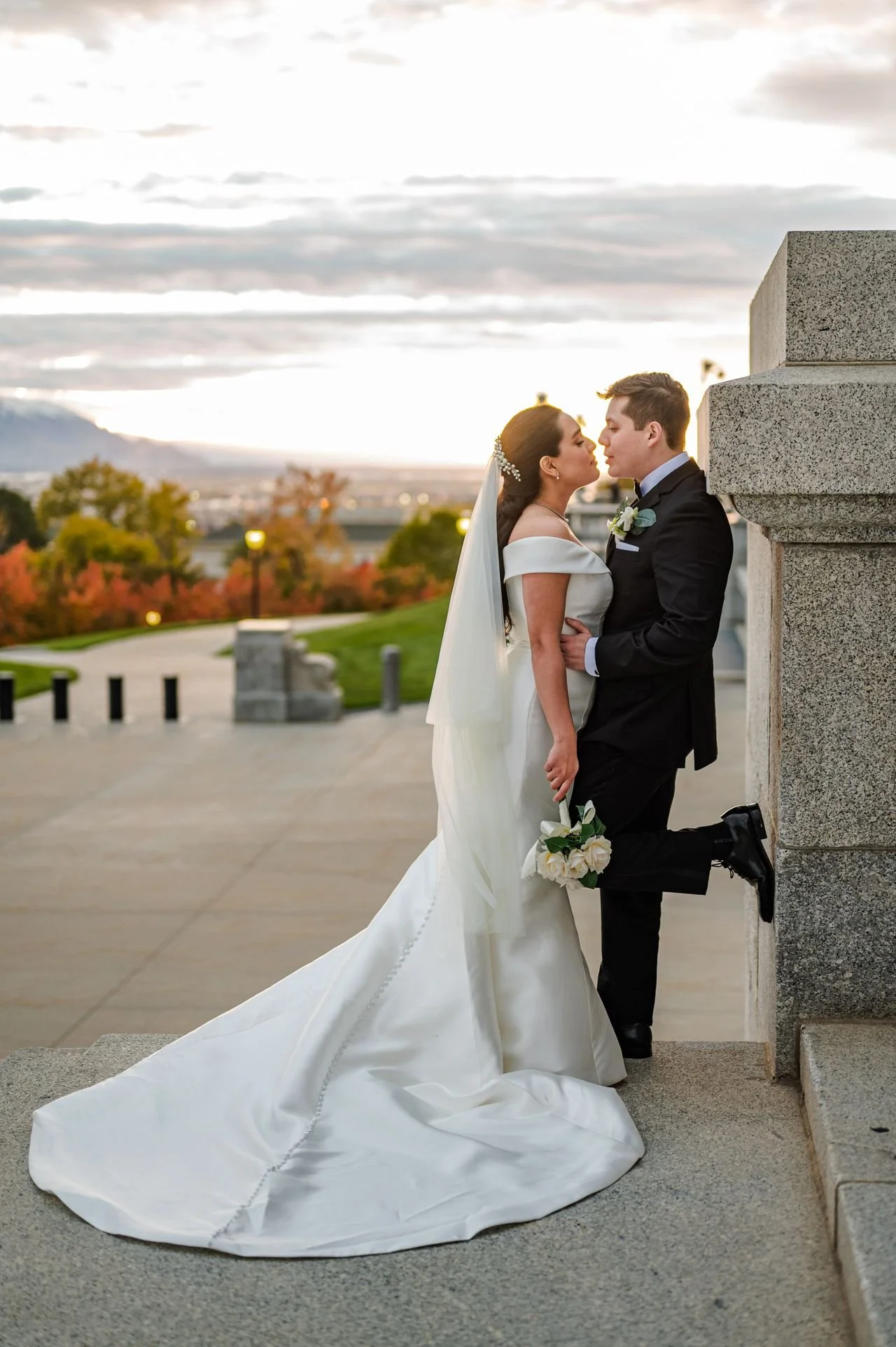
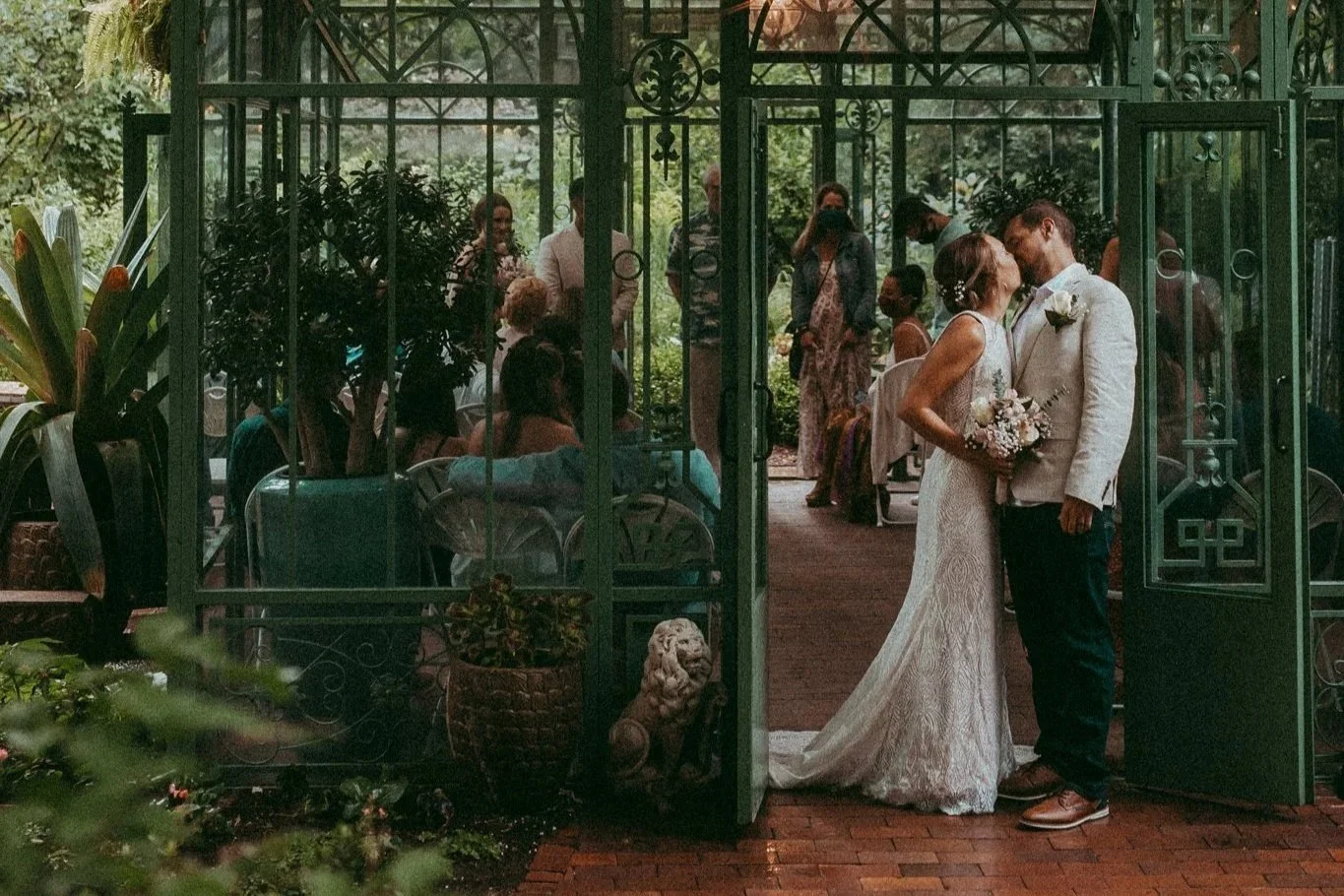

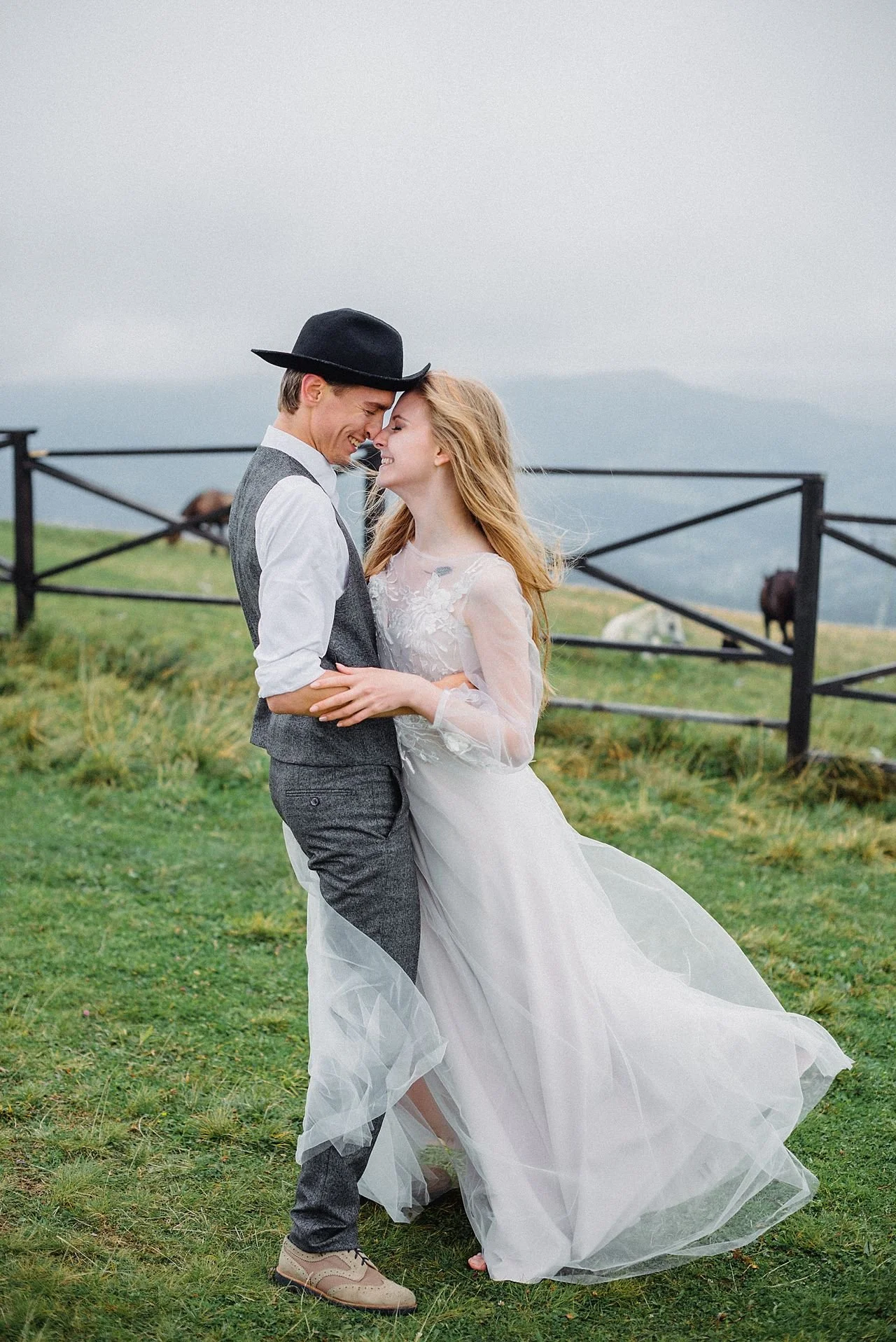
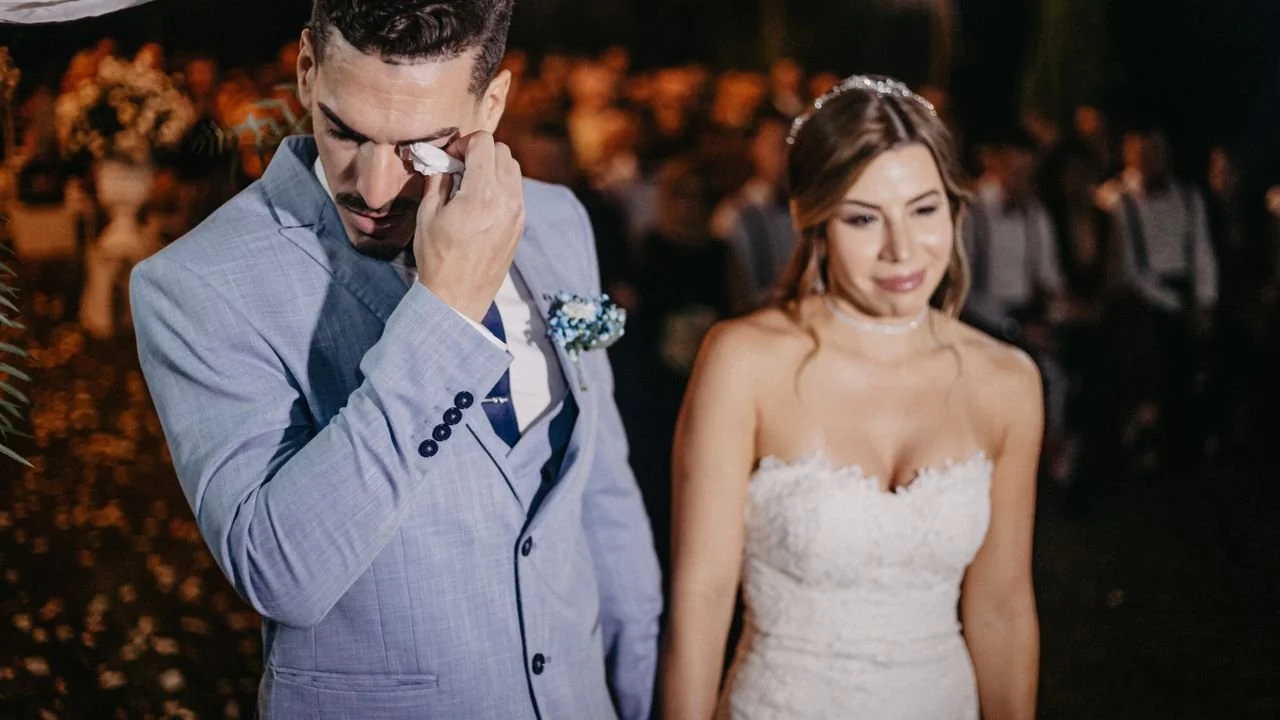
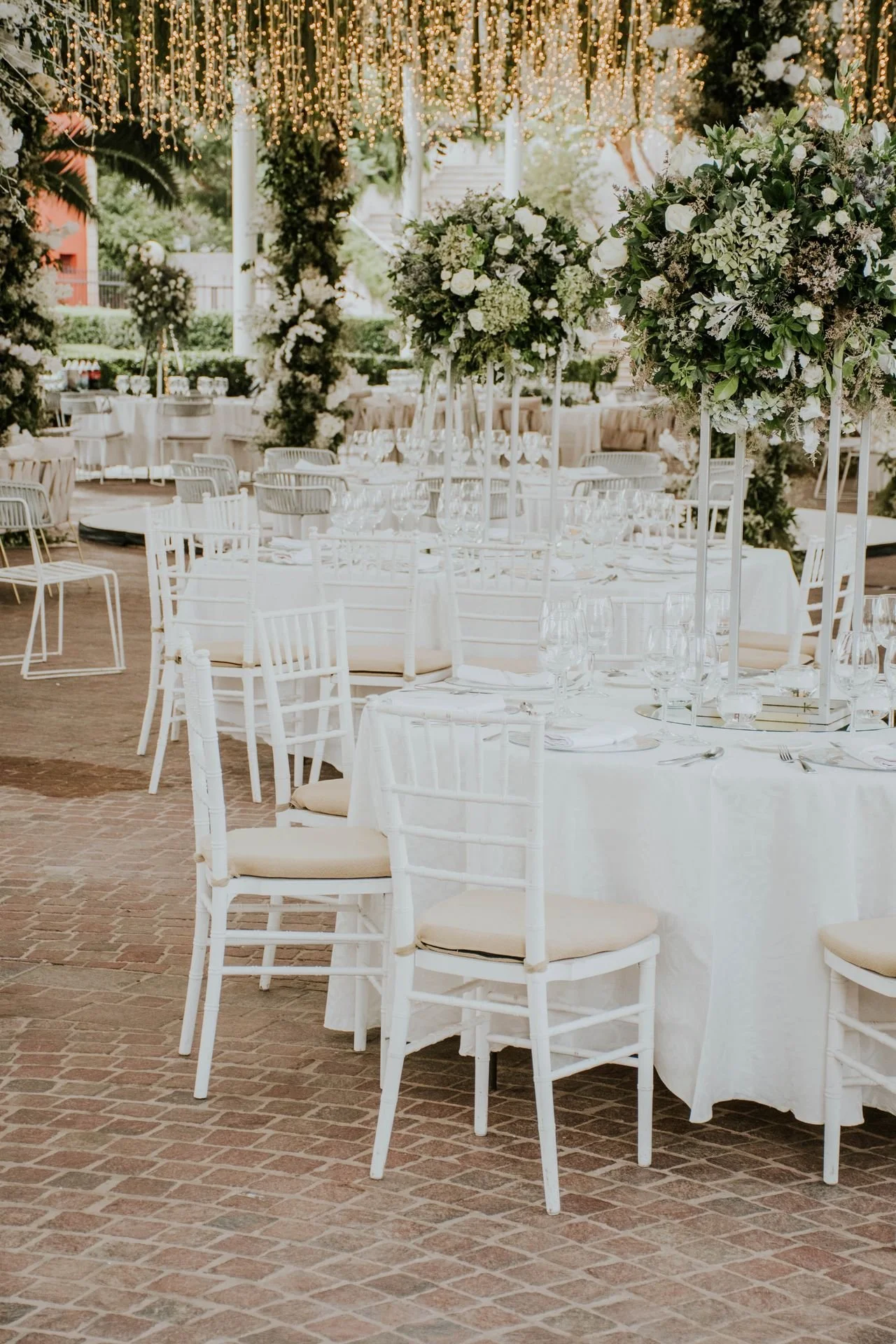
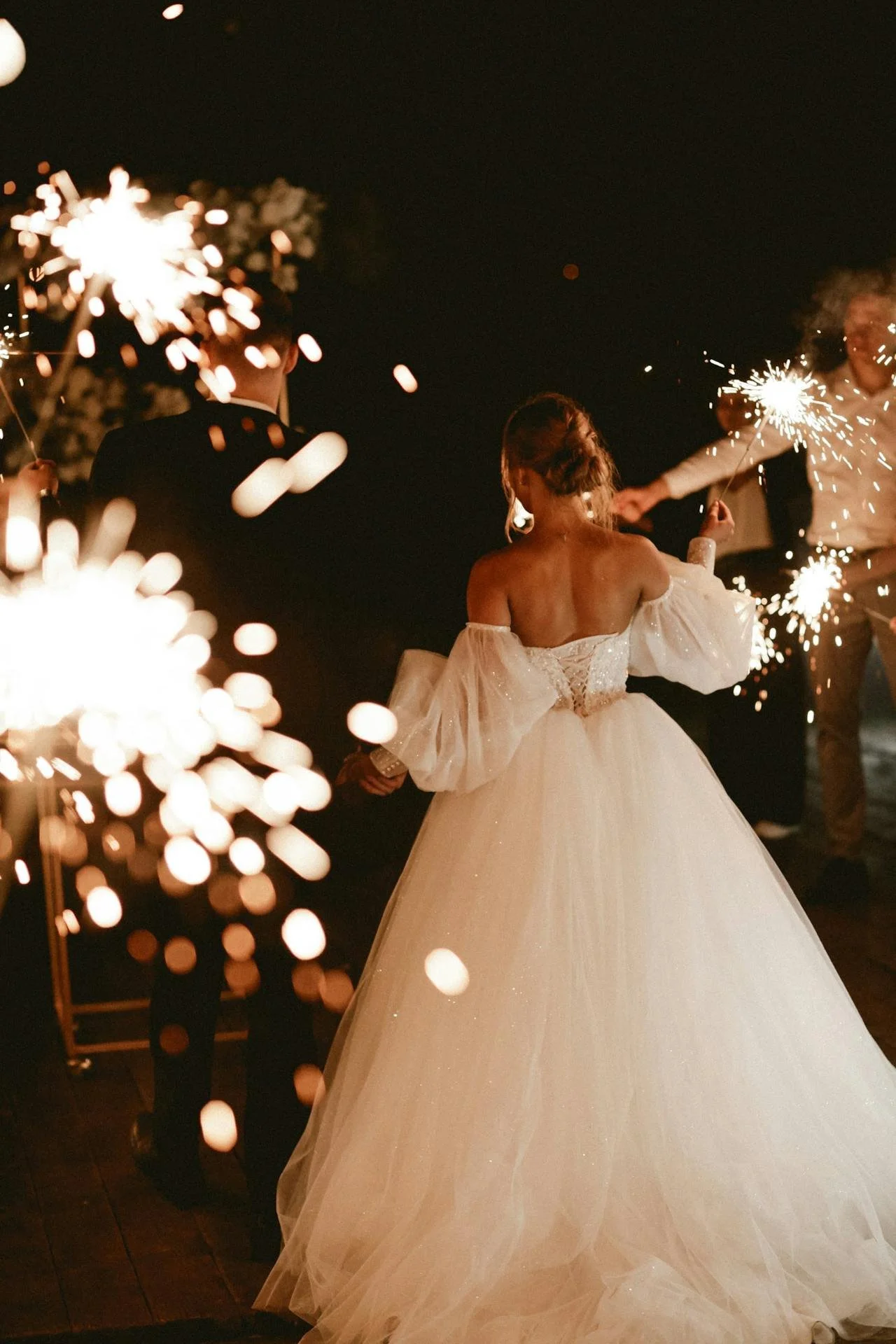

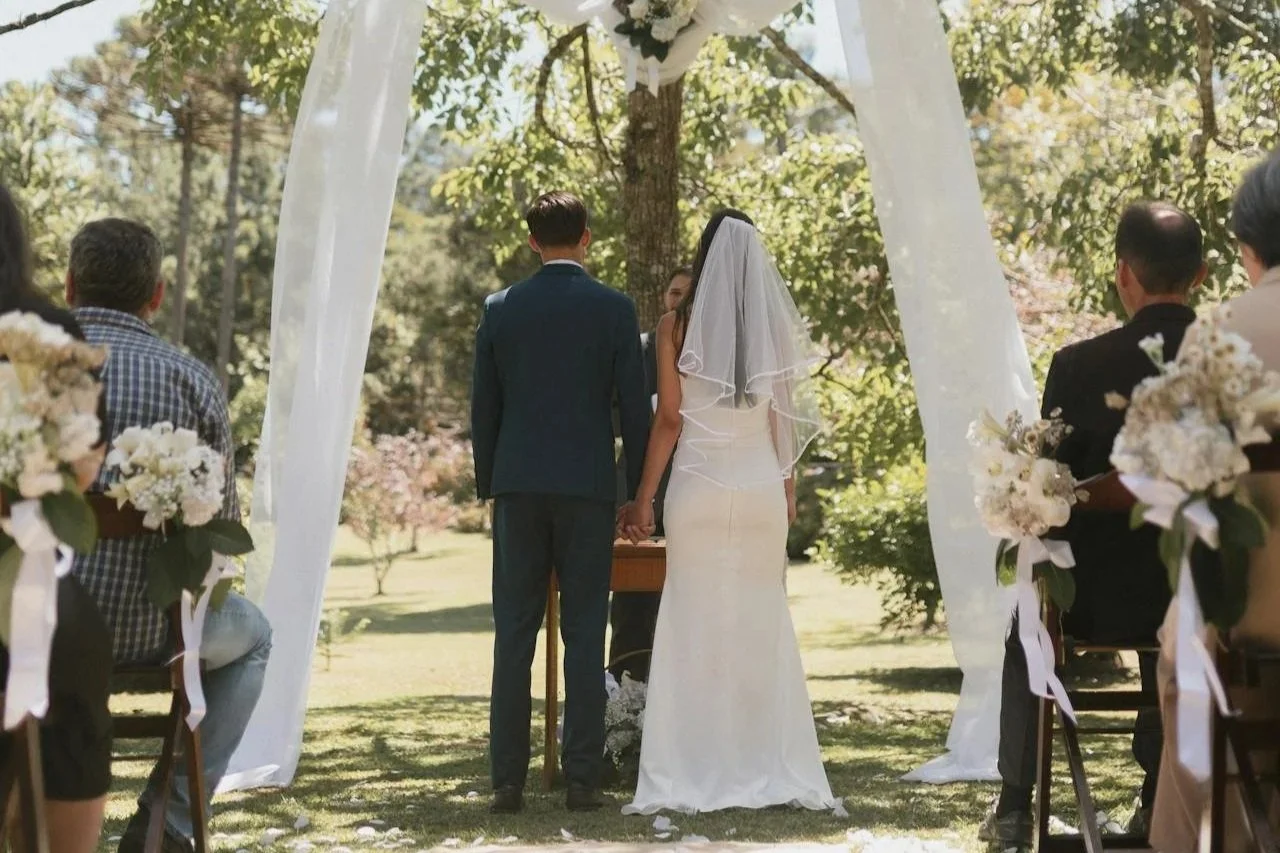
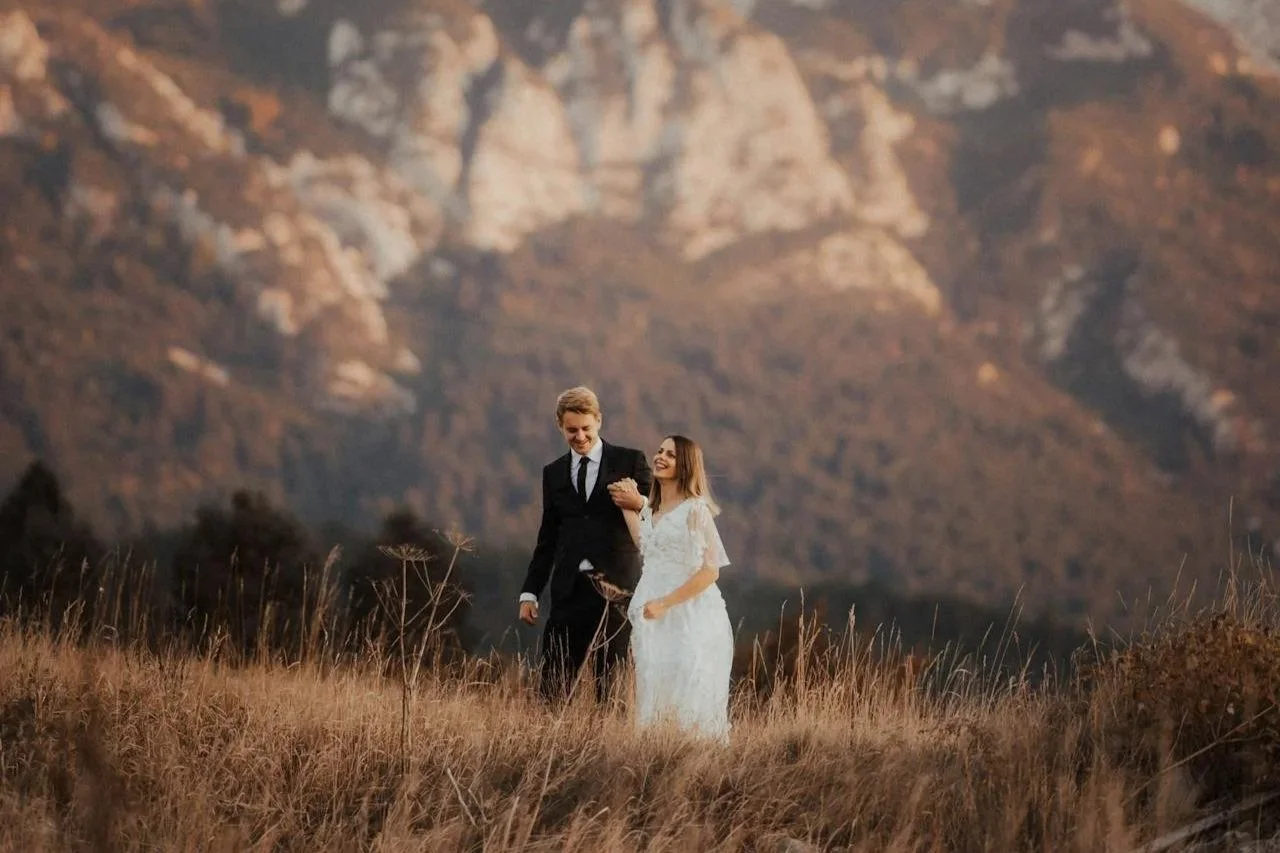

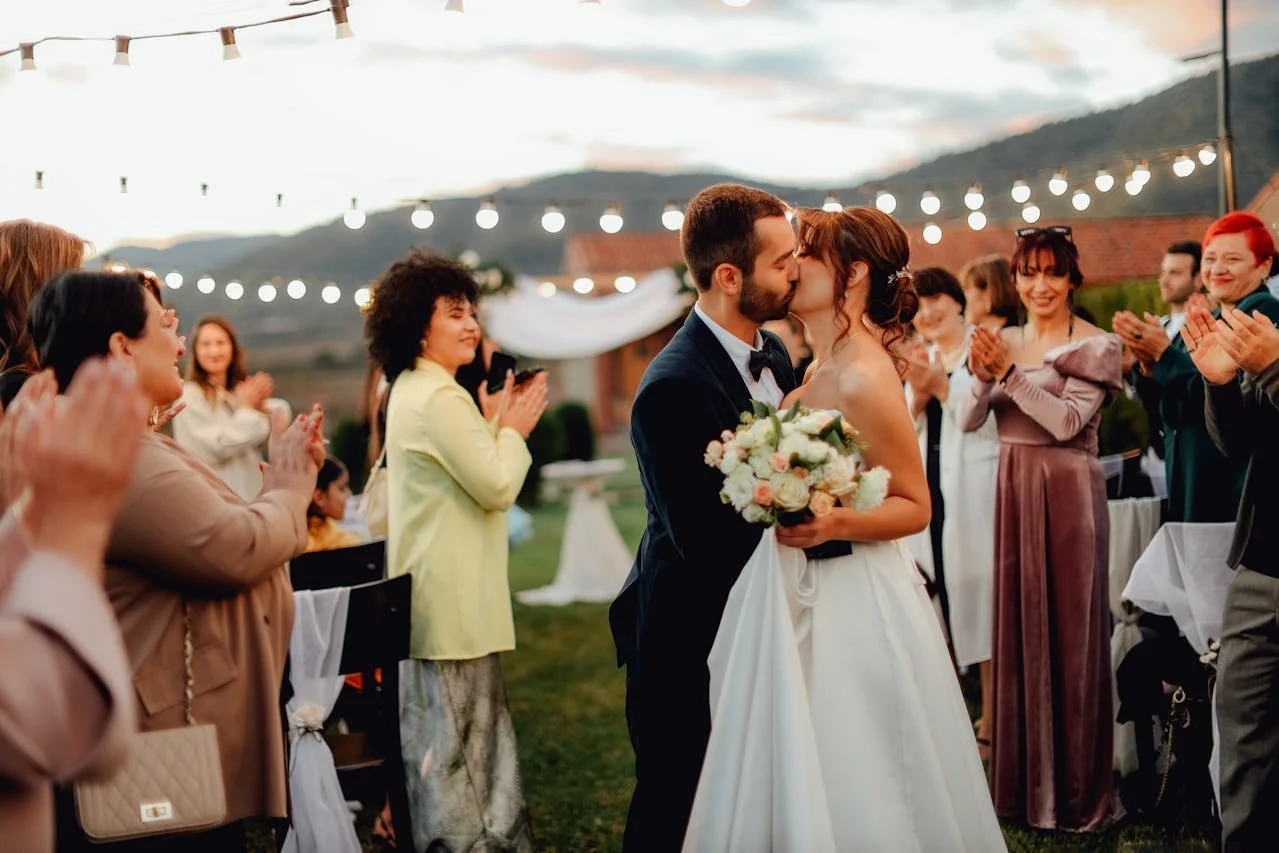
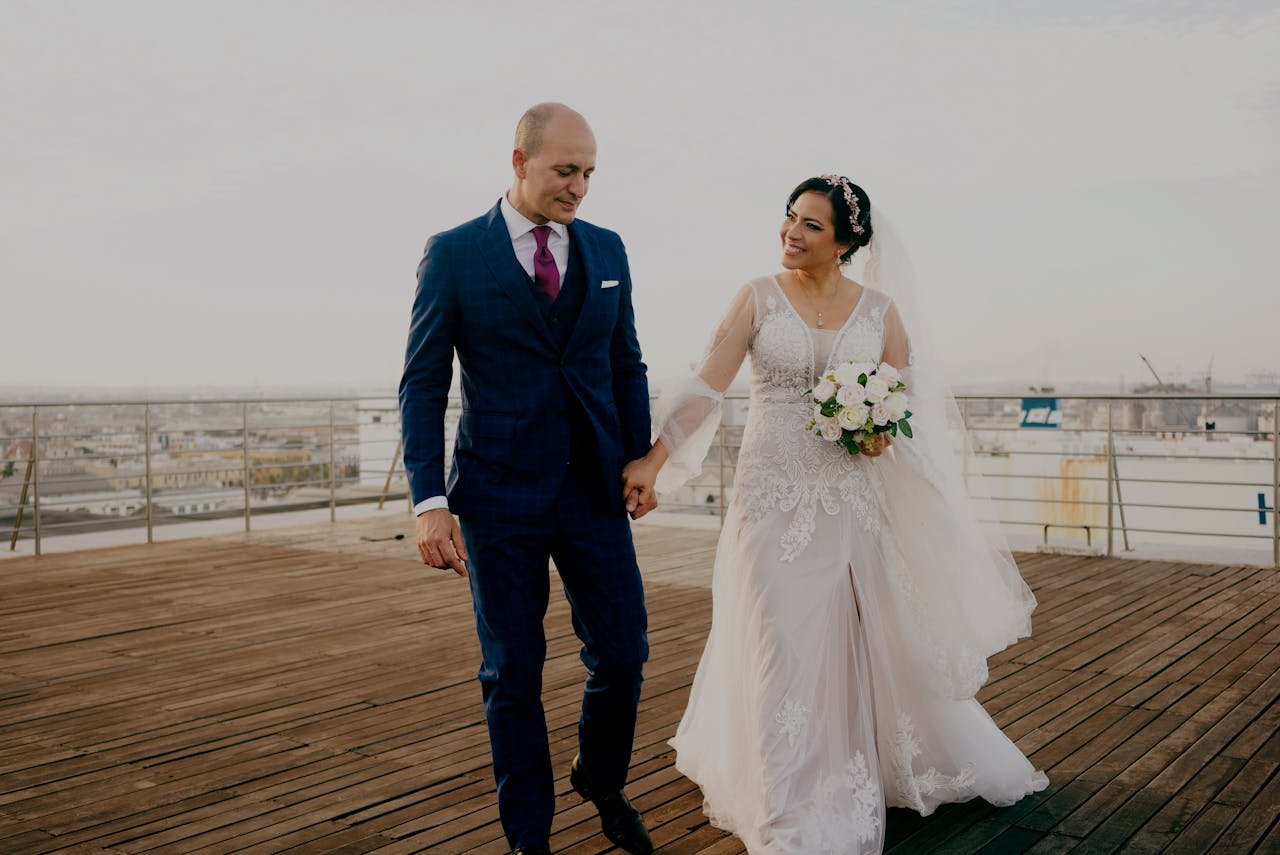

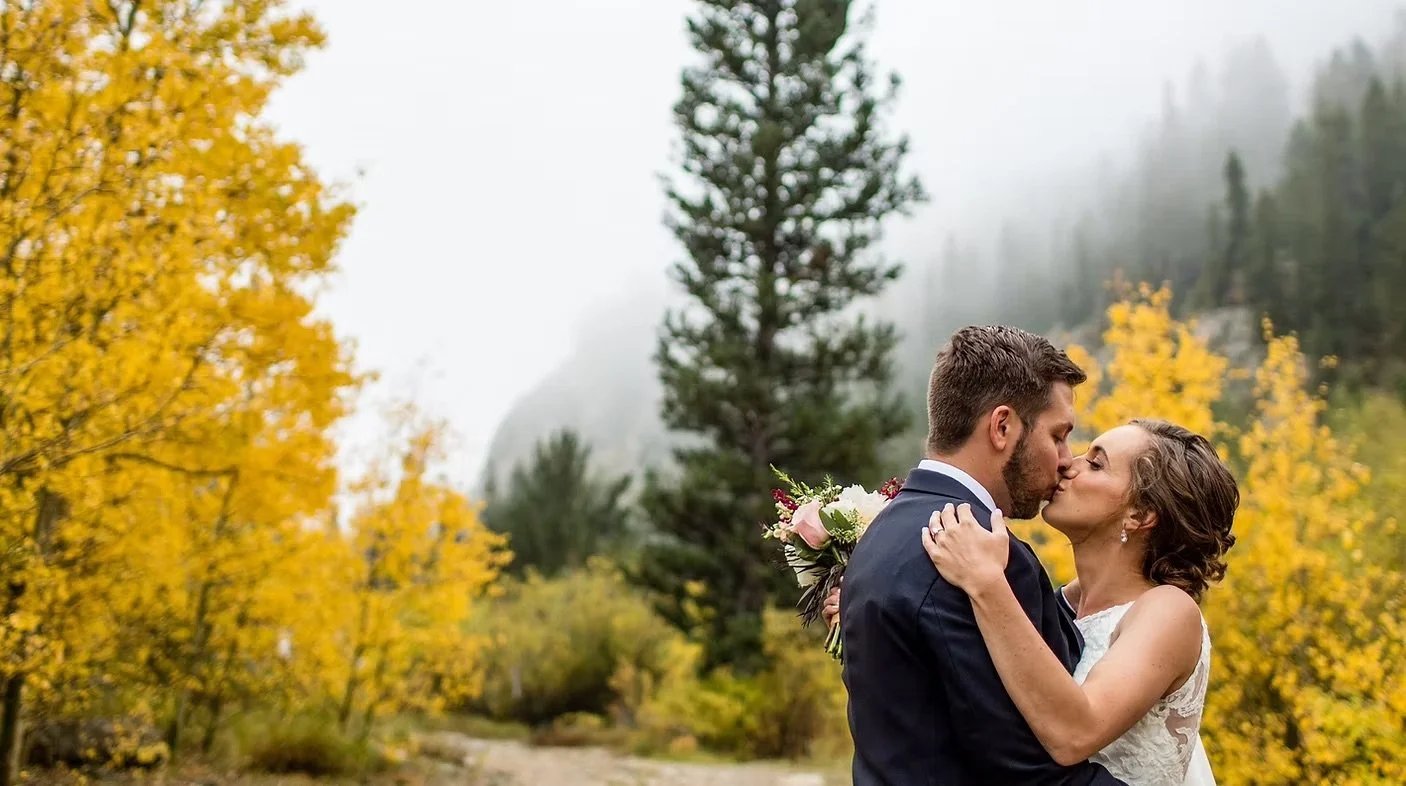

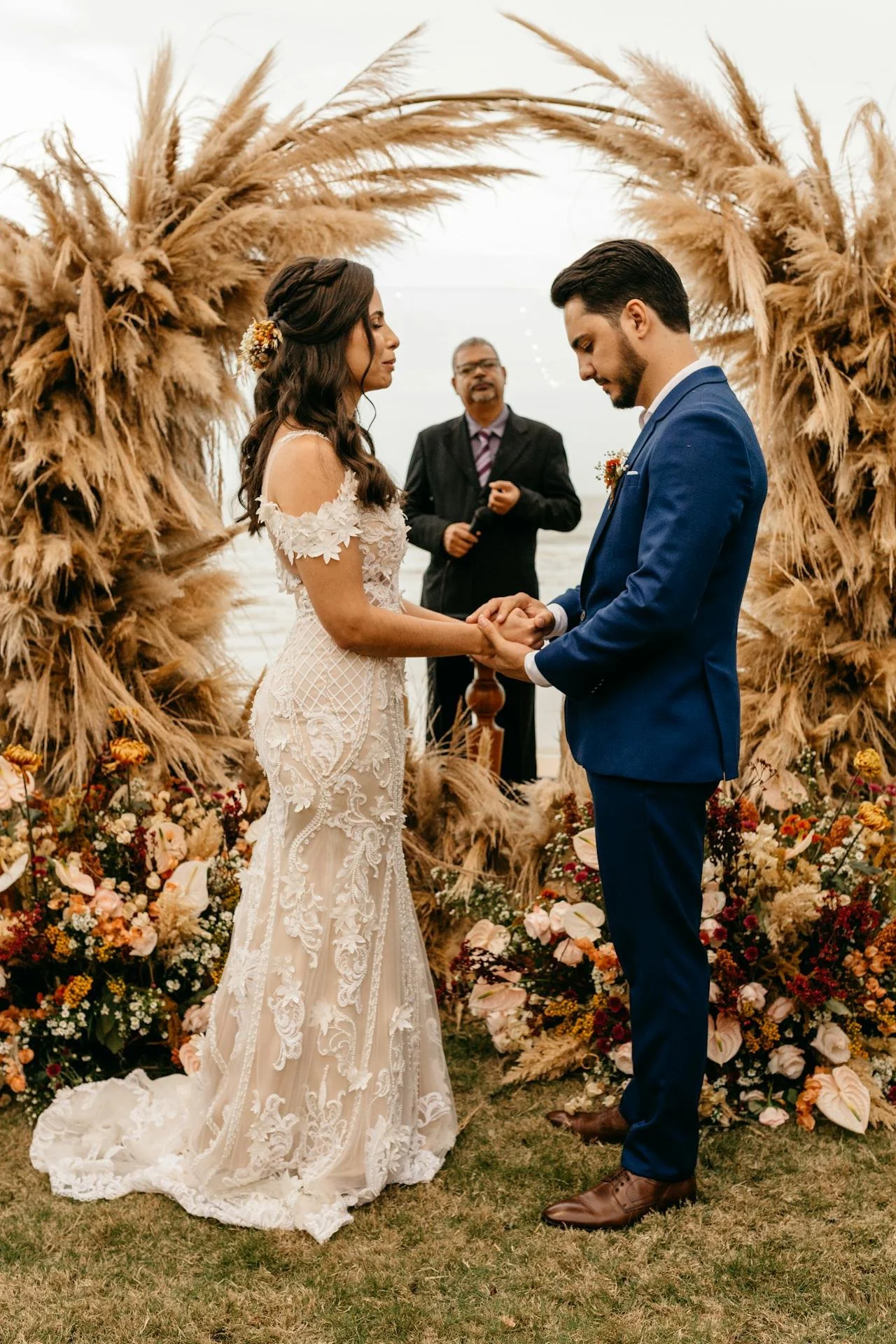





Michael Moody has officiated more than 300 weddings since 2012, serving couples through personalized Denver wedding ceremonies, Boulder wedding ceremonies, Golden wedding ceremonies, and intimate Colorado elopement ceremonies. His work includes non-religious, LGBTQ-inclusive, culturally attentive, and story-centered ceremonies shaped around the couple, the setting, and the emotional pace of the day.