Summary
Hiring a wedding officiant? Ask these essential questions about ceremony style, personalization, vows, legal duties, rehearsal support, pricing, backup plans, and Colorado wedding logistics before you book.
What questions should you ask before hiring a wedding officiant?
Before hiring a wedding officiant, ask about their ceremony style, personalization process, legal responsibilities, rehearsal availability, backup plan, pricing, travel fees, communication rhythm, inclusivity, attire, and how they handle unexpected moments. The right officiant should feel calm, experienced, responsive, and genuinely interested in your relationship.
Frequently Asked Questions (FAQ)
What should we ask a wedding officiant before booking?
Ask about availability, legal authority, ceremony style, personalization, script review, vow support, rehearsal attendance, arrival time, pricing, travel fees, backup plans, and how the officiant handles unexpected wedding-day issues.
How do we know if a wedding officiant is a good fit?
A good wedding officiant should make you feel heard, not processed. Look for someone who asks thoughtful questions, explains their writing process clearly, respects your preferences, communicates well, and has the presence to guide the ceremony calmly.
Should a wedding officiant write a custom ceremony?
If you want the ceremony to feel personal, ask for a custom or highly personalized ceremony. A strong officiant should explain how they learn your story, shape the tone, include meaningful details, and avoid generic language
Does a wedding officiant attend the rehearsal?
Some officiants attend rehearsals, and others offer it as an additional service. A rehearsal is especially helpful when there is a wedding party, family processional, children involved, readings, rituals, or a more complex ceremony layout.
What should a wedding officiant do with the marriage license?
The officiant should explain who signs the marriage license, when it is signed, and how it is returned or filed according to local requirements. Couples should never assume this process without discussing it before the wedding.
How far in advance should we hire a wedding officiant?
Many couples hire a wedding officiant several months to a year before the wedding, especially for popular dates, mountain weddings, and custom ceremonies. Smaller legal ceremonies or elopements may have more flexibility, but earlier is safer.
What makes a Colorado wedding officiant different?
A Colorado wedding officiant should understand outdoor ceremony conditions, mountain weather, local venues, travel timing, permit-sensitive locations, altitude considerations, and the tone of ceremonies in places like Denver, Boulder, Golden, and the mountains.
Can a wedding officiant help with personal vows?
Many professional officiants help with vow structure, tone, length, and balance. This guidance can prevent one partner’s vows from feeling much longer, more formal, or more revealing than the other’s.
What are red flags when hiring a wedding officiant?
Red flags include vague pricing, no contract, unclear legal knowledge, poor communication, unwillingness to personalize the ceremony, dismissive responses to your preferences, no backup plan, or a style that feels performative rather than grounded.
Key Topics
questions to ask before hiring a wedding officiant, questions to ask wedding officiant, hiring a wedding officiant, wedding officiant questions, what to ask a wedding officiant, how to choose a wedding officiant, wedding officiant interview questions, questions to ask officiant before booking
what questions should we ask a wedding officiant before booking, how to know if a wedding officiant is a good fit, should a wedding officiant write a custom ceremony, does a wedding officiant attend the rehearsal, what does a wedding officiant do with the marriage license, how far in advance should we hire a wedding officiant, what should be included in a wedding officiant contract, how to hire a wedding officiant for a Colorado elopement
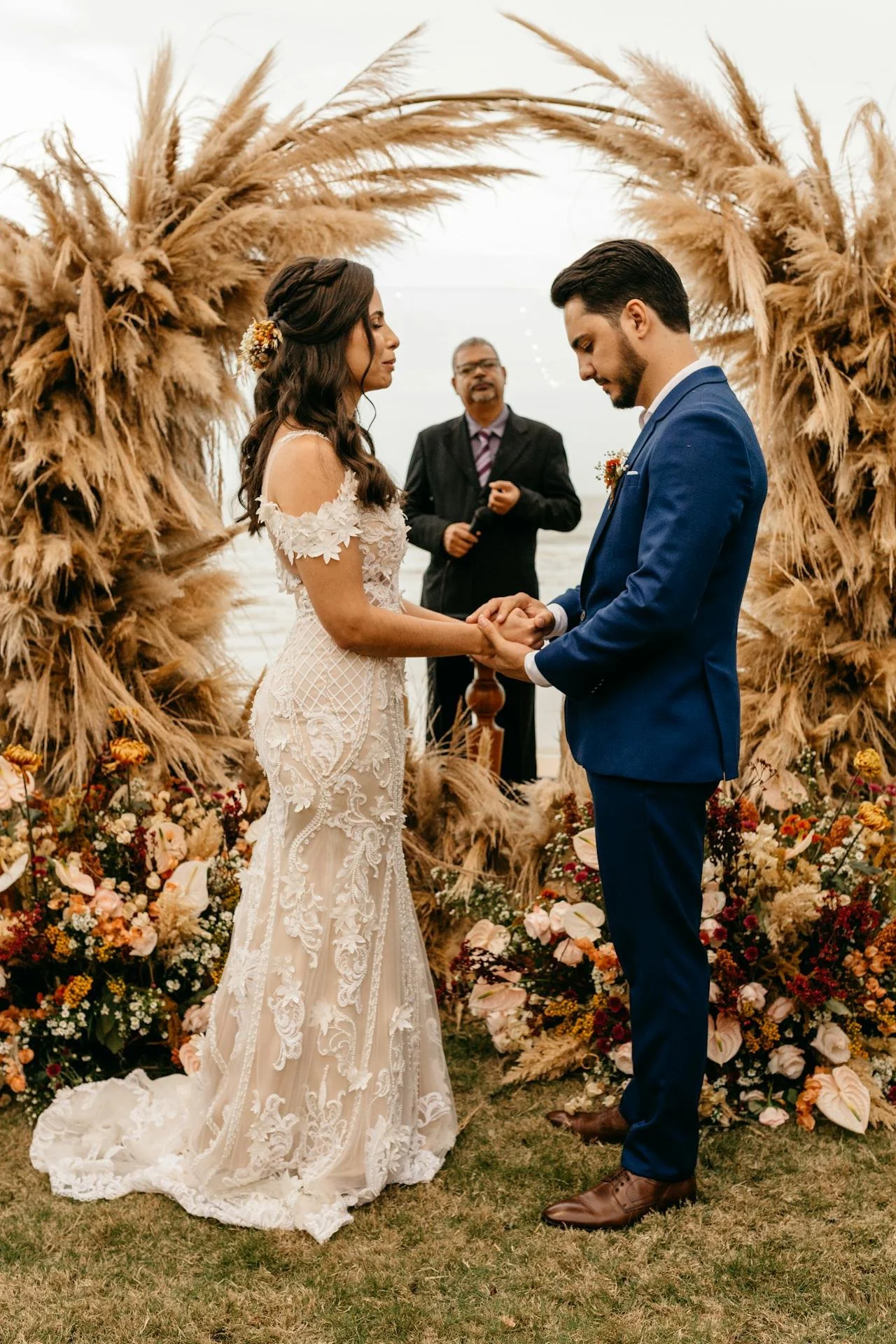
Questions for a Wedding Officiant / Photo: Jonathan Borba
Why the Wedding Officiant Interview Matters More Than Couples Realize
Couples often interview the venue, planner, photographer, florist, caterer, DJ, and hair-and-makeup team with a kind of practical vigilance. They ask about timelines, deposits, galleries, contingency plans, preferred vendors, rain options, lighting, and setup windows. Then, somewhere in the middle of the planning fog, they look for a wedding officiant and ask one question too quickly: “Are you available?” Availability matters, of course. So does price. But the officiant is not merely another vendor arriving with a task list and a black folder. The officiant is the person who stands with you at the threshold of the marriage itself. They shape the first words your guests hear. They hold the pause before the vows. They decide whether the ceremony feels like a legal appointment, a sentimental performance, a generic script, or a living moment that belongs to the two of you.
That is why the questions you ask before hiring a wedding officiant should move beyond “How much do you charge?” and “How long is the ceremony?” Those questions are necessary, but they are not enough. A couple should understand the officiant’s writing process, legal role, public presence, flexibility, values, communication style, and ability to steady the room when weather, nerves, family dynamics, or timing issues begin to intrude. A good officiant does not make the ceremony about themselves. A good officiant also does not disappear into a bland template. The best presence is harder to name: composed, warm, prepared, attentive, and deeply aware that the ceremony has its own architecture. It needs shape. It needs breath. It needs restraint.
For couples planning a refined, intimate, or deeply personal ceremony in Colorado, the right officiant can help the day feel less assembled and more held. Whether you are planning a city ceremony with a Denver wedding officiant, a foothills celebration with a Golden wedding officiant, a scenic ceremony with a Boulder wedding officiant, or a mountain ceremony through Colorado elopement ceremonies, the officiant conversation should help you feel more certain—not more managed.
Start With the Question Beneath the Question
Before you ask an officiant anything, ask yourselves this:
What do we want the ceremony to feel like?
Not how it should look. Not how many minutes it should last. Not what the photos will show. What should it feel like?
Some couples want the ceremony to feel elegant and quiet. Others want warmth, humor, a little looseness, and a sense of familiar ease. Some want a modern non-religious ceremony that still carries emotional weight. Others want to honor family, culture, faith, grief, children, or a long road to commitment. Some want a ceremony that feels intimate even with 150 guests watching. The answer does not have to be poetic. It only has to be honest.
Try finishing these sentences before your first officiant consultation:
“Our ceremony should feel…”
“We do not want it to feel…”
“We want guests to understand…”
“We are nervous about…”
“The most important part is…”
“The one thing that would make the ceremony feel fake is…”
These answers will help you hear an officiant more clearly. A strong officiant will respond with curiosity. A weaker fit may rush toward a package, a script, or a performance style without asking why.
Table of Contents
Why the Officiant Interview Matters More Than Couples Realize
Start With the Question Beneath the Question
Availability, Location, and Legal Authority
Ceremony Style and Emotional Tone
Personalization: How the Ceremony Actually Gets Written
Vows, Readings, Rituals, and Family Traditions
Logistics: Rehearsal, Arrival Time, Sound, and Coordination
Pricing, Contract Terms, Travel, and What Is Included
Backup Plans and Wedding-Day Composure
Inclusivity, Language, and Respect for Your Relationship
Questions for Colorado Couples
Red Flags When Interviewing a Wedding Officiant
The Final Question: Do We Trust This Person With the Room
Related Articles
Availability, Location, and Legal Authority
Begin with the practical questions. They create the frame for everything else. Ask:
Are you available on our wedding date and time?
This seems obvious, but be specific. If the ceremony begins at 4:30 p.m., ask whether they reserve enough time before and after your ceremony or whether they may be coming from another wedding. A composed ceremony begins before the officiant starts speaking. It begins with not being rushed.Are you legally authorized to perform marriages in our state?
Every couple should confirm that the officiant is legally authorized to solemnize the marriage at the ceremony location. This is especially important for destination weddings, mountain elopements, private-estate ceremonies, and ceremonies where a friend or family member is considering becoming ordained online. Michael has already officiated weddings in Colorado, Illinois, Missouri, Louisiana, and Florida, and the requirements differed in each state.Do you handle the marriage license after the ceremony?
Ask who signs it, where it goes, when it must be returned, and whether the officiant mails or files it. A beautiful ceremony still needs clean legal follow-through.Have you officiated weddings at our location or in this type of setting?
An officiant does not need to have worked at your exact venue to be qualified. But they should understand the demands of the setting. A hotel ballroom, garden ceremony, foothills overlook, trail elopement, courthouse-style legal ceremony, and private backyard wedding each call for a different kind of presence.How far do you travel, and are there travel fees?
Travel should be discussed early, particularly for mountain towns, sunrise elopements, winter weather, remote trailheads, or venues outside the officiant’s usual service area.
For Colorado couples, this is where local experience matters. A ceremony in Denver may require comfort with urban venues, parking realities, venue timelines, and planner coordination. A Golden ceremony may involve foothills light, wind, uneven outdoor surfaces, and guest movement between town and venue. A Boulder ceremony may require attention to trail access, park rules, weather shifts, and the ceremony’s relationship to the landscape. A mountain elopement requires even more planning around privacy, permits, timing, accessibility, footwear, weather, and guest limitations.
Ceremony Style and Emotional Tone
Once the logistics make sense, move into the ceremony itself. Ask:
How would you describe your ceremony style?
Listen for more than adjectives. Many officiants say they are “personal,” “warm,” or “custom.” Ask what those words mean in practice. Do they write every ceremony from scratch? Do they use a base script? Do they include humor? Do they speak in a formal tone? Do they sound conversational? Do they build ceremonies around the couple’s story, shared values, or a traditional structure?Can we see a sample ceremony or watch a video of you officiating?
Reading a script can show writing style. Watching video can show something else: timing, voice, posture, pacing, and whether the officiant knows how to let silence do its work. A wedding ceremony is not only written. It is performed, but it should not feel theatrical in the wrong way.How do you balance meaning and brevity?
Most ceremonies do not need to be long to be memorable. But short does not have to mean thin. A skilled officiant knows how to create a ceremony that feels complete without drifting. Ask how they decide what belongs in the ceremony and what should be left out.Do you include religion, spirituality, or secular language?
Couples should be direct about beliefs, non-beliefs, family expectations, and the language they do or do not want used. If you want a non-religious ceremony that still feels meaningful, ask how the officiant creates depth without relying on inherited religious phrasing. If you want a spiritual or interfaith ceremony, ask how they handle that with respect and accuracy.How do you handle humor?
Humor can make a ceremony feel alive. It can also puncture the moment if it is used carelessly. The best humor usually comes from recognition rather than jokes: a small detail, a shared habit, a loving contrast between personalities. Ask whether humor is optional and how the officiant keeps it from becoming a toast.
Personalization: How the Ceremony Actually Gets Written
“Personalized ceremony” has become one of the most common phrases in the wedding world. It can mean almost anything. You need to know what it means to the person you are hiring. Ask:
What is your process for getting to know us?
A custom ceremony cannot be written from a two-line questionnaire. Ask whether the officiant meets with you, sends prompts, asks for individual responses, interviews you together, or gathers stories from family and friends. The process should feel thoughtful but not burdensome.Do you write the ceremony yourself?
Some officiants rely heavily on templates. Some use script libraries. Some write every ceremony independently. There is nothing wrong with structure; ceremonies need structure. But the words should not feel pulled from a drawer.Will our ceremony include our story?
Not every couple wants a long narrative of how they met. Some prefer a lighter touch. Still, the officiant should understand your relationship well enough to make the ceremony feel specific. Specificity is what keeps a ceremony from becoming wedding wallpaper.Can we review the script before the wedding?
Some couples want to see every word. Others prefer to leave room for surprise. Ask what the officiant allows. A useful middle ground is reviewing the structure, major language, readings, rituals, and tone while preserving a few carefully chosen details for the day itself.Can we request edits?
You should know how revisions work. Ask when the draft is delivered, how many rounds of edits are included, and what happens if the ceremony does not sound like you.What do you need from us, and when?
A good officiant process has deadlines. Vow submissions, questionnaires, ceremony approvals, license details, and rehearsal information should not be floating in the week before the wedding.
A useful test: after the officiant explains their process, you should feel more relaxed. If the process sounds vague, improvised, or overly dependent on your doing all the emotional labor, keep asking questions.
Vows, Readings, Rituals, and Family Traditions
The ceremony is not only the officiant’s script. It may include vows, readings, music, unity rituals, family blessings, cultural traditions, remembrances, or children from prior relationships. These elements need thoughtful placement. Ask:
Do you help couples write personal vows?
Some officiants simply say, “Write whatever you want.” Better officiants can offer structure: approximate length, tone, opening lines, promises, personal details, and guidance on what to avoid. Vows should sound like the person speaking them, not like a public audition for emotional fluency.Can we keep our vows private until the ceremony?
If yes, ask whether the officiant will review both vows for balance. It can be uncomfortable if one partner writes 90 seconds and the other writes six minutes. A light editorial review can protect both people.Can we include readings?
Ask whether the officiant helps select readings and whether they guide placement. A reading should deepen the ceremony, not interrupt it. The right reading can create a moment of stillness. The wrong one can feel like an assignment from someone else’s wedding.Can we include family, children, or friends?
If you want parents, grandparents, siblings, children, or close friends involved, ask how the officiant would include them without turning the ceremony into a variety show. Participation should have purpose. Sometimes one sentence, one blessing, one reading, or one symbolic gesture is enough.Can we include cultural or family traditions?
Traditions should be handled with care. Ask whether the officiant has experience explaining rituals briefly and respectfully, especially when guests may not understand the meaning. The officiant does not need to be an expert in every tradition, but they should be humble, prepared, and willing to learn from you or your family.How do you honor loved ones who have died?
This is one of the most delicate questions in the ceremony. Some couples want a spoken remembrance. Some prefer a reserved seat, a flower, a private note, or no public mention at all. Ask how the officiant handles grief without making the ceremony feel heavy or performative.
Quick Summary List:
Before booking a wedding officiant, ask…
Are you available on our wedding date?
Are you legally able to officiate in our state?
How do you personalize the ceremony?
Will we review the ceremony script beforehand?
Do you help with vows?
How long is the ceremony?
Do you attend rehearsals?
What happens if you are sick or delayed?
What do you wear during the ceremony?
What is included in your fee?
Logistics: Rehearsal, Arrival Time, Sound, and Coordination
Ceremony logistics are often invisible when they go well and painfully obvious when they do not. Ask:
Do you attend the rehearsal?
Not every ceremony requires a rehearsal, but many benefit from one. If you have a wedding party, processional order, family seating complexities, children participating, multiple readings, a unity ritual, or a larger venue, a rehearsal can reduce confusion.What do you cover at rehearsal?
A rehearsal is usually not a full performance of the ceremony. It is a movement and timing practice: who walks, where they stand, how vows and rings are handled, where readers come from, when music changes, and how the recessional happens.When do you arrive on the wedding day?
Ask for a specific arrival window. The officiant should arrive early enough to check in with the couple, planner, DJ or musicians, photographer, and venue contact. They should confirm the license, microphone, ceremony location, and any last-minute changes.Do you use a microphone?
Even a short outdoor ceremony can be difficult to hear without sound support. Wind, fountains, traffic, rivers, guests shifting in chairs, and open-air acoustics can swallow words. Ask whether the officiant coordinates with the DJ or venue on lapel microphones, handheld microphones, or a small speaker system for elopements.How do you work with planners, photographers, and venue staff?
The officiant should understand that the ceremony is part of a larger event ecosystem. A photographer may need the officiant to step aside for the first kiss. A planner may need help cueing the processional. A DJ may need the exact script cue for music. A venue may need the ceremony to begin on time due to lighting, catering, or room turnover.Where do you stand during the first kiss?
This sounds small until you see the photograph. Many experienced officiants step subtly aside before pronouncing the couple or before the kiss, depending on the ceremony layout, so the couple’s photograph does not feature the officiant’s face centered between them.
Pricing, Contract Terms, Travel, and What Is Included
The fee matters. So does clarity. Ask:
What is your total fee, and what is included?
Request the full scope: consultation, ceremony writing, personalization process, vow support, rehearsal, travel, filing of the license, ceremony length, early arrival, and edits.Is the rehearsal included or separate?
Some officiants include rehearsals; others charge separately. Neither is inherently wrong, but you should know before signing.Are there any travel, parking, lodging, or holiday fees?
This is especially relevant for Colorado mountain weddings, winter weddings, holiday weekends, sunrise ceremonies, or locations more than an hour or two from the officiant’s office.What deposit is required?
Ask when the date is secured. A consultation alone usually does not hold the date. Confirm payment schedule, final due date, accepted payment methods, and cancellation terms.Do you have a written agreement?
A professional agreement protects both sides. It should define services, fees, timing, cancellation policy, postponement policy, travel terms, rehearsal details, and the officiant’s responsibilities.What happens if our ceremony starts late?
Wedding days shift. Ask whether there is a grace period and whether additional fees apply if the ceremony is significantly delayed.
Backup Plans and Wedding-Day Composure
Every couple hopes nothing goes wrong. Experienced wedding professionals know something almost always changes: a family member is late, the wind rises, a flower girl refuses to walk, a microphone fails, a groomsman forgets the rings, a parent becomes emotional, a storm appears over the foothills, or traffic delays guests. Ask:
What is your backup plan if you are sick or unable to attend?
This is not a romantic question, but it is an important one. The officiant should have a plan, whether through a trusted colleague, professional network, or coordination with your planner.How do you handle weather changes?
For outdoor ceremonies, especially in Colorado, ask how the officiant adapts to wind, cold, heat, rain, snow, bright sun, and sudden relocation. The ceremony may need to become shorter, more direct, or moved under cover.How do you handle nerves or emotional moments?
A couple may cry during vows. A reader may lose their place. A parent may become overwhelmed. A skilled officiant does not panic or overtalk. They create a little room, then continue.Have you ever had something unexpected happen during a ceremony? What did you do?
The answer will tell you a lot. You are listening for judgment, calm, humility, and practical intelligence.
Inclusivity, Language, and Respect for Your Relationship
The officiant’s language should reflect the couple in front of them. Ask:
Do you officiate LGBTQ weddings?
The answer should be simple, affirming, and grounded in real experience—not awkwardly qualified. Inclusive ceremony work is not only about legality. It is about language, assumptions, pronouns, family structures, and the ability to make the couple feel fully seen.Do you use gender-neutral ceremony language when requested?
Terms like “bride and groom,” “husband and wife,” “ladies and gentlemen,” and “father giving away the bride” may or may not fit. Ask how the officiant adapts language.Can we avoid certain phrases or traditions?
Some couples dislike “obey,” “giving away,” “two become one,” “better half,” or language that implies incompleteness before marriage. Others love traditional phrasing. The officiant should not impose either direction.How do you handle complicated family dynamics?
This matters when parents are divorced, estranged, deceased, remarried, or unevenly involved. It also matters when there are cultural expectations regarding the order of processions, blessings, or family recognition. Ask how the officiant helps couples avoid unnecessary pain.Will the ceremony sound like us?
This may be the simplest and most important question in the entire interview.
Questions for Colorado Couples
Colorado weddings have their own rhythm. The light changes quickly. Weather can be dramatic. Guests may travel from sea level to altitude. Ceremony locations range from downtown venues to mountain passes, gardens, foothills, private homes, ski towns, trailheads, and overlooks. Ask:
Have you officiated outdoor ceremonies in Colorado?
Outdoor experience matters here. Wind alone can change the ceremony. So can altitude, sun exposure, trail access, wildfire smoke, mud season, and afternoon storms.How do you adapt a ceremony for a mountain elopement?
A mountain ceremony usually needs different pacing than a ballroom ceremony. The language may be more intimate. The logistics may be more precise. The guest list may be tiny. The officiant may need to think about where everyone stands, whether older guests can access the site, how vows will be heard, and how to protect the ceremony from feeling swallowed by the scenery.Do you help with ceremony flow for intimate weddings?
Small weddings often reveal everything. There is nowhere for awkward wording, rushed pacing, or uncertainty to hide. A strong officiant understands that intimacy requires confidence and restraint.Can you coordinate with our photographer around light and location?
This is especially useful for Boulder, Golden, and mountain elopements, where ceremony timing may be shaped by sunset, trail shadows, overlook angles, or seasonal access.Do you understand local ceremony settings?
A Denver wedding may feel polished and metropolitan. A Golden wedding may feel relaxed, scenic, and connected to the foothills. A Boulder wedding may feel open-air, textured, and close to the Flatirons. A Colorado elopement may feel private, elemental, and deeply tied to place. The officiant should not deliver the same ceremony in every setting.
Red Flags When Interviewing a Wedding Officiant
Not every officiant will be the right fit. Watch for these signs:
They cannot clearly explain their process.
If the officiant says the ceremony will be “totally custom” but cannot explain how they learn your story, write the script, handle edits, or prepare for the day, keep asking.They talk more about themselves than your ceremony.
Confidence is good. Centering themselves is not. The officiant should be interested in your relationship, not only their performance.They dismiss your preferences.
If you say you want a non-religious ceremony and they keep suggesting religious language, or if you request simplicity and they keep pushing elaborate rituals, listen to the mismatch.They are vague about legal responsibilities.
The marriage license is not a detail to be handled casually.They have no contract.
A professional ceremony deserves professional terms.They make every ceremony sound the same.
Some structure is useful. Sameness is different.They do not ask you meaningful questions.
A strong officiant interview should not feel like a sales call alone. It should feel like the beginning of a careful exchange.
The Final Question: Do We Trust This Person With the Room?
After every practical question has been answered, sit with the quieter one. Do you trust this person with the room? Do you trust them to stand near you when you are nervous? To speak with warmth without becoming sentimental? To guide your families without taking over? To recover gracefully if something small goes wrong? To understand when to speak and when to pause? To make the ceremony feel like yours, not like a script with your names inserted?
The right officiant should leave you feeling steadier. Not dazzled. Not pressured. Steadier. A wedding ceremony is brief compared with the rest of the day, but it is not small. It is the hinge. Everything before it is anticipation. Everything after it is celebration. The officiant stands at that hinge and gives it language. Choose the person who understands that.
Related Articles
From the Michael Moody Officiant wedding blog directory:
How to Get Married in Colorado: Marriage License Guide for 2026
Preparing for Your Wedding Ceremony in Colorado: A Couple’s Guide
How to Personalize Your Wedding Ceremony Without Making It Awkward or Overlong
Common Wedding Ceremony Planning Challenges and How to Overcome Them
How to Include Family and Cultural Traditions in a Modern Wedding Ceremony
Boulder Wedding Ceremony Venues for Intimate and Scenic Weddings
Golden Wedding Ceremony Venues and Outdoor Ceremony Locations
Colorado Front Range Elopement Guide: Hiking-In Wedding Ceremonies and Scenic Trails
The directory includes ceremony planning articles, wedding-specific planning guidance, Front Range elopement content, and relationship-focused resources for couples planning meaningful Colorado ceremonies.
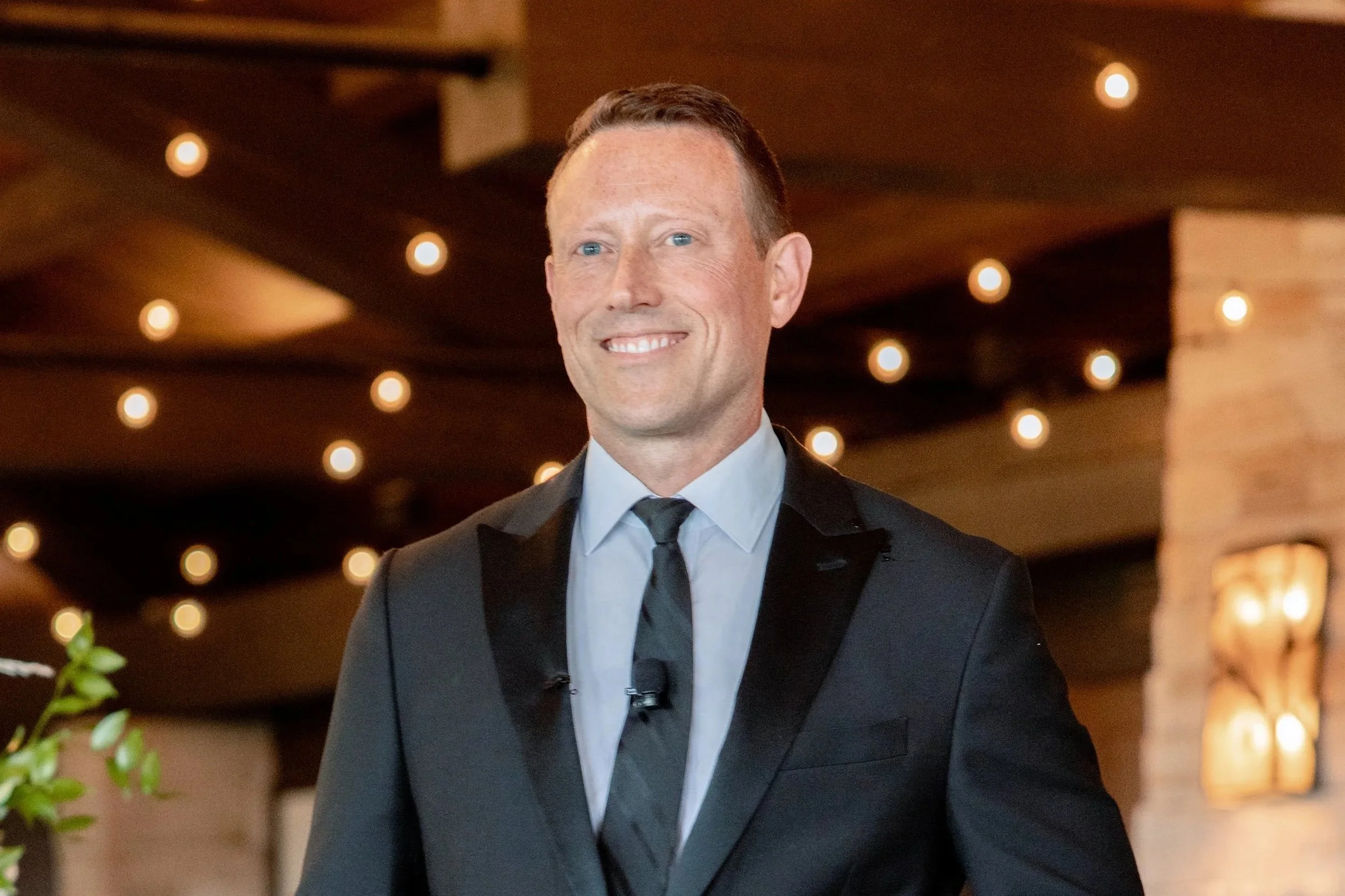
About the Author: Michael Moody, Wedding Officiant
Michael Moody is a Colorado wedding officiant serving Denver, Boulder, Golden, Larkspur, and mountain communities throughout the state. Since 2012, he has officiated more than 300 weddings, bringing a calm presence, thoughtful guidance, and emotionally grounded ceremony writing to couples seeking a meaningful experience. He also offers Colorado elopement ceremonies for couples who want something intimate, intentional, and beyond the boundaries of a traditional wedding day. His work is shaped by a lifelong interest in connection, reflection, and personal growth. Michael is the author of the self-improvement book Redefine Yourself: The Simple Guide to Happiness and host of The Elements of Being podcast. As a wedding officiant, he draws from that same foundation: the belief that our relationships, words, and everyday interactions help shape a life rooted in love, empathy, and purpose. Michael’s ceremony work has been recognized across Colorado. He is a 2023 WeddingWire Couples’ Choice Award winner in Denver, marking his eighth consecutive year receiving the honor. He was also named “Best Business of 2024, 2025, and 2026” by Three Best Rated and earned “The Best Wedding Officiant in Commerce City, Colorado for 2024” from Quality Business Awards USA.
Beyond weddings, Michael and his wife, Sammy, have sponsored an annual student scholarship for more than 10 years. They also founded Civic Growth Alliance, a 501(c)(4) nonprofit dedicated to strengthening communities through civic advocacy, resident engagement, strategic partnerships, public safety initiatives, neighborhood vitality, and community well-being.
Wedding locations: Michael officiates wedding ceremonies in the Denver neighborhoods of LoDo, River North, Washington Park, Cherry Creek, City Park, Central Park, Capitol Hill, Cheesman Park, Park Hill, Lower Highlands, and Sloan Lake. Michael also serves as an ordained minister in Larkspur, Littleton, Golden, Boulder, Breckenridge, Frisco, Aspen, Vail, Estes Park, and more. If your Denver neighborhood or Colorado town isn’t listed here, no worries! Please contact Michael to propose a wedding ceremony location in a different area!
Wedding Planning Tips
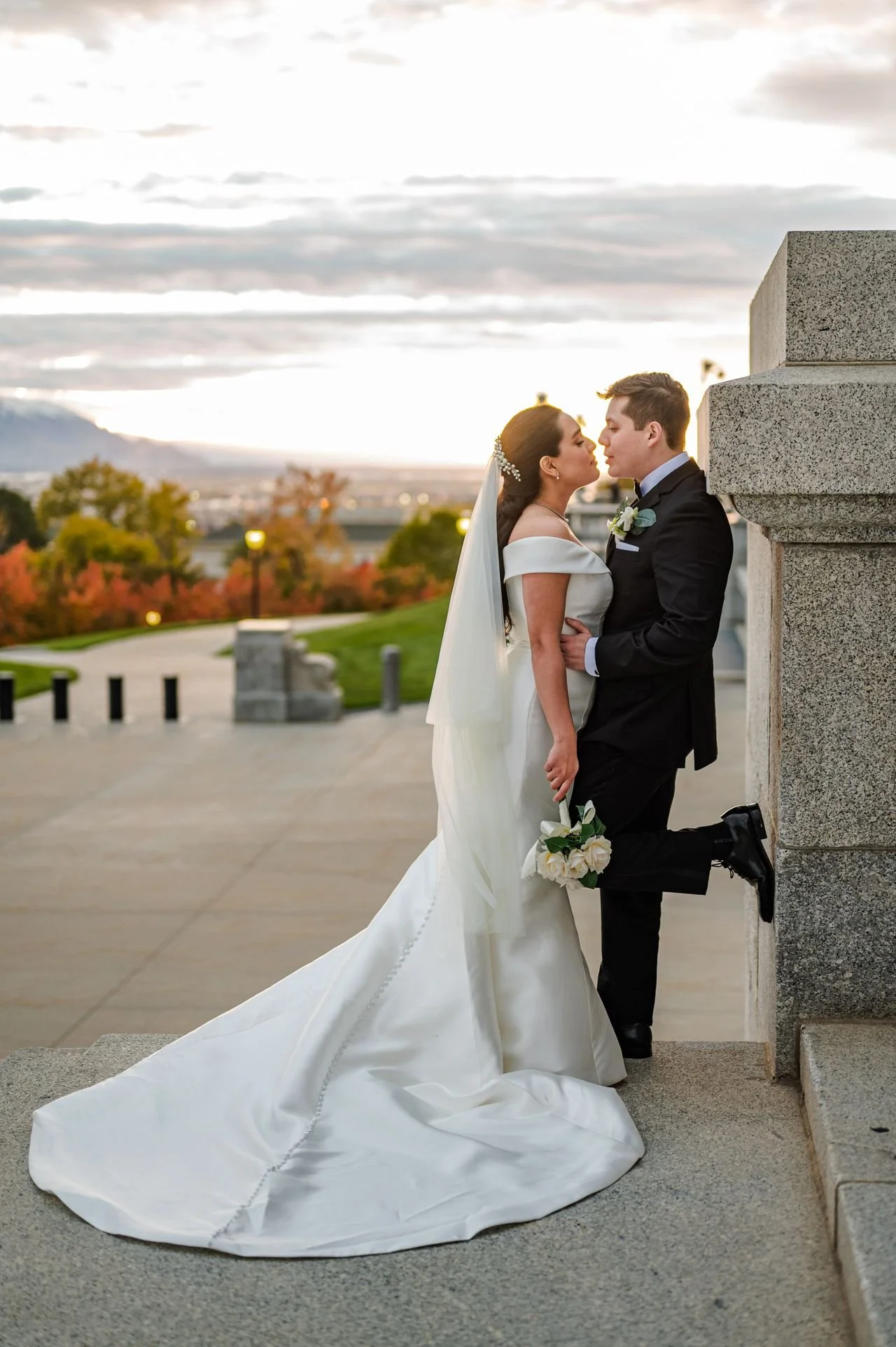
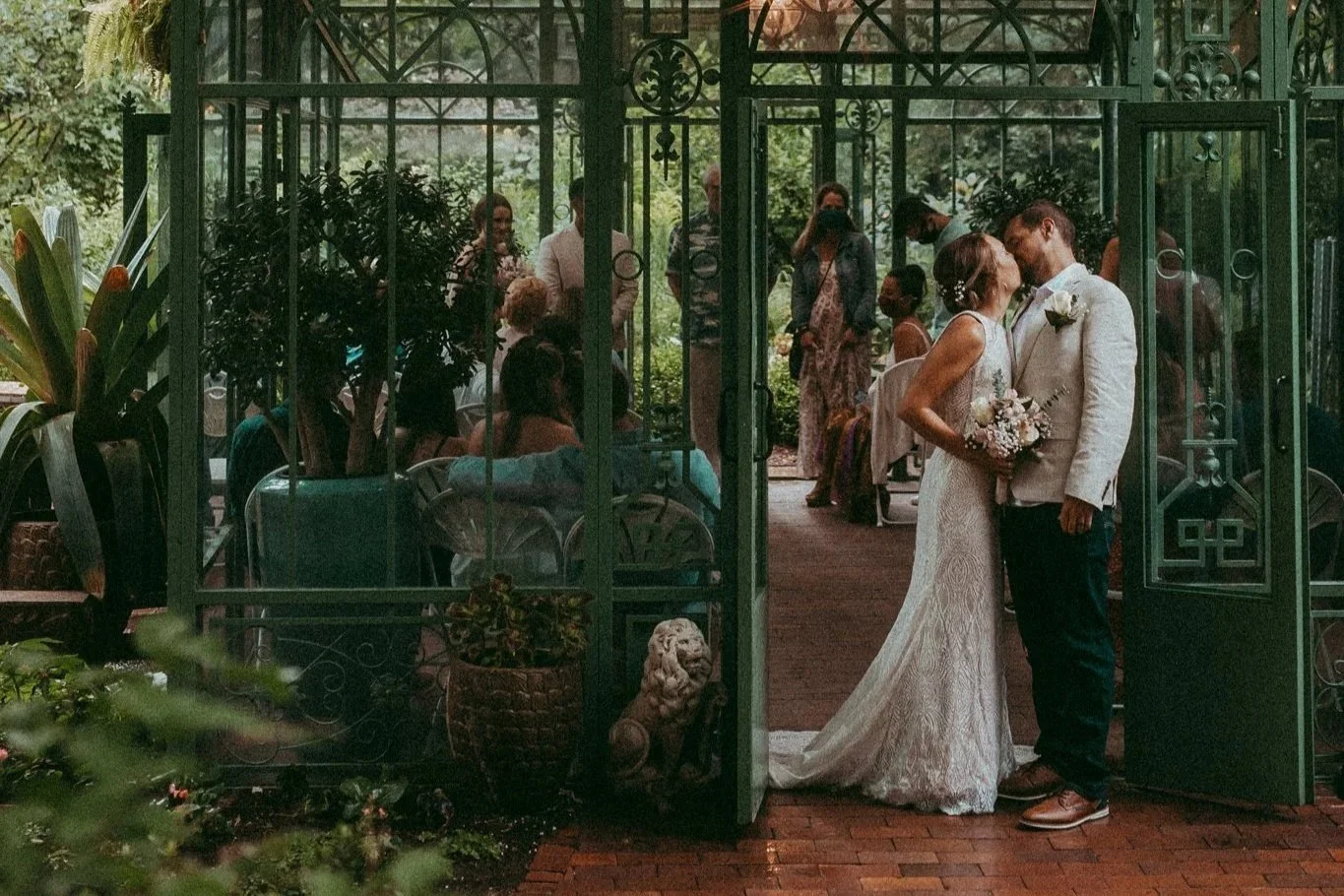

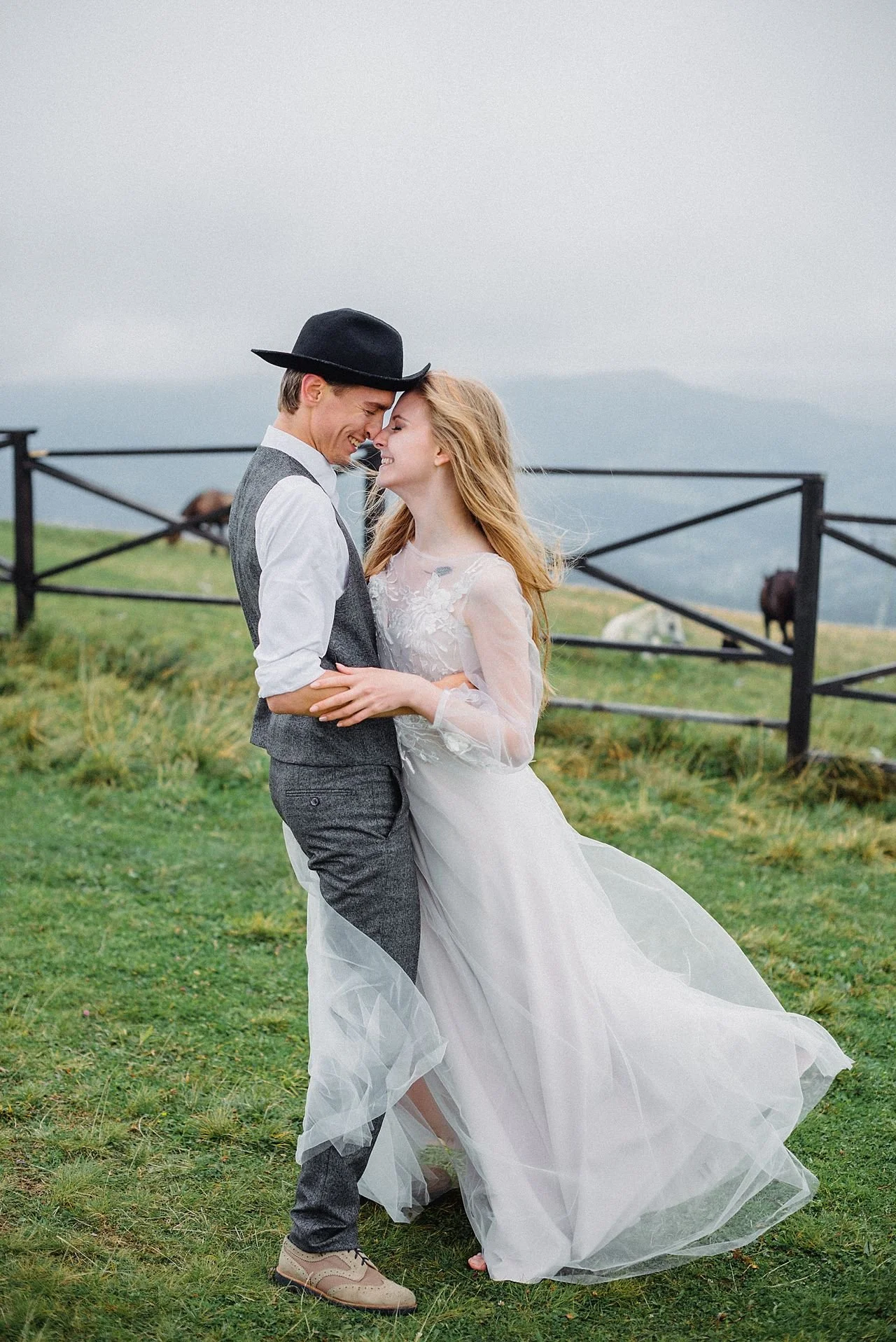
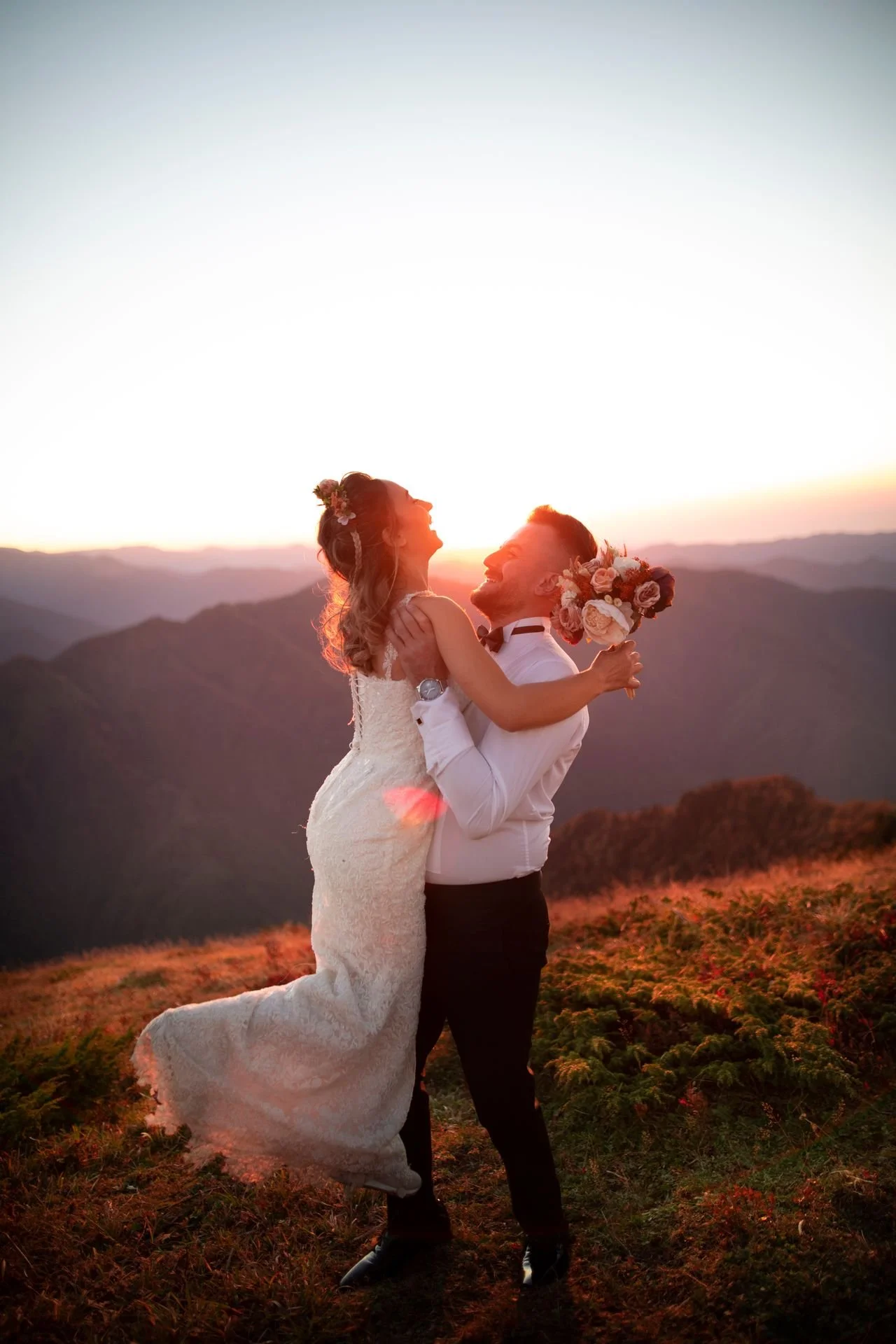

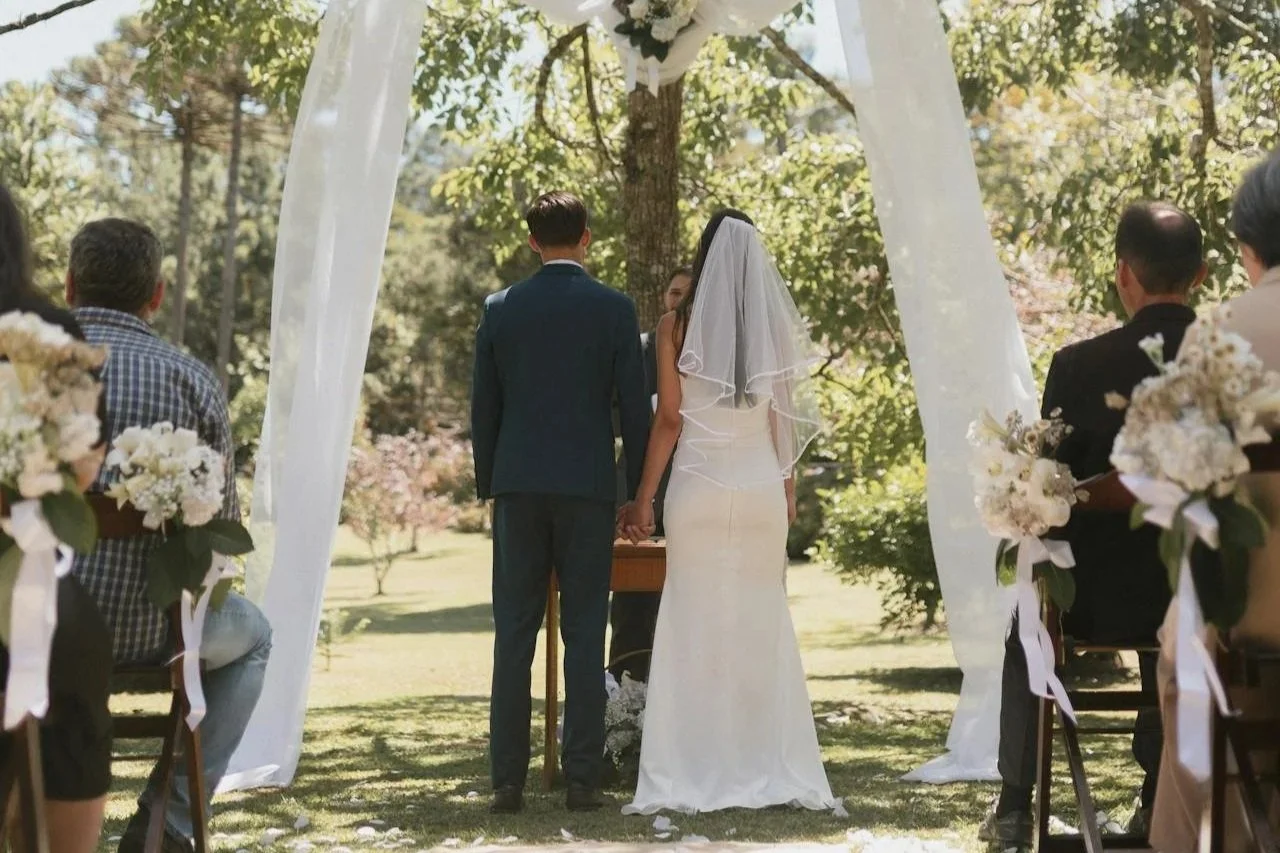

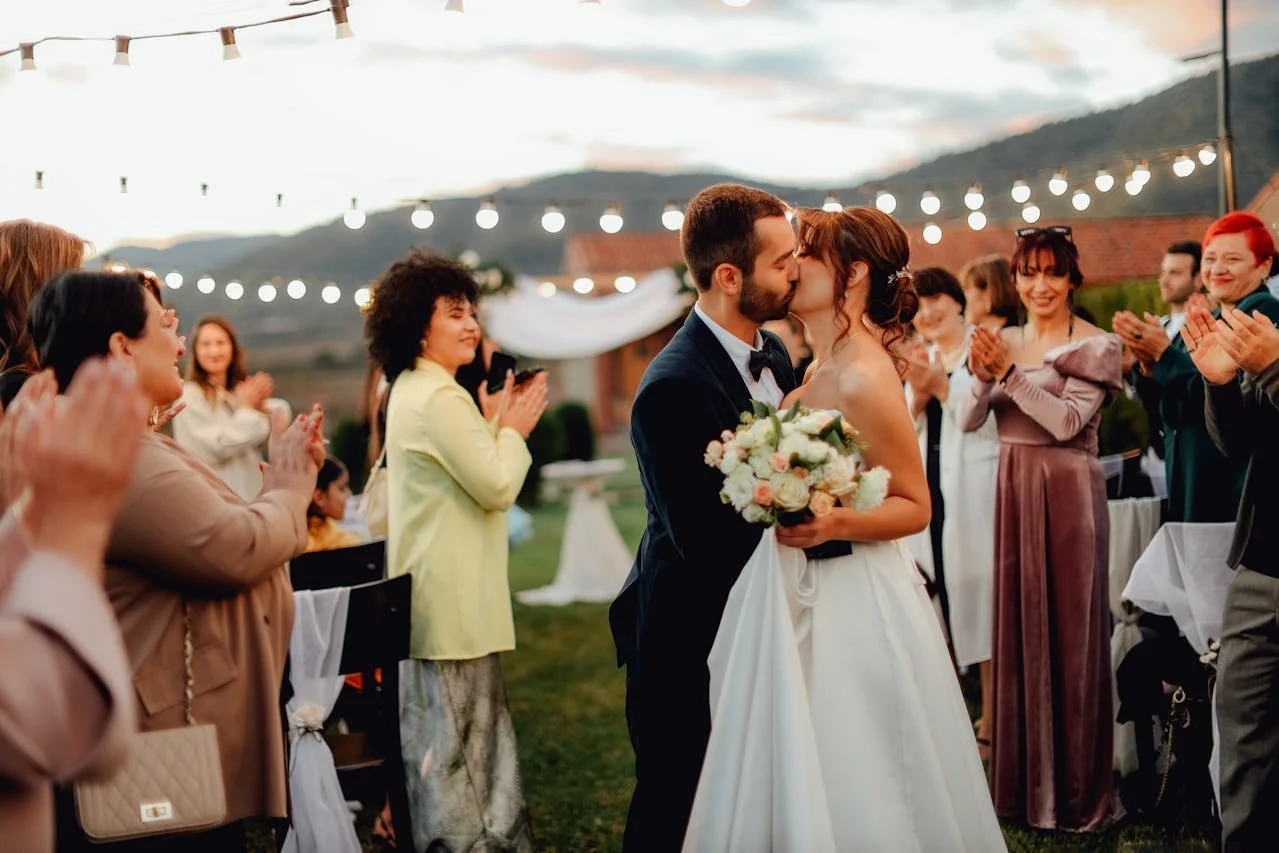




For couples planning a ceremony along Colorado’s Front Range or in the mountains, Michael Moody creates personal, non-religious wedding ceremonies shaped around story, tone, and setting. His services include Denver wedding officiant, Golden wedding officiant, and Boulder wedding officiant ceremonies, as well as intimate Colorado elopement ceremonies for couples who want a calm, meaningful experience in the open air. Each ceremony is written with attention to language, pacing, and the emotional center of the couple’s relationship.