Summary
A Colorado fall wedding works best when the design responds to the landscape rather than competes with it. The strongest celebrations use elevation to guide the date, a restrained seasonal palette, locally appropriate flowers, thoughtful ceremony timing, layered guest-comfort plans, and a weather backup that feels like part of the wedding—not an emergency substitute.
Is Colorado a good place for a fall elopement?
Yes. Colorado's mountain scenery and fall foliage can create exceptional intimate ceremonies, particularly in September. Couples should account for elevation, permits, trail access, changing weather, footwear, and the shorter period of useful evening light.
Frequently Asked Questions (FAQ)
What is the best month for a fall wedding in Colorado?
September is generally the strongest month for mountain fall color, although timing changes with elevation and weather. Higher areas typically change first, while Denver and lower Front Range locations may retain autumn color into October.
What are the best colors for a Colorado fall wedding?
Ivory, camel, forest green, tobacco, plum, navy, oxblood, stone, and muted gold work especially well because they complement Colorado's natural fall scenery. Choose two or three primary colors instead of using every traditional autumn shade.
Is October too cold for an outdoor wedding in Colorado?
Not necessarily, but couples need a serious backup plan. Denver's normal temperatures decline considerably through October, and snow is historically possible during the month. Mountain venues can be colder still.
What flowers are best for a Colorado fall wedding?
Dahlias and marigolds are strong September choices, while celosia, chrysanthemums, and asters are among the flowers commonly available in October. Ask a Colorado florist which varieties are locally available during your exact wedding week.
How should we decorate an outdoor Colorado fall wedding?
Use the landscape as the principal visual element. Low floral installations, seasonal foliage, textured linens, natural wood, candlelight, ceramics, and restrained jewel or earth tones generally complement mountain and Front Range settings better than oversized themed décor.
What time should a fall wedding ceremony start in Colorado?
Check the exact sunset for the venue and date, then consult your photographer about when direct light disappears behind surrounding mountains. Build enough time after the ceremony for family photographs and couple portraits before the preferred light is gone.
Do we need a weather backup for a September wedding in Colorado?
Yes. Even September weddings should have an indoor or covered alternative, along with a predetermined time when the planner and venue make the weather decision. Colorado's seasonal temperatures and conditions can change quickly
Key Topics
Colorado fall wedding, fall wedding Colorado, Colorado fall wedding ideas, Colorado fall wedding guide, Colorado autumn wedding, fall wedding ideas Colorado, Colorado wedding design, Colorado fall wedding colors, Colorado fall wedding flowers, September wedding Colorado, October wedding Colorado, Colorado mountain fall wedding, Colorado fall wedding ceremony, Colorado fall wedding venues, Denver fall wedding, Golden Colorado fall wedding, Colorado mountain wedding, Colorado elopement fall, fall wedding officiant Colorado
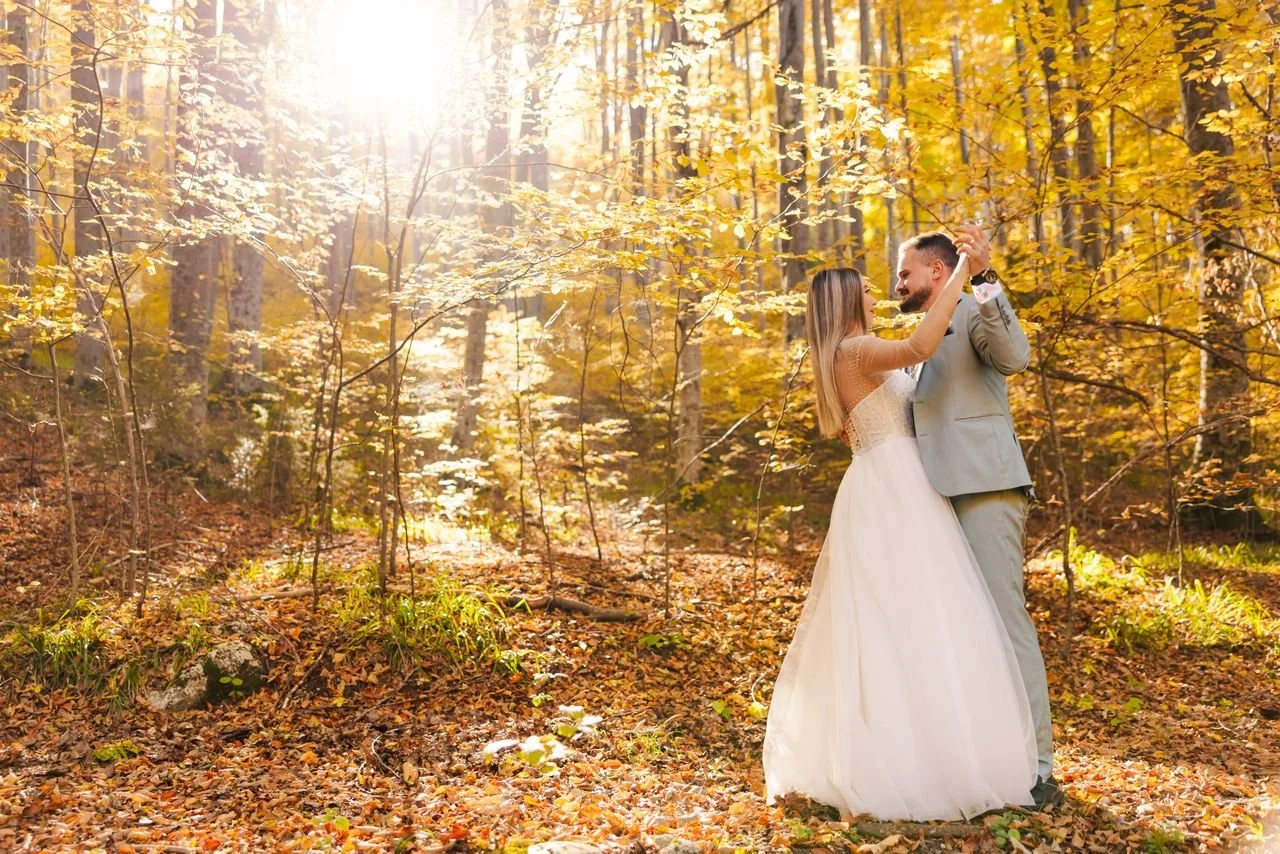
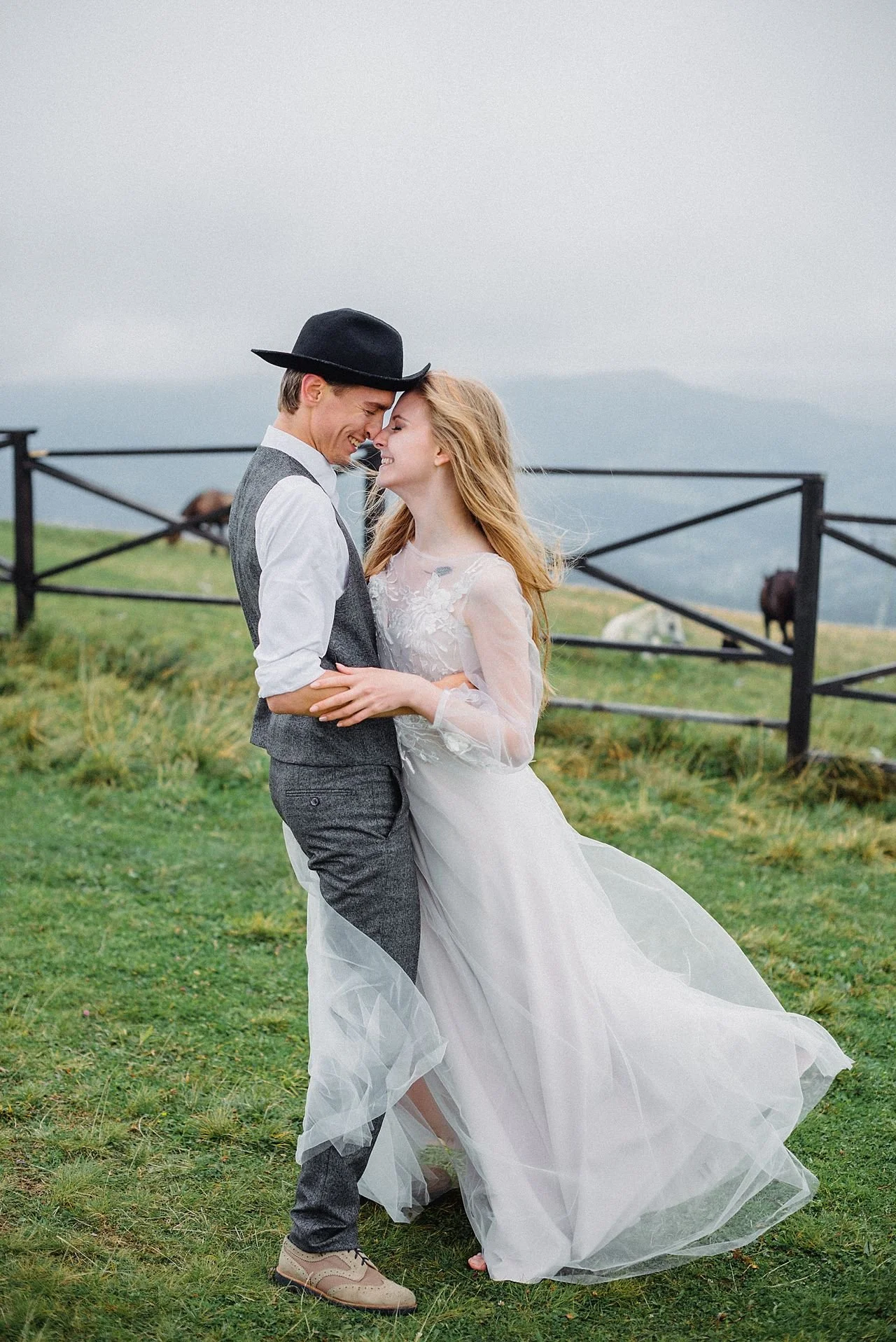
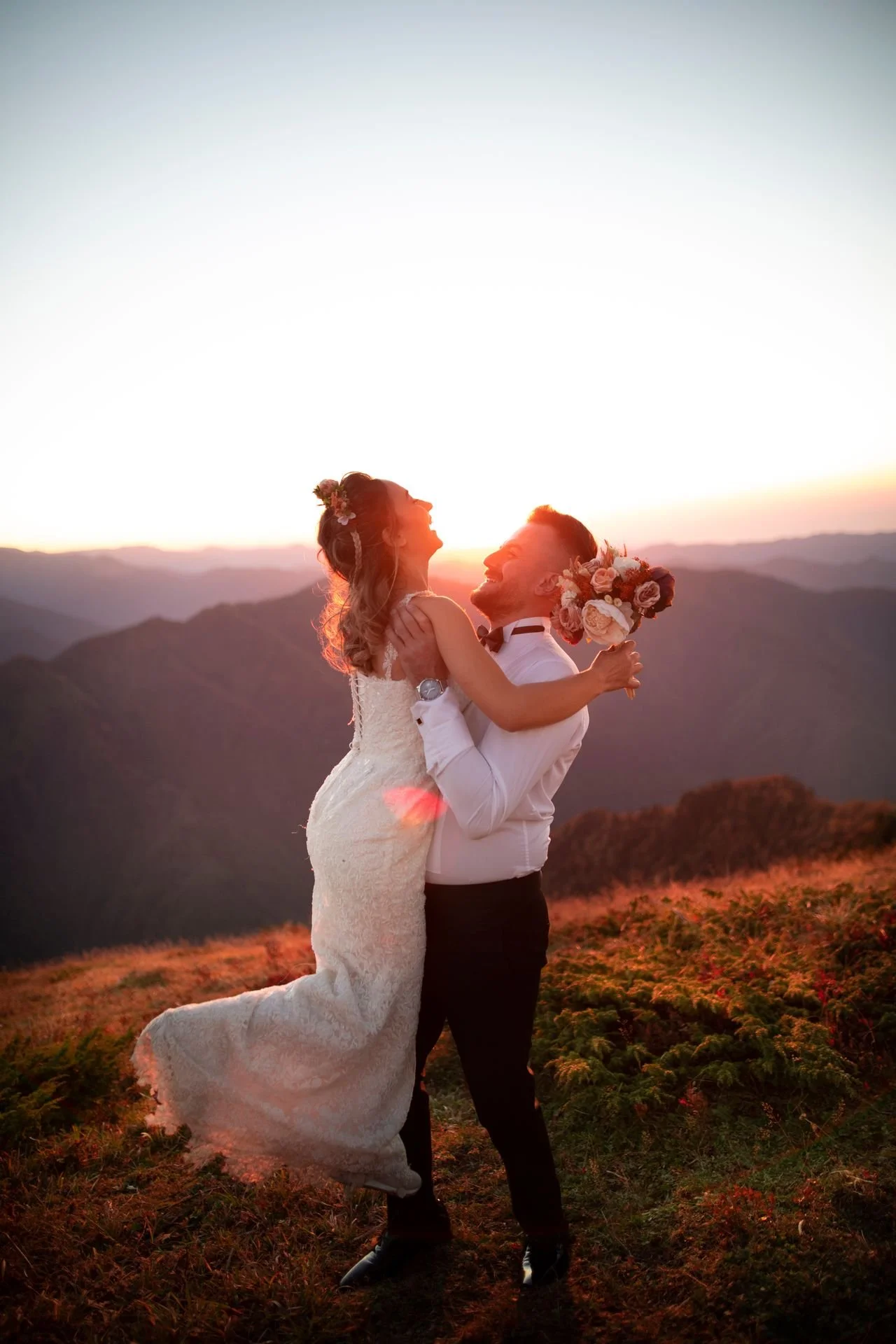
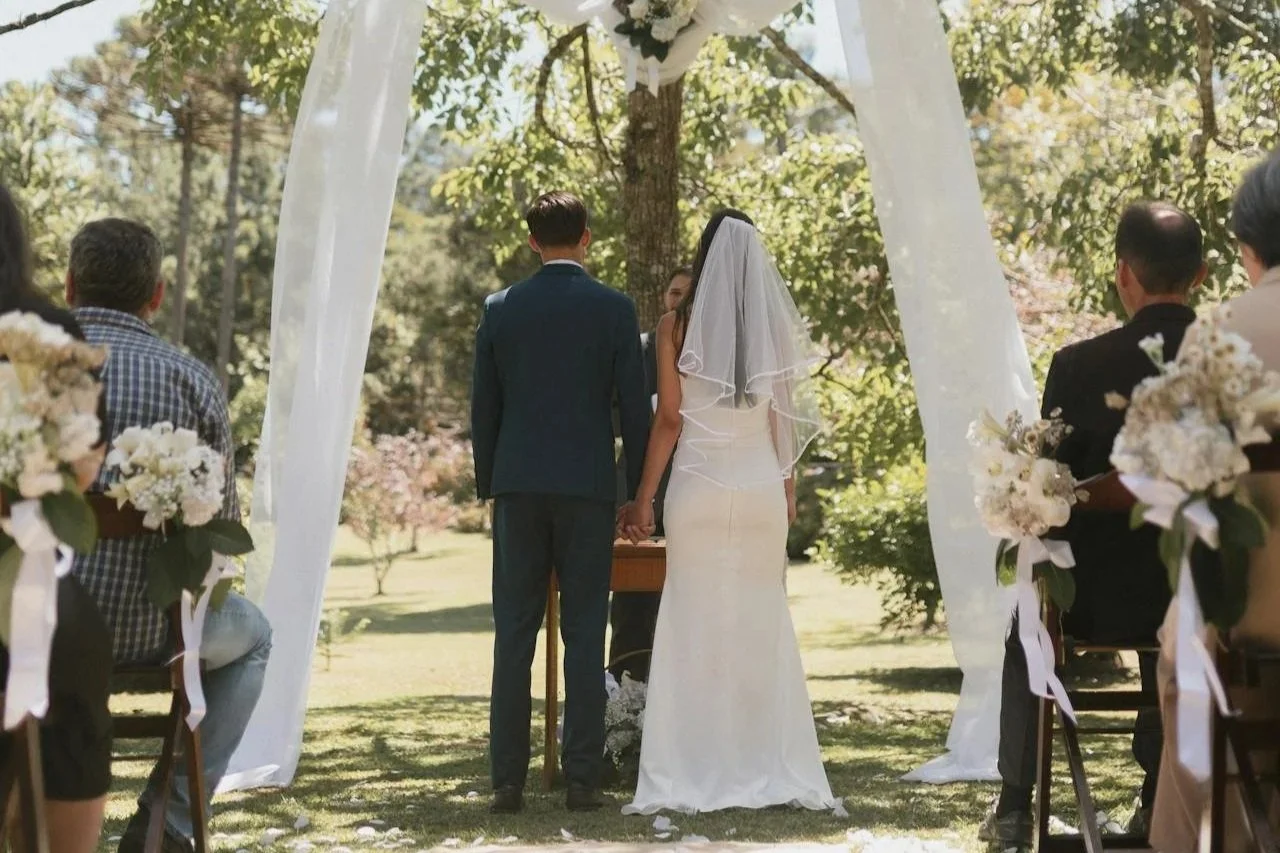
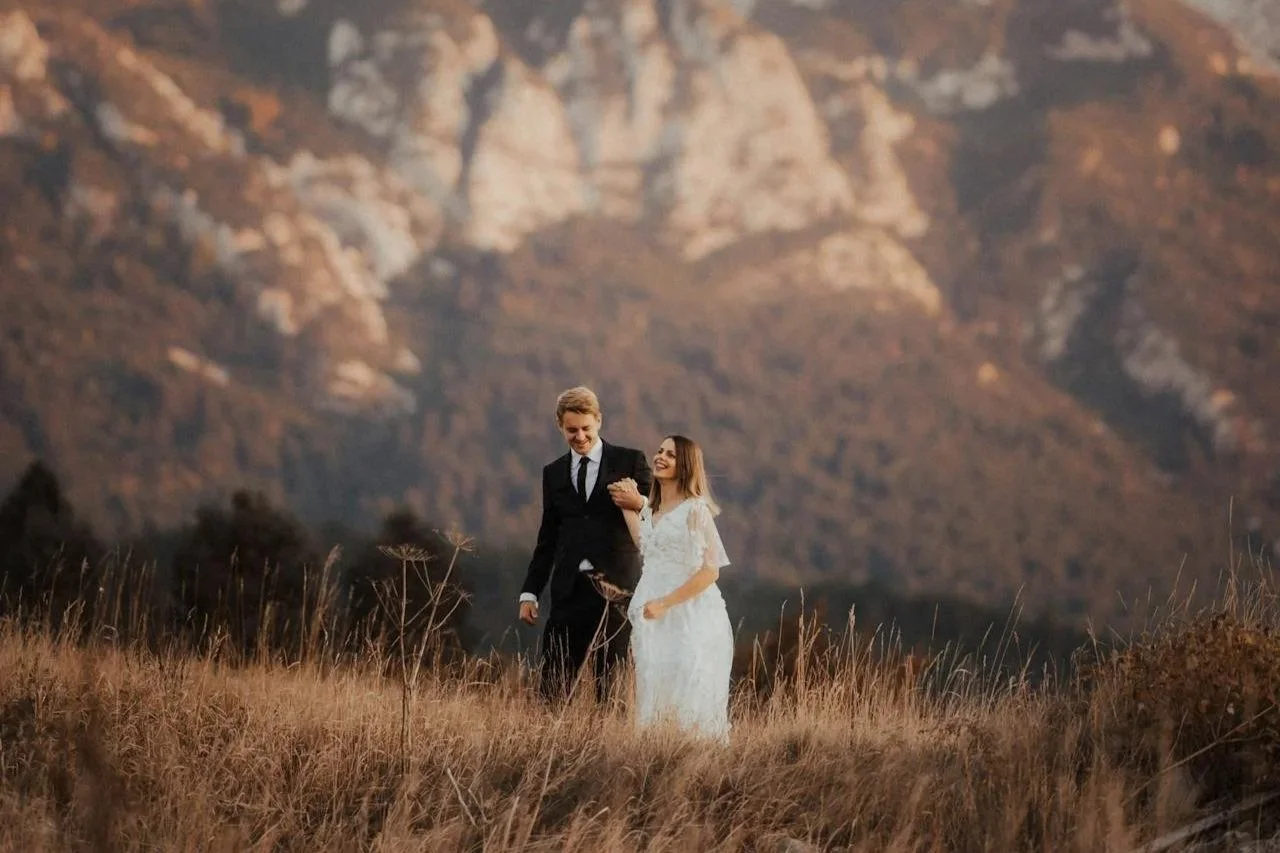
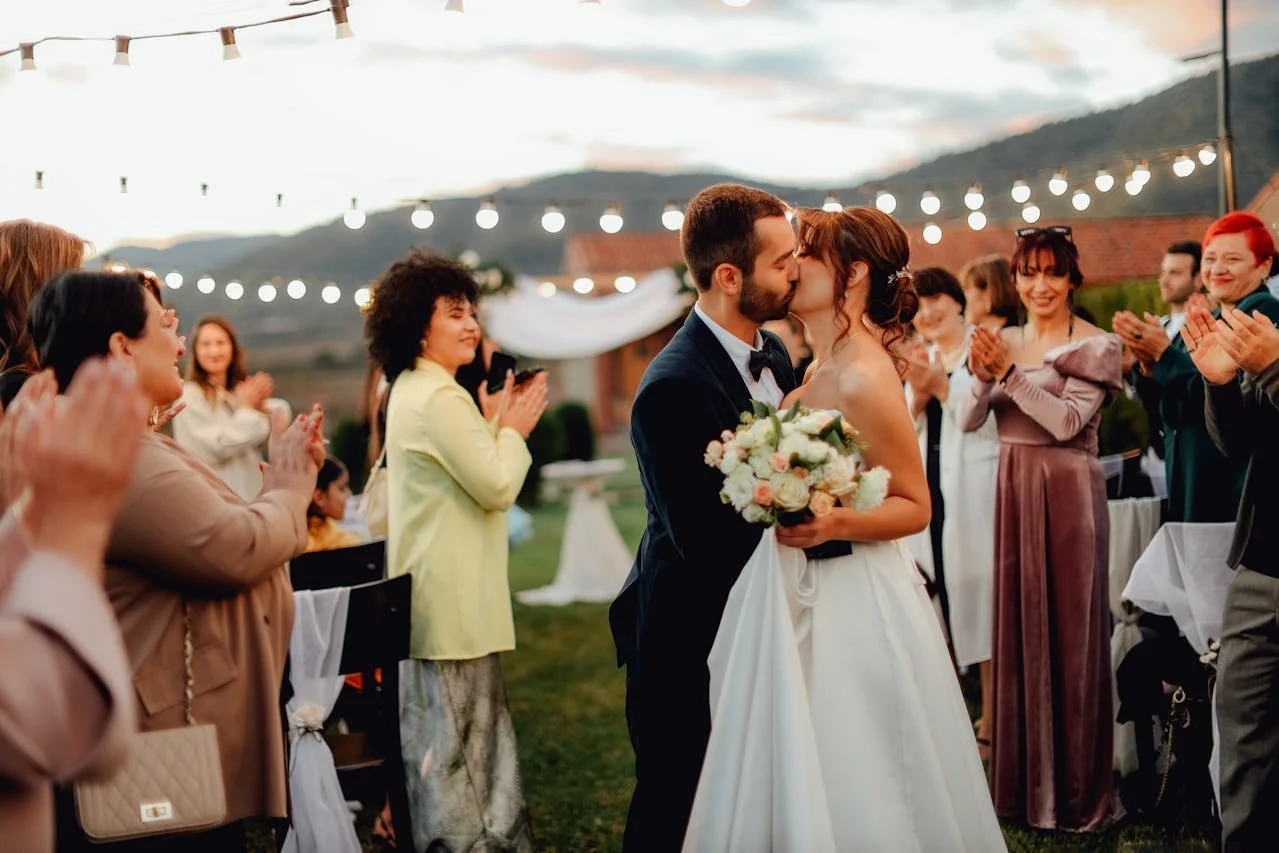
Fall Wedding Ceremonies in Colorado / Photo: Marius Pavel
What makes a fall wedding in Colorado especially beautiful?
A Colorado fall wedding pairs golden aspens, cooler temperatures, mountain light, and rich seasonal textures with a ceremony designed around the location. Choose the date by elevation, build around natural scenery, use seasonal flowers and layered colors, plan for changing weather, and schedule the ceremony with sunset and guest comfort in mind. Colorado has a way of making fall wedding design look deceptively easy. In September, entire mountain slopes can turn gold. A few weeks later, the color works its way into lower elevations and Front Range neighborhoods. The light softens. Even an ordinary wooden table can look unusually good beside amber foliage and a darkening blue sky.
The complication is that none of this follows a wedding planner's calendar with much discipline. Colorado's tourism office identifies September as the ideal month for viewing fall color statewide, but the change is brief and varies by elevation; higher areas generally turn before lower ones. Colorado's fall-color season can therefore stretch into October without guaranteeing that any particular grove of aspens will cooperate on a particular Saturday. This is why the best Colorado fall weddings are designed around the conditions that actually exist rather than an idealized photograph from Pinterest. They feel seasonal without becoming themed, comfortable without looking utilitarian, and polished without putting a floral arrangement in front of every available mountain.
Couples holding a city celebration can explore Denver wedding officiant services. For foothills celebrations, see Golden wedding officiant services, while couples planning near the Flatirons can explore Boulder wedding officiant services. Couples drawn farther into the mountains can also consider elopement ceremonies in Colorado.
Table of Contents
Choose your fall wedding date by elevation
Let Colorado establish the color palette
Choose a venue with two genuinely attractive options
Design the ceremony around the landscape
Time the ceremony around light—not dinner
Use flowers that belong to the season
Dress for the temperature you may actually get
Make guest comfort part of the design
Carry fall into the reception without creating a theme party
Build a weather decision into the schedule
Related Articles
1. Choose Your Fall Wedding Date by Elevation
Do not begin with the question, "When is peak fall color in Colorado?" Begin with, "What elevation is our ceremony?" Mountain towns and higher-elevation venues generally change first. Lower Front Range locations follow later. Colorado.com specifically notes that foliage timing moves according to elevation, with higher areas changing earlier and lower areas later. For a mountain wedding centered on aspens, mid-to-late September is often the first period worth investigating. For Denver, Golden, and lower Front Range settings, late September into October may provide more autumn character. Do not make foliage the single condition upon which the wedding succeeds. A warm week, windstorm, early freeze, or snow event can quickly rewrite the landscape. Choose a venue you would still want to marry in after the leaves have dropped.
2. Let Colorado Establish the Color Palette
Fall wedding design has spent years cycling through burgundy, burnt orange, mustard, rust, and forest green. Those colors can still work, but covering a Colorado wedding in all five at once can make the setting feel strangely artificial. Instead, take two colors from the landscape and introduce one contrasting shade. A mountain ceremony surrounded by yellow aspens might use ivory, camel, dark green, and a small amount of oxblood. A Denver wedding could pair tobacco brown and warm cream with midnight blue. Boulder can handle moss, champagne, stone, and plum beautifully. Zola's recent fall-design guidance similarly recommends building a palette around the venue, style, and atmosphere rather than automatically selecting conventional autumn colors. Its recent examples combine warmer shades with unexpected blues, lavender, teal, and jewel tones.
3. Choose a Venue With Two Genuinely Attractive Options
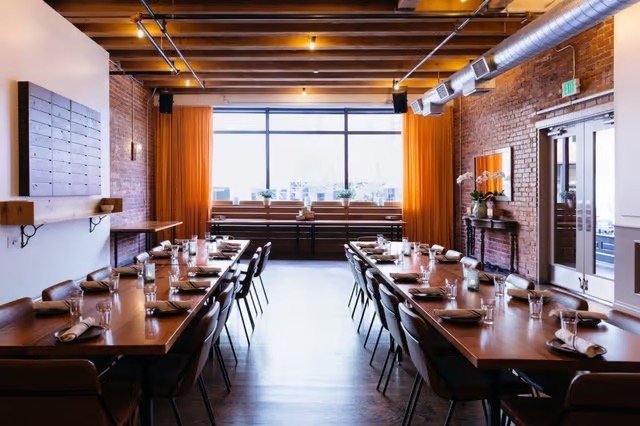
For an outdoor Colorado wedding, an indoor backup should not be a storage room with chairs brought in during a storm. Ask to see both ceremony configurations before signing the contract. Photograph them. Consider where the officiant stands, where guests enter, how the couple is lit, what appears behind the ceremony, and whether the indoor space can accommodate the same floral installation without last-minute redesign. Weather variability increases as fall progresses. Denver's 1991–2020 climate normals illustrate how quickly the season changes: normal temperatures around October 1 are approximately 72°F during the day and 44°F overnight; by October 31, those normals fall to roughly 59°F and 31°F. Denver has also recorded measurable October snow. Your backup plan is therefore part of the venue, not an insurance policy tucked into the contract.
4. Design the Ceremony Around the Landscape
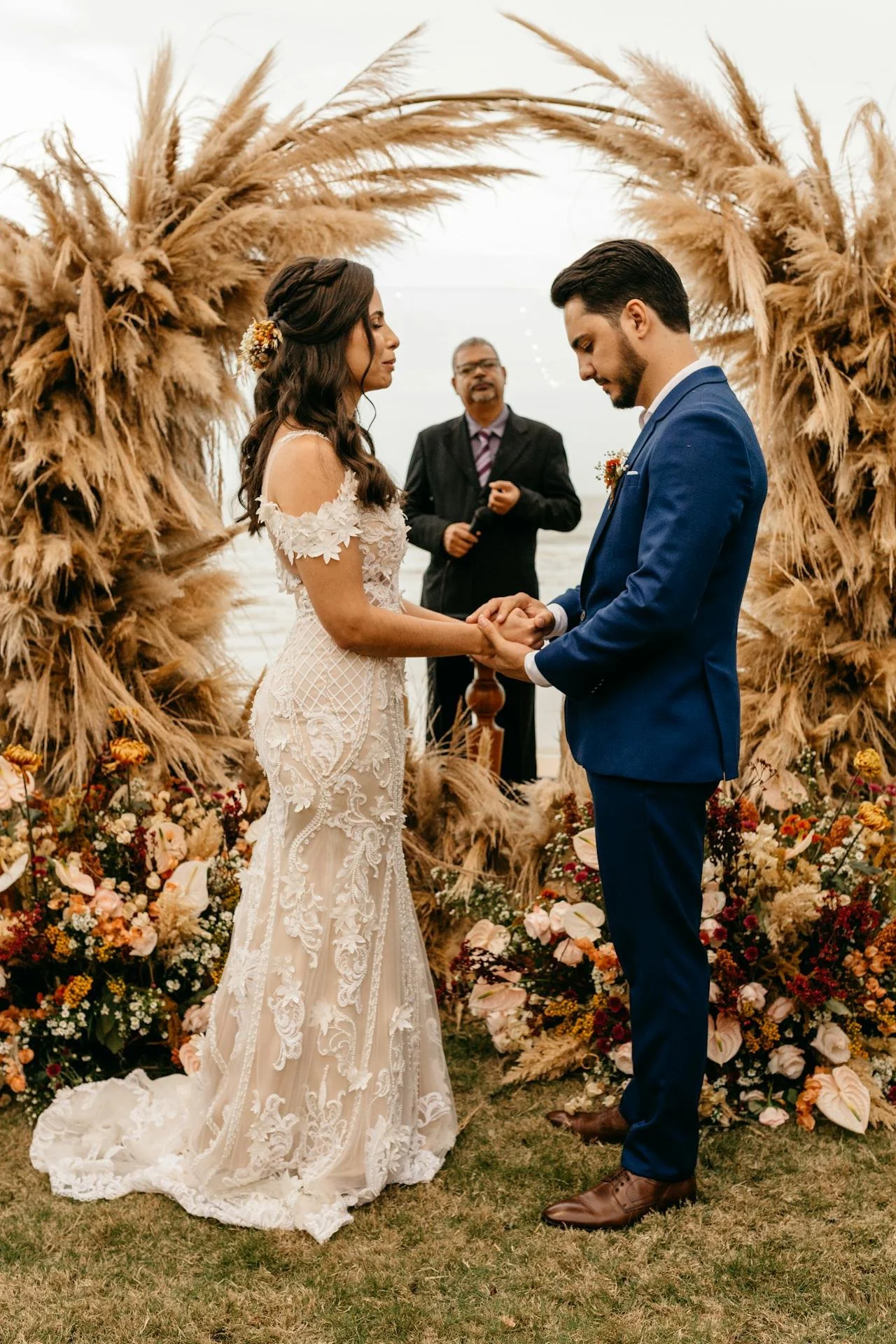
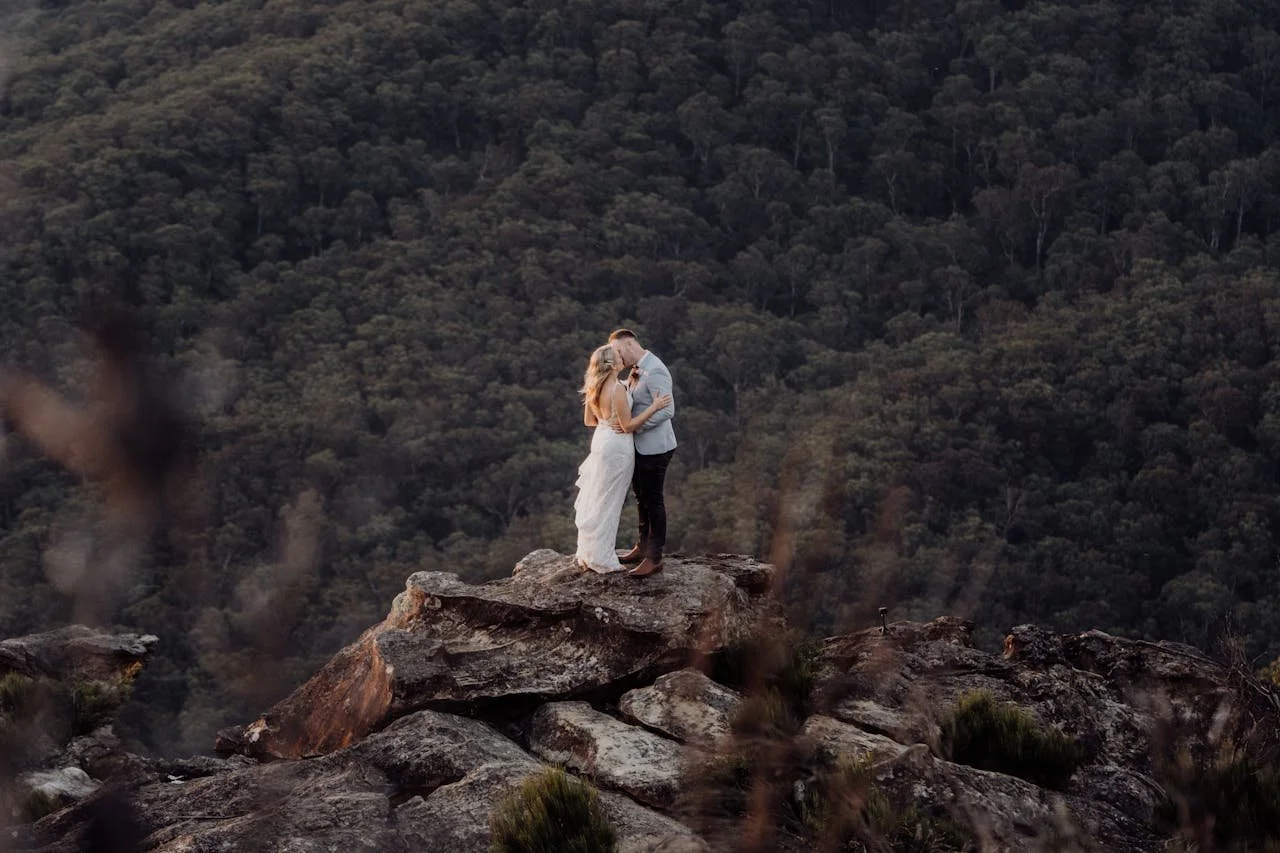
Colorado provides enough scenery on its own. If the ceremony faces a mountain range, a grove of aspens, a red-rock formation, or an architectural view, avoid erecting a large installation that blocks the very reason you chose the location. A low floral arrangement, asymmetrical ground flowers, or a restrained arbor can frame the scene without claiming it. The same restraint should carry into the ceremony itself. A fall wedding already has atmosphere. There is no need to load the ceremony with six readings, several rituals, elaborate introductions, and a long account of the relationship. Recent wedding research supports that direction. The Knot's 2026 reporting found that personalization and authenticity remain significant priorities, with 58% of couples saying they planned to look beyond traditional wedding conventions for details that better reflect them. Personal does not have to mean elaborate. Often it means precise.
5. Time the Ceremony Around Light—Not Dinner
"Five o'clock ceremony" sounds convenient until sunset arrives halfway through portraits. Once you select the date and venue, determine the exact local sunset and discuss it with your photographer. Then work backward. Depending on the site, surrounding mountains can remove direct sunlight well before the published sunset time. For outdoor ceremonies, I would generally build enough margin for the ceremony, congratulations, immediate family photographs, and at least a portion of couple portraits before the preferred light disappears. Mountain horizons complicate this further because the sun can abruptly vanish behind a ridge. Your photographer's familiarity with the venue is more useful here than a generic timeline downloaded from the internet.
Quick Summary
Choose your wedding date according to elevation rather than assuming October equals peak foliage.
Let the landscape supply most of the seasonal color.
Limit the palette to a few sophisticated shades.
Book a venue with an indoor ceremony option you genuinely like.
Confirm sunset and mountain-shadow timing with your photographer.
Use September and October flowers that are naturally in season.
Build attractive layers into wedding-party attire.
Treat blankets, water, transportation, heaters, and footwear guidance as design decisions.
Use autumn through texture, food, flowers, and candlelight rather than obvious themed décor.
Establish a specific weather-decision deadline before the wedding day.
6. Use Flowers That Belong to the Season
Rather than handing a florist a photograph of a spring arrangement and asking for an October recreation, begin with what is naturally strong in September and October. The Knot's updated seasonal-flower guide lists dahlias and marigolds among September options, while October brings flowers such as celosia, chrysanthemums, and asters. Seasonal sourcing can also produce fresher flowers and expose couples to regional varieties they might otherwise overlook. Then add texture. Branches, berries, grasses, seed heads, foliage, and restrained dried elements can add depth to a fall arrangement without requiring large flower counts. For a luxury aesthetic, resist the urge to put miniature pumpkins into every available gap.
7. Dress for the Temperature You May Actually Get
Colorado fall attire should have a second act. A sleeveless dress may be comfortable during a sunny September ceremony and miserable an hour later once the sun drops behind the foothills. A groom wearing a heavy wool suit may have the opposite problem during an 80-degree afternoon. Build layers into the wardrobe from the beginning: a tailored dinner jacket, cape, shawl, structured overcoat, velvet jacket, heavier second look, or elegant wrap. For mountain ceremonies, shoes should be chosen based on the actual terrain rather than the photographs you hope to take there. Fall styling looks far better when people are comfortable enough to stop thinking about what they are wearing.
8. Make Guest Comfort Part of the Design
The most sophisticated guest experience is often logistical. Tell guests whether the ceremony is on grass, gravel, stone, or trail. Explain if they will walk from parking. Include the elevation when appropriate. Provide blankets or wraps before guests become cold rather than after. If temperatures may fall sharply, place portable heaters where people will actually gather. For mountain weddings, add water stations and make transportation clear. For urban celebrations, consider an indoor cocktail hour immediately after an outdoor ceremony so guests have somewhere warm to go. These details rarely appear in the wedding album. They are nevertheless among the things guests remember.
9. Carry Fall Into the Reception Without Creating a Theme Party
Autumn works particularly well through texture. Consider walnut or oak, linen, ceramic place settings, smoked glass, wool, velvet, candlelight, leather details, antique brass, dark fruit, pears, figs, apples, herbs, and seasonal foliage. Food can make the transition even more naturally: roasted squash, mushrooms, Colorado beef, root vegetables, late-season salads, apple desserts, spiced cake, espresso, hot cider, or a small late-night soup course. The Knot's recent fall-wedding guidance likewise emphasizes seasonal food, flowers, color, and atmosphere rather than reducing autumn design to one decorative motif. Let the season appear in several quiet places instead of shouting from one centerpiece.
10. Build a Weather Decision Into the Schedule
Decide in advance who moves the ceremony indoors and when. A useful plan might read:
11:00 a.m.: Planner reviews forecast and wind.
1:00 p.m.: Venue, planner, florist, photographer, and officiant confer.
2:00 p.m.: Final outdoor/indoor decision.
2:15 p.m.: Vendor team begins the appropriate setup.
Do not leave the decision to the couple thirty minutes before the processional. If you are planning specifically around Boulder, the existing Boulder Fall Wedding Guide: Venues, Permits, License, and Tips goes into greater detail on location and permit logistics. Keeping that page focused on Boulder, and this article focused on statewide fall design also creates cleaner search intent between the two pages.
Related Articles
From the Michael Moody Officiant wedding blog directory:
Boulder Fall Wedding Guide: Venues, Permits, License, and Tips
Preparing for Your Wedding Ceremony in Colorado: A Couple’s Guide
How to Personalize Your Wedding Ceremony Without Making It Awkward or Overlong
Common Wedding Ceremony Planning Challenges and How to Overcome Them
How to Get Married in Colorado: Marriage License Guide for 2026
Colorado Front Range Elopement Guide: Hiking-In Wedding Ceremonies and Scenic Trails
The directory includes ceremony planning articles, wedding-specific planning guidance, Front Range elopement content, and relationship-focused resources for couples planning meaningful Colorado ceremonies.
About the Author: Michael Moody, Wedding Officiant
Michael Moody is a Colorado wedding officiant serving Denver, Boulder, Golden, Larkspur, and mountain communities throughout the state. Since 2012, he has officiated more than 300 weddings, bringing a calm presence, thoughtful guidance, and emotionally grounded ceremony writing to couples seeking a meaningful experience. He also offers Colorado elopement ceremonies for couples who want something intimate, intentional, and beyond the boundaries of a traditional wedding day. His work is shaped by a lifelong interest in connection, reflection, and personal growth. Michael is the author of the self-improvement book Redefine Yourself: The Simple Guide to Happiness and host of The Elements of Being podcast. As a wedding officiant, he draws from that same foundation: the belief that our relationships, words, and everyday interactions help shape a life rooted in love, empathy, and purpose. Michael’s ceremony work has been recognized across Colorado. He is a 2023 WeddingWire Couples’ Choice Award winner in Denver, marking his eighth consecutive year receiving the honor. He was also named “Best Business of 2024, 2025, and 2026” by Three Best Rated and earned “The Best Wedding Officiant in Commerce City, Colorado for 2024” from Quality Business Awards USA.
Beyond weddings, Michael and his wife, Sammy, have sponsored an annual student scholarship for more than 10 years. They also founded Civic Growth Alliance, a 501(c)(4) nonprofit dedicated to strengthening communities through civic advocacy, resident engagement, strategic partnerships, public safety initiatives, neighborhood vitality, and community well-being.
Wedding locations: Michael officiates wedding ceremonies in the Denver neighborhoods of LoDo, River North, Washington Park, Cherry Creek, City Park, Central Park, Capitol Hill, Cheesman Park, Park Hill, Lower Highlands, and Sloan Lake. Michael also serves as an ordained minister in Larkspur, Littleton, Golden, Boulder, Breckenridge, Frisco, Aspen, Vail, Estes Park, and more. If your Denver neighborhood or Colorado town isn’t listed here, no worries! Please contact Michael to propose a wedding ceremony location in a different area!
Wedding Planning Tips
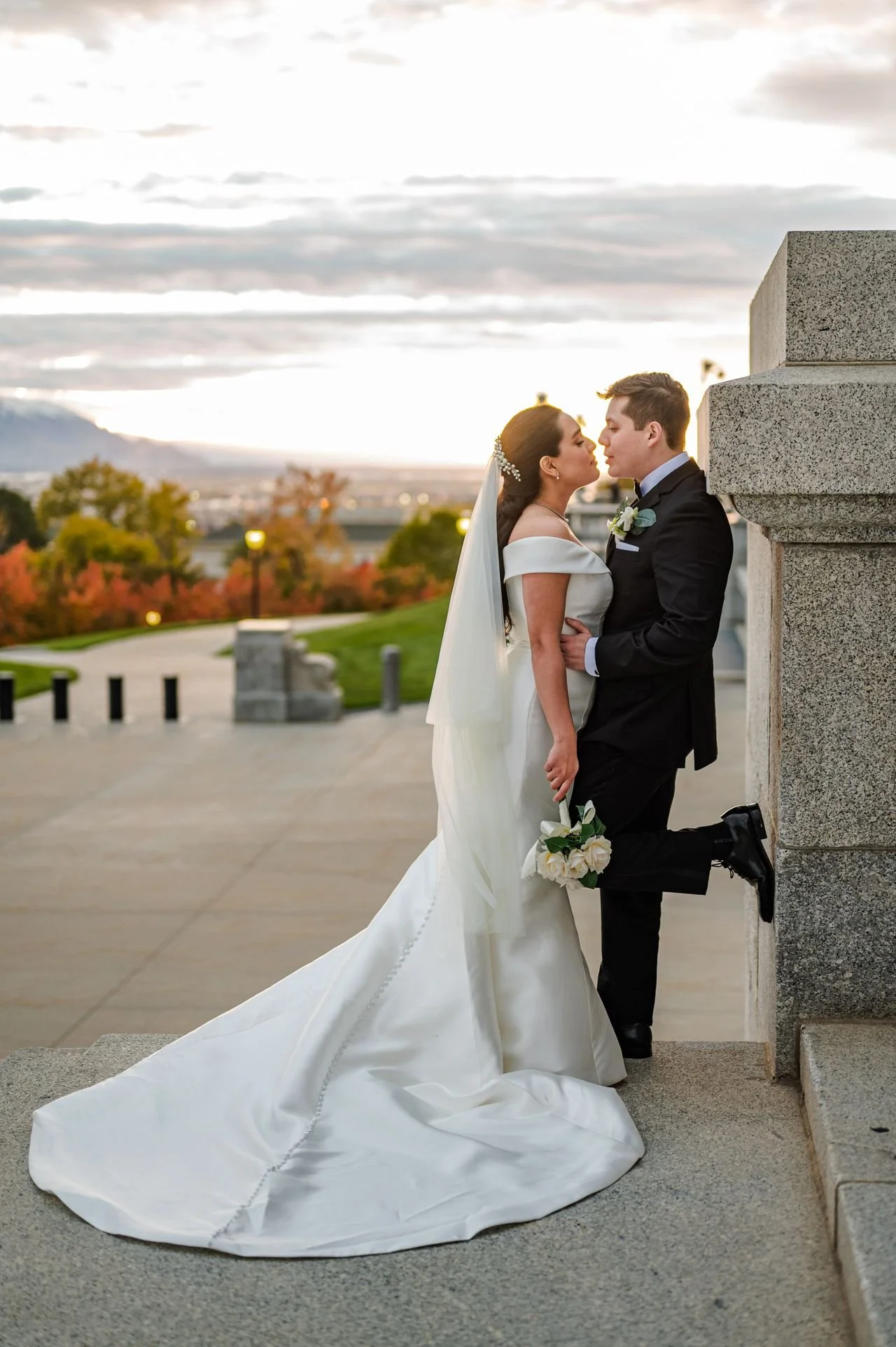
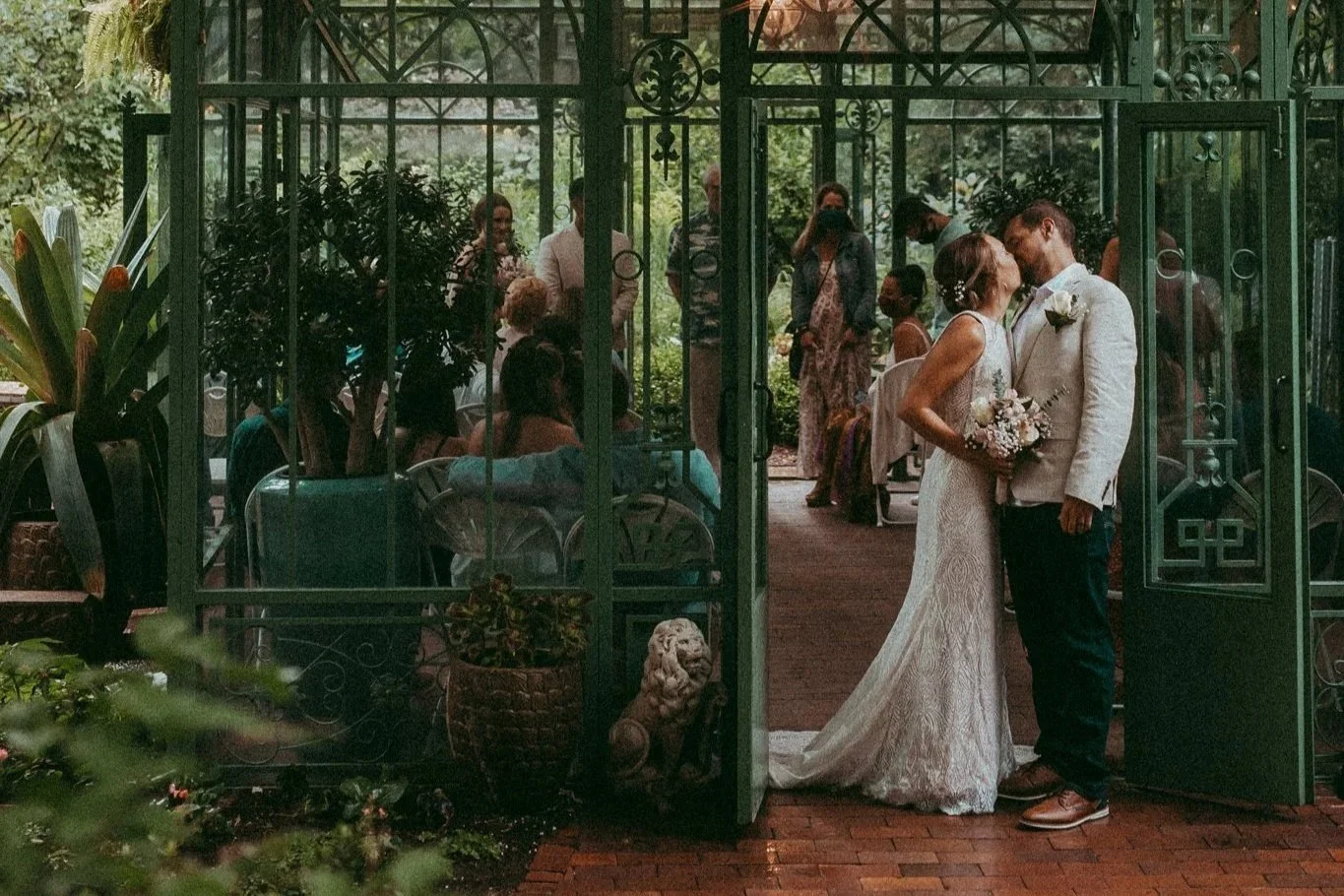
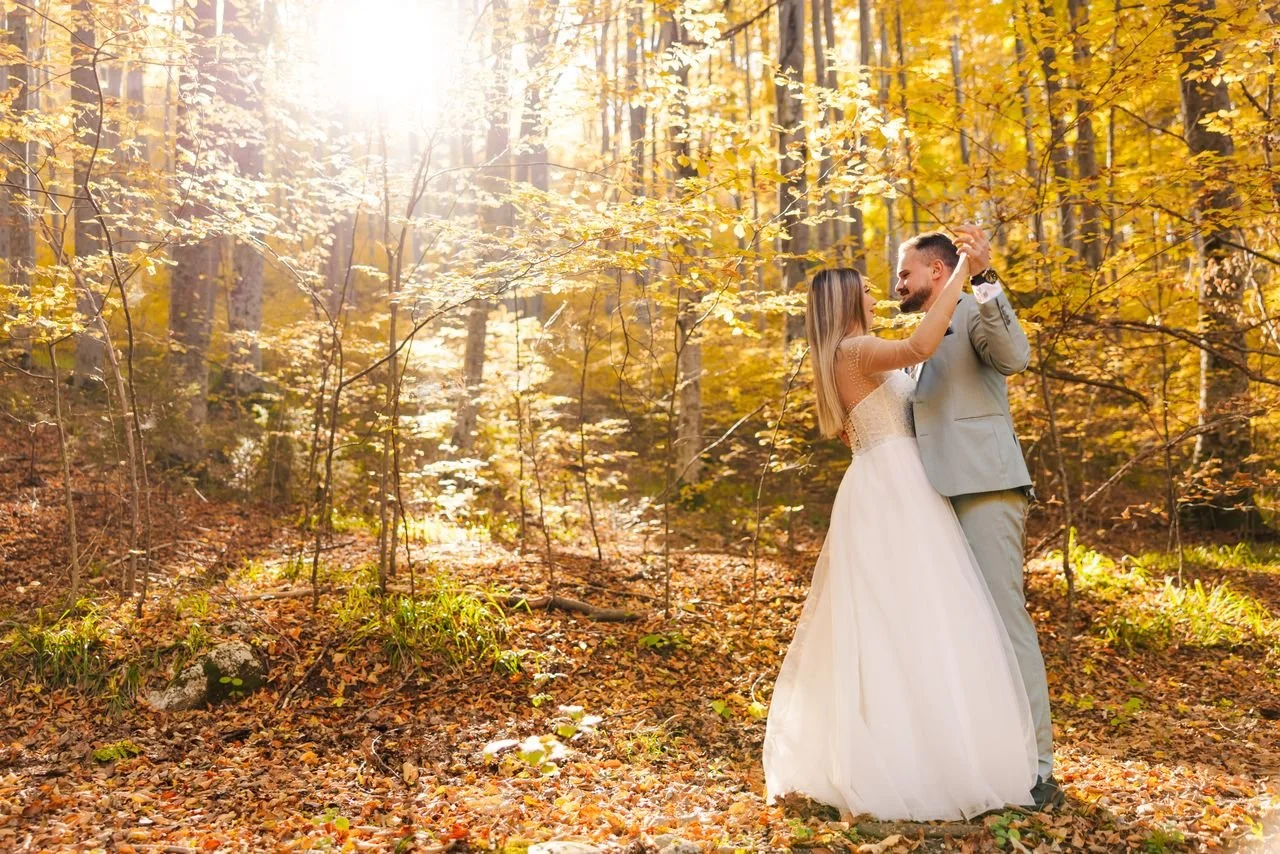




Michael Moody is a Colorado wedding officiant who has officiated more than 300 weddings since 2012, including personalized ceremonies throughout Denver, Golden, Boulder, and Colorado's mountain communities. His Denver wedding officiant services, Golden wedding officiant services, Boulder wedding officiant services, and Colorado elopement ceremonies draw on firsthand experience with ceremony writing, rehearsals, outdoor logistics, changing weather, vendor coordination, mountain settings, and the small adjustments that help a wedding ceremony feel composed on the day.