Top Styling Tips for Grooms in Denver | Groom Style Guide
Summary
A groom's wedding clothes have a difficult assignment: they should look exceptional in photographs without looking as though they were assembled for the photographs. For Denver weddings, the strongest approach begins with fit, then accounts for the ceremony's formality, the season, the venue, Colorado weather, and the groom's personality. A good suit can do a great deal. A good suit that fits correctly, works with the setting, and lets you forget about it for six hours does considerably more.
What are the best styling tips for grooms in Denver?
The best styling advice for Denver grooms is to start with fit, then choose formality, fabric, and color around the venue and season. Use accessories sparingly, wear shoes you have already broken in, and schedule grooming early enough to avoid last-minute experiments. Colorado weddings reward clothes that look polished and still let you move.
Frequently Asked Questions
What should a bride do first when planning a wedding?
Before choosing colors, dresses, flowers, or décor, decide with your partner what you want the wedding to feel like and identify the three parts of the celebration you value most. Those priorities become a filter for later decisions.
How can a bride make wedding planning less stressful?
Reduce the number of decisions that reach you. Divide planning responsibilities with your partner, assign clear jobs to vendors and family members, create deadlines for major choices, and stop revisiting decisions once they have been reasonably settled.
When should you start planning the wedding ceremony?
Begin discussing the ceremony several months before the wedding rather than leaving it for the final weeks. Decide on the tone, officiant, readings, vows, processional, cultural or family traditions, and basic ceremony structure before the final planning rush.
What should a bride delegate on her wedding day?
Vendor questions, transportation updates, late guests, décor issues, marriage-license logistics, rings, personal belongings, and timeline changes should all have assigned owners. The bride should not be the wedding-day information desk.
How can you stay present on your wedding day?
Build breathing room into the schedule, put your phone away, eat and drink normally, designate someone else to handle logistical questions, and set aside a few private minutes with your partner. Presence usually requires removing responsibilities rather than adding another activity.
Key Topics
groom styling tips Denver, Denver groom style, Denver wedding groom attire, groom wedding suit Denver, wedding suits for grooms Denver
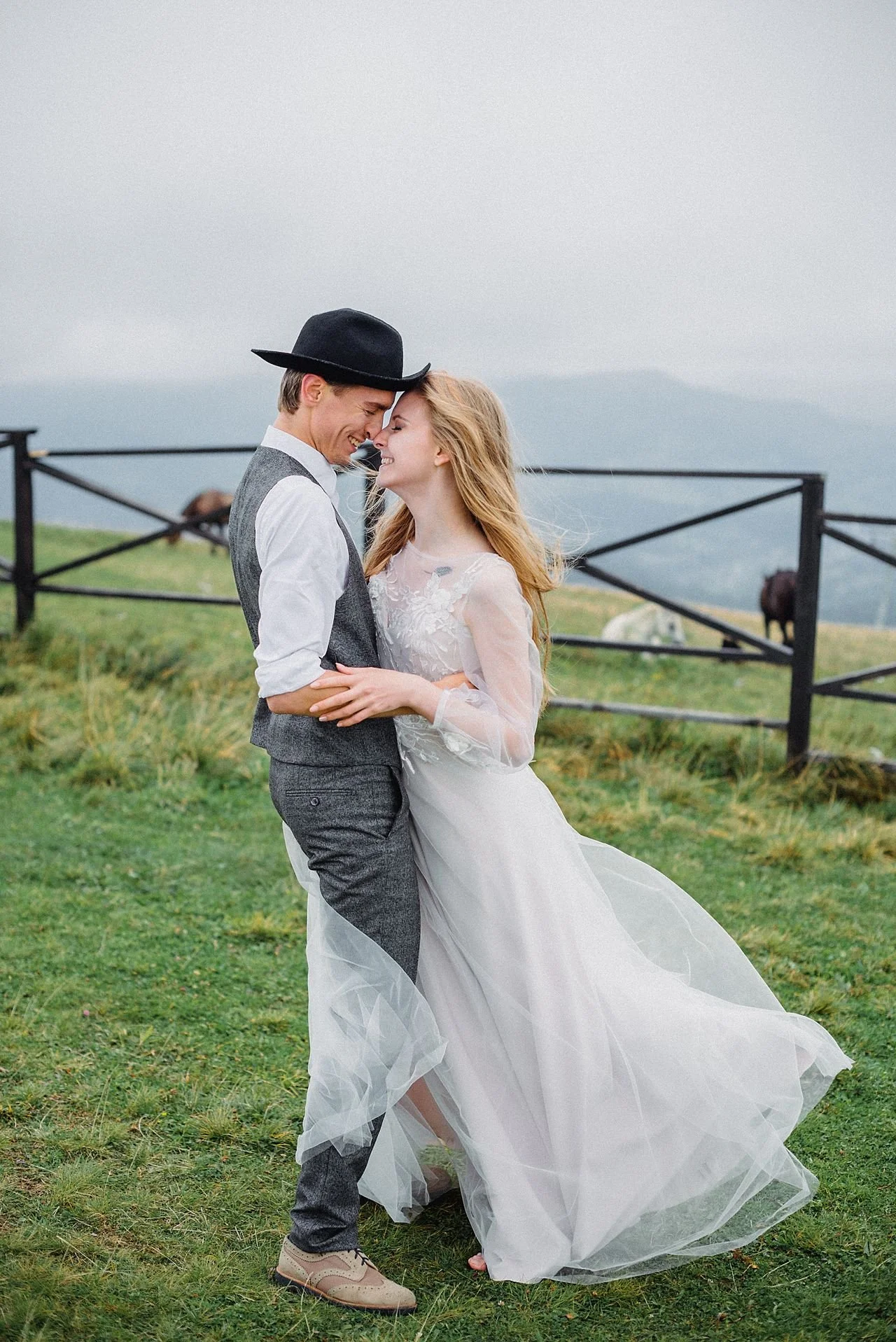
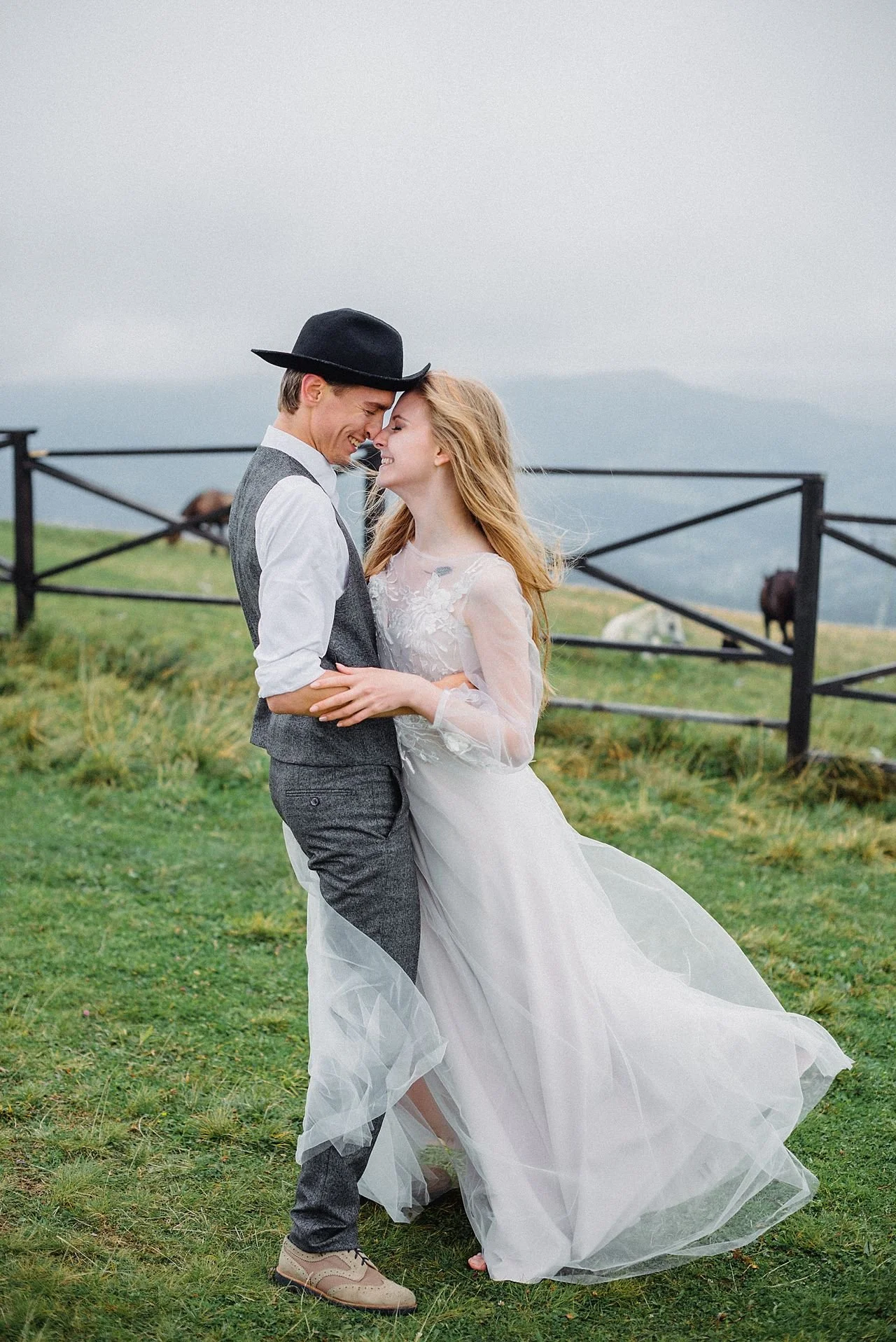
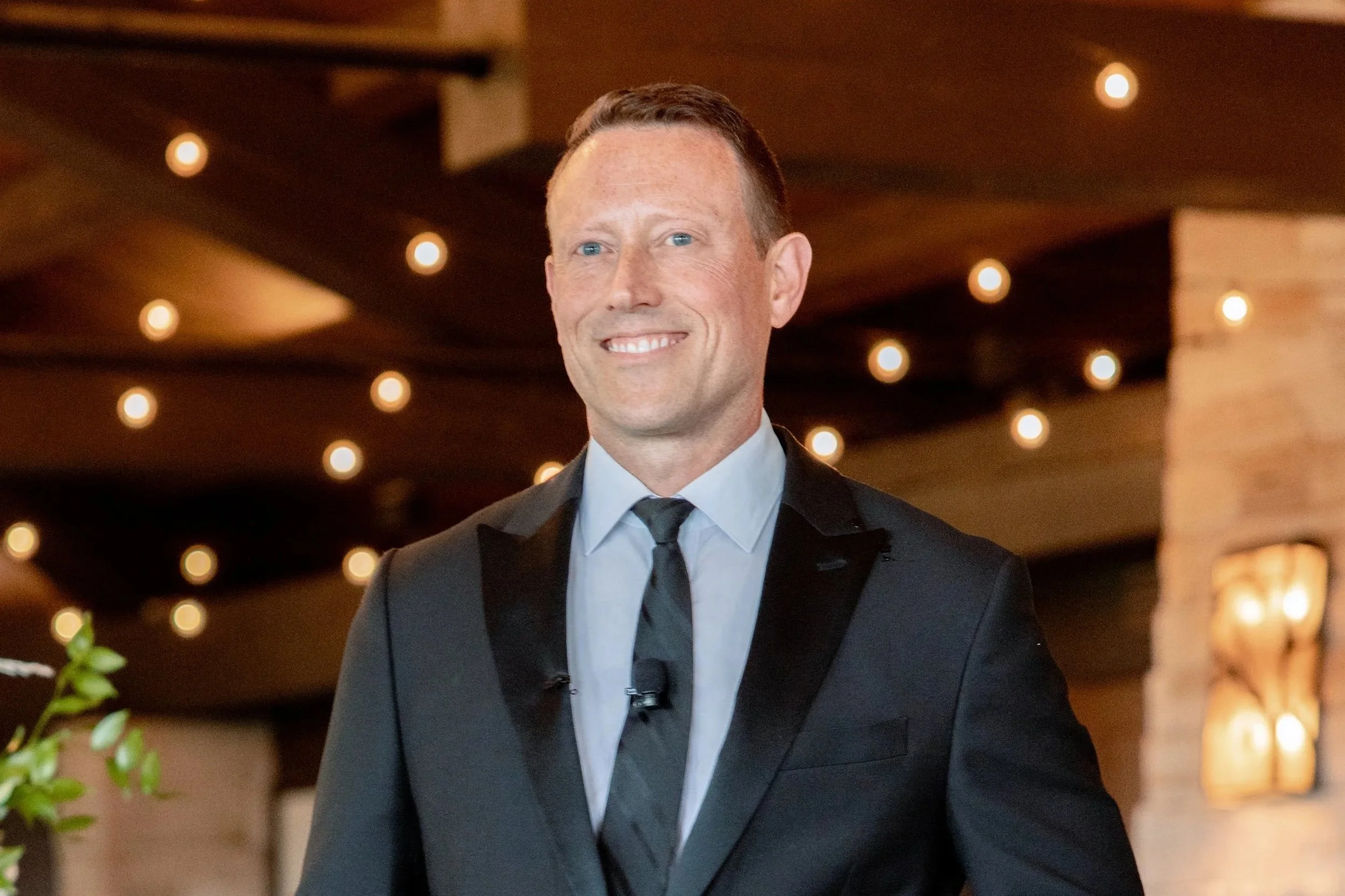
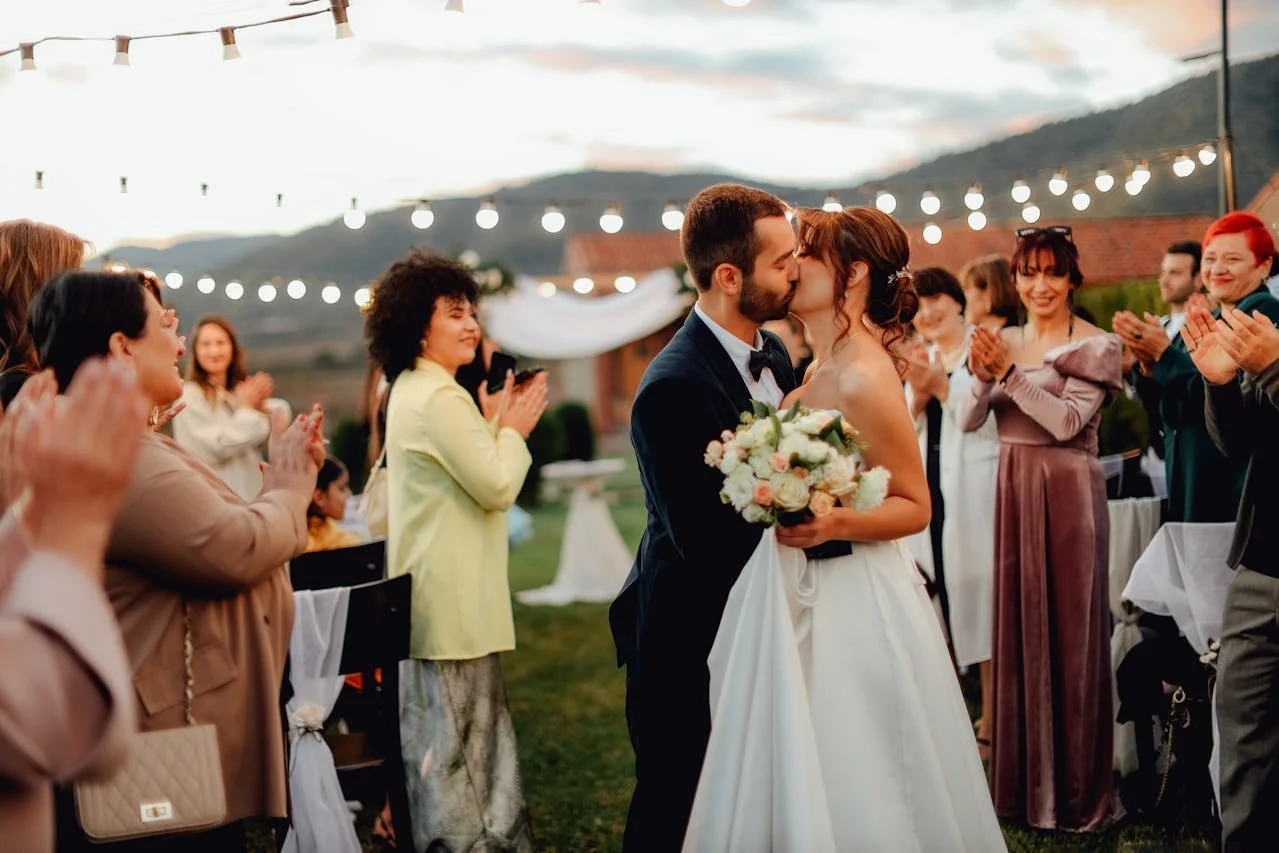
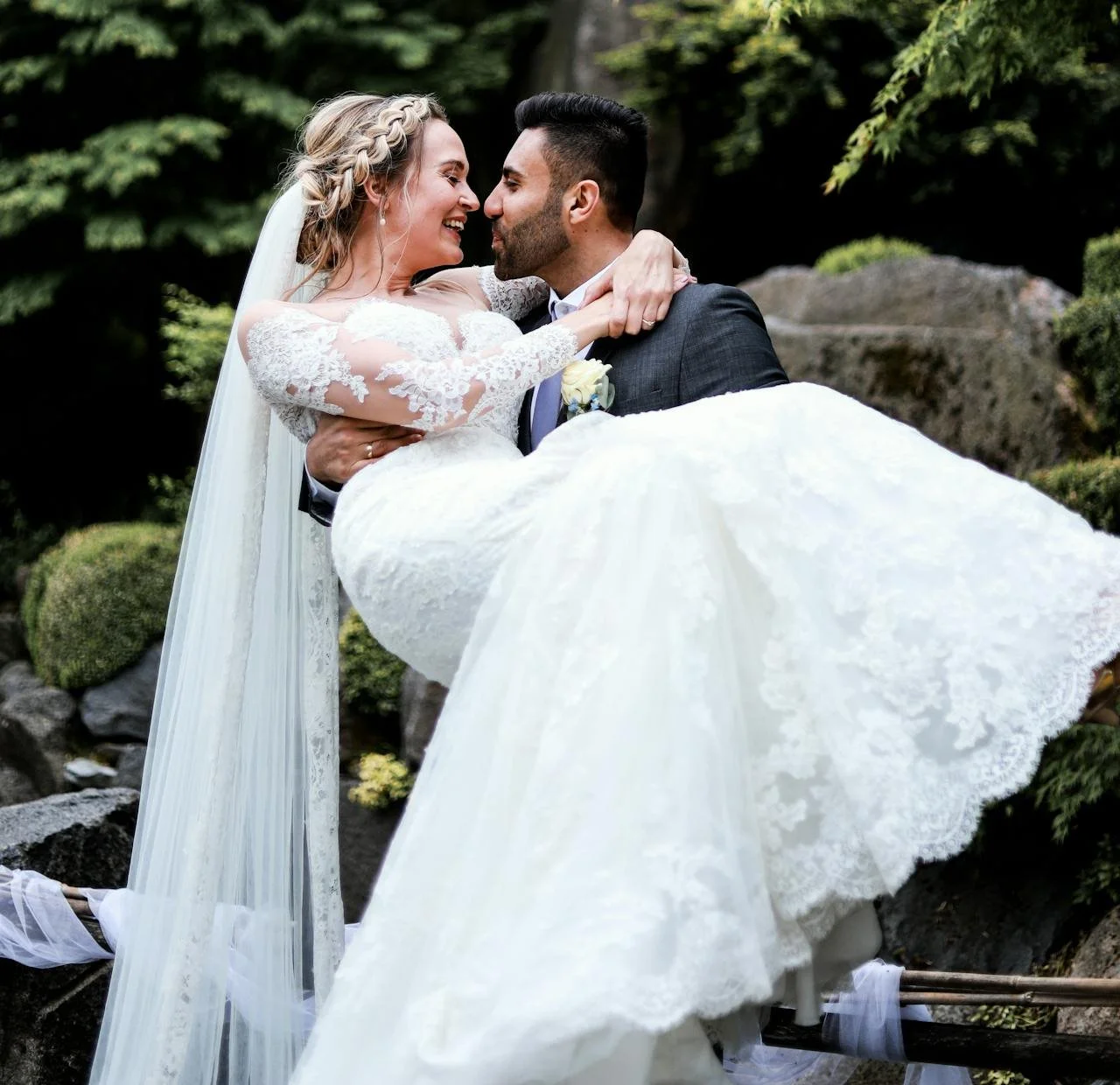
Groom Style / Photo: Anastasiya Vragova
Why Denver Grooms Should Dress for the Actual Wedding
A wedding suit should belong to the room—or the mountain, courtyard, rooftop, garden, trail, hotel, gallery, ranch, or restaurant—in which it will be worn. That distinction is especially useful in Colorado. Denver's wedding landscape can shift quickly from a black-tie ballroom downtown to a garden ceremony in the city, a foothill celebration outside Golden, or an intimate ceremony reached on foot. The same tuxedo is not automatically the right answer for all four.
Climate belongs in the conversation, too. Denver sits at 5,280 feet, with a dry climate and considerable seasonal variation. Visit Denver lists average July and August highs of approximately 88°F and 86°F, respectively, while evenings are generally cooler. A groom standing outside at 3:30 p.m. in July experiences his clothing differently than someone walking into an evening hotel reception in November. For a city ceremony, Denver wedding officiant services often take place in settings where a dark tailored suit, tuxedo, or sophisticated seasonal color works naturally. The larger point is simple: begin with the wedding you are actually having, not an image saved from someone else's.
Table of Contents
Why Denver grooms should dress for the actual wedding
Styling Tip #1: Get the fit right before worrying about fashion
Styling Tip #2: Let the venue determine the level of formality
Styling Tip #3: Choose fabric for Colorado's season and setting
Styling Tip #4: Use color with restraint
Styling Tip #5: Keep accessories selective
Styling Tip #6: Treat grooming as part of the wardrobe
A practical groom-style timeline
Related articles
Styling Tip #1: Get the Fit Right Before Worrying About Fashion
The most expensive suit in the room can still look wrong if the shoulders collapse, the trousers pool over the shoes, or the jacket strains when buttoned. Zola's updated groom-attire guidance recommends beginning with professional measurements, while The Knot's 2025 menswear reporting reflects a broader shift away from ultra-skinny silhouettes toward tailored fits that provide cleaner lines without restricting movement.
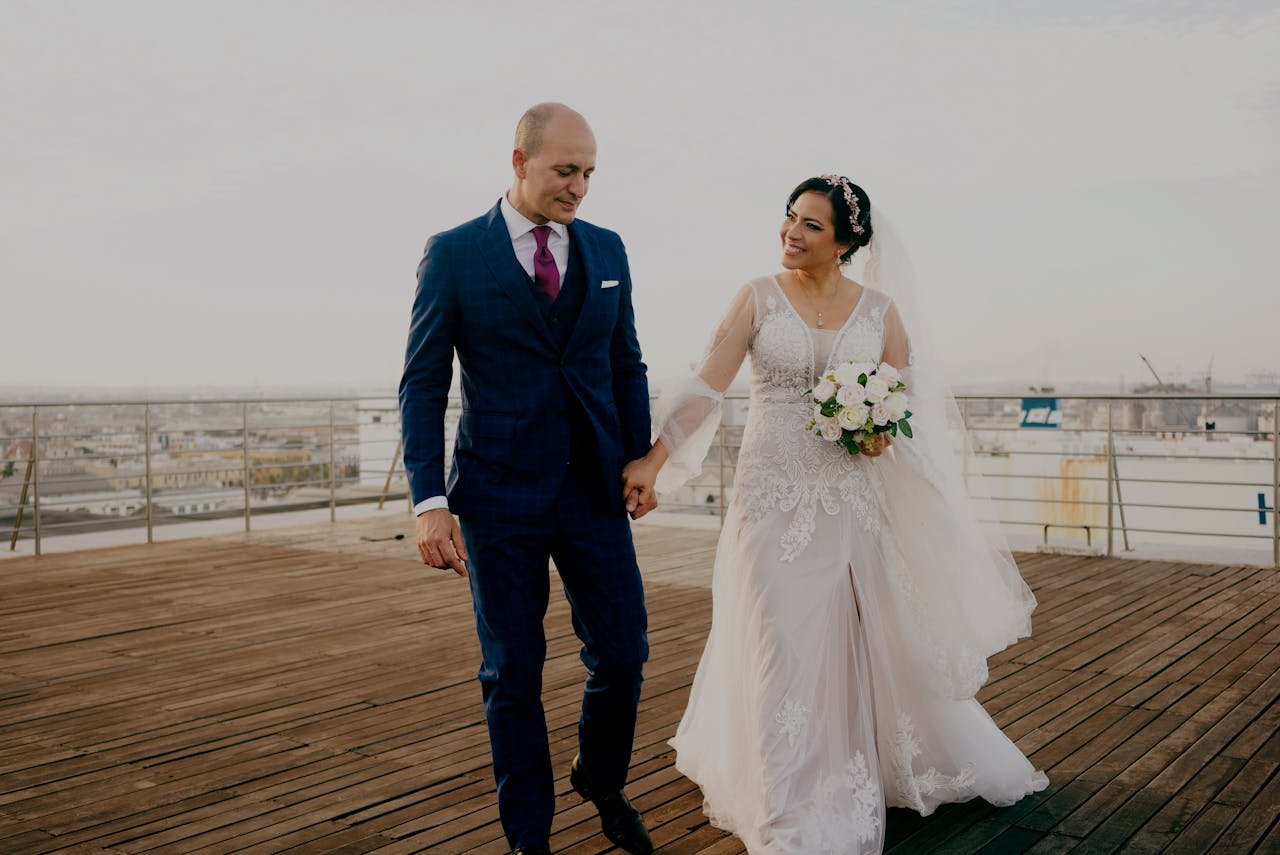
The useful checkpoints are surprisingly concrete. The jacket shoulder should end where your shoulder meets your arm. Lapels should lie flat rather than bow away from the chest. Roughly one-quarter to one-half inch of shirt cuff can show beneath the jacket sleeve. For a contemporary trouser length, the fabric can lightly meet the shoe rather than collapsing into several folds.
Then move in it.
Sit. Walk. Raise your arms. Hug someone. Bend down. Put your phone in a pocket. Pretend you are dancing badly at 10:45 p.m.
A wedding outfit should survive all of those things.
Recommendation: Schedule your principal fitting several weeks before the wedding and complete a final try-on wearing the actual shirt, shoes, belt or suspenders, and undergarments. Do not evaluate the jacket in isolation.
Styling Tip #2: Let the Venue Determine the Level of Formality
"Tuxedo or suit?" becomes easier once you stop treating it as a question of personal preference alone. The Black Tux's 2025 dress code guidance keeps the distinction fairly traditional: black tie calls for a tuxedo, typically in black or midnight blue, with a white shirt, bow tie, and formal shoes. Formal or black-tie optional permits more latitude, including a dark, well-cut suit. Cocktail and semi-formal weddings allow considerably more flexibility.
For an evening hotel wedding in downtown Denver, a tuxedo can look entirely at home. For a brewery courtyard, art space, garden, or daytime restaurant ceremony, navy, charcoal, brown, or another tailored suit may feel more natural. Move west and the visual language changes again. Couples using Golden wedding officiant services often incorporate foothills, stone, greenery, historic architecture, or outdoor ceremony spaces. Texture and earthier colors can work beautifully there without turning the groom into scenery.
Recommendation: Match the groom's clothing to the wedding's stated dress code first, the venue second, and current fashion trends third.
Styling Tip #3: Choose Fabric for Colorado's Season and Setting
A groom should not spend his ceremony silently negotiating with his jacket. For warm-weather Denver weddings, consider lighter-weight wool, wool blends, linen blends, or other breathable constructions. The Black Tux's current wedding-suit guidance specifically favors lighter colors and fabrics, such as tan for spring and summer, and notes the practical heat disadvantage of dark suiting in direct sunlight.
For fall and winter, deeper wool textures, darker greens, charcoal, navy, brown, or a tuxedo can carry more visual weight without feeling heavy-handed. Colorado outdoor weddings introduce another consideration: temperature can change as the day progresses. A ceremony may begin in direct afternoon sun and end with dinner after the temperature has dropped considerably. Couples planning near the Flatirons through Boulder wedding officiant services, for example, may want the elegance of full suiting without choosing fabric better suited to an air-conditioned ballroom.
Recommendation: Ask the clothier for the fabric weight and construction rather than judging only by color. For an outdoor ceremony, wear the complete outfit outside for 15 or 20 minutes before the wedding. Comfort is easier to evaluate before the photographer arrives.
Quick Summary
Start with tailoring; fit has more visual impact than price or trend.
Match the outfit to the ceremony's dress code and venue.
Choose breathable fabrics for warm Denver and outdoor weddings.
Use stronger colors deliberately rather than stacking competing details.
Coordinate with the wedding party without dressing identically.
Break in shoes and plan footwear around the actual terrain.
Schedule the final haircut before wedding week rather than the morning before.
Avoid unfamiliar grooming products or dramatic style changes close to the ceremony.
Styling Tip #4: Use Color With Restraint
Current groom fashion is much broader than black, gray, and navy. The Knot's 2025 menswear reporting highlighted sage and other greens, chocolate brown, richer textures, double-breasted jackets, and more expressive suits. That freedom is useful. It is not an instruction to use all of it.
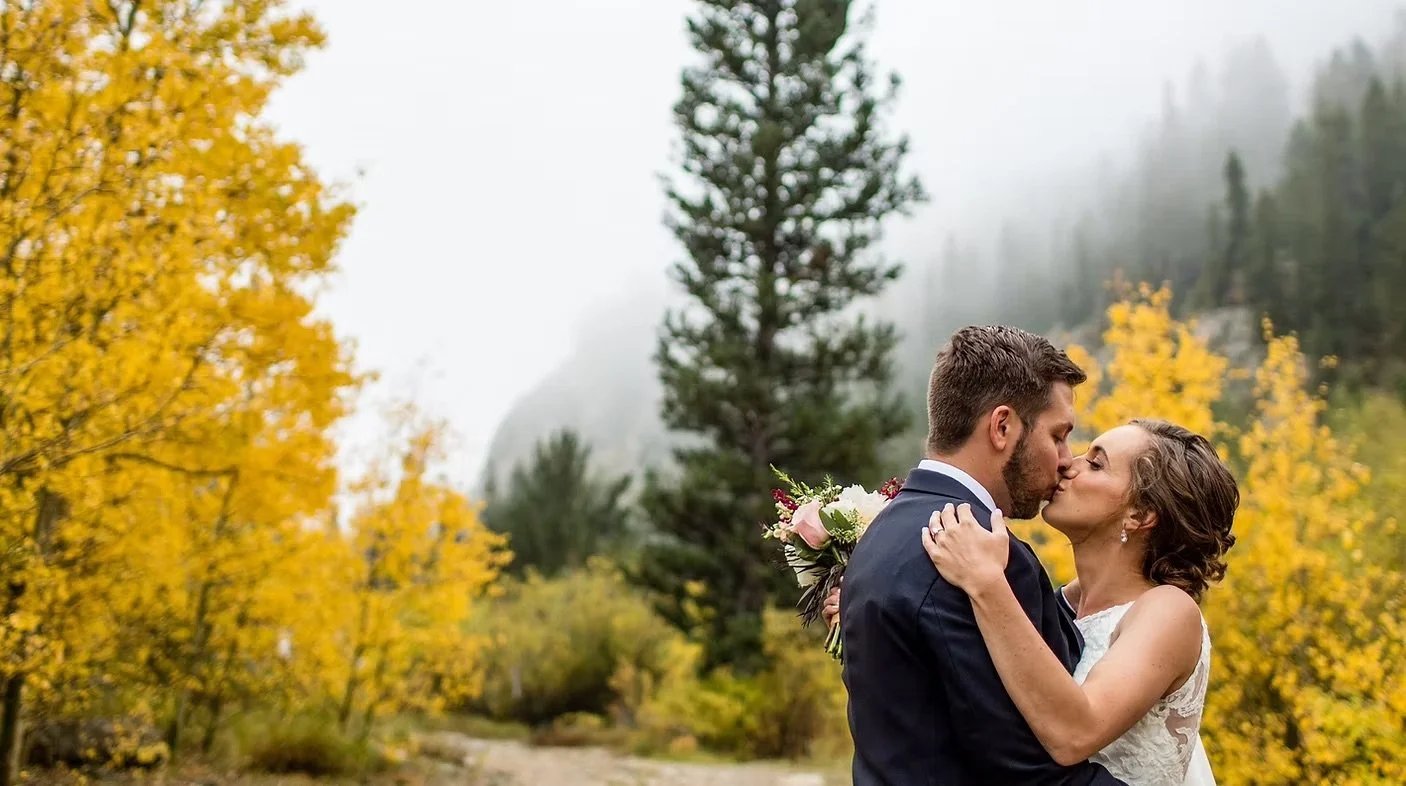
A deep olive or forest-green suit can look extraordinary against Colorado stone and autumn foliage. Brown and tobacco tones can work in historic, rustic, or foothill settings. Midnight blue remains an excellent alternative to black for evening ceremonies. Navy remains difficult to misuse. The test I would apply is photographic longevity: Will the color still look like you in ten years? If the answer is uncertain, put the stronger color in a smaller place—a tie, pocket square, boutonniere, socks, dinner jacket, or rehearsal-dinner outfit.
Recommendation: Choose one visual idea for the groom. Do not make the suit color, patterned shirt, tie, socks, boutonniere, pocket square, lapel pin, and shoes compete for attention simultaneously.
Styling Tip #5: Keep Accessories Selective Menswear can become cluttered very quickly because the pieces are small.
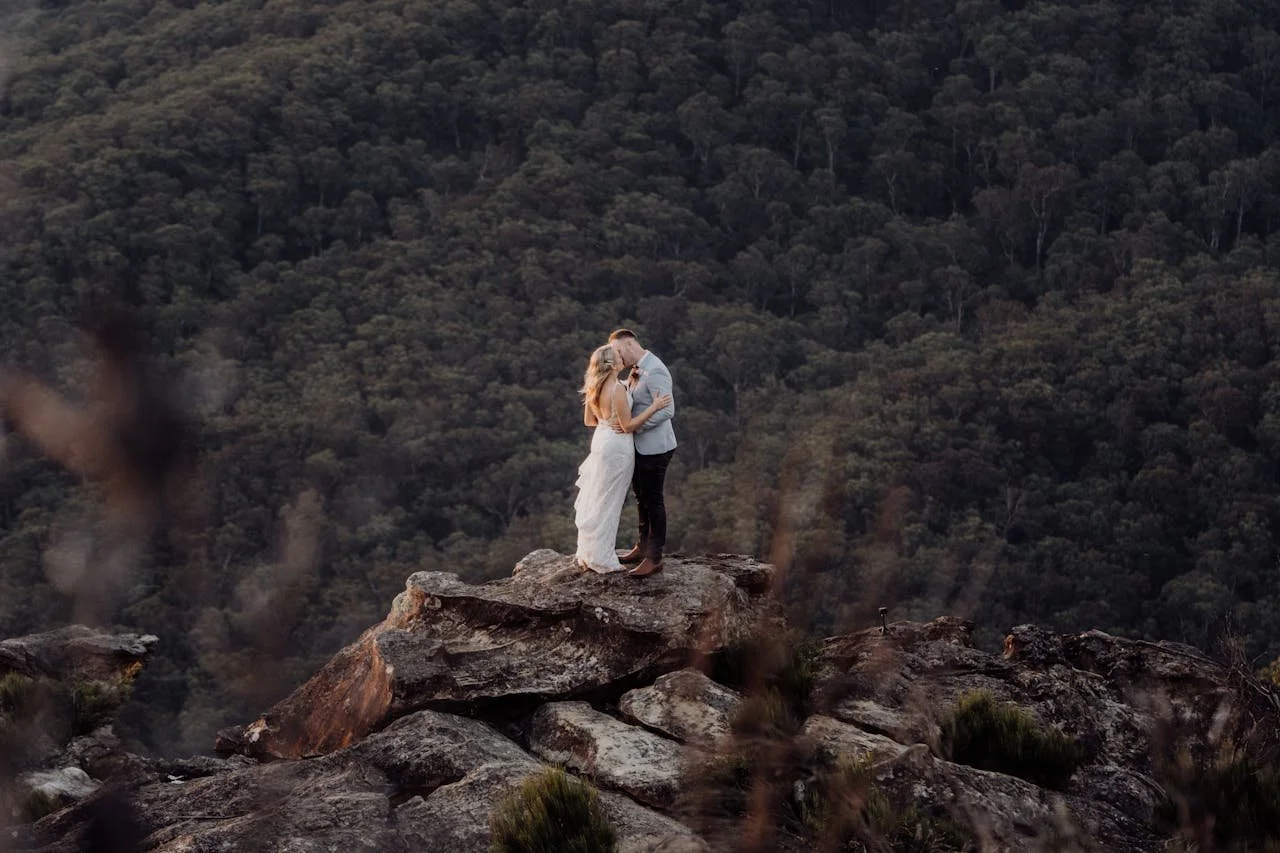
A pocket square does not need to match the tie exactly. The boutonniere does not need to reproduce the entire floral arrangement. A watch can be beautiful, but an enormous sports watch beneath a formal cuff may dominate photographs. Novelty socks are harmless, although they generally work better as a private joke than as the organizing principle of the outfit. Shoes deserve more attention than they receive. Black leather remains the safest companion for a tuxedo. Dark brown can work beautifully with navy, blue, brown, tan, and some gray suits. For mountain and outdoor weddings, consider the actual surface underfoot before choosing a slick leather sole. This becomes particularly important for Colorado elopement ceremonies. A groom walking to an overlook does not need to hike in polished dress shoes simply because he intends to wear them during the ceremony. Carry them, change near the site, and keep the photograph rather than the blister.
Recommendation: Break in wedding shoes indoors before the wedding. Pack a small cloth or brush, backup socks, stain remover, and adhesive bandages. This is not glamorous advice. It is useful advice.
Styling Tip #6: Treat Grooming as Part of the Wardrobe
The haircut, beard, skin, nails, and clothing appear in the same photographs. They should be planned with roughly the same degree of restraint. The Knot's groom-grooming guidance recommends scheduling the final haircut roughly one to two weeks before the wedding and testing a substantially different hairstyle months earlier rather than unveiling an experiment during wedding week. The same principle applies to unfamiliar skincare products and major grooming treatments. If you normally have a beard, the wedding is probably not the morning to discover your chin. If you are normally clean-shaven, practice whatever shaving routine produces the least irritation. Have facial hair shaped rather than aggressively redesigned. Clean nails and moisturized hands deserve attention because ring photographs are, unsurprisingly, photographs of hands.
Recommendation: Aim to look like the best-rested, best-tailored version of yourself—not a newly invented person hired to portray you at the wedding.
A Practical Groom-Style Timeline
4–6 Months Before
Decide whether you are buying, renting, or commissioning the suit or tuxedo. Set the wedding's level of formality and coordinate the broad direction with your partner and wedding party. Zola recommends giving grooms at least a few months to choose clothing and allow time for tailoring.
8–10 Weeks Before
Confirm shoes, shirt, tie or bow tie, belt or suspenders, pocket square, cufflinks, and any watch or jewelry. Schedule alterations if necessary.
3–4 Weeks Before
Try on the entire outfit at once. Photograph yourself from the front, side, and back. Sit down. Walk. Check trouser length with the wedding shoes. Confirm boutonniere placement.
1–2 Weeks Before
Get your final haircut if that timing matches your usual routine. Shape facial hair. Break in shoes. Stop introducing new grooming products.
48 Hours Before
Steam or press the clothing. Check every button. Remove retail stitching and tags. Pack accessories together. Empty unnecessary items from trouser pockets.
Wedding Day
Put on the trousers before the shoes. Keep phones, keys, wallets, and bulky cases out of visible pockets during photographs and the ceremony. Button a two-button suit jacket only at the top while standing, then unbutton it when seated. And then stop examining yourself. At some point, clothes have finished their work.
Related Articles
From the Michael Moody Officiant wedding blog directory:
Preparing for Your Wedding Ceremony in Colorado: A Couple's Guide
How to Personalize Your Wedding Ceremony Without Making It Awkward or Overlong
Common Wedding Ceremony Planning Challenges and How to Overcome Them
Denver Rehearsal Dinner Venues: Elegant and Upscale Restaurant Options for Your Wedding Weekend
Colorado Front Range Elopement Guide: Hiking-In Wedding Ceremonies and Scenic Trails
The directory includes ceremony planning articles, wedding-specific planning guidance, Front Range elopement content, and relationship-focused resources for couples planning meaningful Colorado ceremonies.
About the Author: Michael Moody, Wedding Officiant
Michael Moody is a Colorado wedding officiant serving Denver, Boulder, Golden, Larkspur, and mountain communities throughout the state. Since 2012, he has officiated more than 300 weddings, bringing a calm presence, thoughtful guidance, and emotionally grounded ceremony writing to couples seeking a meaningful experience. He also offers Colorado elopement ceremonies for couples who want something intimate, intentional, and beyond the boundaries of a traditional wedding day. His work is shaped by a lifelong interest in connection, reflection, and personal growth. Michael is the author of the self-improvement book Redefine Yourself: The Simple Guide to Happiness and host of The Elements of Being podcast. As a wedding officiant, he draws from that same foundation: the belief that our relationships, words, and everyday interactions help shape a life rooted in love, empathy, and purpose. Michael’s ceremony work has been recognized across Colorado. He is a 2023 WeddingWire Couples’ Choice Award winner in Denver, marking his eighth consecutive year receiving the honor. He was also named “Best Business of 2024, 2025, and 2026” by Three Best Rated and earned “The Best Wedding Officiant in Commerce City, Colorado for 2024” from Quality Business Awards USA.
Beyond weddings, Michael and his wife, Sammy, have sponsored an annual student scholarship for more than 10 years. They also founded Civic Growth Alliance, a 501(c)(4) nonprofit dedicated to strengthening communities through civic advocacy, resident engagement, strategic partnerships, public safety initiatives, neighborhood vitality, and community well-being.
Wedding locations: Michael officiates wedding ceremonies in the Denver neighborhoods of LoDo, River North, Washington Park, Cherry Creek, City Park, Central Park, Capitol Hill, Cheesman Park, Park Hill, Lower Highlands, and Sloan Lake. Michael also serves as an ordained minister in Larkspur, Littleton, Golden, Boulder, Breckenridge, Frisco, Aspen, Vail, Estes Park, and more. If your Denver neighborhood or Colorado town isn’t listed here, no worries! Please contact Michael to propose a wedding ceremony location in a different area!
Wedding Planning Tips
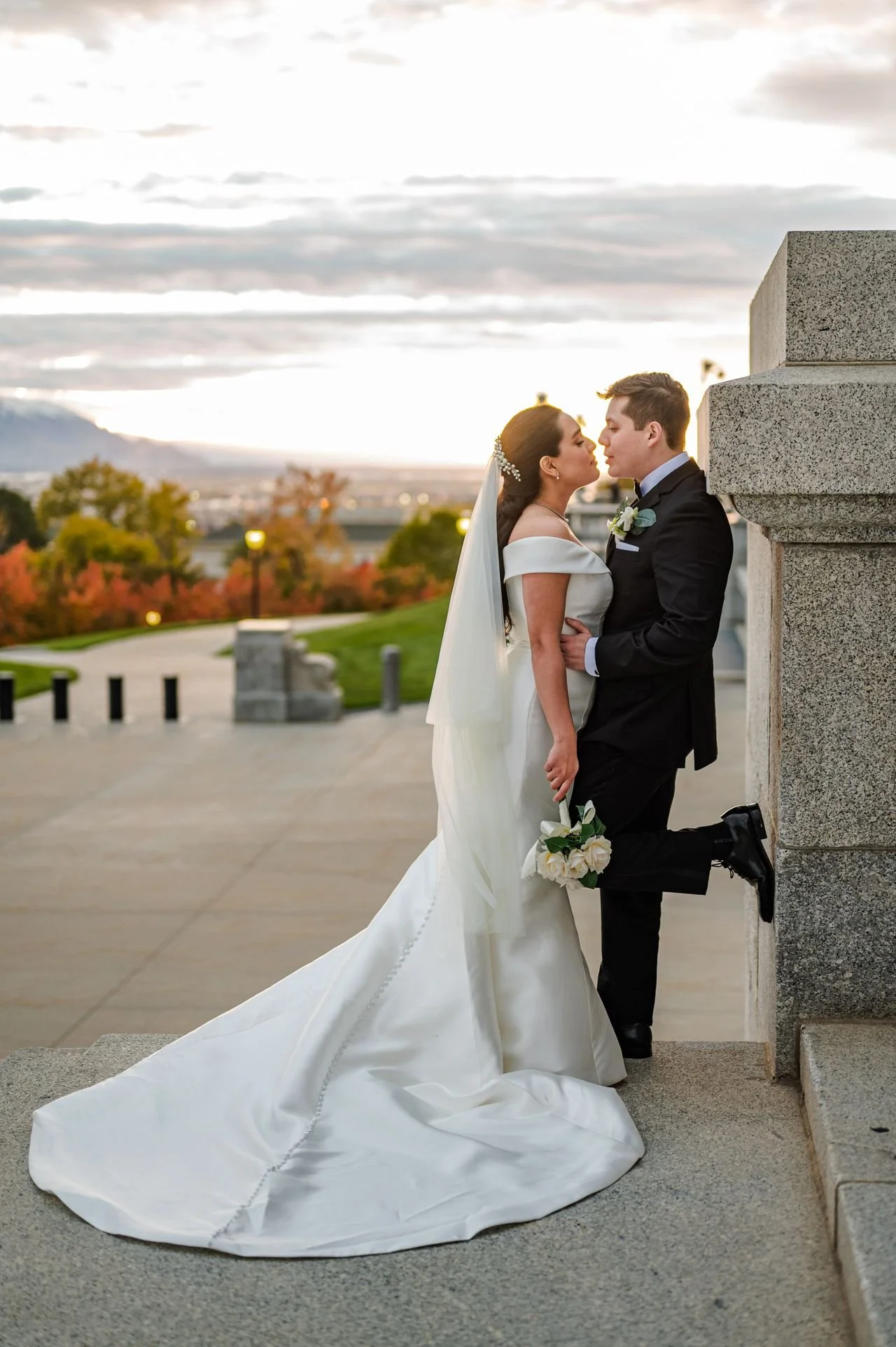
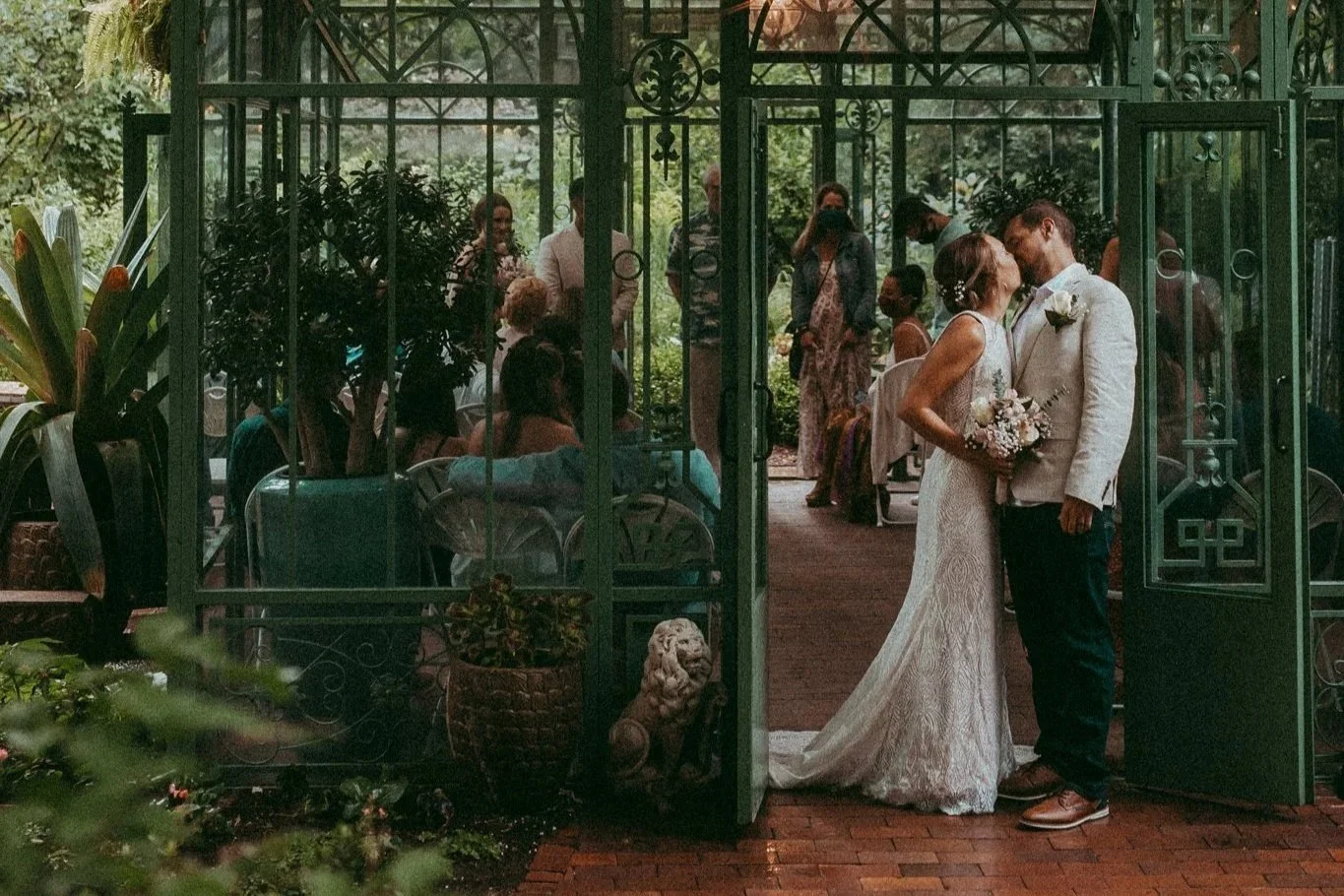
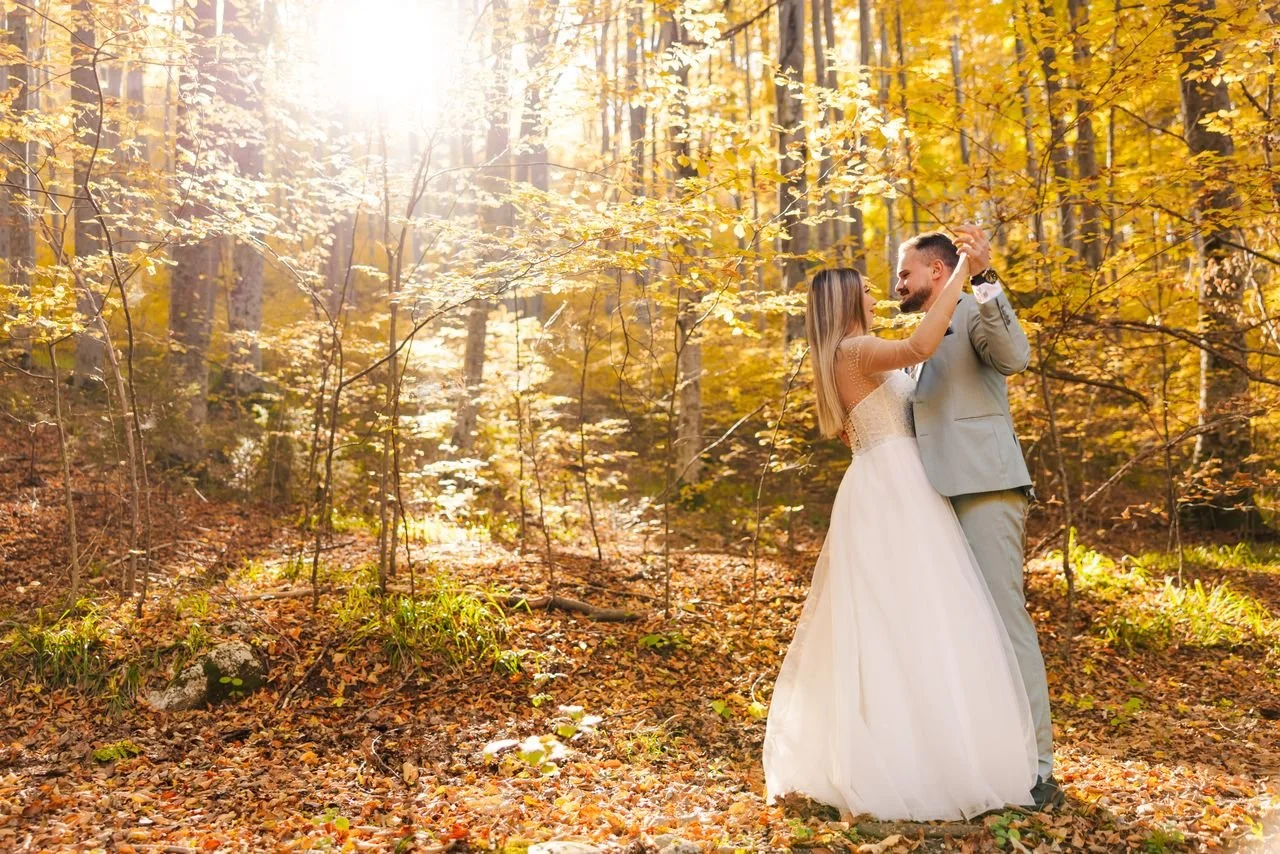
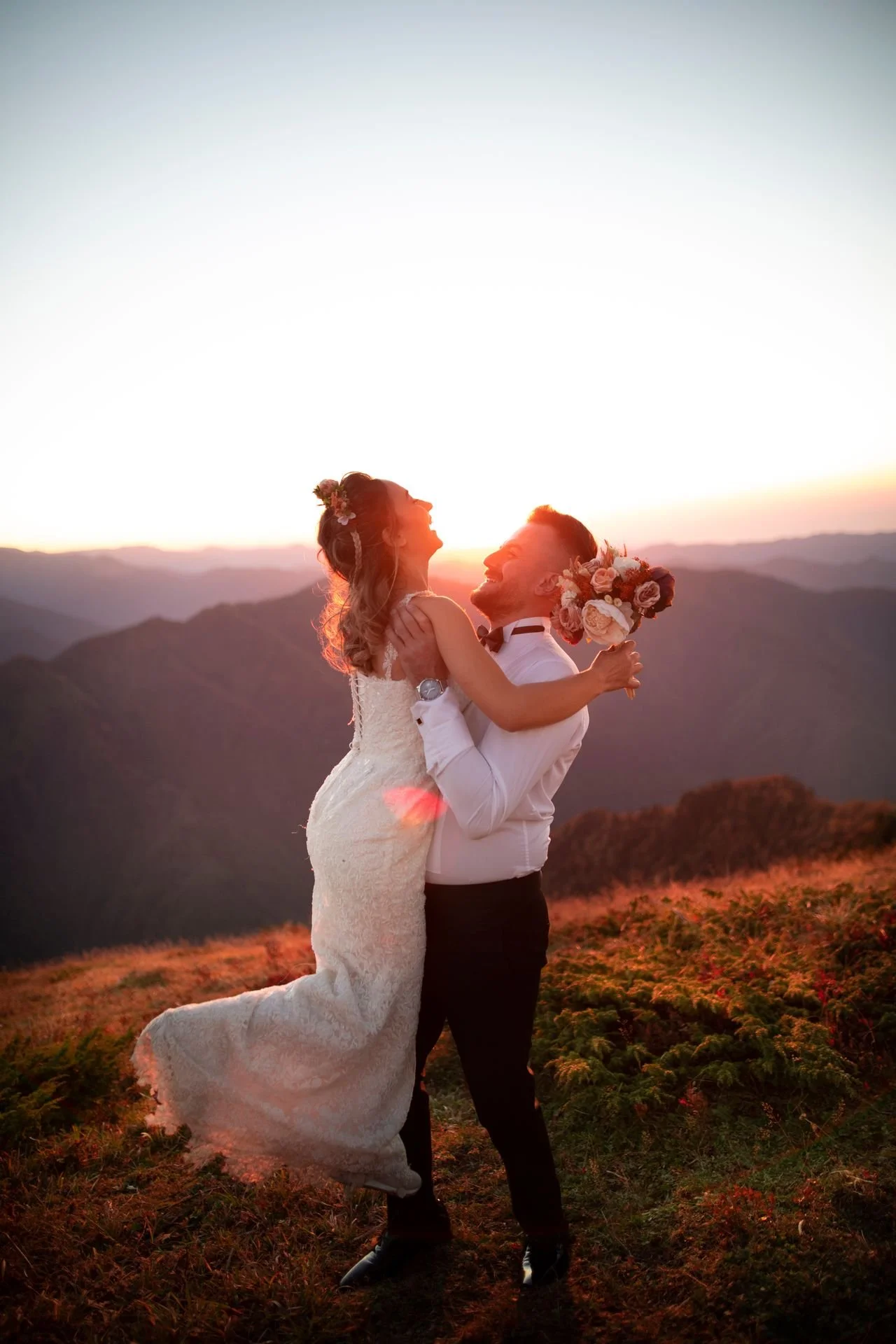






Michael Moody is a Colorado wedding officiant serving ceremonies throughout Denver, Golden, Boulder, and mountain communities across the state. His work includes refined city weddings, foothill celebrations, personalized outdoor ceremonies, and intimate Colorado elopements. That variety provides a practical view of how attire functions beyond the fitting room—from formal Denver venues to wind, sun, uneven terrain, and changing temperatures at outdoor Colorado ceremonies. Explore Denver wedding officiant services, Golden wedding ceremonies, Boulder wedding officiant services, and Colorado elopement ceremonies.