25 Denver Wedding Ceremony Ideas That Feel Personal, Modern, and Meaningful
Summary
The best Denver wedding ceremony ideas are not necessarily the most elaborate. They are the ones that reveal something true about the couple. Personal vows, unconventional processionals, family acknowledgments, private moments, carefully chosen readings, Colorado-inspired details, and subtle changes to traditional ceremony language can transform a familiar structure into something unmistakably your own.
How Can You Make a Denver Wedding Ceremony More Personal?
Make a Denver wedding ceremony personal by choosing details rooted in your actual relationship: customized vows, meaningful readings, family acknowledgments, distinctive music, modern ceremony language, cultural traditions, guest participation, or a ritual connected to Colorado. Select two or three strong ideas rather than filling the ceremony with symbolic elements that have no personal history.
Frequently Asked Questions (FAQ)
1. How do you make a wedding ceremony unique?
Build the ceremony around details specific to your relationship rather than adding unusual rituals simply to be different. Personal vows, one revealing story, meaningful music, family participation, a cultural tradition, an original reading or customized ceremony language can make a familiar structure feel entirely individual.
2. How long should a modern wedding ceremony be?
Many non-religious wedding ceremonies work well at approximately 15–25 minutes. Ceremonies involving religious services, multiple cultural traditions, several readings, or substantial family participation may appropriately run longer. Pacing and content matter more than hitting an exact minute count.
3. What are good non-religious wedding ceremony ideas?
Personal vows, original readings, ring warming, family acknowledgments, a wine-box ritual, guest affirmations, private vow exchanges, storytelling, music, and personalized declarations of intent can create emotional depth without religious language.
4. Do we have to write our own wedding vows?
No. You can use traditional vows, repeat vows after your officiant, answer "I do" to carefully written promises, or exchange personal vows privately. A personalized ceremony doesn't depend on public personal vows.
5. How many personal elements should a wedding ceremony include?
Two or three strong elements are usually more effective than many competing rituals. Choose details with genuine significance and allow the officiant's language, vows, and natural emotion of the ceremony to do the rest.
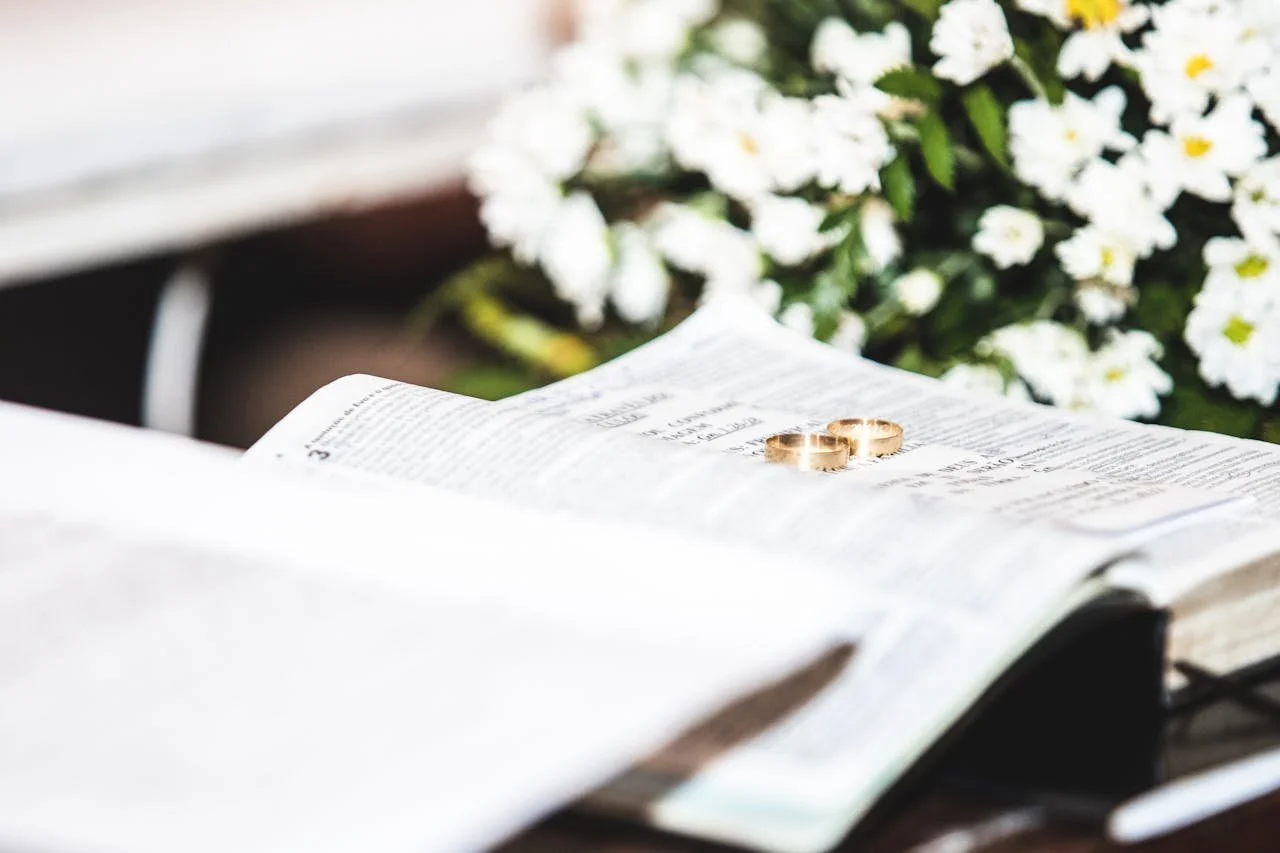
6. What are some Denver-specific wedding ceremony ideas?
Reference the Denver neighborhood or venue that matters to your relationship, incorporate locally grown flowers or Colorado wine, use the skyline or mountain views as part of the ceremony setting, or tell a story connected to the city. Local details work best when they have personal significance.
7. Can we have an unplugged wedding ceremony?
Yes. Tell guests before the ceremony and have your officiant make a brief announcement before the processional. Another option is to allow a short period for guest photographs before asking everyone to put phones away.
8. How can an officiant make a ceremony more personal?
A wedding officiant can interview the couple, identify the strongest stories and themes, customize ceremony language, help edit vows, coordinate readings and rituals, manage pacing, and ensure the final ceremony sounds like the couple rather than a generic template.
Key Topics
Denver wedding ceremony ideas, wedding ceremony ideas Denver, unique wedding ceremony ideas, modern wedding ceremony ideas, meaningful wedding ceremony ideas, personalized wedding ceremony ideas, Denver wedding ceremony, Denver wedding officiant, Colorado wedding ceremony ideas, non-religious wedding ceremony ideas, wedding ceremony personalization ideas, unique wedding vows ideas, alternative wedding ceremony ideas
intimate wedding ceremony ideas, modern wedding vows, wedding ceremony traditions alternatives, inclusive wedding ceremony ideas, Colorado wedding officiant, personalized wedding officiant Denver, Denver non-religious wedding officiant, LGBTQ wedding officiant Denver, Colorado elopement ceremony, Denver micro wedding ceremony, how to personalize a wedding ceremony, how to make a wedding ceremony unique, wedding ceremony ideas for modern couples
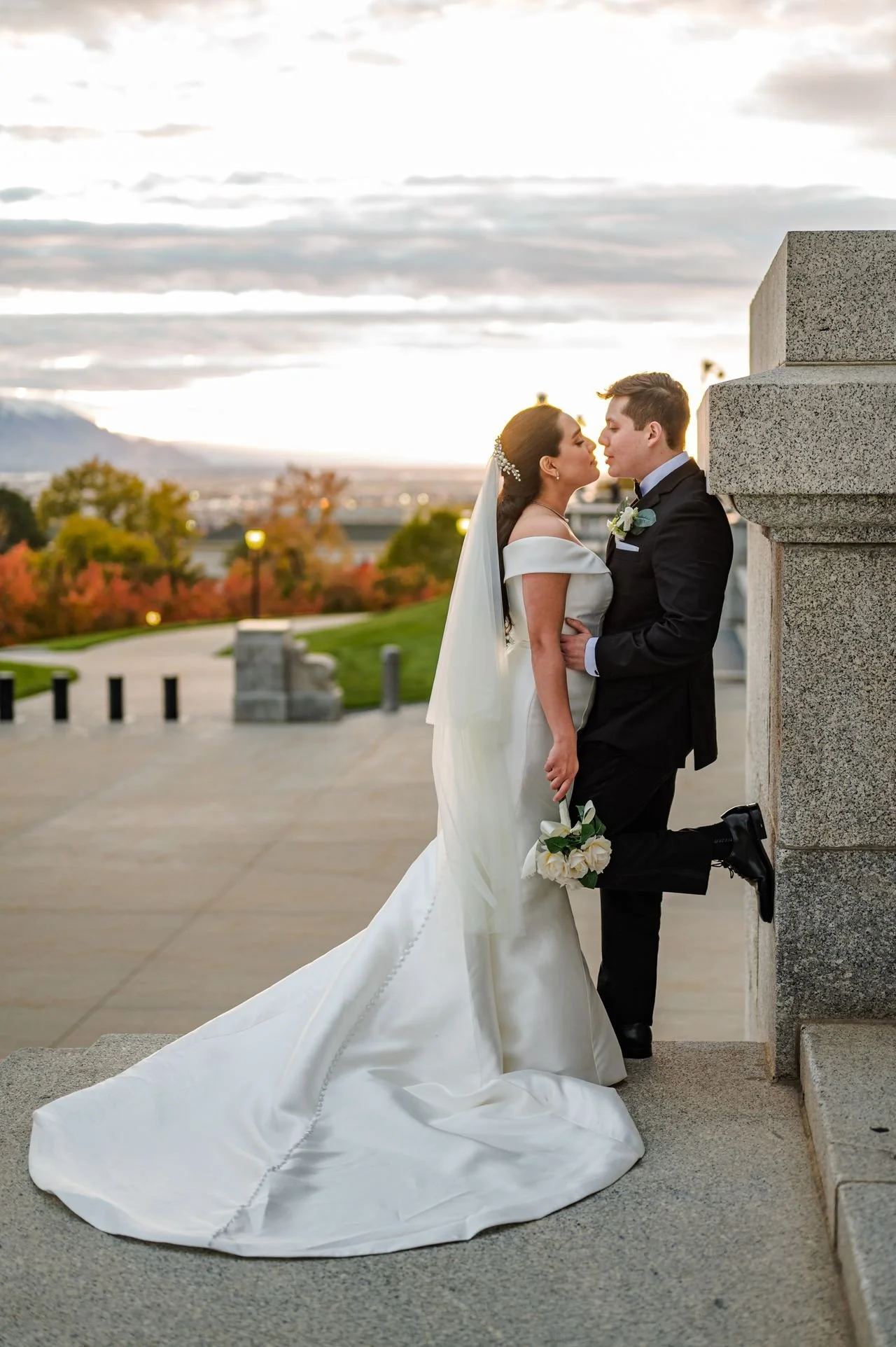
What Makes a Denver Wedding Ceremony Feel Personal, Modern, and Meaningful?
A personal wedding ceremony does not require an elaborate unity ritual, a theatrical entrance, or fifteen minutes of biographical storytelling. It requires specificity. The strongest ceremonies contain details that could not simply be transferred to another couple: the way you met, the promises you actually intend to keep, the people who shaped you, a ritual connected to your heritage, a piece of music with history behind it, or even a deliberate decision to discard a tradition that never felt like yours.
That instinct is increasingly visible in wedding research. Zola's 2025 First Look Report, based on more than 6,000 couples getting married that year, found that 54% considered "highly personalized everything" to be in style. Couples also reported personalizing weddings through inclusive spaces, religion-free ceremonies, blended cultural traditions, nontraditional wedding-party roles, and children's participation. The Knot's 2026 Real Weddings Study offers another revealing number: 61% of couples wrote their own vows rather than relying entirely on traditional scripts. The modern ceremony, in other words, is becoming less about performing every convention correctly and more about deciding which conventions deserve to survive.
Table of Contents
What Makes a Wedding Ceremony Feel Personal?
25 Denver Wedding Ceremony Ideas
How to Choose the Right Ceremony Ideas
A Simple Formula for Building Your Ceremony
Related Articles
25 Denver Wedding Ceremony Ideas
1. Begin With the Story Behind the Room
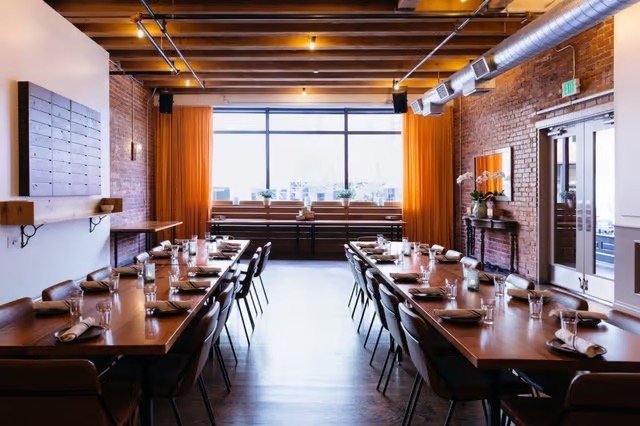
Before recounting how you met, consider something more immediate: Why are you all standing here? A Denver rooftop, Washington Park setting, LoHi restaurant, historic mansion, RiNo warehouse, private backyard, or mountain-facing terrace already says something about the wedding. Ask your wedding officiant to briefly connect the setting to you. Perhaps Denver is where you built your first home together. Maybe most guests traveled here because Colorado became the place you chose after years elsewhere. The setting stops being scenery and becomes part of the story. Couples still searching for that setting can explore my Denver wedding officiant services and Denver ceremony resources.
2. Walk Down the Aisle Together
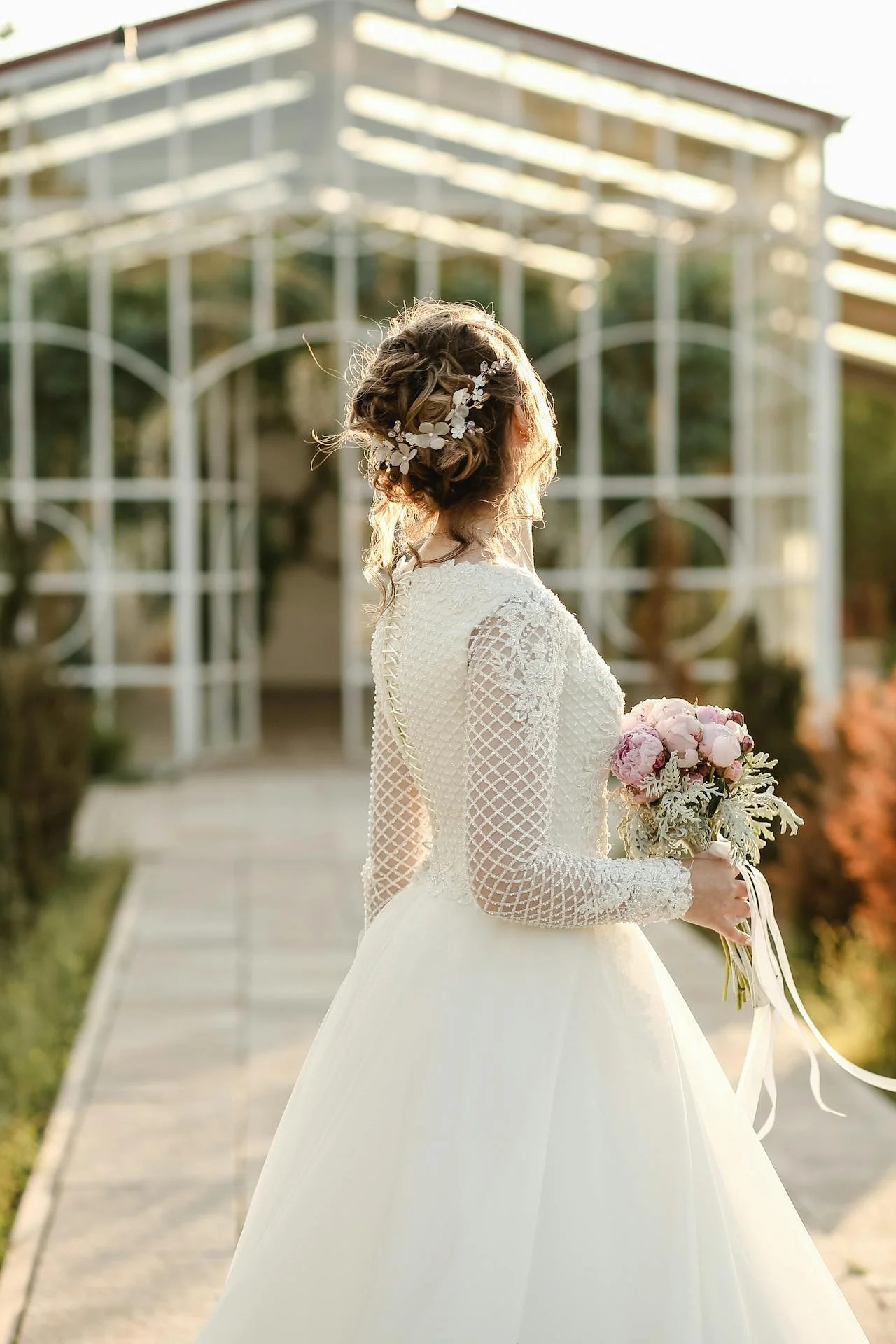
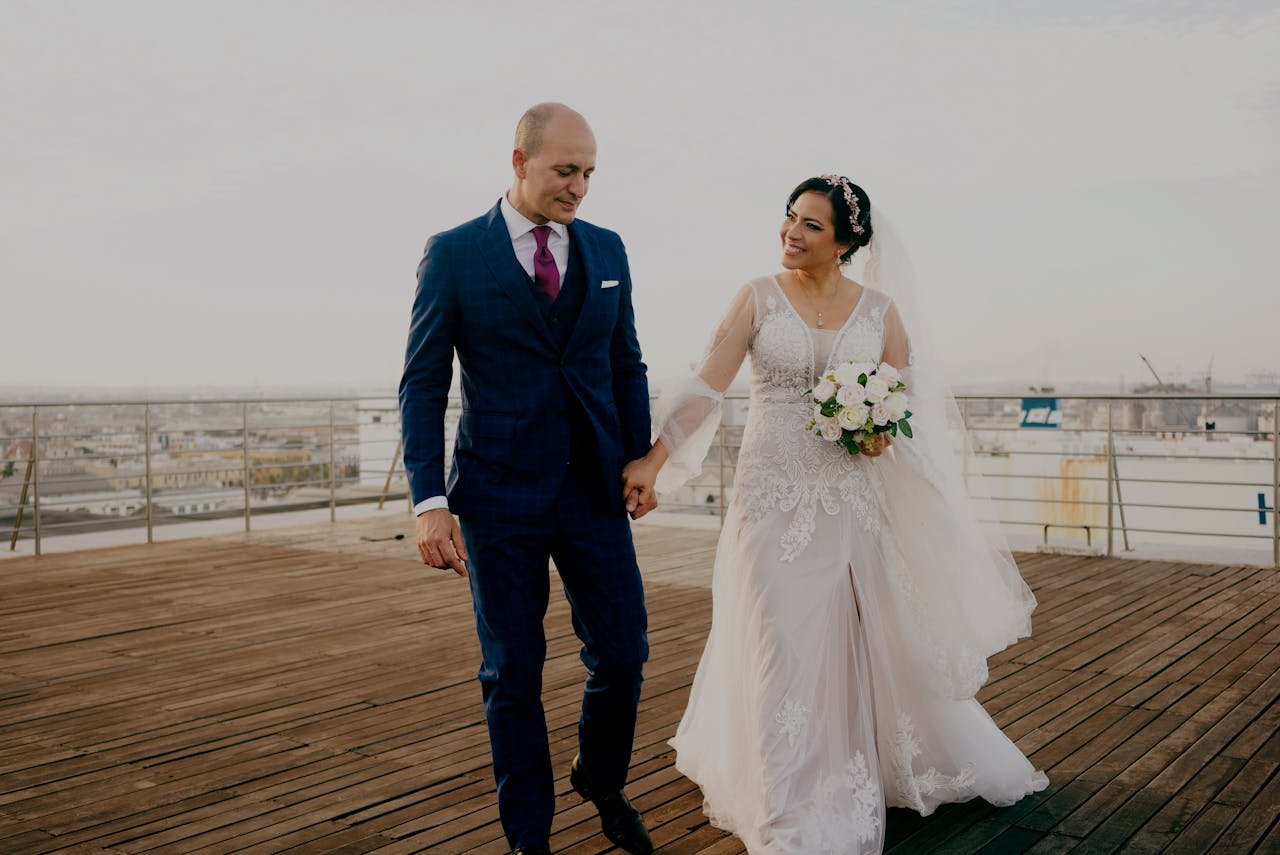
No one partner needs to wait while the other is brought in. Enter from opposite sides and meet in the middle. Walk in together. Begin separately with your families and join before reaching the ceremony space. The symbolism changes subtly: rather than one person being presented to another, two people arrive at the marriage together.
3. Let Both Parents—or the Whole Family—Join the Processional
If the traditional father-and-bride entrance does not represent your family, rewrite it. Both parents can escort either partner. Children can join. A grandparent can walk with you. Siblings can enter together. The processional is choreography with meaning. Decide what you want yours to say.
4. Give Guests One Minute to Take Their Photos—Then Put the Phones Away
An unplugged ceremony does not have to begin with a scolding. Try a compromise: after everyone is seated, invite guests to take photographs for 30 or 60 seconds. Then the officiant asks everyone to silence their phones and put them away. The Knot's updated guidance on unplugged ceremonies notes the appeal of helping guests stay present while leaving documentation to the professional photographer and videographer. You get the enthusiastic aunt with the iPhone—and then you get her full attention.
5. Write Personal Vows, but Give Them a Common Structure
Personal vows become difficult when one partner writes 200 words, and the other arrives with a memoir. Agree beforehand on a structure:
What I love about you
What our relationship has taught me
What I promise you
What I hope we build together
Aim for roughly one to two minutes each. Personal vows are now thoroughly mainstream rather than an eccentric alternative: The Knot's 2026 study found 61% of couples wrote their own.
6. Exchange Private Vows Before the Ceremony
Not everyone wants to say the most intimate thing they have ever written while 150 people watch. Exchange private vows during a first look and use shorter promises during the public ceremony. Zola reported particularly strong acceptance of this approach among contemporary couples, with private vow exchanges becoming part of the broader rethinking of wedding traditions. Privacy does not make the ceremony less meaningful. Sometimes it permits greater honesty.
7. Ask Your Wedding Officiant to Tell One Story Instead of Your Entire Story
A chronology can flatten a relationship. First date. First trip. First apartment. Engagement. Wedding. Instead, choose one story that reveals something larger: the road trip when everything went wrong, but you laughed through it; the moment one partner quietly cared for the other; the ordinary Sunday when you realized this was home. A single scene can tell guests more about a marriage than ten milestones.
8. Include a "What They Said About Each Other" Moment
Before the wedding, answer the same question separately: What do you admire most about your partner? Do not share the answers. Your wedding officiant can reveal a sentence from each during the ceremony. The couple hears the words at the same moment as everyone else It produces something increasingly rare at a highly planned wedding: genuine surprise.
9. Replace "Who Gives This Person Away?"
You can remove the question completely or replace it with language reflecting support rather than transfer. A wedding officiant might ask both families whether they support the couple in the marriage they are beginning. The distinction is small linguistically and enormous symbolically.
10. Acknowledge the People Who Helped You Get Here
Instead of a generic welcome, devote several sentences to the room. Parents, siblings, grandparents, chosen family, and old friends often witnessed the relationship before the wedding. An acknowledgment does not need to name everyone. It can recognize the collective history represented by the guests and remind them that they are participants in a transition, not merely an audience.
11. Leave an Empty Chair for Someone You Miss
Memorial tables can become elaborate. Sometimes one empty chair is enough. Place a photograph, flower, handwritten note, or small personal object there. If appropriate, the officiant can briefly acknowledge the person. Resist turning the moment into a second ceremony. Grief is often more powerful with a little space than a long explanation.
12. Invite a Grandparent to Offer a Marriage Blessing
If a grandparent or elder has a marriage you admire, ask them for a short blessing or piece of advice. Give them a limit—perhaps 60 seconds—so the contribution remains concise. It brings generational history into a modern ceremony without requiring traditional religious language.
13. Use a Reading That Comes From Your Actual Life
You do not have to choose a poem because Google calls it a wedding reading. Consider a paragraph from a novel you shared, lyrics from a meaningful song, a short letter, a family text, or a few sentences from an author whose ideas have shaped you. Check copyright and reproduction considerations before printing substantial published passages. Keep it simple: Would we care about these words if we weren't getting married?
14. Ask Someone to Write the Reading for You
A sibling, parent, close friend or child can write something original about partnership, family or the two of you. Give the writer parameters: roughly one minute, warm rather than embarrassing, and understandable to people who do not know every inside joke. The result belongs to this ceremony alone.
15. Incorporate a Colorado Element Without Turning the Ceremony Into a Theme
A Colorado wedding does not need pinecones on every chair. Use place more quietly: Colorado wildflowers, a reading about landscape, locally sourced wine for a unity ritual, a reference to the neighborhood where you met, or a ceremony positioned to let the skyline or foothills remain visually unobstructed. For couples drawn farther west, my Golden wedding officiant services and Boulder wedding officiant services offer options where the surrounding landscape can naturally carry more of the ceremony's visual weight.
16. Create a Modern Ring-Warming Ritual
Before the ceremony, pass the rings among a small group of parents, grandparents, or close friends, each holding them briefly before returning them to the ring bearer. Skip this with 175 guests unless you want your photographer documenting a search under row seven. For an intimate wedding, however, it gives important people a silent role in the ritual.
17. Include Your Children in the Promises
For couples bringing children into the marriage, acknowledge that the wedding joins more than two adults. Children might receive a small piece of jewelry, join a family vow, carry the rings, participate in a ritual, or simply be addressed by the officiant. Zola's 2025 research found that couples specifically identified including children as one way they were making weddings more representative of their lives.
18. Modernize the Declaration of Intent
"I do" remains beautifully efficient. But the question preceding it can be personal. Instead of only asking whether you take this person as your spouse, your wedding officiant can incorporate the values you have identified: friendship, curiosity, loyalty, humor, family, adventure, patience. The legal and ceremonial moment remains recognizable while the language belongs more clearly to you.
19. Use Inclusive Language Throughout the Script
There is no reason a contemporary ceremony needs to force people into gendered roles or inherited titles that do not describe them. Use partner, spouse, bride, groom, wife, husband, married couple, newlyweds—or the couple's names—according to what each person actually prefers. My LGBTQ wedding ceremony approach uses the same principle that should govern every wedding: language should describe the people standing in front of us, not ask them to conform to the language.
20. Blend Cultural Traditions Instead of Choosing One Side
Two backgrounds do not have to compete for ceremony territory. A couple might combine a Jewish glass-breaking tradition with Filipino wedding elements, incorporate bilingual readings, include prayers from two faiths, or reinterpret family customs in a secular ceremony. Zola's 2025 survey found couples reporting both combined religious/cultural traditions and religion-free ceremonies as ways of making weddings more personally representative. Explain unfamiliar traditions briefly so guests understand what they are witnessing.
21. Create a Time-Capsule Ritual Worth Opening
The wine-box ceremony can be made considerably more interesting. Write private letters to your future selves and seal them with a bottle you genuinely enjoy, photographs, a copy of your vows, or predictions about your life together. Choose the opening date now: first anniversary, fifth, tenth. A ritual becomes meaningful when it has a future function.
22. Give Guests a Role That Does Not Require Public Speaking
Not everyone wants a microphone. Guests can write short marriage wishes before the ceremony, add notes to a keepsake box, sign a book that becomes part of the ritual, or participate in a collective affirmation led by the officiant. This is especially effective for intimate ceremonies because it softens the boundary between the couple and guests without sacrificing pacing.
23. Build a Deliberate Moment of Silence Into the Ceremony
Weddings are crowded with words. Try silence. After the vows—or immediately before them—pause for several seconds and simply look at each other. No music. No officiant narration. No instruction. On paper, ten seconds looks like nothing. During a ceremony, it can feel enormous.
24. Change the Pronouncement
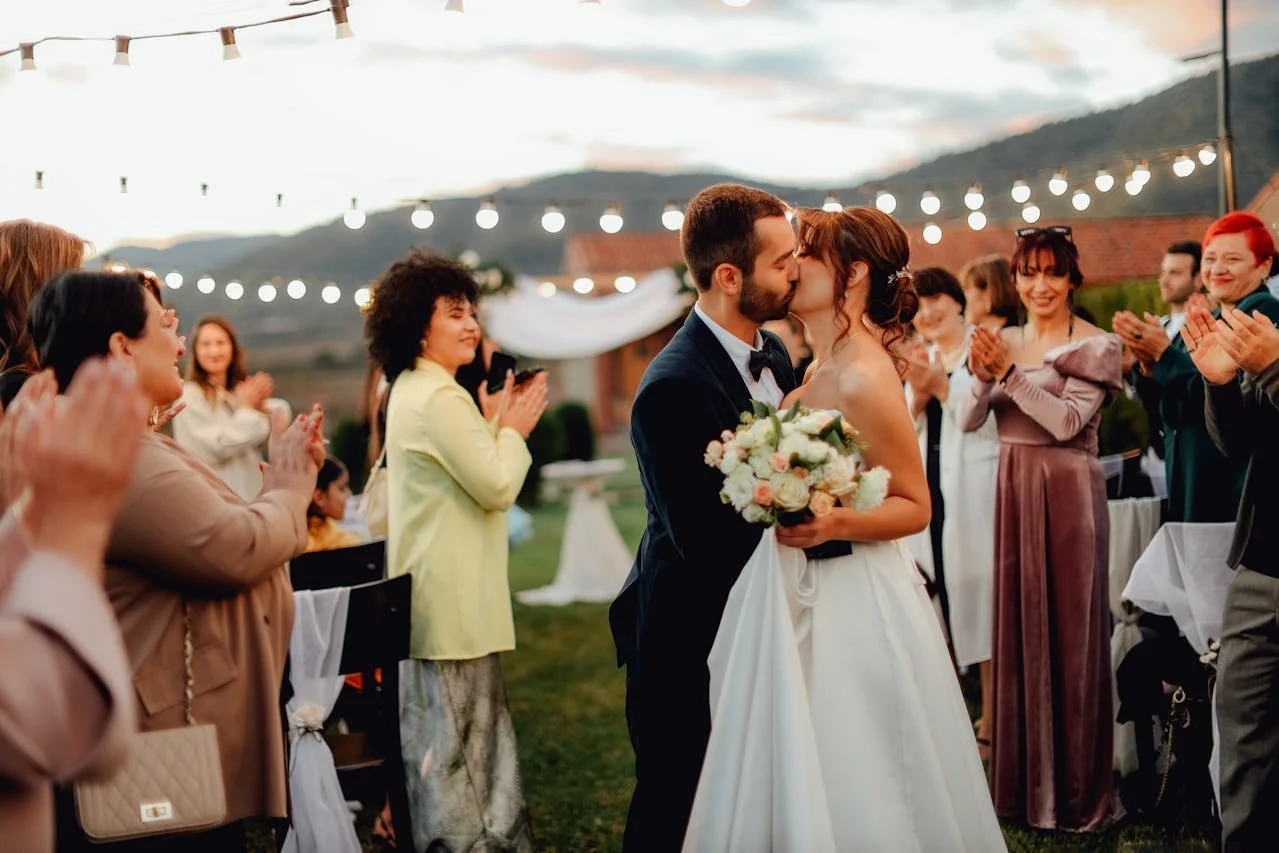
"You may now kiss the bride" is not mandatory. The ending can be elegant, inclusive, and unmistakably yours: "With enormous pleasure, I pronounce you married." "You have made your promises. Now begin keeping them." "It is my honor to present you, for the first time, as a married couple." Then kiss without asking anyone's permission.
25. End With Something Unexpectedly Simple
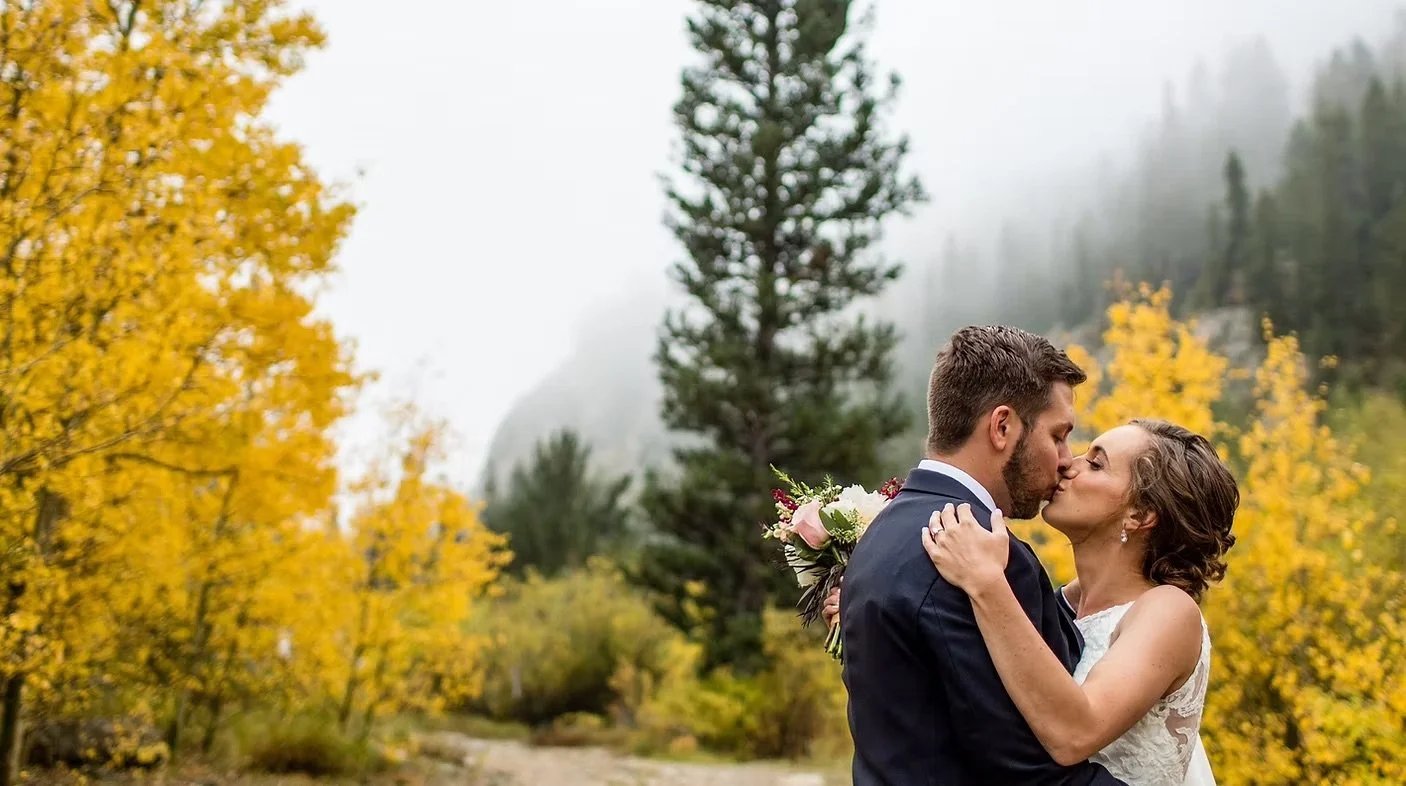
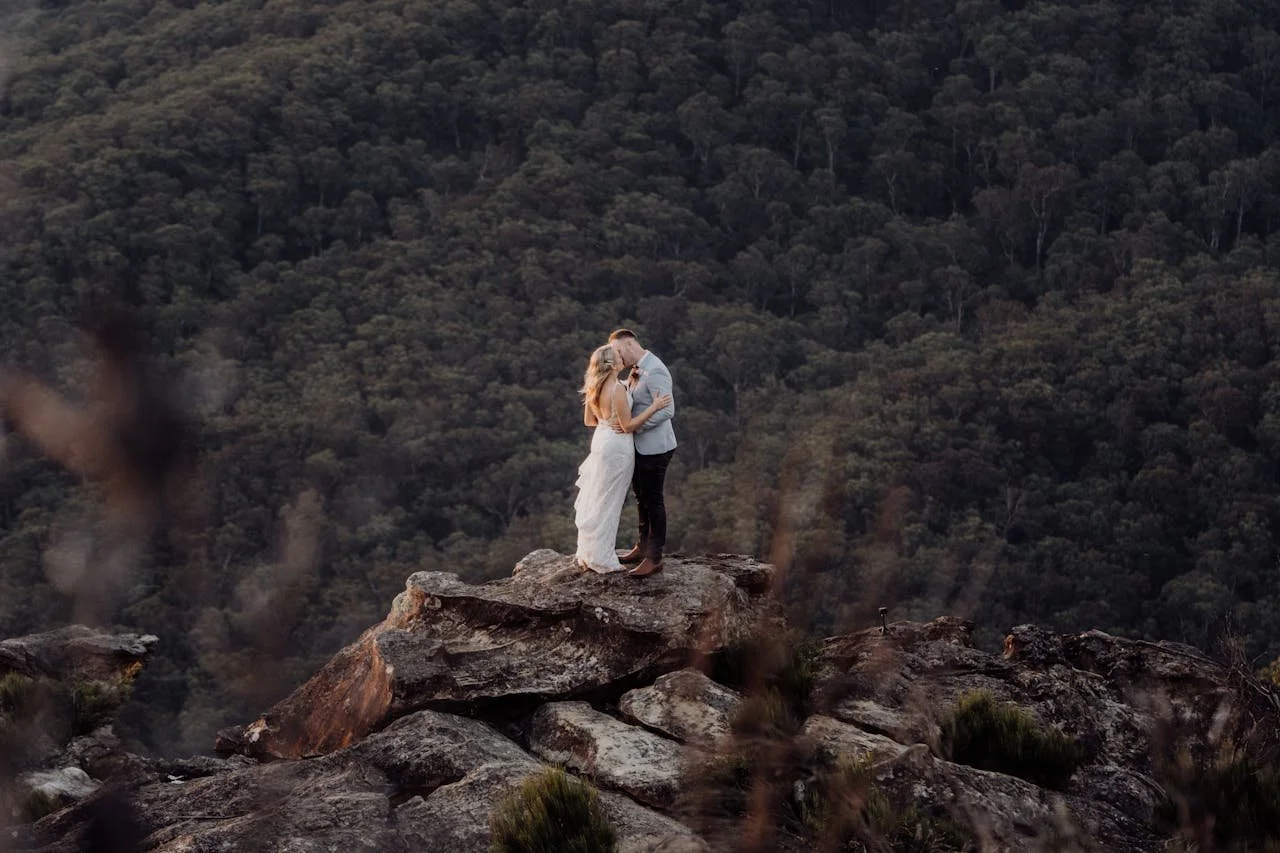
The temptation is to make the finale bigger: louder music, longer applause, more choreography. Try the opposite. After the pronouncement, pause. Kiss. Look at the room. Then leave together. For a small wedding or Colorado elopement ceremony, that restraint can be particularly powerful. The mountains, city, architecture, weather, and people have already done enough. You do not have to decorate every emotional second.
Quick Summary: 10 Ways to Personalize a Denver Wedding Ceremony
Write personal or private vows.
Tell one revealing relationship story instead of a complete chronology.
Let both partners enter together.
Modernize the declaration of intent and pronouncement.
Include children or chosen family.
Ask an elder for a short marriage blessing.
Select a reading with genuine personal history.
Incorporate one restrained Colorado element.
Invite guests into a brief collective ritual.
Remove traditions that do not represent you.
How to Choose the Right Wedding Ceremony Ideas
Twenty-five ideas do not belong in one ceremony. Choose three. Start by asking each other three questions:
What do we want to feel?
Not what should the wedding look like. Calm? Funny? Intimate? Formal? Romantic? Joyful? Reflective?What do we want our guests to understand about us?
Perhaps your relationship is built around adventure. Perhaps it is family. Perhaps you have survived something difficult together. Perhaps the defining characteristic is simply how much you make each other laugh.Which traditions would we still choose if nobody expected them?
That final question is especially useful. Social media now provides couples with an almost infinite catalogue of wedding inspiration, but Zola found that 48% of its surveyed 2025 couples struggled with the divide between picture-perfect inspiration and real-world budgets. The answer is not necessarily to find more ideas. It is to edit more aggressively. A ceremony can contain personal vows, two readings, handfasting, a unity candle, a sand ceremony, family vows, a remembrance, guest participation, and a wine box. It probably shouldn't. Personalization loses force when every minute announces its own significance.
A Simple Formula for a Modern 20-Minute Ceremony
For many Denver weddings, a useful structure is:
Processional: 3–5 minutes - Music and entrances.
Welcome: 1–2 minutes - Settle the room and establish the meaning of the gathering.
Personal story/reflection: 4–5 minutes - A carefully edited account of the relationship rather than a biography.
Reading or family element: 1–2 minutes - Choose one strong contribution.
Declaration of intent: 1 minute
Personal vows: 3–4 minutes - Approximately 90 seconds each.
Ring exchange: 2 minutes
Pronouncement and kiss: 1 minute
Recessional
This is a framework, not a stopwatch. A ceremony with two cultures, children, religious traditions or several family roles may need more room. An elopement with six guests may need much less. The goal is rhythm. A good ceremony should feel complete before anyone begins wondering when it will end.
Related Articles
From the Michael Moody Officiant wedding blog directory:
Preparing for Your Wedding Ceremony in Colorado: A Couple’s Guide
How to Personalize Your Wedding Ceremony Without Making It Awkward or Overlong
Common Wedding Ceremony Planning Challenges and How to Overcome Them
How to Get Married in Colorado: Marriage License Guide for 2026
Colorado Front Range Elopement Guide: Hiking-In Wedding Ceremonies and Scenic Trails
An Action Plan to Overcome the Most Common Wedding Ceremony Fears
The directory includes ceremony planning articles, wedding-specific planning guidance, Front Range elopement content, and relationship-focused resources for couples planning meaningful Colorado ceremonies.
About the Author: Michael Moody, Wedding Officiant
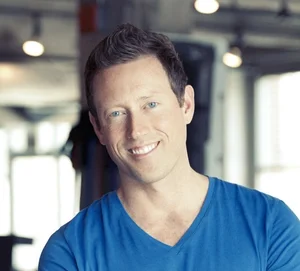
Michael Moody is a Colorado wedding officiant serving Denver, Boulder, Golden, Larkspur, and mountain communities throughout the state. Since 2012, he has officiated more than 300 weddings, bringing a calm presence, thoughtful guidance, and emotionally grounded ceremony writing to couples seeking a meaningful experience. He also offers Colorado elopement ceremonies for couples who want something intimate, intentional, and beyond the boundaries of a traditional wedding day. His work is shaped by a lifelong interest in connection, reflection, and personal growth. Michael is the author of the self-improvement book Redefine Yourself: The Simple Guide to Happiness and host of The Elements of Being podcast. As a wedding officiant, he draws from that same foundation: the belief that our relationships, words, and everyday interactions help shape a life rooted in love, empathy, and purpose. Michael’s ceremony work has been recognized across Colorado. He is a 2023 WeddingWire Couples’ Choice Award winner in Denver, marking his eighth consecutive year receiving the honor. He was also named “Best Business of 2024, 2025, and 2026” by Three Best Rated and earned “The Best Wedding Officiant in Commerce City, Colorado for 2024” from Quality Business Awards USA.
Beyond weddings, Michael and his wife, Sammy, have sponsored an annual student scholarship for more than 10 years. They also founded Civic Growth Alliance, a 501(c)(4) nonprofit dedicated to strengthening communities through civic advocacy, resident engagement, strategic partnerships, public safety initiatives, neighborhood vitality, and community well-being.
Wedding locations: Michael officiates wedding ceremonies in the Denver neighborhoods of LoDo, River North, Washington Park, Cherry Creek, City Park, Central Park, Capitol Hill, Cheesman Park, Park Hill, Lower Highlands, and Sloan Lake. Michael also serves as an ordained minister in Larkspur, Littleton, Golden, Boulder, Breckenridge, Frisco, Aspen, Vail, Estes Park, and more. If your Denver neighborhood or Colorado town isn’t listed here, no worries! Please contact Michael to propose a wedding ceremony location in a different area!
Wedding Planning Tips
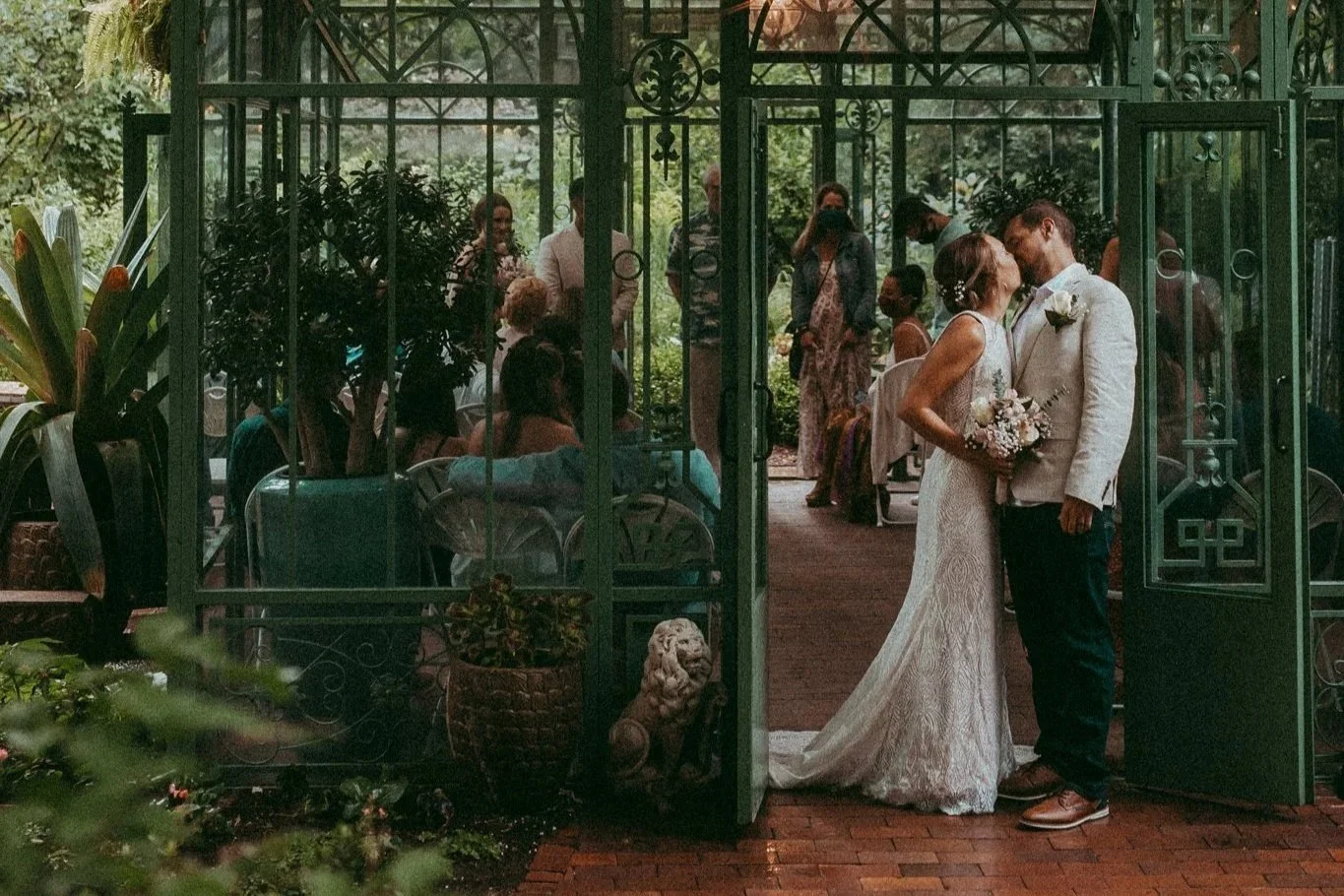



Michael Moody is a Colorado wedding officiant who has officiated more than 300 weddings since 2012, creating personalized ceremonies for couples throughout Denver, Boulder, Golden, the Front Range, and mountain communities across Colorado. His Denver wedding ceremonies range from intimate gatherings and modern city celebrations to LGBTQ weddings and non-religious ceremonies, while his Colorado elopement services extend into foothill and mountain settings for couples seeking something smaller and more adventurous. Couples can explore dedicated Denver wedding officiant, Golden wedding officiant, Boulder wedding officiant, and Colorado elopement ceremony services when planning a ceremony shaped around their location, relationship, and preferred style.