Summary
Colorado elopements in 2027 are moving beyond the familiar image of two people exchanging vows on a mountaintop. Couples are choosing private ceremonies, carefully planned mountain experiences, meaningful family involvement, distinctive locations, and celebrations that unfold over an entire weekend. This guide examines ten emerging elopement trends and offers practical advice for planning a memorable ceremony in Denver, Boulder, Golden, and the Colorado mountains.
What Are the Biggest Colorado Elopement Trends for 2027?
The most compelling Colorado elopement trends for 2027 include private vows, intimate luxury experiences, multi-day celebrations, documentary photography, personalized ceremonies, and accessible mountain locations. Couples are also embracing unconventional wedding schedules, selective family participation, environmentally responsible planning, and meaningful experiences over elaborate wedding productions.
Frequently Asked Questions
What is the biggest Colorado elopement trend for 2027?
A defining trend is a shift toward intimate, highly personalized wedding experiences. Couples are placing greater emphasis on private vows, carefully selected guests, distinctive locations, and ceremonies reflecting their relationships.
How much does a Colorado elopement cost?
Costs vary widely based on location, photography, accommodations, officiant services, transportation, and guest count. A simple ceremony can cost considerably less than a traditional wedding, while an elaborate luxury elopement may involve substantial spending. Request itemized proposals rather than relying on national wedding averages.
Can we elope in Colorado without an officiant?
Yes. Colorado permits self-solemnization, meaning eligible couples can complete their marriage ceremony without an officiant or witnesses. An officiant remains an option for couples seeking a guided, professionally written ceremony.
Do we need a permit for a Colorado mountain elopement?
Possibly. Requirements depend on the land manager and exact site. Rocky Mountain National Park requires a special-use permit for wedding ceremonies, while Boulder Open Space and Mountain Parks restricts ceremonies to designated facilities. Confirm requirements directly before booking vendors.
What is the best time of year to elope in Colorado?
Late spring through early autumn offers many possibilities, but conditions vary considerably by elevation. Winter can offer beautiful scenery but also brings additional logistical challenges. The best season depends on your chosen location, guest needs, and tolerance for unpredictable weather.
Can we invite family members to our elopement?
Absolutely. Many contemporary elopements include a handful of relatives or friends. The important distinction is the couple's preference for an intimate ceremony, not a strict requirement to marry alone.
When should we book a Colorado elopement officiant for 2027?
Start contacting officiants once you've set your location and approximate date. Planning six to twelve months ahead makes sense for popular dates, especially when the ceremony requires permit coordination or personalized writing.
Key Topics
Colorado elopement trends 2027, Colorado elopement ideas, Colorado elopement wedding, Colorado elopement planning, Colorado elopement guide 2027, Luxury Colorado elopement, Colorado mountain elopement, Intimate wedding ceremony Colorado, Colorado elopement packages, Personalized wedding ceremonies, Small wedding ideas Colorado, Colorado destination elopement, Unique Colorado wedding ideas, Mountain wedding ceremony ideas, Colorado micro weddings
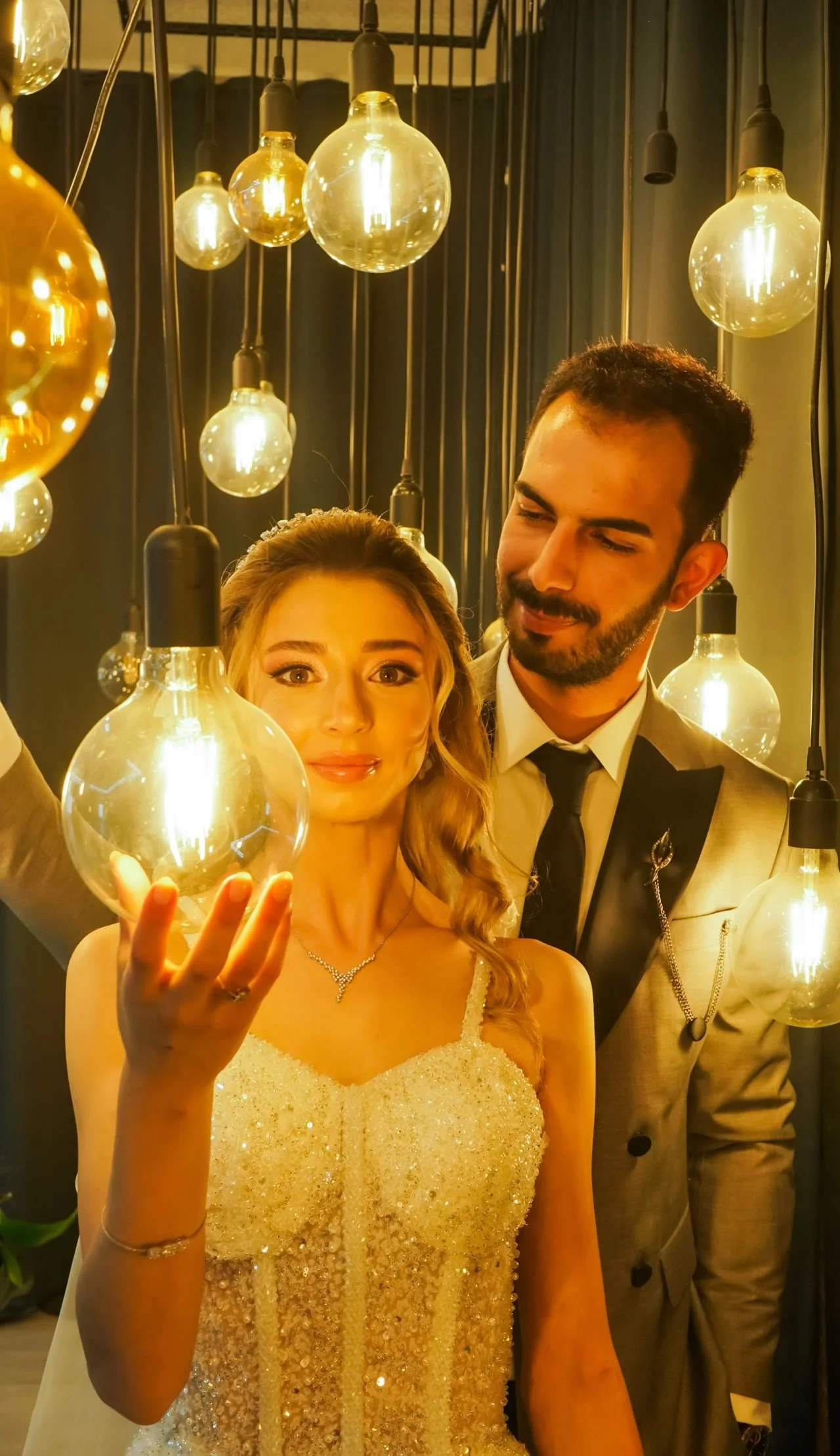
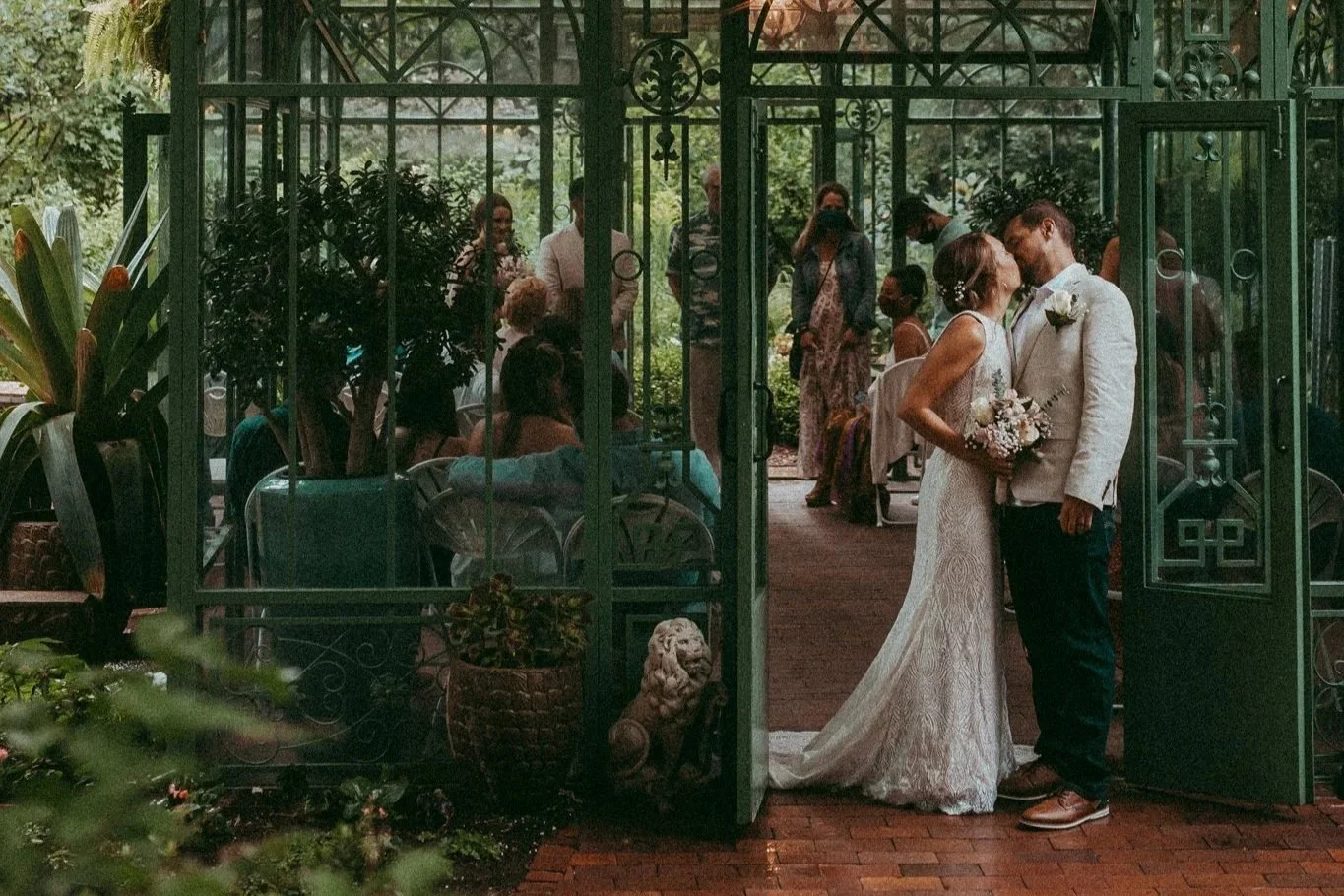
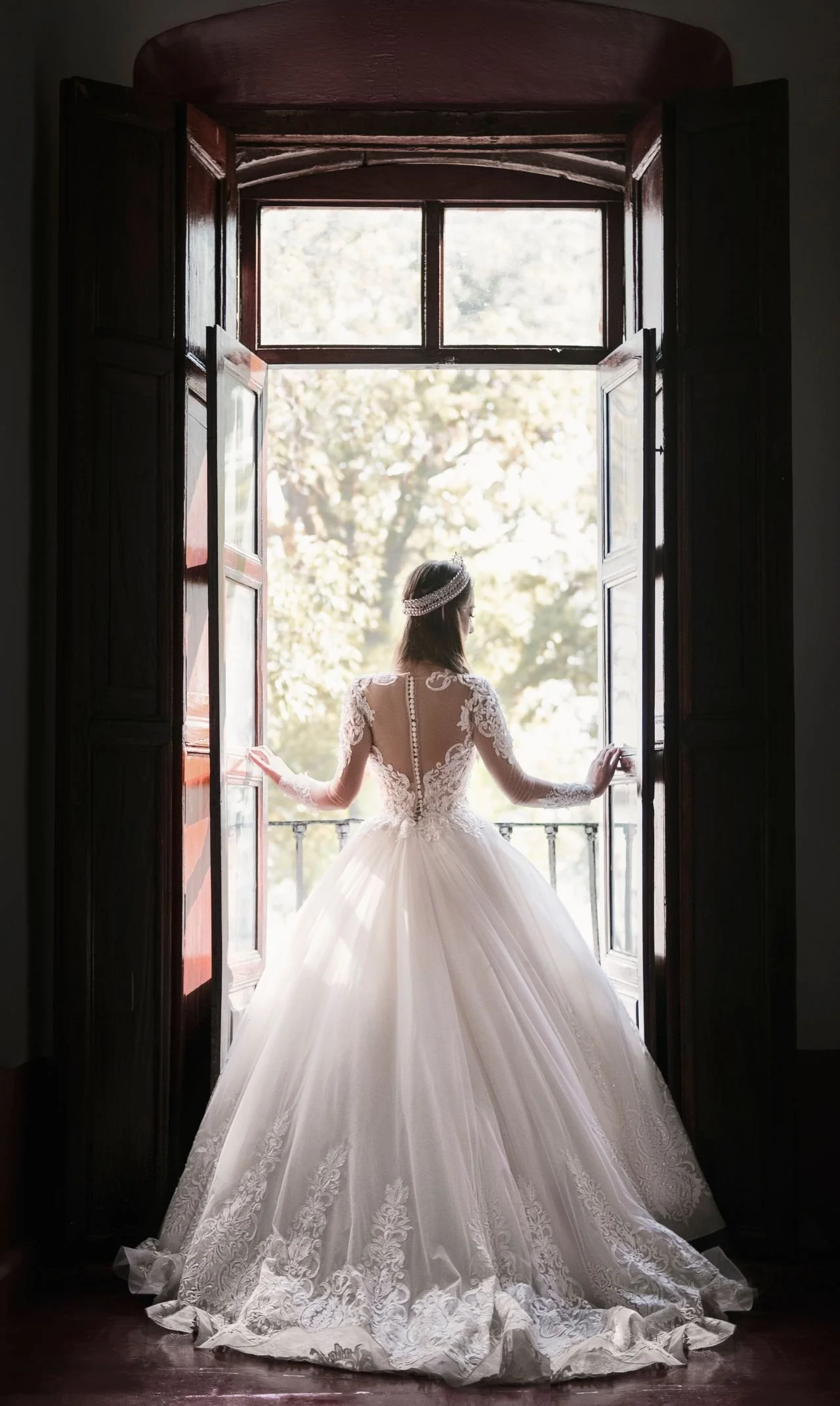
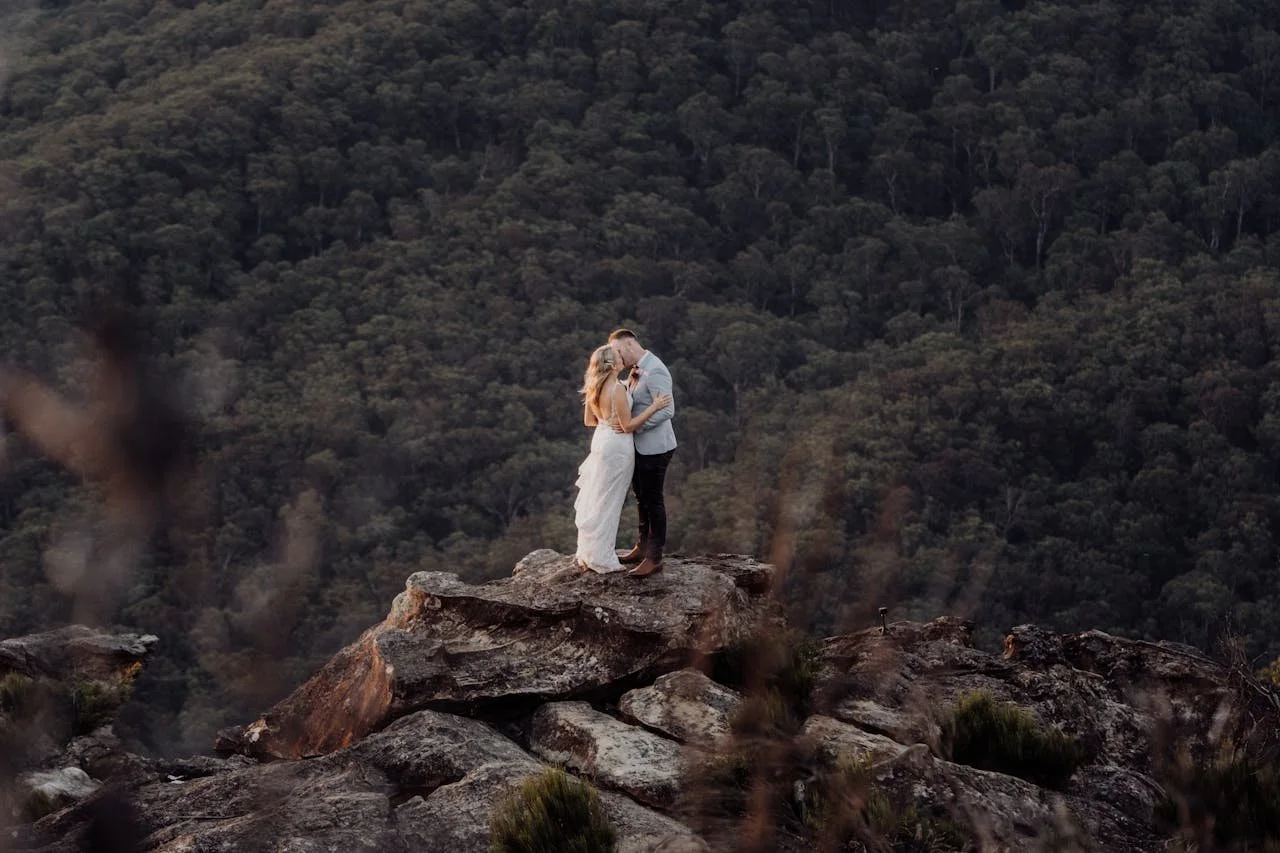
Wedding Ceremonies 2027 / Photo: Batuhan Kocabaş
The New Definition of a Luxury Elopement
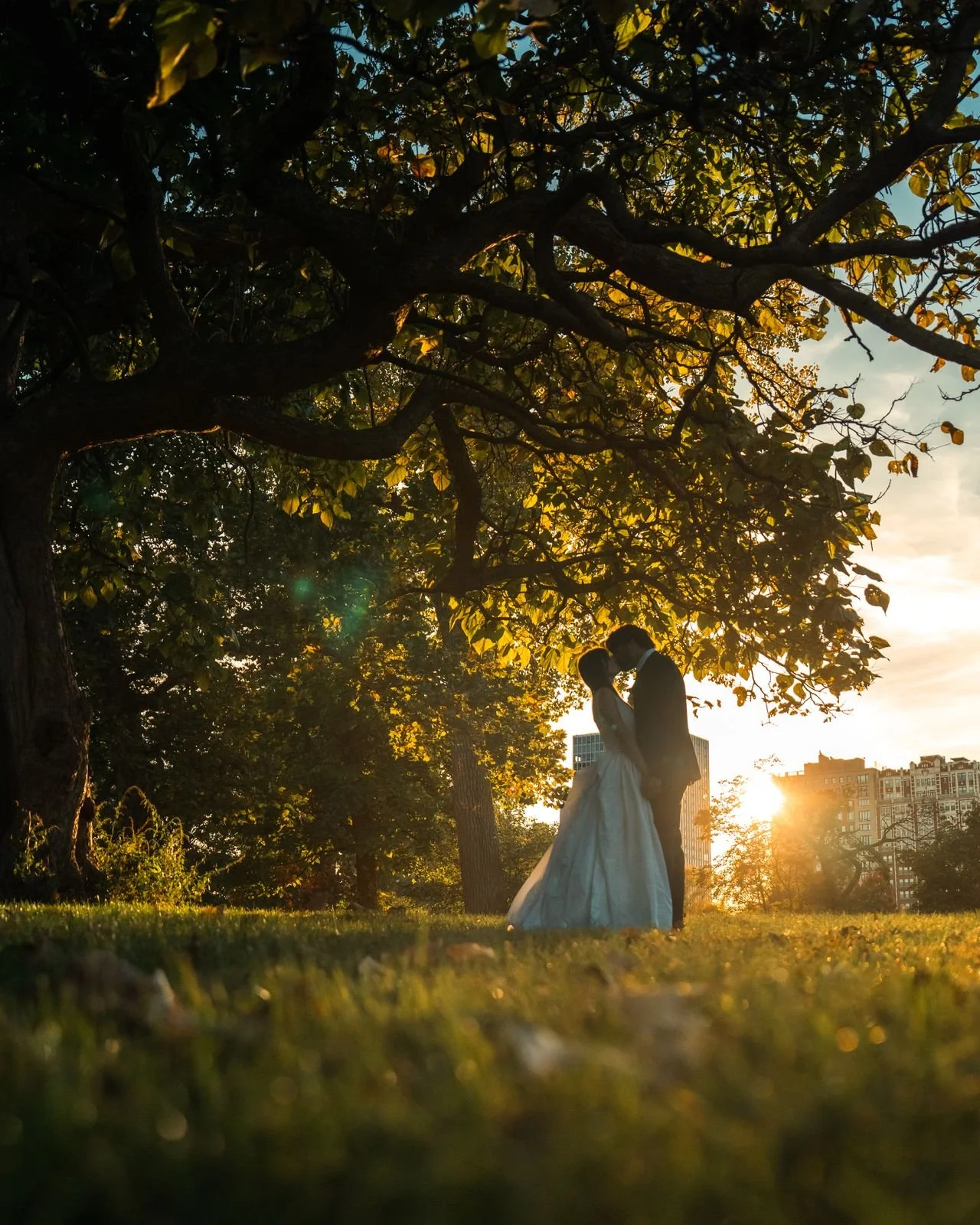
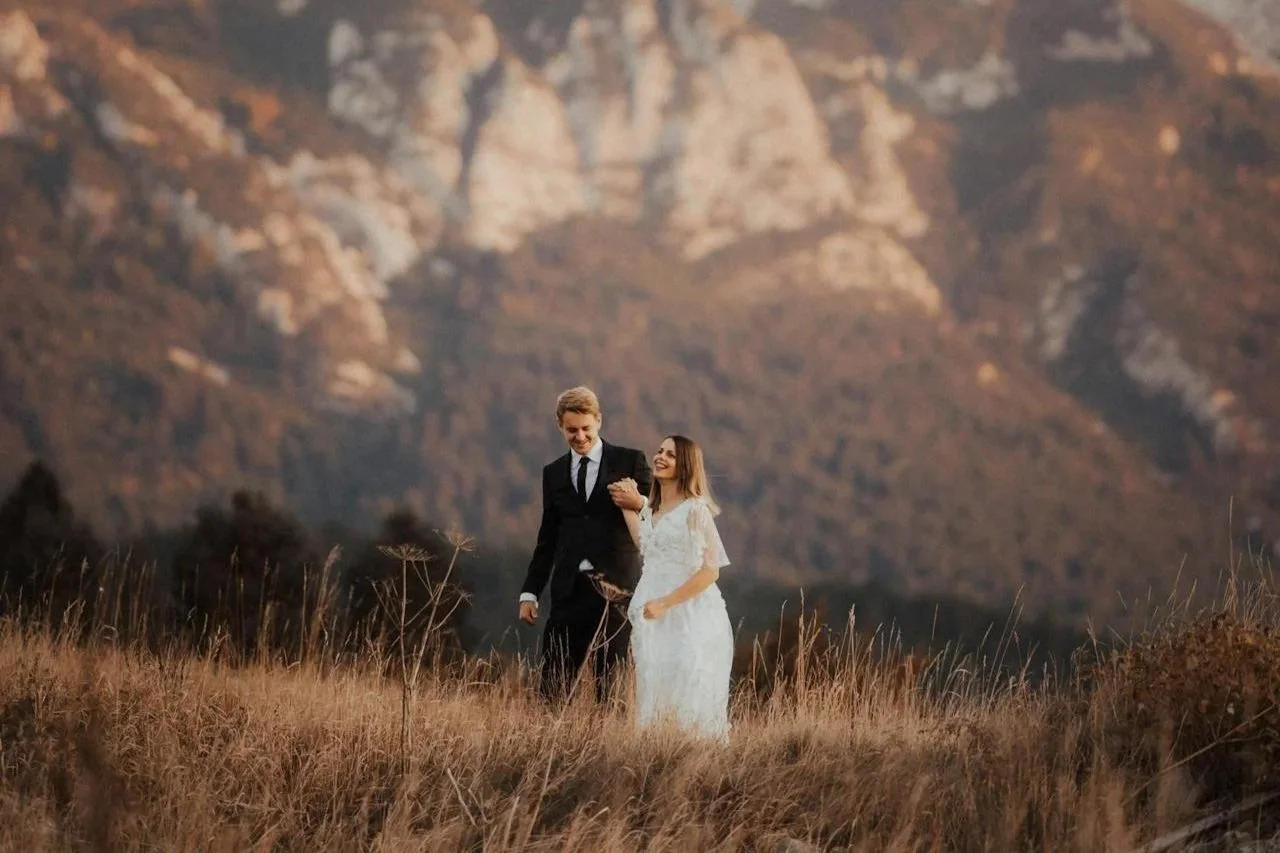
A particular kind of silence falls just before a wedding ceremony begins in the Colorado mountains. The wind settles for a moment. Someone adjusts a jacket. A couple stands together, perhaps beside an alpine lake or against the rust-colored foothills, realizing that the next few minutes will become part of their family history. There may be twenty guests. There may be only two people. Neither circumstance makes the occasion more important.
For years, elopements were generally understood as an alternative to the traditional wedding, sometimes associated with secrecy, spontaneity, or financial necessity. Today, couples are increasingly treating an intimate ceremony as a deliberate choice rather than a compromise. A wedding with twelve guests may involve a private chef, exceptional photography, a beautifully designed ceremony, and several days exploring Colorado. Alternatively, a couple may choose an uncomplicated afternoon in Golden followed by dinner at a favorite restaurant. Both celebrations can be extraordinary.
Recent wedding-industry research provides some context. Zola's 2026 First Look Report, based on more than 11,500 surveyed couples planning 2026 weddings, found that couples are selectively preserving traditions while modifying others to reflect their values. The report also describes an increasing role for personal storytelling and technology in the planning process. Meanwhile, The Knot's 2026 Real Weddings Study documents the continued expense and complexity of conventional weddings. Its findings help explain the appeal of alternatives, although they do not establish that elopements are replacing traditional celebrations.
The following ten trends offer an informed outlook for 2027, drawing on recent industry research, Colorado's distinctive geography, and couples' changing expectations for their ceremonies.
Table of Contents
The New Definition of a Luxury Elopement
Ten Colorado Elopement Trends for 2027
Smaller Guest Lists, More Considered Experiences
Private Vows Before the Public Ceremony
The Rise of the Multi-Day Elopement
Accessible Mountain Elopements
Documentary Photography Over Staged Perfection
Wedding Ceremonies Built Around Personal Stories
Family Involvement Without a Traditional Wedding
Unconventional Wedding Times and Seasons
Environmentally Conscious Elopements
A Return to Presence and Unscripted Moments
3. Planning a Colorado Elopement in 2027
4. Research and Industry Sources
5. Related Wedding Planning Articles
10 Colorado Elopement Trends for 2027
1. Smaller Guest Lists, More Considered Experiences
The first trend is not simply fewer guests. It is a different approach to hospitality. A couple who might have invited 120 people may instead choose twelve, directing their resources toward an intimate ceremony, exceptional accommodations, a meaningful dinner, and time together. The financial arithmetic changes dramatically, although a smaller wedding isn’t automatically inexpensive. According to The Knot's 2026 Real Weddings Study, the average ceremony and reception cost for couples married in 2025 was approximately $34,000. That figure describes traditional weddings nationally, not Colorado elopement pricing. For couples considering an intimate celebration, the relevant question becomes less about minimizing every expense and more about choosing which experiences deserve investment.
Practical recommendations:
Establish the guest count before reserving a venue.
Identify three priorities worth spending more on, such as photography, the ceremony, or accommodations.
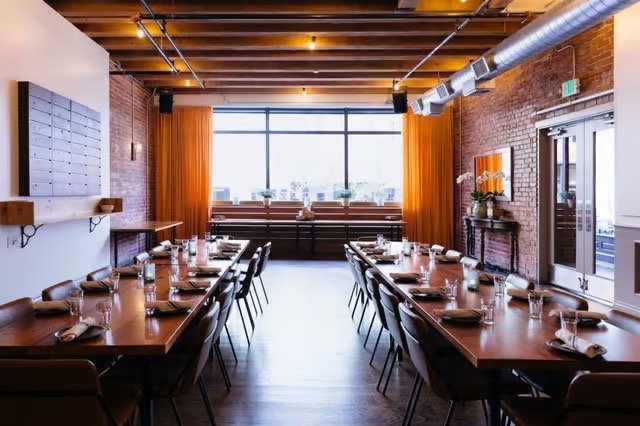
Consider a private dining room instead of a conventional reception.
Confirm whether the venue has minimum spending requirements.
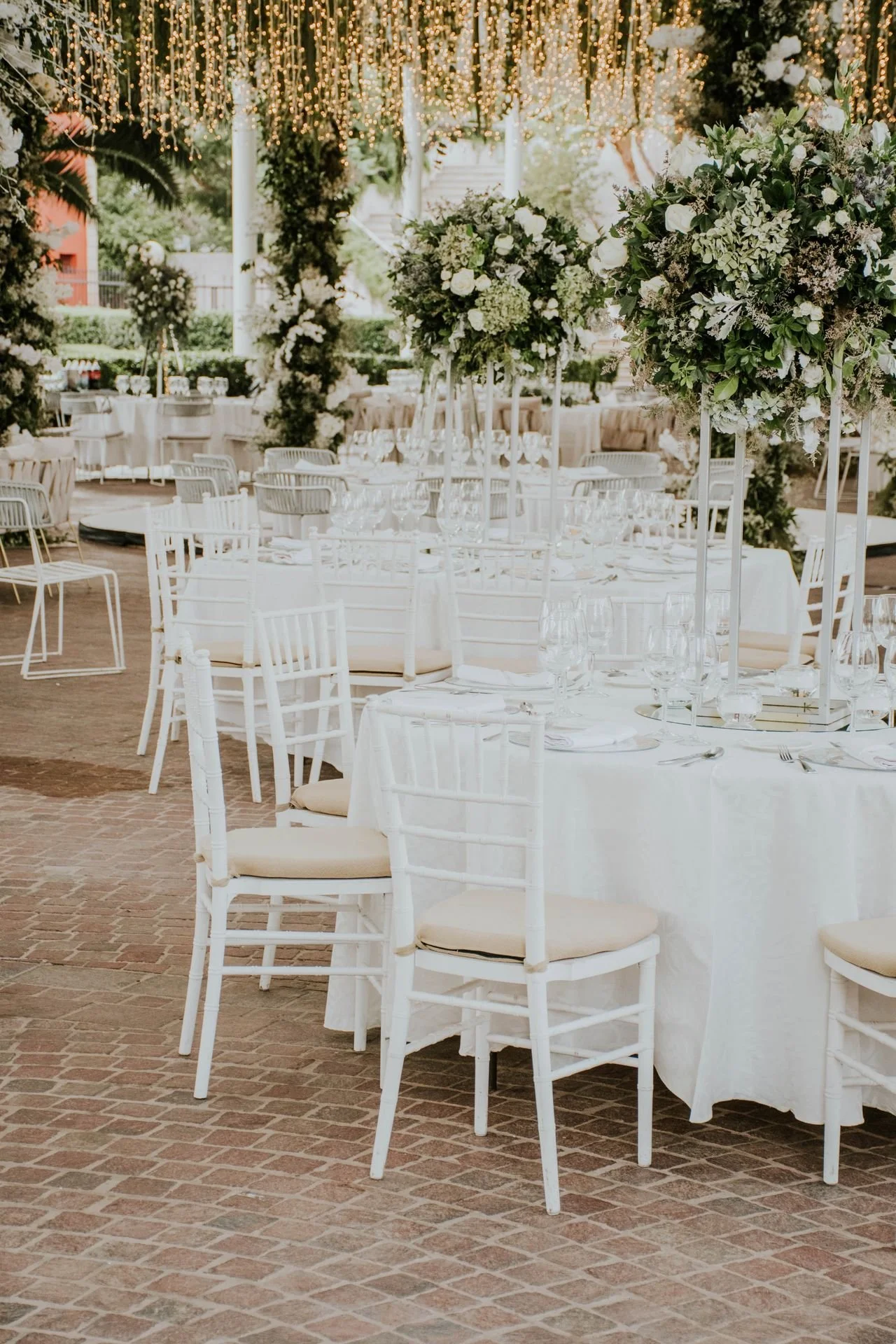
For couples drawn to the foothills, Golden wedding officiant services offer a way to create a personal ceremony within reach of Denver's hospitality options.
2. Private Vows Before the Public Ceremony
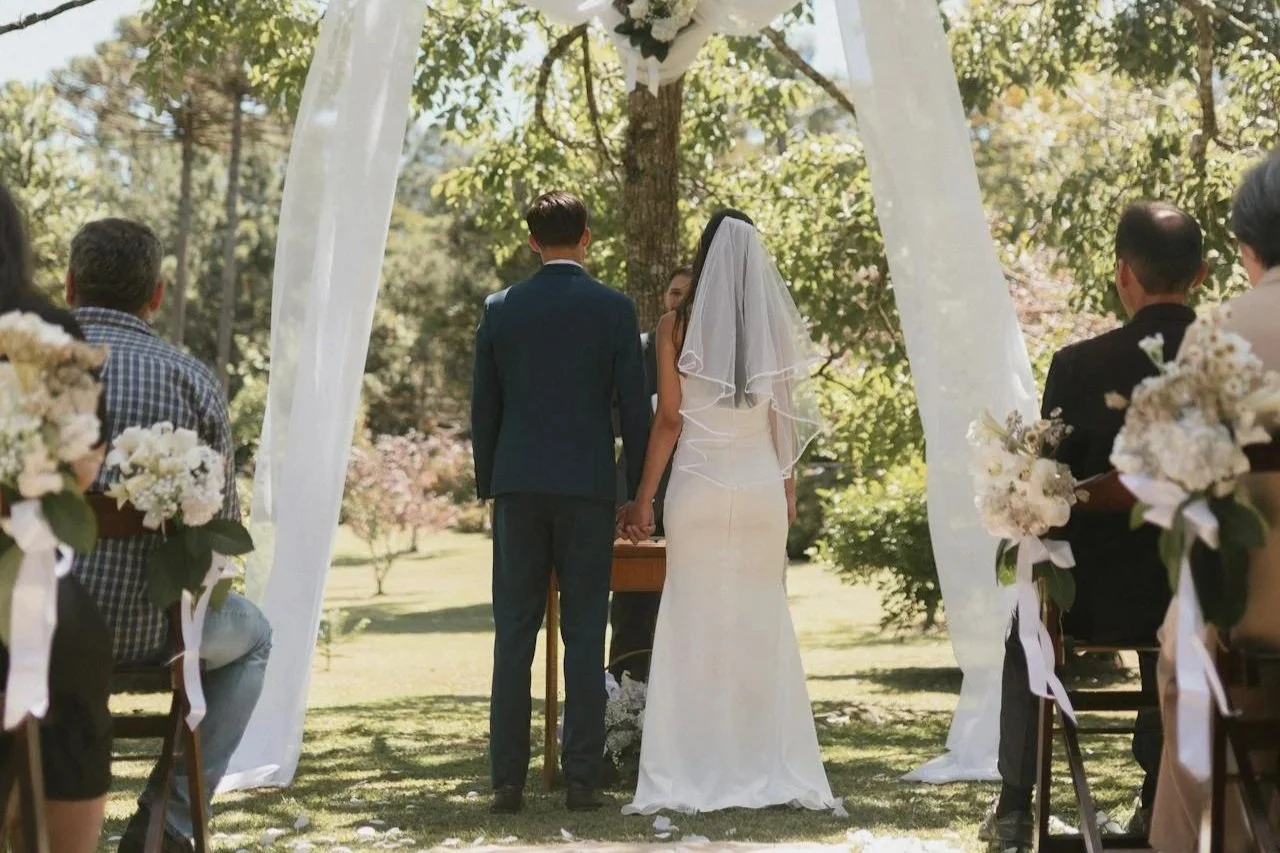
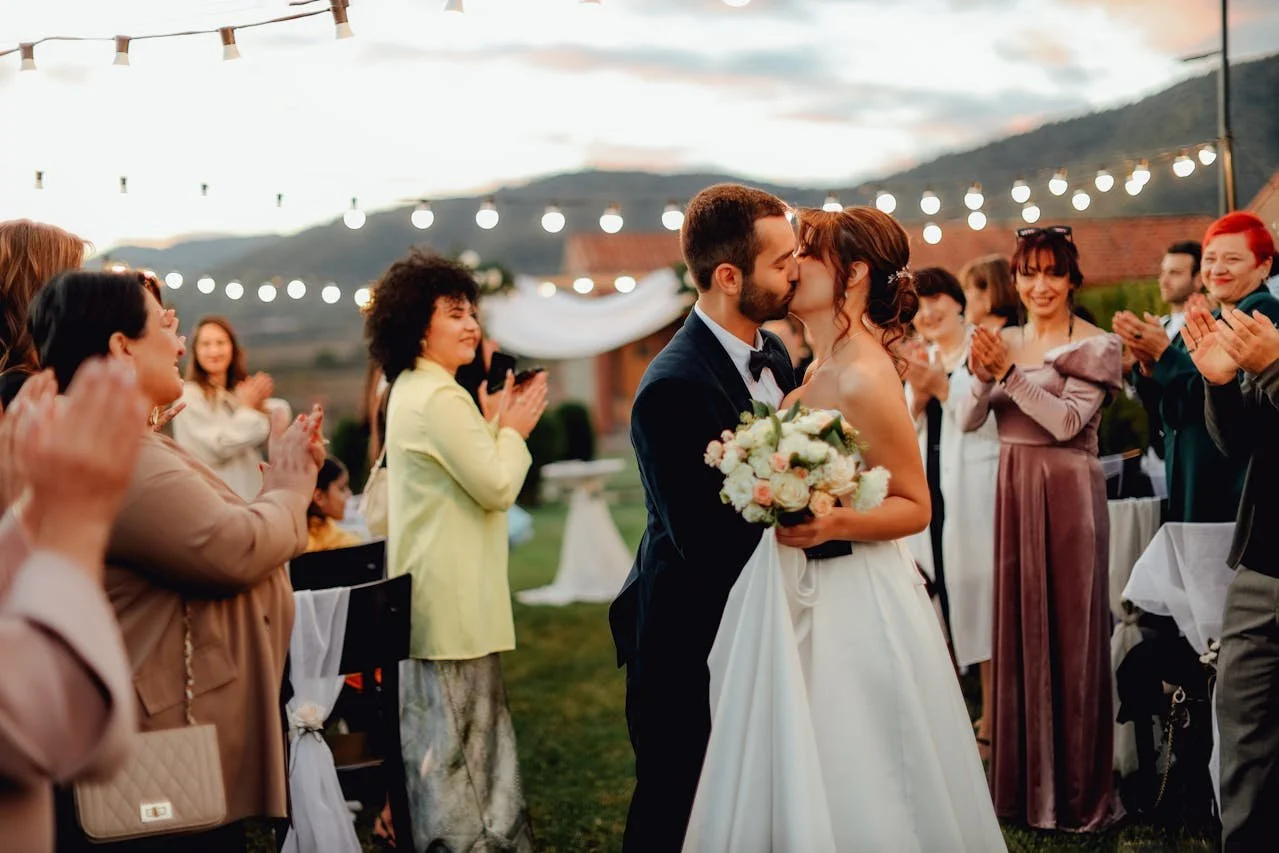
One of the more interesting developments in wedding planning involves separating private emotional moments from public rituals. Zola's 2025 research found that 78% of surveyed couples considered exchanging vows privately an appealing wedding trend. The attraction is understandable. Some promises are easier to express without an audience. A private vow exchange allows couples to speak candidly, without considering whether a family member might feel excluded or whether the language sounds sufficiently ceremonial. The couple can then hold a shorter officiated ceremony for their guests. This creates two distinct experiences: one deeply personal, the other shared.
Practical recommendations:
Schedule private vows approximately 20–30 minutes before the formal ceremony.
Ask your photographer whether they should document the exchange or remain at a distance.
Reserve the public ceremony for declarations, a carefully written personal story, and the ring exchange.
Avoid repeating the same promises word for word.
Couples can use Colorado elopement ceremony services to develop a ceremony that complements, rather than duplicates, their private vows.
3. The Rise of the Multi-Day Elopement
The traditional wedding concentrates enormous attention on a few hours. A multi-day elopement distributes that attention across an experience. Consider a couple arriving in Colorado on Thursday, spending Friday exploring Boulder, exchanging vows on Saturday, and enjoying a long farewell breakfast on Sunday. The ceremony remains central, but it no longer carries the entire emotional burden of the trip. This approach also accommodates guests who have traveled a considerable distance. For couples marrying in 2027, multi-day celebrations offer an appealing combination of intimacy and travel. They can include a welcome dinner, an outdoor excursion, or a quiet morning together before returning home.
Practical recommendations:
Select one primary ceremony location and build the itinerary around it.
Limit scheduled activities to avoid turning an intimate weekend into a complicated group tour.
Include unstructured time, particularly after the ceremony.
Reserve accommodations with sufficient privacy for getting ready and sharing meals.
A three-day celebration does not require three days of programming. Sometimes the most memorable part is an ordinary breakfast with people who rarely have the opportunity to be together.
4. Accessible Mountain Elopements Replace the Pressure to Summit
Colorado's mountain scenery has long shaped the visual identity of elopements. Yet a beautiful ceremony does not require a strenuous hike. For 2027, one practical direction is toward accessible locations that offer mountain views without extensive walking, complicated transportation, or significant physical exertion. This expands options for older relatives, children, guests with mobility limitations, and couples who prefer a less demanding experience. The areas surrounding Golden and Boulder offer potential alternatives to remote alpine settings, although individual sites have different restrictions. Boulder's Open Space and Mountain Parks department, for example, limits wedding ceremonies and other stationary events on its lands to designated shelters and facilities. A scenic trail is not automatically a permissible ceremony location.
Practical recommendations:
Ask about walking distance, grade, surface conditions, and available seating.
Confirm restroom access and parking before sending invitations.
Research permits before selecting a location for photographs.
Choose a site that remains suitable if the weather changes.
Explore Boulder wedding officiant services when planning an intimate ceremony near the Flatirons or in the surrounding area.
5. Documentary Photography Over Staged Perfection
The photograph of a couple standing on a mountain ridge will remain popular. What is changing is the appetite for images that appear overly directed. Wedding photography increasingly includes documentary techniques: movement, imperfect expressions, interactions between guests, and moments that unfold without instruction. Zola's recent research identifies growing interest in documentary photography and the continued importance of visual storytelling. There is a meaningful difference between staging an emotional moment and creating conditions where one can happen naturally. A photograph of a father adjusting his daughter's coat may eventually mean more than a carefully arranged portrait.
Practical recommendations:
Ask photographers to show complete wedding galleries, not only highlight images.
Discuss how they balance candid photographs with essential formal portraits.
Avoid scheduling every minute around a specific photograph.
Consider analog film or a documentary editing style if it suits your preferences.
Most importantly, make sure the ceremony itself is not repeatedly interrupted to accommodate photography. The experience should produce the photographs, rather than the photographs determining the experience.
6. Wedding Ceremonies Built Around Personal Stories
The familiar wedding script is gradually becoming less appealing to couples who want their ceremony to sound recognizably like them. Personalization, however, doesn't come from filling a ceremony with inside jokes, lengthy anecdotes, or elaborate symbolic gestures. It comes from selecting details that reveal something substantial about the relationship. Perhaps the couple began dating during a difficult period. Perhaps their relationship developed through years of long-distance travel. Perhaps what they admire most about each other is rarely expressed aloud. These are meaningful starting points. A thoughtful wedding officiant can turn those details into a narrative with an emotional arc, so the ceremony feels natural rather than performed.
Practical recommendations:
Identify three moments that changed the direction of your relationship.
Describe what each partner contributes to the marriage.
Decide whether humor belongs in the ceremony and how much.
Review the final language aloud to eliminate awkward phrasing.
Couples planning a city celebration can explore Denver wedding officiant services for a ceremony developed around their relationship rather than a generic script.
7. Family Involvement Without a Traditional Wedding
Eloping no longer has to mean excluding family. For some couples, the ideal arrangement includes parents and siblings but omits the extensive guest list, receiving line, wedding party, and formal reception. Other couples exchange private vows and invite loved ones to join them afterward. This selective approach reflects the broader industry movement toward retaining meaningful traditions while discarding obligations that do not fit the couple. There is no universally correct arrangement. The challenge is communicating decisions clearly, particularly when relatives hold strong expectations.
Practical recommendations:
Decide together who will attend before discussing invitations with relatives.
Offer loved ones specific roles, such as a reading or a family blessing.
Consider a celebration dinner for guests who cannot attend the ceremony.
Explain the decision without implying that the wedding is less significant because it is smaller.
A wedding can be intimate without feeling exclusionary, as long as expectations are handled with consideration.
8. Unconventional Wedding Times and Seasons
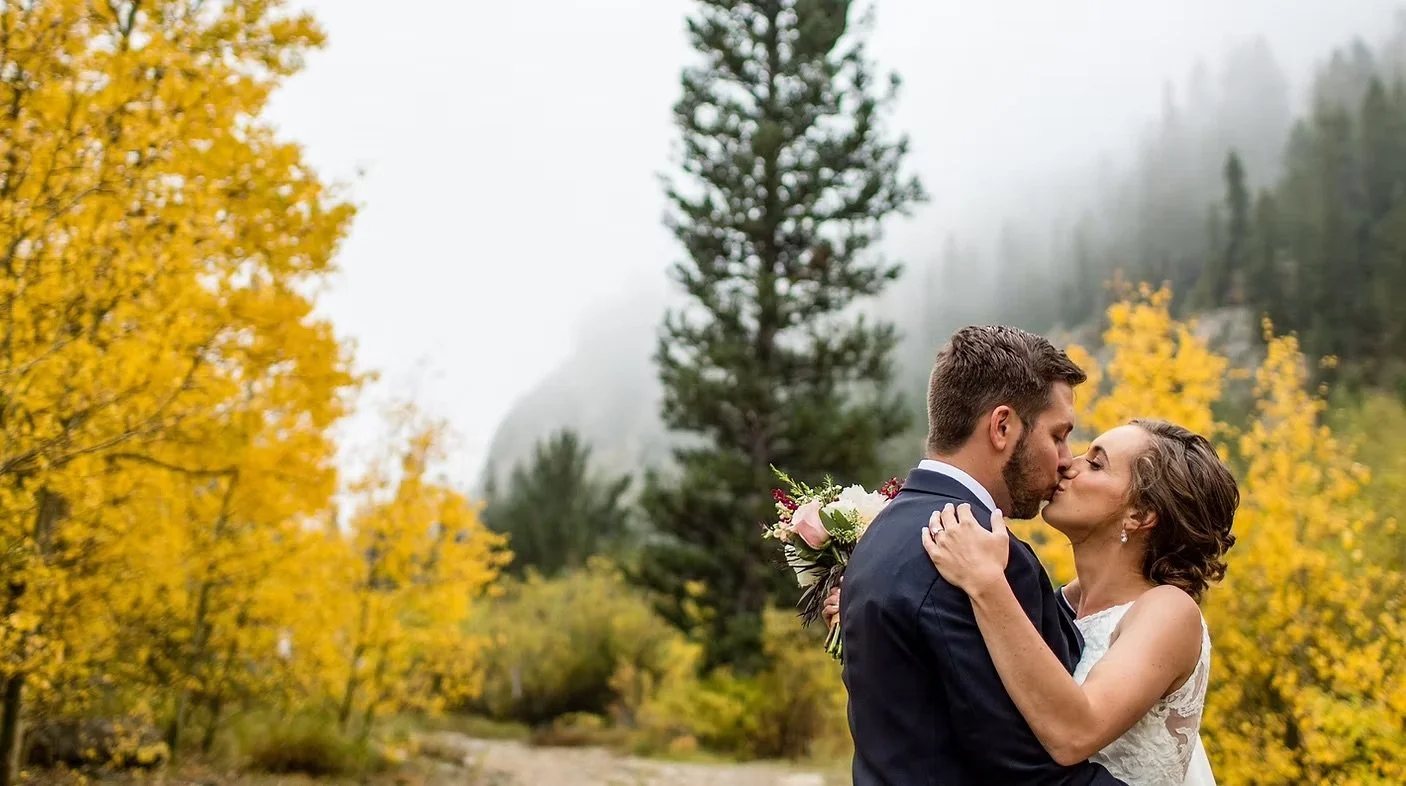
A Saturday afternoon in June is no longer the only attractive time for a wedding. Couples can build ceremonies around morning light, autumn foliage, winter scenery, or the quieter atmosphere of a weekday. Colorado offers particularly distinctive seasonal possibilities. Golden's foothills take on a different character in late autumn. Boulder can be beautiful in winter. Summer mornings sometimes offer more comfortable conditions than exposed afternoons, although mountain weather is never guaranteed. Unconventional scheduling may also create additional vendor availability.
Practical recommendations:
Consider sunrise or morning ceremonies, and allow time for travel and preparation.
Research seasonal road closures and snow conditions.
Ask whether weekday bookings offer meaningful flexibility.
Avoid assuming that a picturesque winter setting will be comfortable for every guest.
For couples considering Rocky Mountain National Park, ceremony permits are required and issued for designated locations. The National Park Service recommends applying well in advance. Before committing to a 2027 location, review its current requirements rather than relying on previous-year guidance.
Quick Summary: 10 Colorado elopement ideas for 2027
Host fewer guests and invest in a more personal experience.
Exchange private vows before the formal ceremony.
Extend the celebration into a wedding weekend.
Select accessible mountain locations rather than difficult hiking routes.
Choose documentary-style photography that captures real interactions.
Build the ceremony around the couple's history.
Include close relatives without hosting a conventional wedding.
Consider weekday, morning, autumn, or winter ceremonies.
Respect Colorado's protected landscapes and permit requirements.
Design moments that can be experienced without a phone or camera.
9. Environmentally Conscious Elopements
Many couples choose Colorado because they love the natural environment. An outdoor wedding should respect the landscape that makes the occasion attractive. This means more than selecting recyclable decorations. It involves understanding where ceremonies are permitted, minimizing disturbance, keeping groups within location limits, and avoiding unnecessary alterations to natural spaces. A remote-looking setting is not necessarily a suitable place to gather. At Rocky Mountain National Park, wedding permits restrict decorations, structures, scattering materials, and other activities. The purpose is to protect both the setting and the visitor experience.
Practical recommendations:
Use established paths and authorized ceremony locations.
Avoid loose petals, confetti, rice, or materials that can be scattered by the wind.
Favor reusable arrangements and locally sourced services where practical.
Minimize unnecessary vehicle trips by coordinating transportation.
Environmental responsibility can become part of an elopement's character, rather than an added logistical burden.
10. A Return to Presence and Unscripted Moments
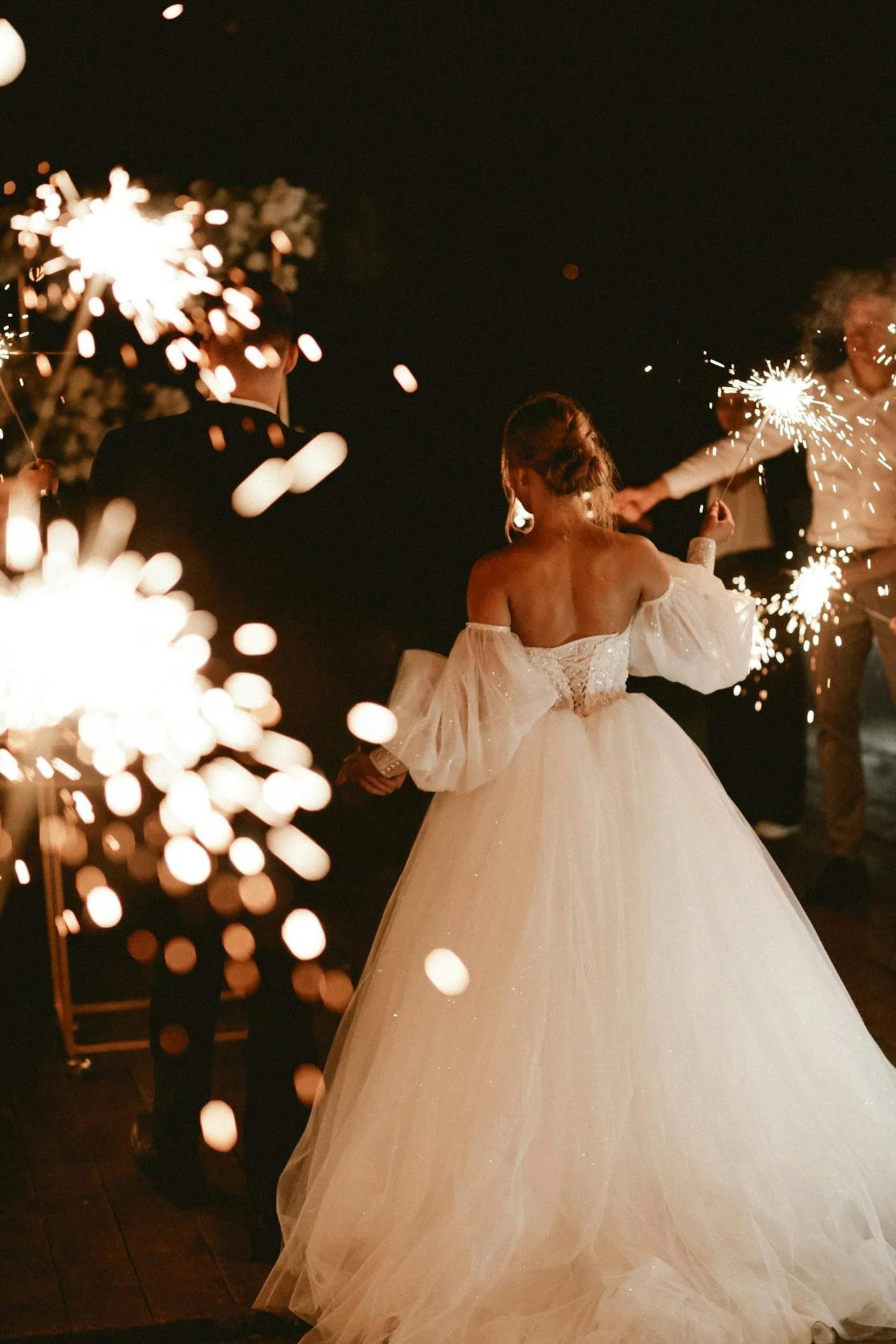
The final trend may be the most enduring: couples are reconsidering how much of their wedding needs to be recorded, scheduled, or shared. Social media influences wedding planning significantly. Zola's 2025 survey found that 91% of couples drew inspiration from social platforms, while 48% reported difficulty reconciling idealized images with their budgets. Technology can assist with organization, but it cannot determine what a ceremony should feel like. For some couples, the answer is an unplugged ceremony. For others, it is a shorter photography schedule, fewer formal announcements, or a private moment following the vows. The objective isn’t to reject technology. It is to decide when technology should recede.
Practical recommendations:
Ask guests to put their phones away during the ceremony.
Allow a brief period after the ceremony without photography.
Limit ceremonial elements that have no personal significance.
Choose vendors who understand your preferred atmosphere.
A wedding may last twenty minutes. Its meaning will occupy a much longer place in the couple's life. Leave enough room in those minutes to experience what is happening.
Planning a Colorado Elopement in 2027
Once couples decide what kind of experience they want, the practical work becomes more manageable. Begin with the people. Decide whether the ceremony will include only the couple, a small group, or several generations of family. Next, choose the setting. Denver offers architectural and hospitality options; Golden combines foothill scenery with accessibility; Boulder offers striking mountain surroundings; and Colorado's mountain towns provide possibilities for extended wedding weekends. Then establish the ceremony's emotional character. Is it quiet and reflective? Warm and humorous? Formal without feeling traditional? Make these choices before deciding on decorative details.
Finally, confirm the legal and logistical requirements. Colorado allows couples to self-solemnize their marriage without an officiant or witnesses. Couples may also choose an authorized officiant to conduct a personalized ceremony. A marriage license issued in Colorado must be used within 35 days, and the completed certificate must be returned for recording within 63 days after solemnization. For outdoor weddings, marriage licensing and site authorization are separate responsibilities. Neither replaces the other.
One final recommendation: prepare an actual contingency plan, including an appropriate alternate location. Colorado's weather can change abruptly, and a thoughtful wedding deserves something more reliable than crossed fingers.
Research and Industry Sources
The Knot: 2026 Real Weddings Study — Published February 2026; national wedding statistics and changing planning preferences.
Zola: 2026 First Look Report — Updated October 2026; survey findings on traditions, technology, photography, and personalization.
Zola: 2025 Wedding Trends Data Deep Dive — Published June 2025; guest-list preferences, private vows, and evolving ceremony expectations.
WeddingPro: What Wins in 2026 — Vendor and consumer insights on personalization, spending, and professional services.
National Park Service: Rocky Mountain National Park Weddings — Official permit and ceremony requirements.
City of Boulder: Open Space and Mountain Parks Permits — Official land-use and ceremony restrictions.
Denver Clerk and Recorder: Marriages and Civil Unions — Official marriage-license and self-solemnization guidance.
Related Articles
From the Michael Moody Officiant wedding blog directory:
How to Elope in Colorado: Ceremony Guide for Intimate Mountain Weddings
Colorado Front Range Elopement Guide: Hiking-In Wedding Ceremonies and Scenic Trails
Golden Wedding Ceremony Venues and Outdoor Locations Near Denver
Boulder Wedding Ceremony Venues for Intimate and Scenic Weddings
How to Personalize Your Wedding Ceremony Without Making It Awkward or Overlong
How to Get Married in Colorado: Marriage License Guide for 2026
The directory includes ceremony-planning articles, wedding-specific guidance, Front Range elopement content, and relationship-focused resources for couples planning meaningful Colorado ceremonies.
About the Author: Michael Moody, Wedding Officiant
Michael Moody is a Colorado wedding officiant serving Denver, Boulder, Golden, Larkspur, and mountain communities throughout the state. Since 2012, he has officiated more than 300 weddings, bringing a calm presence, thoughtful guidance, and emotionally grounded ceremony writing to couples seeking a meaningful experience. He also offers Colorado elopement ceremonies for couples who want something intimate, intentional, and beyond the boundaries of a traditional wedding day. His work is shaped by a lifelong interest in connection, reflection, and personal growth. Michael is the author of the self-improvement book Redefine Yourself: The Simple Guide to Happiness and host of The Elements of Being podcast. As a wedding officiant, he draws from that same foundation: the belief that our relationships, words, and everyday interactions help shape a life rooted in love, empathy, and purpose. Michael’s ceremony work has been recognized across Colorado. He is a 2023 WeddingWire Couples’ Choice Award winner in Denver, marking his eighth consecutive year receiving the honor. He was also named “Best Business of 2024, 2025, and 2026” by Three Best Rated and earned “The Best Wedding Officiant in Commerce City, Colorado for 2024” from Quality Business Awards USA.
Beyond weddings, Michael and his wife, Sammy, have sponsored an annual student scholarship for more than 10 years. They also founded Civic Growth Alliance, a 501(c)(4) nonprofit dedicated to strengthening communities through civic advocacy, resident engagement, strategic partnerships, public safety initiatives, neighborhood vitality, and community well-being.
Wedding locations: Michael officiates wedding ceremonies in the Denver neighborhoods of LoDo, River North, Washington Park, Cherry Creek, City Park, Central Park, Capitol Hill, Cheesman Park, Park Hill, Lower Highlands, and Sloan Lake. Michael also serves as an ordained minister in Larkspur, Littleton, Golden, Boulder, Breckenridge, Frisco, Aspen, Vail, Estes Park, and more. If your Denver neighborhood or Colorado town isn’t listed here, no worries! Please contact Michael to propose a wedding ceremony location in a different area!
Wedding Planning Tips





Michael Moody is a Colorado wedding officiant, author, and experienced public speaker who has officiated more than 300 wedding ceremonies since 2012. Through Michael Moody Officiant, he creates personal, thoughtfully written wedding and elopement ceremonies in Denver, Golden, Boulder, and throughout Colorado, including the mountain communities of Evergreen, Estes Park, Breckenridge, Vail, and Aspen. His approach combines a writer's attention to language with the composure of an experienced speaker, creating ceremonies that reflect each couple's relationship without relying on generic scripts or unnecessary formality. From intimate mountain elopements to sophisticated private celebrations, Michael works closely with couples to establish the tone, structure, and emotional character of their wedding day.