Top 5 Wedding Tips for Brides | Colorado Wedding Guide
Summary
The best wedding advice for brides has less to do with chasing perfection and more to do with deciding what deserves your attention. Define your priorities before social media defines them for you, divide the planning workload, prepare the ceremony early, choose comfort over unnecessary pressure, and hand off logistics before the wedding begins.
What are the top five wedding tips for brides?
What are the top five wedding tips for brides? Start by defining three priorities with your partner, divide planning responsibilities clearly, protect the ceremony early, choose clothing and routines that keep you physically comfortable, and hand wedding-day logistics to trusted professionals. The goal is not perfection; it is enough structure to remain present.
Frequently Asked Questions
What should a bride do first when planning a wedding?
Before choosing colors, dresses, flowers, or décor, decide with your partner what you want the wedding to feel like and identify the three parts of the celebration you value most. Those priorities become a filter for later decisions.
How can a bride make wedding planning less stressful?
Reduce the number of decisions that reach you. Divide planning responsibilities with your partner, assign clear jobs to vendors and family members, create deadlines for major choices, and stop revisiting decisions once they have been reasonably settled.
When should you start planning the wedding ceremony?
Begin discussing the ceremony several months before the wedding rather than leaving it for the final weeks. Decide on the tone, officiant, readings, vows, processional, cultural or family traditions, and basic ceremony structure before the final planning rush.
What should a bride delegate on her wedding day?
Vendor questions, transportation updates, late guests, décor issues, marriage-license logistics, rings, personal belongings, and timeline changes should all have assigned owners. The bride should not be the wedding-day information desk.
How can you stay present on your wedding day?
Build breathing room into the schedule, put your phone away, eat and drink normally, designate someone else to handle logistical questions, and set aside a few private minutes with your partner. Presence usually requires removing responsibilities rather than adding another activity.
Key Topics
top 5 tips for brides, wedding tips for brides, wedding planning tips for brides, best wedding advice for brides, bride wedding planning tips, wedding day tips for brides, wedding planning advice
Colorado wedding planning tips, Colorado wedding advice, Denver wedding officiant, Colorado wedding officiant, Colorado wedding ceremony, wedding ceremony planning tips, how to reduce wedding planning stress, wedding day checklist for brides
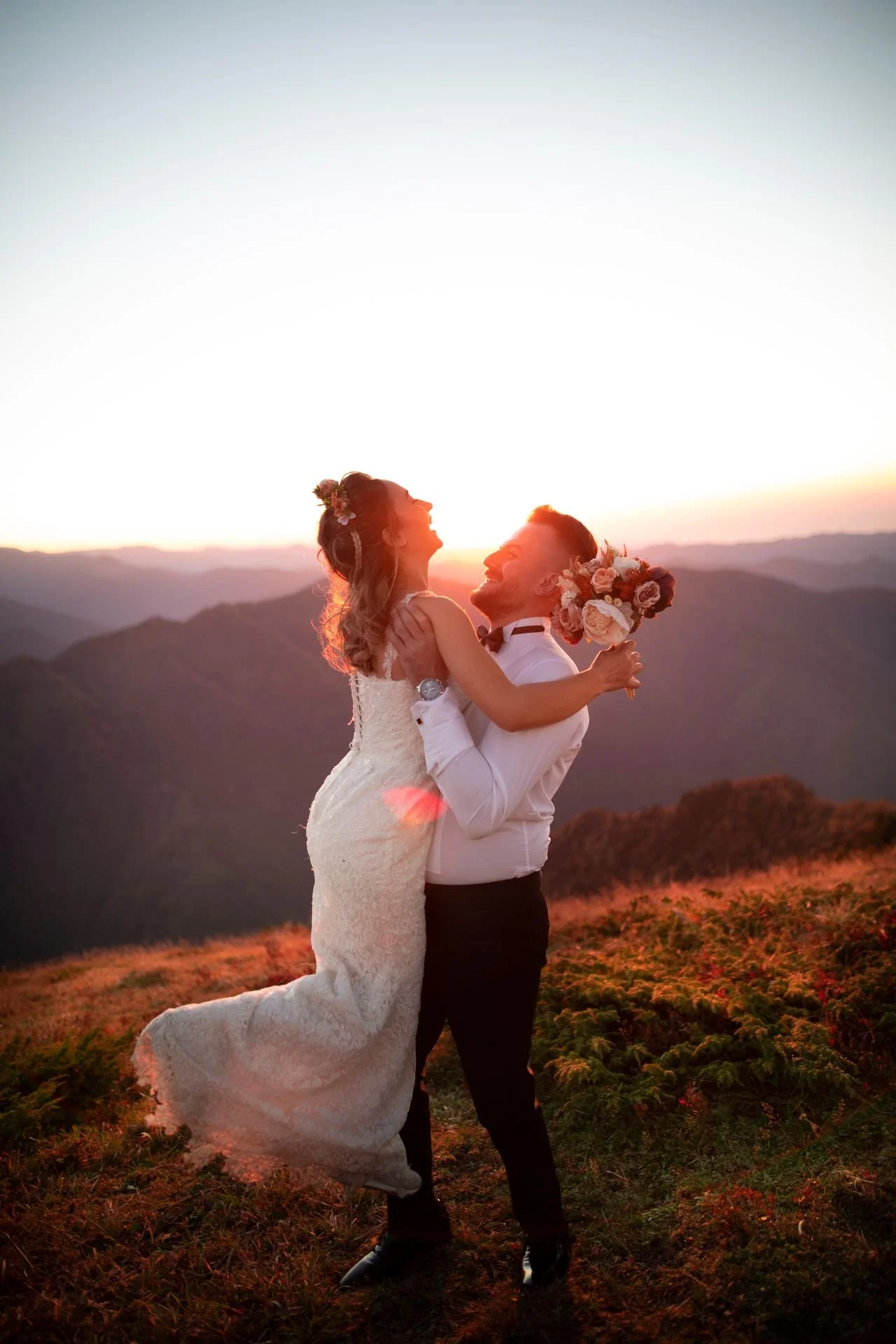
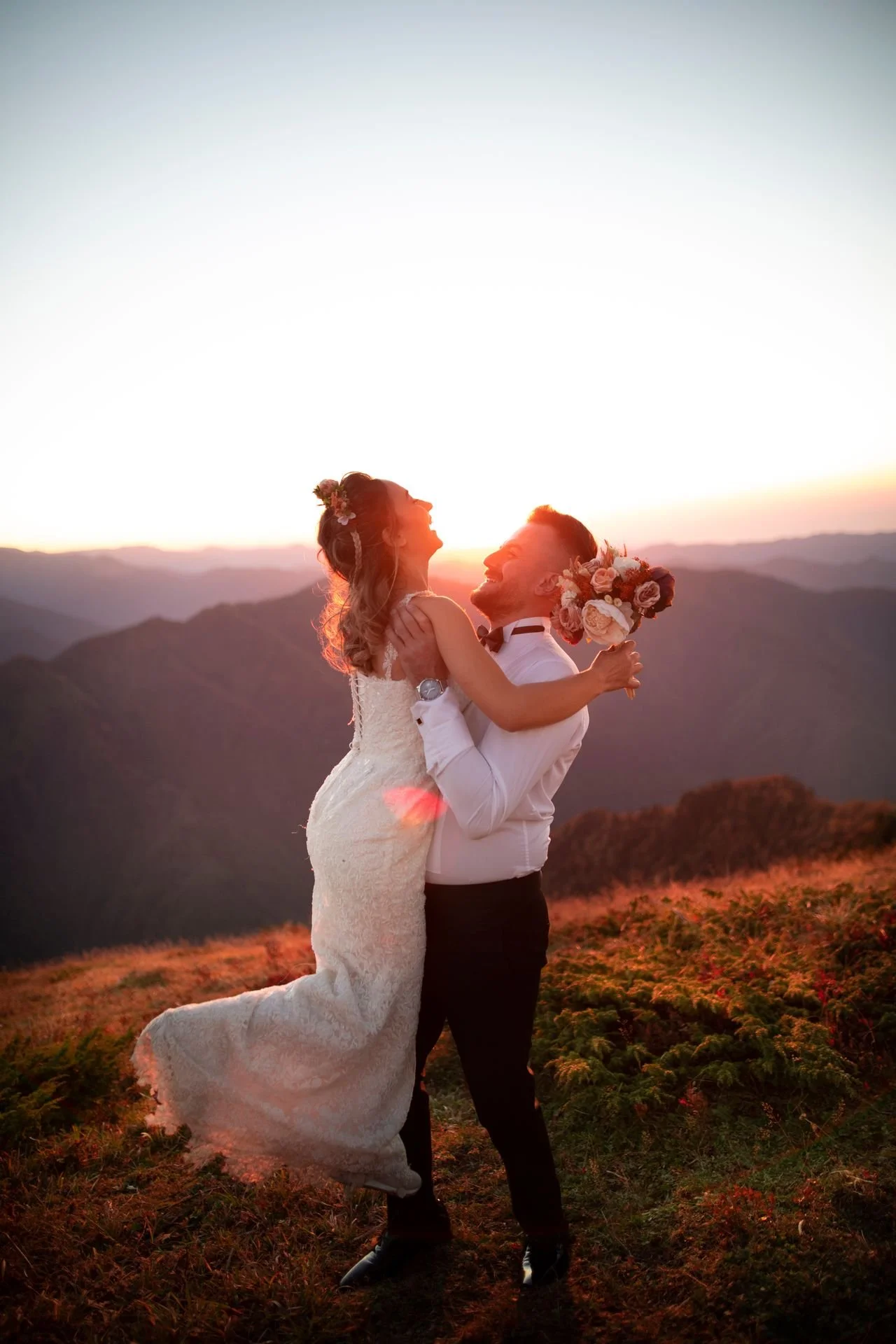
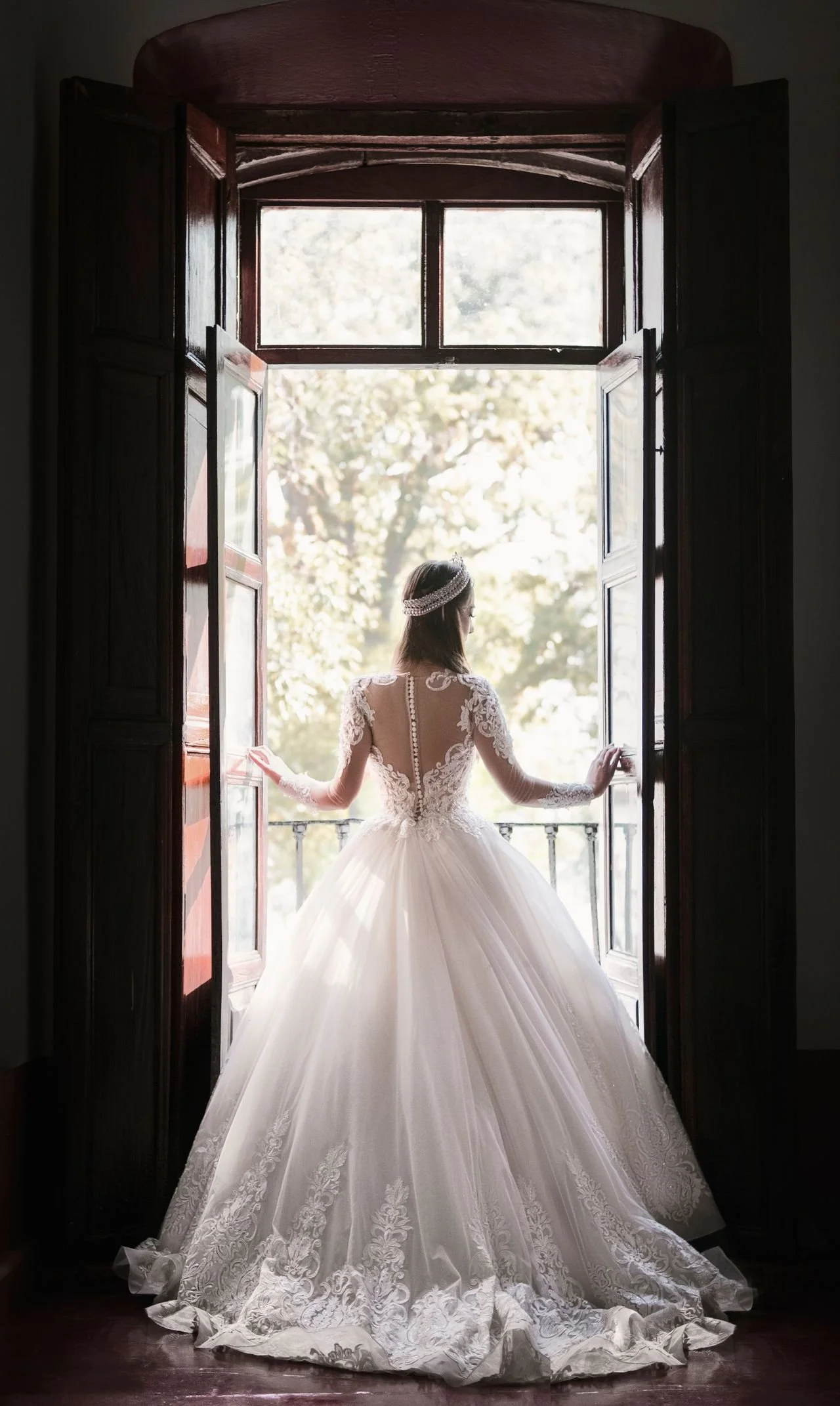
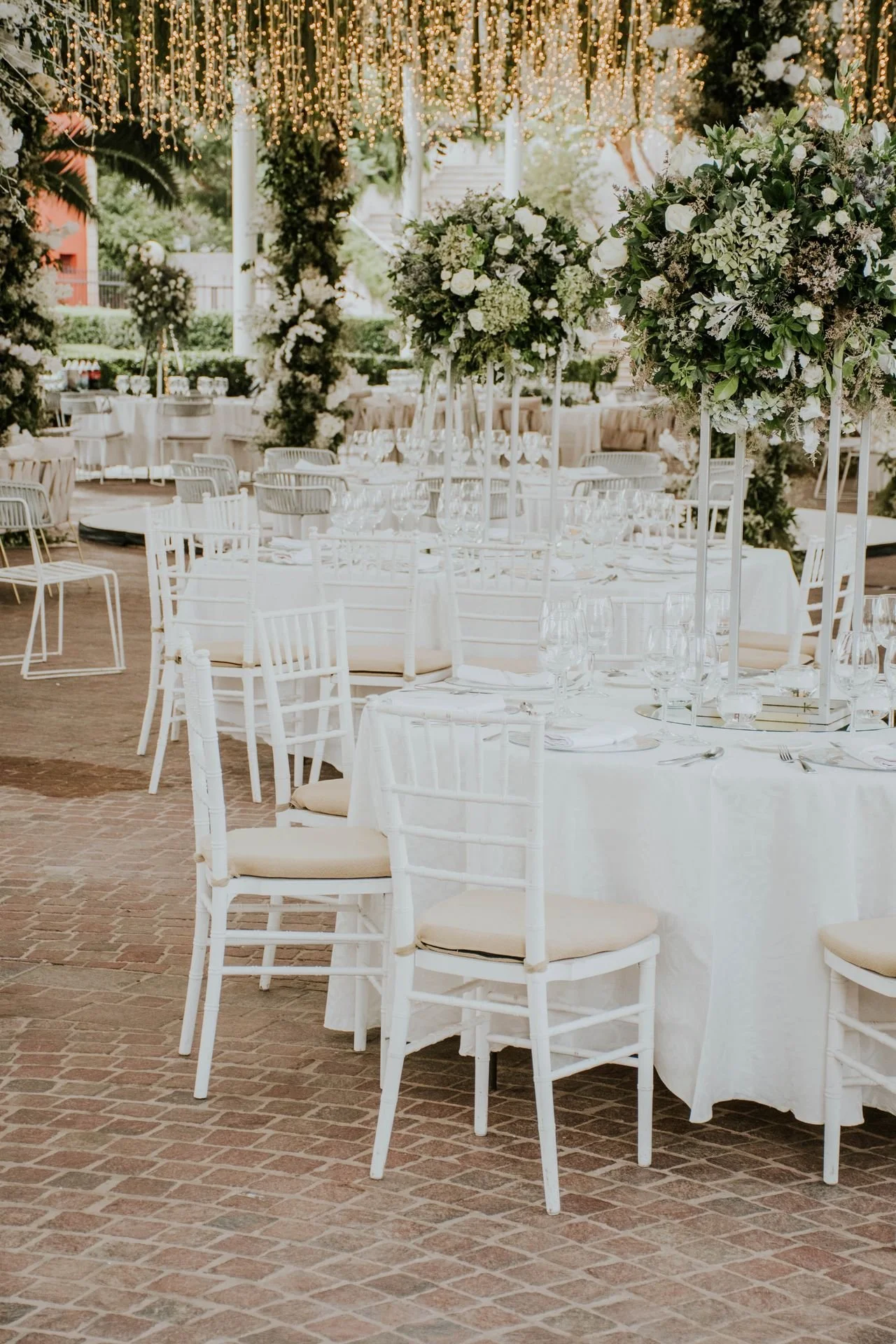
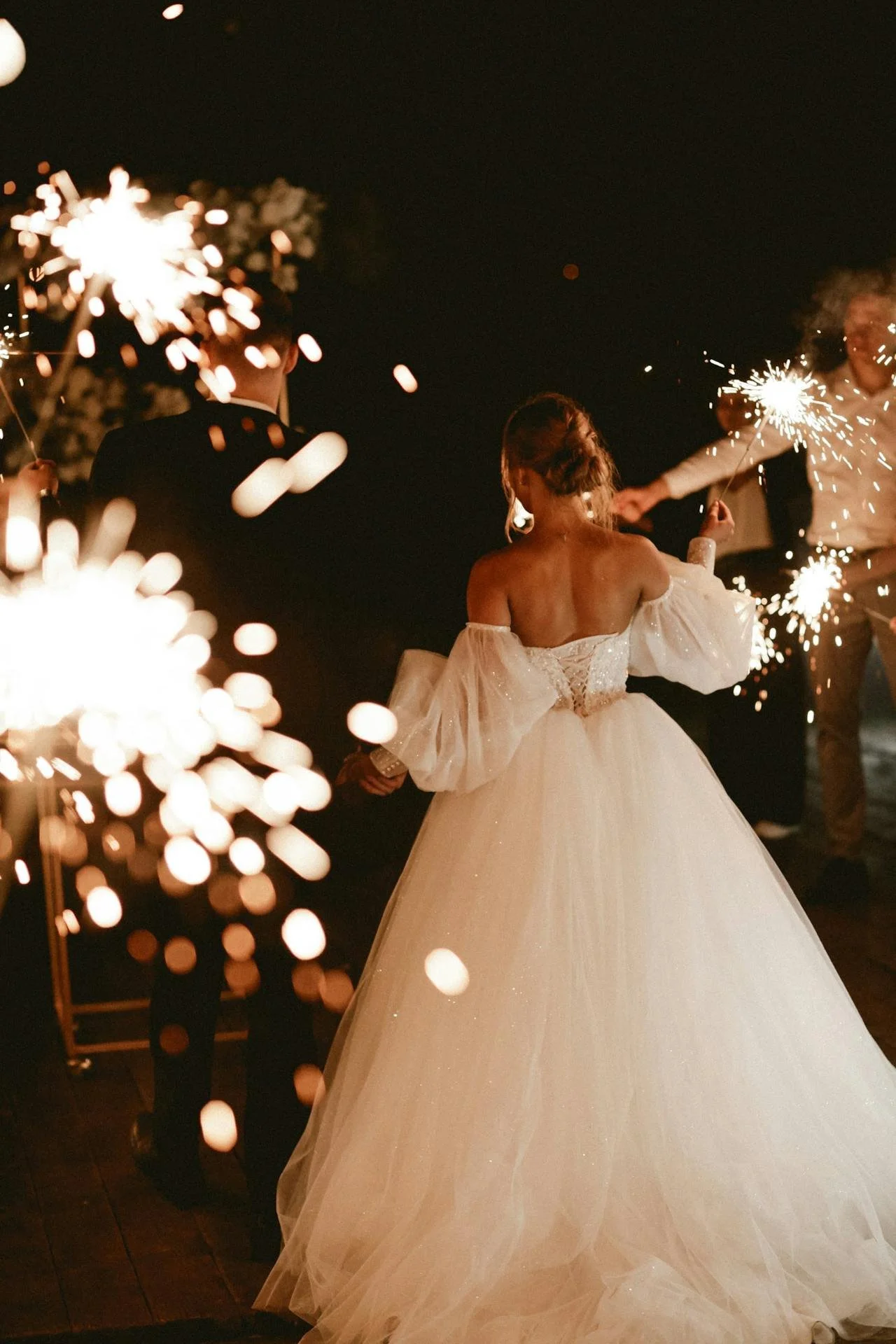
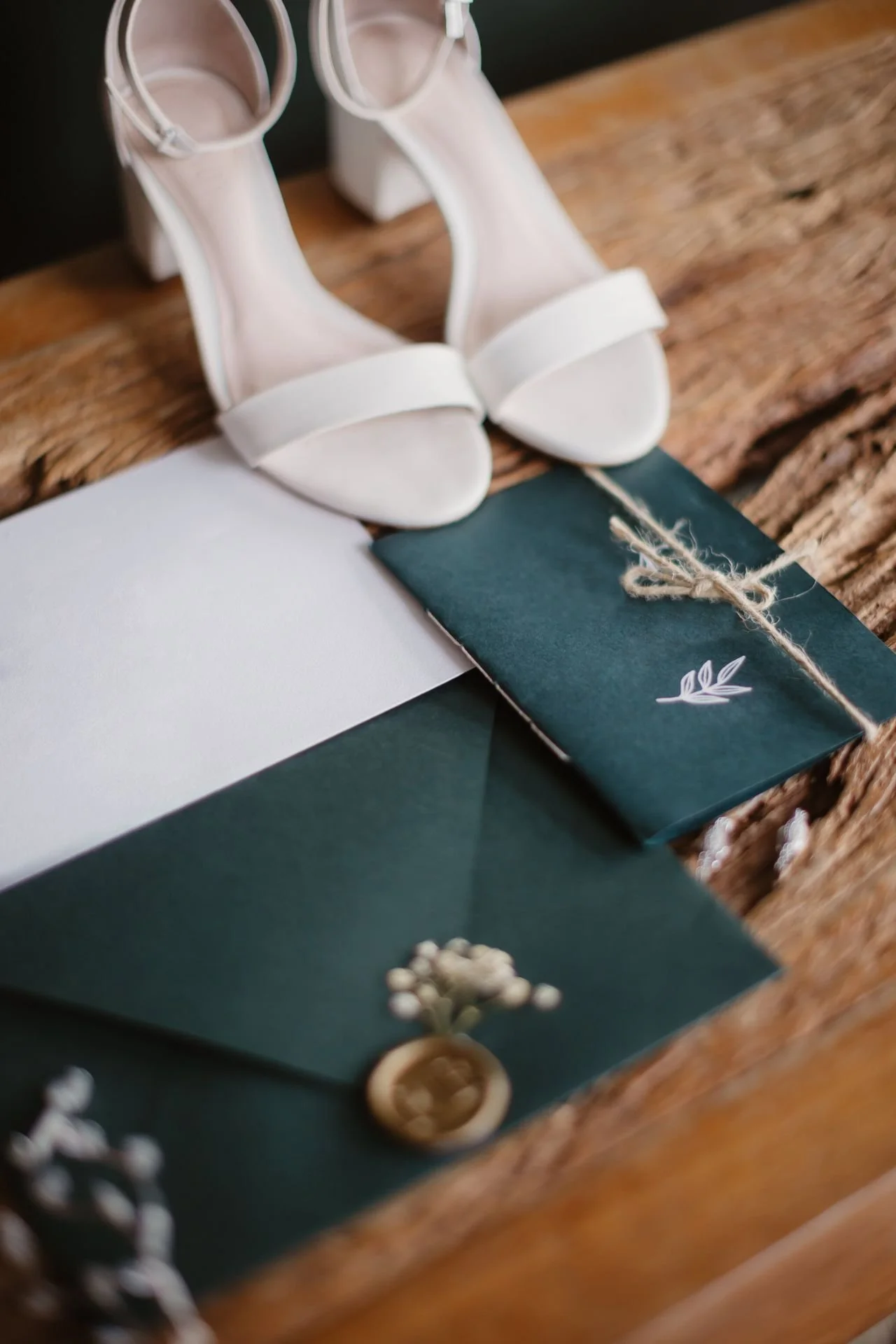
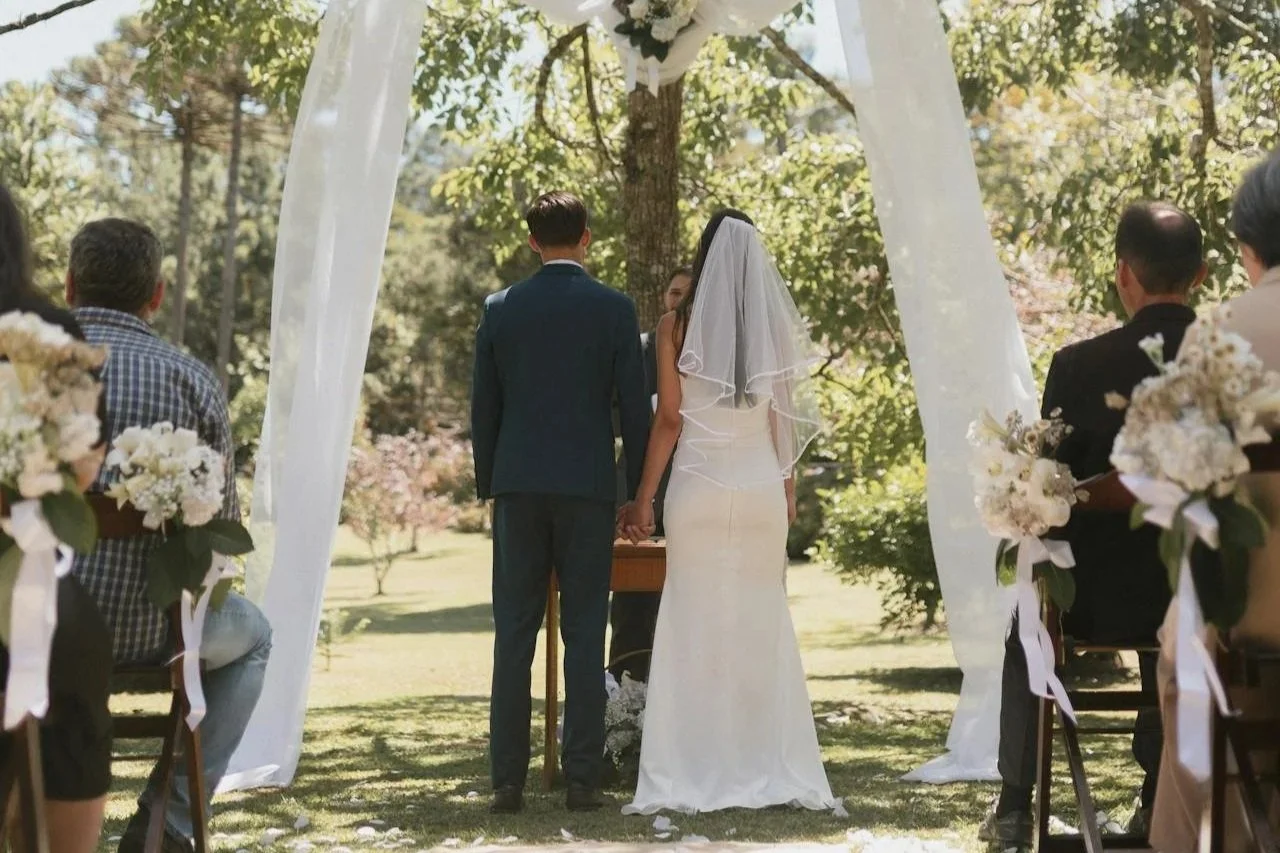
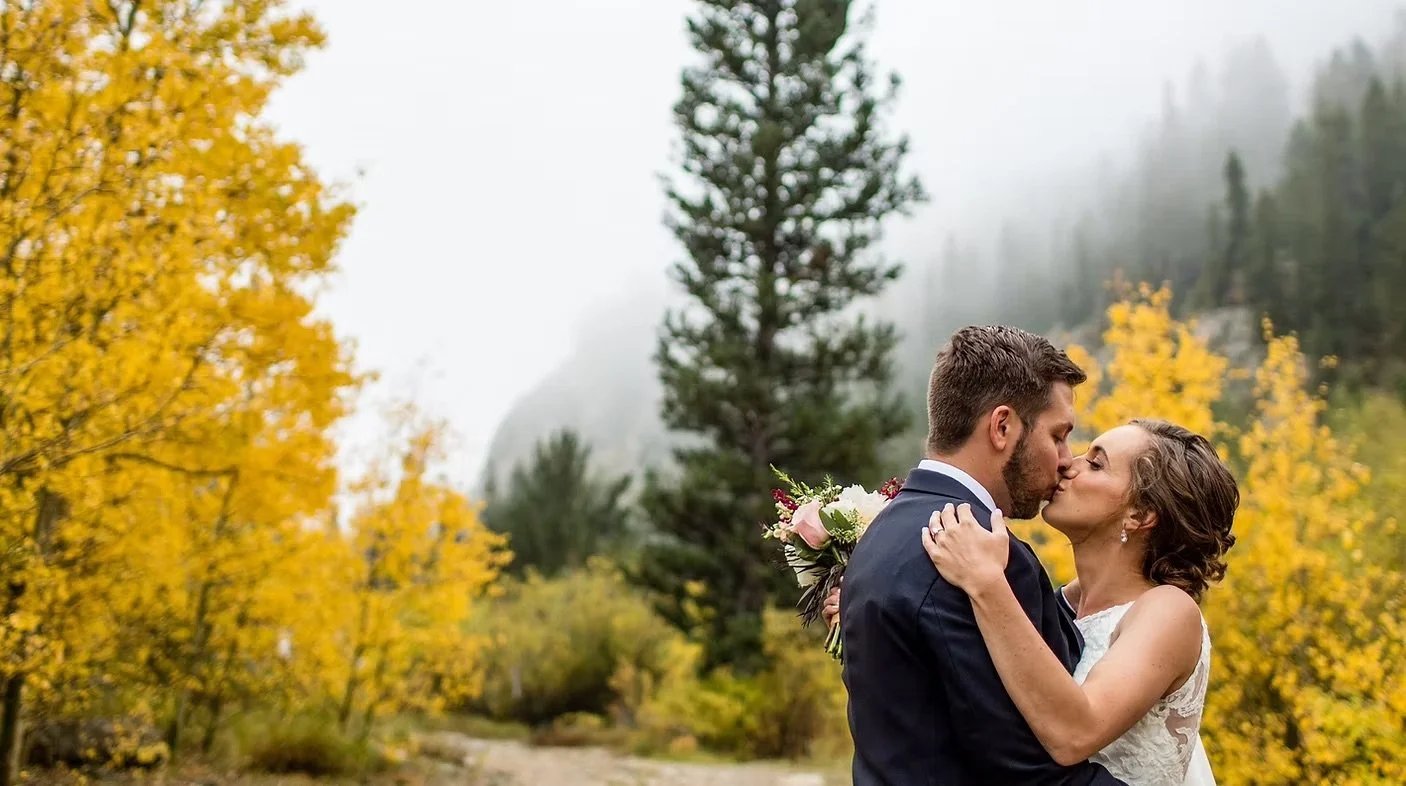
Colorado Brides / Photo: Orhan Namlı
Why the Best Wedding Advice Is Increasingly About Restraint
There has never been more wedding inspiration within reach. That is not entirely a gift. A bride can wake up intending to select napkins and, forty-five minutes later, be comparing her wedding to a Lake Como celebration with a floral budget that could purchase a small car. Pinterest, Instagram, TikTok, wedding blogs, vendor feeds, celebrity weddings, and algorithmically perfect photographs have made inspiration nearly limitless while doing very little to expand budgets, weekends, or human attention.
Zola’s 2026 First Look Report, based on more than 11,500 engaged couples, found that 87% had made a wedding-planning decision based on something seen on social media. Sixty percent said reconciling their actual budget with online inspiration was their number-one planning stressor, and 48% had increased or rearranged spending to reproduce something they encountered online. That is useful context because some of the best advice I can offer after officiating hundreds of weddings is surprisingly unglamorous: remove noise before adding another idea.
Couples planning city celebrations can explore Denver wedding officiant services; foothills weddings can be approached through Golden wedding officiant services; couples marrying near the Flatirons can explore Boulder wedding officiant services; and couples who prefer a smaller mountain experience may find that Colorado elopement ceremonies better fit the way they actually want to spend the day.
Table of Contents
Why the best wedding advice is increasingly about restraint
Tip #1: Decide what your wedding is before the internet does
Tip #2: Do not quietly become the project manager for two people
Tip #3: Give the ceremony attention before the final month
Tip #4: Plan for the body you actually live in
Tip #5: Create a wedding-day firewall
Related articles
Tip #1: Decide What Your Wedding Is Before the Internet Does
Before creating another inspiration board, sit down together without phones and finish three sentences:
We want our guests to feel:
The three things we care most about are:
We are willing to spend less on:
Keep the answers short. Perhaps you want guests to feel relaxed and well fed. Perhaps your priorities are an extraordinary ceremony, photography, and dinner. Maybe elaborate florals interest you far less than music and a beautiful venue. That small exercise creates a decision filter. When someone later suggests specialty linens, a second dress, custom signage, another floral installation, a champagne wall, drone footage, or a three-hour welcome party, you no longer need to determine whether the idea is objectively good. You only need to decide whether it belongs at your wedding.
The Knot’s recent research reaches a similar conclusion. Its 2026 Real Weddings Study found that personalization and authenticity remain central priorities for couples, with 58% looking beyond standard traditions for choices that better reflect them. A practical rule: limit each major vendor to three reference images that truly represent your taste. A folder containing 146 photographs is no longer a point of view. It is an archive.
Tip #2: Do Not Quietly Become the Project Manager for Two People
One of the stranger traditions surrounding weddings is the assumption that the bride should somehow acquire expertise in contracts, catering counts, stationery etiquette, transportation, floral design, hotel blocks, photography schedules, family diplomacy, ceremony construction, and the migratory habits of missing RSVPs. Do not accept the job by default.
Create a simple ownership system with your partner. Every major task receives one primary owner, a deadline, and a budget. One person can research photographers while the other handles transportation. One can coordinate invitations while the other manages hotel arrangements. Decisions affecting the wedding as a whole remain shared, but administrative work does not require two people to hover over every email. This becomes even more important once vendors enter the picture. The Knot reports that couples now hire an average of 13 wedding vendors. Its research also found that personality is among the leading selection factors for planners, photographers, and DJs, which is a useful reminder that competence and trust are more valuable than a flawless Instagram grid. Hire professionals whom you are comfortable allowing to do their jobs. If every vendor decision must return to you for approval on the wedding morning, you have hired assistance without actually surrendering responsibility.
Tip #3: Give the Ceremony Attention Before the Final Month
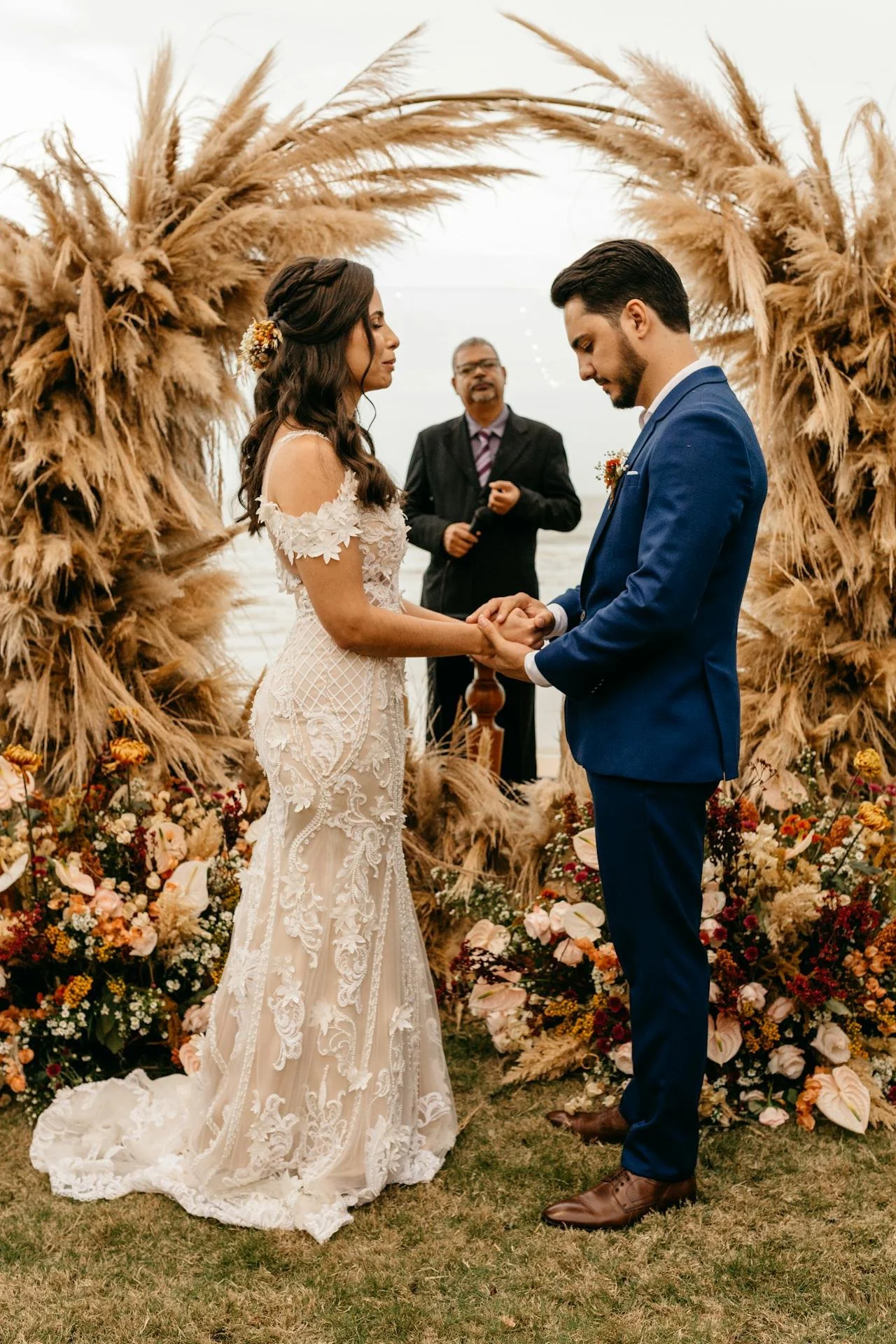
The ceremony occupies a relatively small portion of the wedding schedule, yet it is the point at which the wedding actually becomes a wedding. Flowers will be photographed. Dinner will be remembered. The dance floor may become legendary within your family. But the ceremony is the only part of the day built specifically around the commitment the entire gathering came to witness. Treat it accordingly. Choose your officiant early enough to think about tone rather than simply availability. Decide whether the ceremony should feel intimate, lighthearted, traditional, secular, spiritual, literary, or spare. Determine whether you want personal vows, readings, family acknowledgments, cultural traditions, or a remembrance of someone who is absent.
Then write vows before the last-minute administrative avalanche begins. The Knot’s 2026 data found that 61% of couples write their own vows, while roughly half incorporate a first look before the ceremony. Both choices point toward the same appetite: couples increasingly want private and public moments that create genuine connection rather than simply satisfy convention.
A week or two before the wedding, your officiant, planner, photographer, and DJ should understand the processional order, music cues, readings, rings, vows, microphone plan, recessional, and marriage-license procedure. Once those mechanics are settled, the ceremony can feel spontaneous without being disorganized. The distinction is subtle but important. You are not rehearsing emotion. You are removing obstacles around it.
Quick Summary
Choose three wedding priorities before collecting more inspiration.
Give every planning task a clear owner instead of allowing it to drift toward the bride
Finish the ceremony structure and vows before the final planning rush.
Select attire, shoes, meals, and outdoor plans for real physical comfort.
Designate someone else to handle questions and small emergencies on the wedding day.
Tip #4: Plan for the Body You Actually Live In
Wedding culture has spent decades encouraging women to regard their bodies as another item requiring renovation before the wedding. That idea deserves retirement. In Zola’s 2025 survey of more than 6,000 couples, 34% said wedding diet culture was something they wished they could change about the planning experience. Its 2026 report also found considerable spending on pre-wedding beauty, physical health, and mental well-being. Feeling good on the wedding day should not require spending the preceding months treating yourself as a problem.
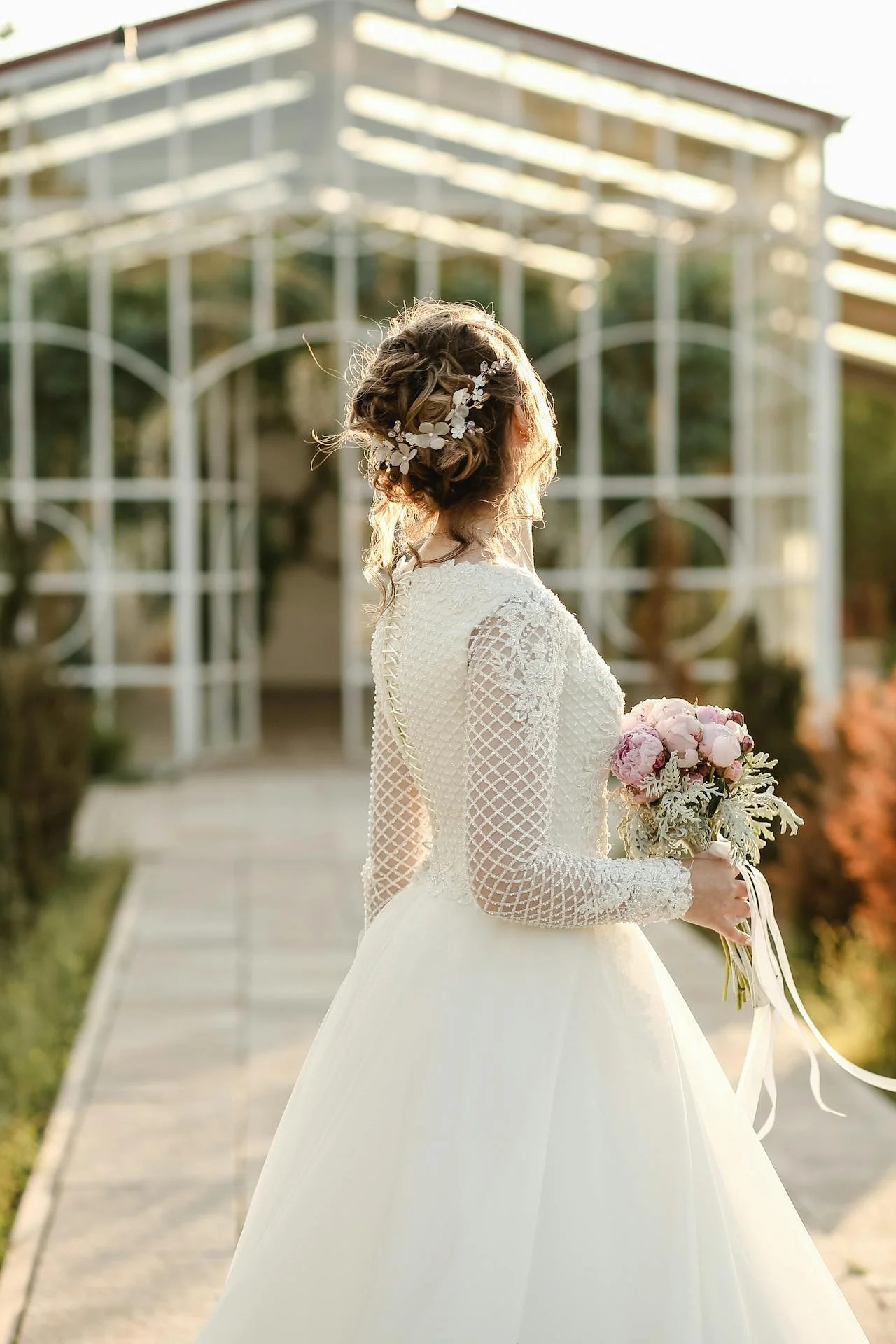
At your final dress fitting, do more than stand in front of the mirror. Sit. Walk quickly. Climb a few steps. Raise your arms. Turn. Hug someone. Make certain you can breathe comfortably and use the restroom without having to assemble a committee. Break in your shoes and have a second pair available. Eat breakfast or lunch even if the schedule becomes busy. Decide who carries your personal items. Pack the small things that are difficult to improvise later: tissues, your usual medications, stain remover, fashion tape, comfortable shoes, and weather-appropriate layers.
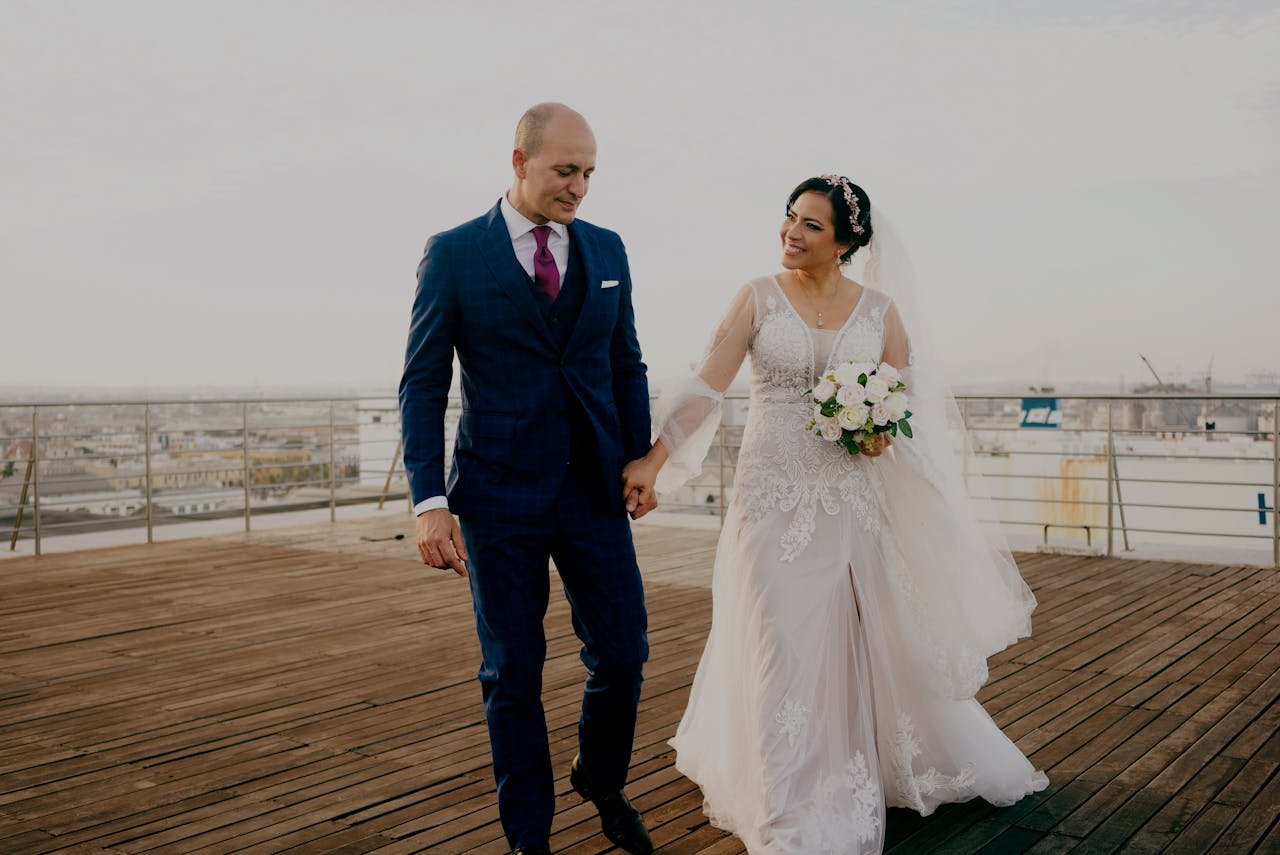
Colorado weddings add another variable: landscape. A rooftop ceremony in Denver, a foothills celebration in Golden, a lawn beneath the Flatirons, and a mountain elopement all make different demands on footwear, fabric, temperature, transportation, and timing. A wedding dress should serve the woman wearing it. The woman should not spend eight hours serving the dress.
Tip #5: Create a Wedding-Day Firewall
By the morning of the wedding, the bride should gradually become harder to reach. That sentence sounds slightly antisocial. It is actually practical. Choose a point person—usually a planner, coordinator, trusted member of the wedding party, or another organized adult—and make that person the first contact for questions. Vendors should know whom to call if transportation is delayed. Family members should know whom to ask about seating. Someone other than you should know where the marriage license is. Someone should be responsible for the rings. Someone should collect personal belongings after the ceremony.
Build modest buffers into the schedule as well. Hair and makeup sometimes run late. Elevators take longer than expected. A parent disappears to find reading glasses. A photographer wants three more minutes of light. Five small delays can consume the twenty minutes you thought you had to yourself. The Knot’s 2026 study found that the guest experience remains a top planning priority, but the best hosts are not necessarily the people personally solving every problem. They create systems that allow capable professionals to handle the mechanics. My preferred rule is simple: once final preparations begin, questions should move away from the couple whenever possible. You have already planned the wedding. You do not need to operate it.
One Last Thought Before the Processional
A wedding asks a strange thing of a bride. For months, she may be rewarded for noticing every detail. Then, suddenly, the day arrives and the better skill is letting those details go. By the time you reach the ceremony, the place cards have been printed. The flowers are whatever the flowers are. The weather has made its decision. A guest may be late. Someone may have forgotten something. None of these deserves the same attention as the person standing across from you. The best planning eventually makes itself almost invisible.
Look at your partner. Listen to the words being spoken. Hold hands. Take the extra second before answering. Notice the faces in front of you. There are very few days in life when nearly everyone you love gathers in one place because something joyful has happened. Do not spend that day managing it.
Related Articles
From the Michael Moody Officiant wedding blog directory:
Preparing for Your Wedding Ceremony in Colorado: A Couple’s Guide
How to Personalize Your Wedding Ceremony Without Making It Awkward or Overlong
Common Wedding Ceremony Planning Challenges and How to Overcome Them
How to Get Married in Colorado: Marriage License Guide for 2026
Colorado Front Range Elopement Guide: Hiking-In Wedding Ceremonies and Scenic Trails
The directory includes ceremony planning articles, wedding-specific planning guidance, Front Range elopement content, and relationship-focused resources for couples planning meaningful Colorado ceremonies.
About the Author: Michael Moody, Wedding Officiant
Michael Moody is a Colorado wedding officiant serving Denver, Boulder, Golden, Larkspur, and mountain communities throughout the state. Since 2012, he has officiated more than 300 weddings, bringing a calm presence, thoughtful guidance, and emotionally grounded ceremony writing to couples seeking a meaningful experience. He also offers Colorado elopement ceremonies for couples who want something intimate, intentional, and beyond the boundaries of a traditional wedding day. His work is shaped by a lifelong interest in connection, reflection, and personal growth. Michael is the author of the self-improvement book Redefine Yourself: The Simple Guide to Happiness and host of The Elements of Being podcast. As a wedding officiant, he draws from that same foundation: the belief that our relationships, words, and everyday interactions help shape a life rooted in love, empathy, and purpose. Michael’s ceremony work has been recognized across Colorado. He is a 2023 WeddingWire Couples’ Choice Award winner in Denver, marking his eighth consecutive year receiving the honor. He was also named “Best Business of 2024, 2025, and 2026” by Three Best Rated and earned “The Best Wedding Officiant in Commerce City, Colorado for 2024” from Quality Business Awards USA.
Beyond weddings, Michael and his wife, Sammy, have sponsored an annual student scholarship for more than 10 years. They also founded Civic Growth Alliance, a 501(c)(4) nonprofit dedicated to strengthening communities through civic advocacy, resident engagement, strategic partnerships, public safety initiatives, neighborhood vitality, and community well-being.
Wedding locations: Michael officiates wedding ceremonies in the Denver neighborhoods of LoDo, River North, Washington Park, Cherry Creek, City Park, Central Park, Capitol Hill, Cheesman Park, Park Hill, Lower Highlands, and Sloan Lake. Michael also serves as an ordained minister in Larkspur, Littleton, Golden, Boulder, Breckenridge, Frisco, Aspen, Vail, Estes Park, and more. If your Denver neighborhood or Colorado town isn’t listed here, no worries! Please contact Michael to propose a wedding ceremony location in a different area!
Wedding Planning Tips









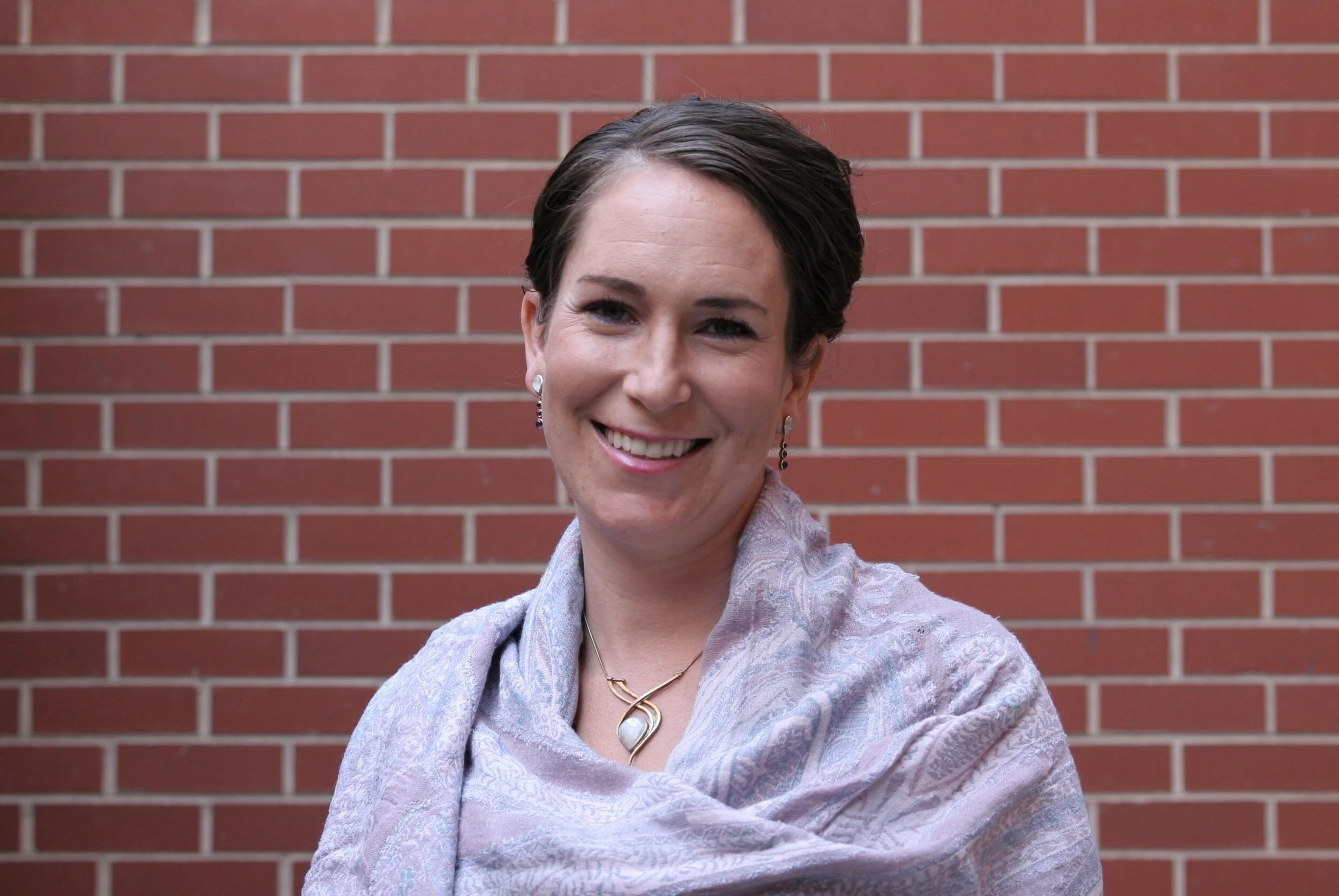
Michael Moody is a Colorado wedding officiant who has officiated more than 300 weddings since 2012, including personalized ceremonies throughout Denver, Golden, Boulder, and Colorado’s mountain communities. His Denver wedding officiant services, Golden wedding officiant services, Boulder wedding officiant services, and Colorado elopement ceremonies are shaped by years of experience with ceremony writing, vows, rehearsals, vendor coordination, outdoor logistics, family dynamics, and the small adjustments that help a wedding ceremony feel calm and natural when the day arrives.