How to Choose the Perfect Wedding Dress for Your Venue and Ceremony
Summary
Choosing a wedding dress is less about discovering a universally flattering silhouette than finding a gown that belongs to the wedding you are actually planning. Start with your venue, season, budget, movement needs, and personal style. Then consider construction, fabric, alterations, photographs, and how the dress will behave during the ceremony—not simply how it looks on a pedestal in a bridal salon.
How do you choose the perfect wedding dress?
The best wedding dress fits your personal style, venue, season, budget, and the way you want to move through the wedding day. Choose your venue first, shop roughly 9–12 months ahead when possible, budget for alterations, test several silhouettes, and prioritize a gown you can comfortably walk, sit, breathe, hug, and dance in.
Frequently Asked Questions (FAQ)
When should I start shopping for my wedding dress?
Begin researching after your venue and date are selected. For a traditional made-to-order gown, shopping approximately 9–12 months before the wedding provides a comfortable window for ordering and alterations. Shorter timelines can still work with ready-to-wear, off-the-rack, sample, or expedited options.
How do I know which wedding dress silhouette is right for me?
Try several silhouettes rather than relying exclusively on body-shape charts. Compare proportion, waist placement, structure, fabric, comfort, and movement. The best silhouette is the one that creates the visual effect you enjoy and remains comfortable during the actual wedding.
Should my wedding dress match my venue?
It does not need to match literally, but the venue should influence fabric, formality, train length, footwear, warmth, movement, and durability. A gown should work physically and visually within the setting.
How much should I budget for wedding dress alterations?
Alteration costs vary significantly depending on the construction and the work required. Beading, lace, structural changes, hems, custom sleeves, bustles, and major resizing can increase cost, so ask about likely alterations before purchasing the gown.
How many people should I bring wedding dress shopping?
A small group usually produces clearer feedback. Kleinfeld recommends keeping the shopping party to roughly three supportive people, while recent Brides guidance makes a similar recommendation.
What wedding dress works best for an outdoor Colorado wedding?
Look for a gown whose weight, train, fabric, shoes, and layers suit the site. For trails or mountain settings, easier movement and a manageable train can be especially useful. For cold-weather ceremonies, removable sleeves, wraps, or other layering options can preserve the design without compromising comfort.
What should I test before buying a wedding dress?
Walk, sit, breathe deeply, raise your arms, turn, hug someone, climb a step if possible, and simulate dancing. If the dress has a train, ask how the bustle works and who will need to learn it.
Key Topics
how to choose a wedding dress, how to choose the perfect wedding dress, wedding dress shopping, wedding dress shopping tips, wedding dress guide, how to find a wedding dress, wedding dress styles
wedding dress shopping timeline, when to buy a wedding dress, how to pick a wedding dress, wedding dress silhouettes, wedding dress alterations timeline, how to choose wedding dress for venue, comfortable wedding dress, wedding dress fitting tips, wedding dress for outdoor wedding, what to look for in a wedding dress
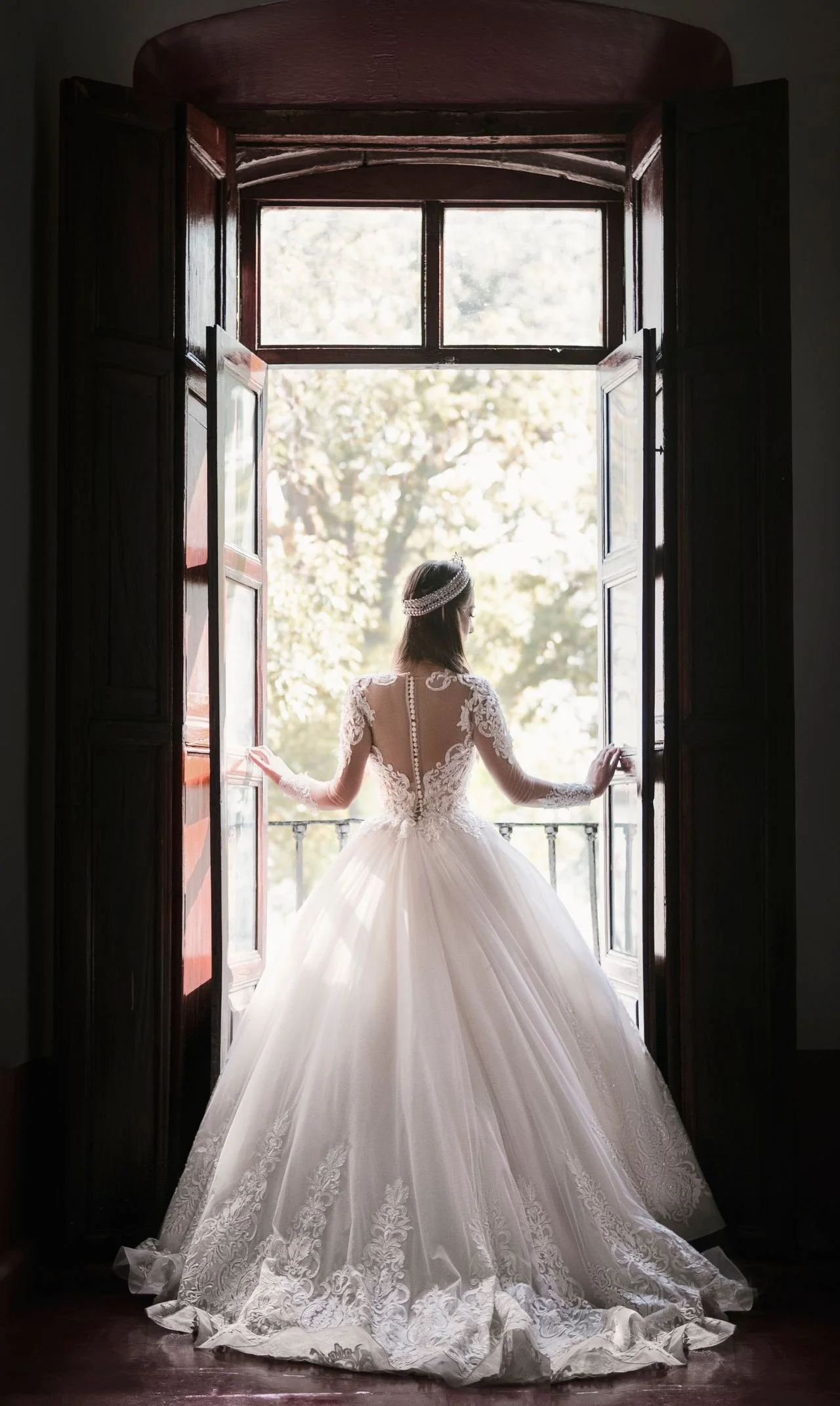
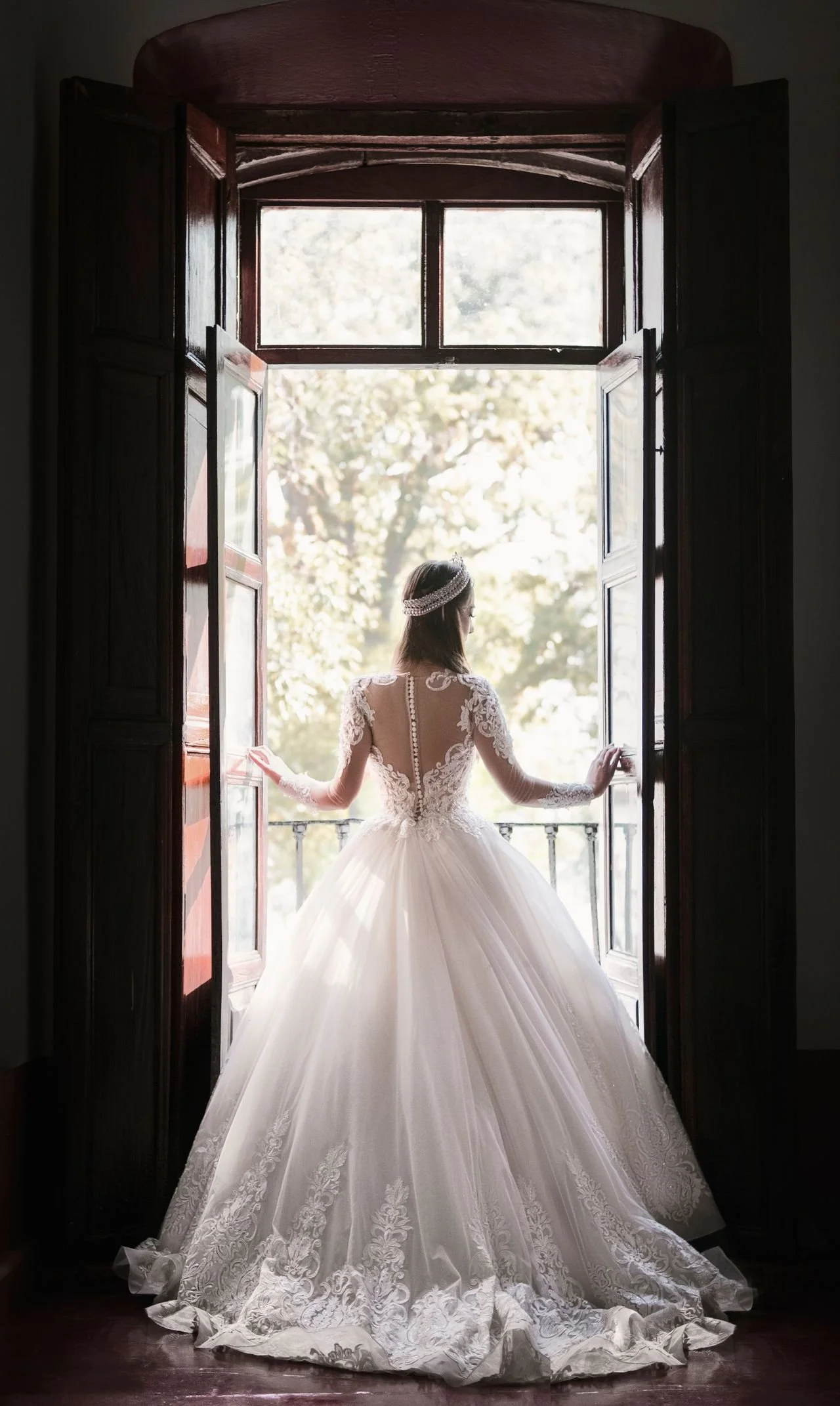
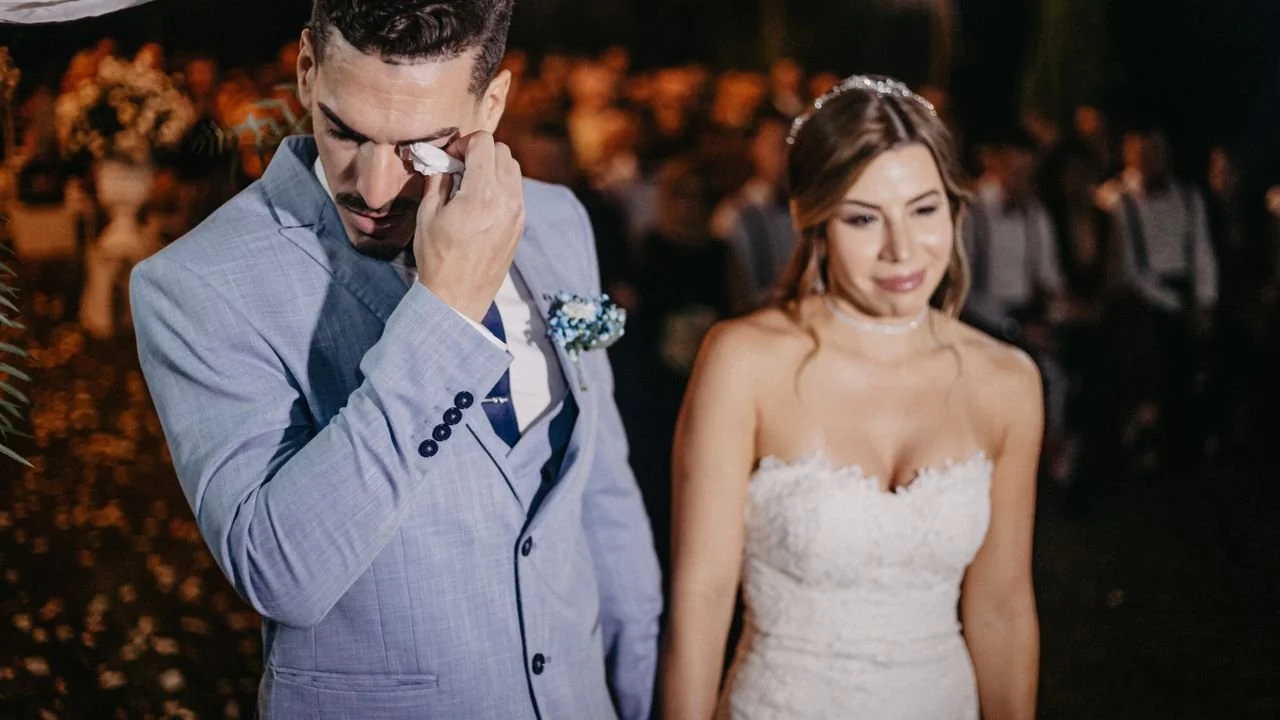
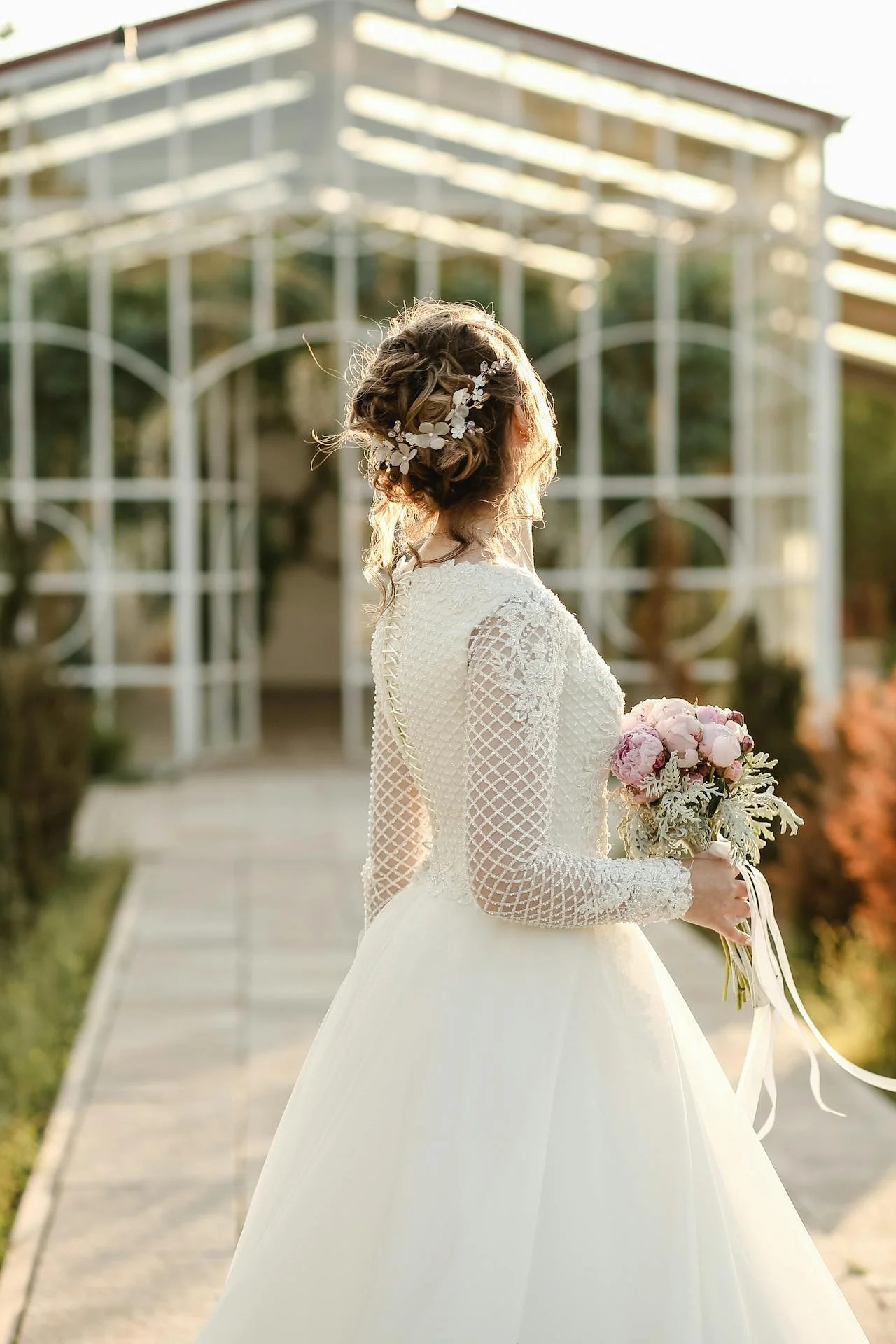
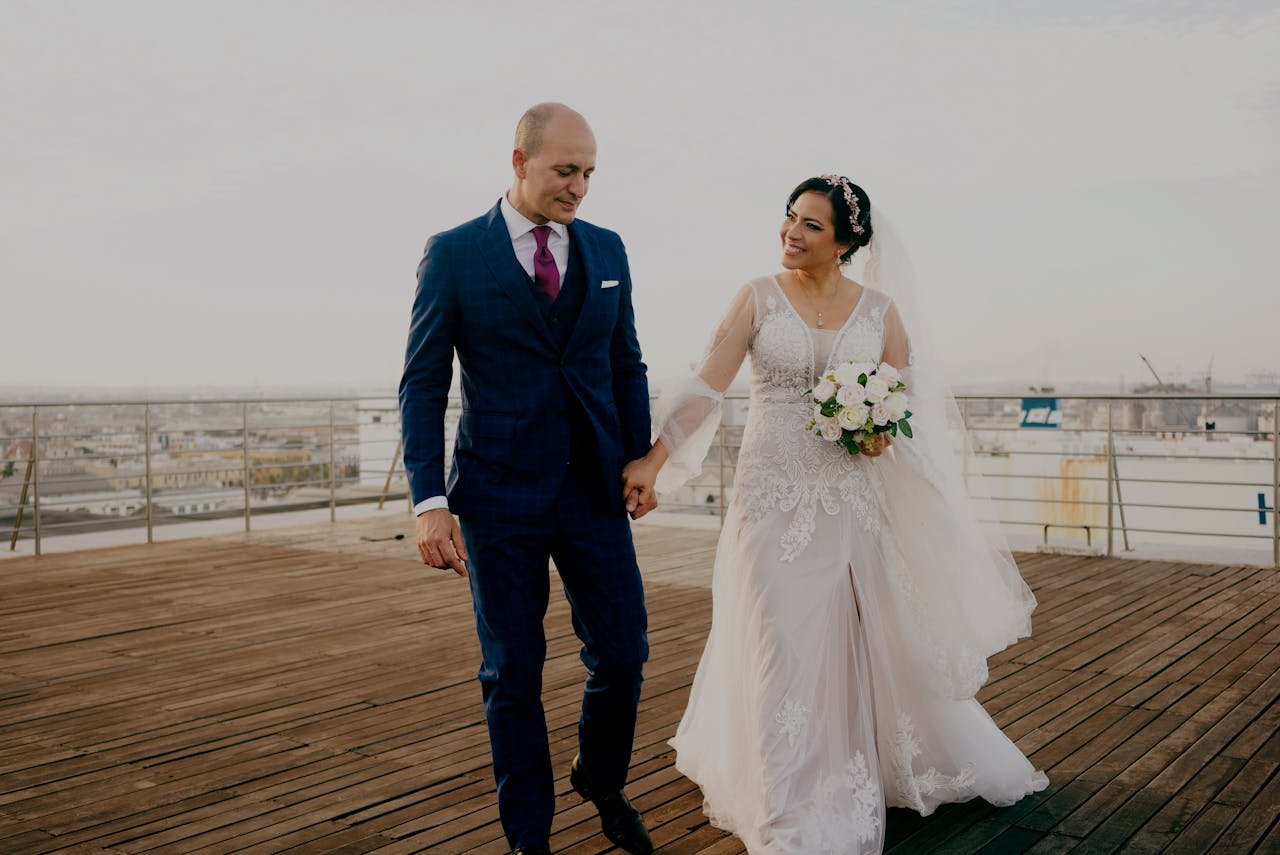
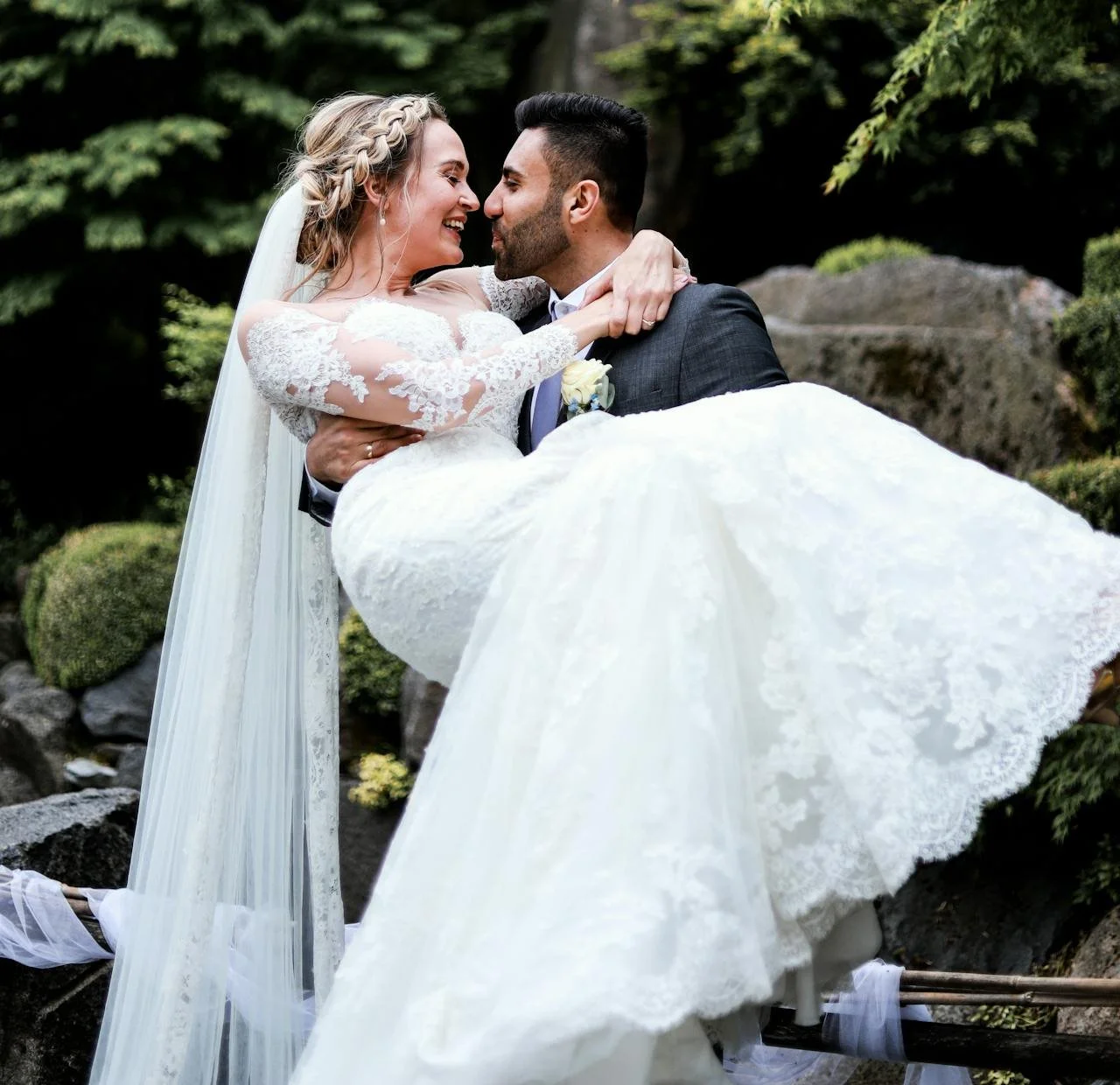
Wedding Dress / Photo: Asdrubal Luna
Start With the Wedding, Not the Dress
Wedding dress shopping has acquired its own mythology: champagne, mirrors, a semicircle of relatives waiting for tears, and the conviction that somewhere inside a garment bag is a dress capable of producing instant certainty. A more useful starting point is decidedly less cinematic. Where are you getting married? Recent guidance from Kleinfeld Bridal recommends choosing the venue before committing to a gown and, when possible, purchasing the dress approximately 9–12 months before the wedding. Brides has offered similar advice, noting that venue, date, production time, and alterations should be considered before the final purchase. The venue gives the dress context.
A structured silk ball gown can be extraordinary in a formal hotel or historic ballroom. The same gown may become an elaborate piece of luggage during a mile-long hike to an alpine ceremony. A diaphanous sheath may look effortless at an intimate summer celebration and feel considerably less romantic during a windy November ceremony at elevation. This is not an argument for rigid rules. It is an argument for seeing the dress as part of a physical place. Before opening Pinterest, know:
where the ceremony will occur;
whether you will be mostly indoors or outside;
the season and approximate temperature;
how far you will walk;
the surface beneath your feet;
the degree of formality you actually want.
The dress should participate in the setting rather than fight it.
Table of Contents
Start With the Wedding, Not the Dress
Decide What You Can Actually Spend
Give the Dress Enough Time
Forget the Old “Dress for Your Body Type” Rules
Test the Dress Like You Will Actually Wear It
Think About the Ceremony, Not Just the Portraits
Choosing a Wedding Dress for a Colorado Wedding
Use Bridal Trends as Inspiration, Not Instructions
Quick Summary: How to Choose a Wedding Dress
The Five-Question Test Before You Say Yes
Related Articles
Decide What You Can Actually Spend
A wedding-dress budget should include more than the number printed on the gown's tag. There may also be alterations, shoes, undergarments, a veil, jewelry, steaming, cleaning, storage, delivery, custom changes, and—depending upon the dress—a bustle substantial enough to deserve its own engineering diagram. Zola recommends accounting for alterations from the beginning because intricate lace, beading, structural changes, hems, and custom work can alter both cost and timing. A sensible question for a bridal salon is therefore not simply:
“Which dresses are under my budget?”
Ask:
“Which dresses leave room in my total budget for the alterations this particular gown is likely to need?”
That distinction can prevent a $4,000 gown from quietly turning into a $5,500 decision.
Give the Dress Enough Time
For a traditionally made-to-order gown, start earlier than you think you need to. Kleinfeld currently advises shopping after the venue is selected and ideally saying yes 9–12 months before the wedding. Its suggested timeline allows several months for the gown to arrive, followed by fittings beginning roughly six to eight weeks before the ceremony. Brides likewise recommends purchasing no later than about nine months ahead when circumstances allow. That does not mean a shorter engagement eliminates good options.
Ready-to-wear, sample gowns, off-the-rack dresses, expedited orders, and certain designers can accommodate shorter timelines. The mistake is hiding your deadline from the salon. Tell the consultant the real wedding date immediately. And remember: if bridal portraits or travel require the dress before the wedding, that earlier date is your practical deadline.
Forget the Old “Dress for Your Body Type” Rules
For years, bridal advice was organized around a peculiar taxonomy: pear, apple, rectangle, hourglass. It often turned a pleasurable question—What do I love wearing?—into a corrective one—What am I supposed to disguise? A better approach is to try different architectures. Try an A-line. Try a column. Try something fitted. Try something with volume. Try structure and softness. Notice what each shape does when you stand naturally rather than posing for the mirror. Pay attention to:
Proportion. Where does the waist actually sit on you?
Structure. Do you enjoy the secure feeling of corsetry, or does it make you conscious of the dress every second?
Fabric. Does silk skim in a way you like? Does Mikado provide the architecture you want? Does lace feel romantic or simply busy?
Movement. Does the skirt follow you gracefully, or do you feel as though you are transporting it?
Recognition. When you see yourself, do you still look like yourself—only unusually well dressed?
The goal is not to make your body conform to a category. The garment can do the adapting. That includes alterations. Zola explicitly cautions against tailoring a gown for an imagined future body rather than the body being fitted.
Test the Dress Like You Will Actually Wear It
The most revealing part of a bridal appointment may come after the consultant clips the gown into place.
Move.
Sit down.
Take a long stride.
Raise both arms.
Turn quickly.
Bend slightly.
Take a deep breath.
Pretend to hug someone.
If the dress has a train, walk while someone follows behind you. Zola's recent wedding-dress guidance similarly recommends considering whether a gown is comfortable enough to sit in and how its fabric, weight, train, and silhouette affect movement. A wedding dress is not worn for twenty seconds at a mirror. It may be worn through photographs, a processional, vows, embraces, dinner, and several hours of dancing. Beauty that requires continuous physical negotiation becomes exhausting surprisingly quickly.
Quick Summary: How to Choose a Wedding Dress
Choose the venue and date before committing to the gown.
Establish a total attire budget that includes alterations.
Shop roughly 9–12 months ahead when possible.
Try different silhouettes instead of shopping by body-type rules.
Test walking, sitting, breathing, hugging, stairs, and dancing.
Consider fabric weight, train length, bustle design, and weather.
Think about how the dress functions during the ceremony itself.
Use trends as references rather than requirements.
Choose the dress that feels most convincing on your actual body and at your actual wedding.
Think About the Ceremony, Not Just the Portraits
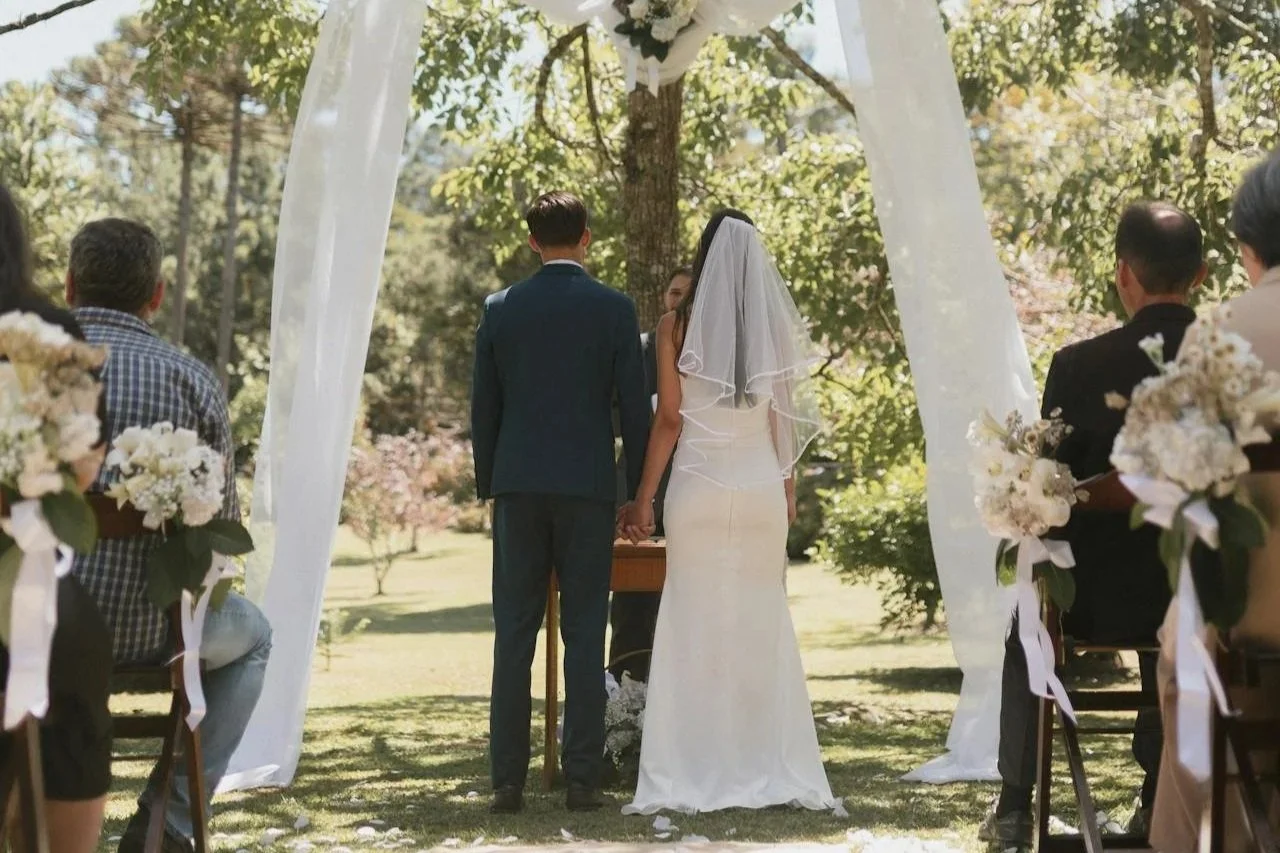
This is where dress advice and ceremony planning intersect. Ask yourself what happens when you reach the front of the aisle.
Can you turn easily toward your partner?
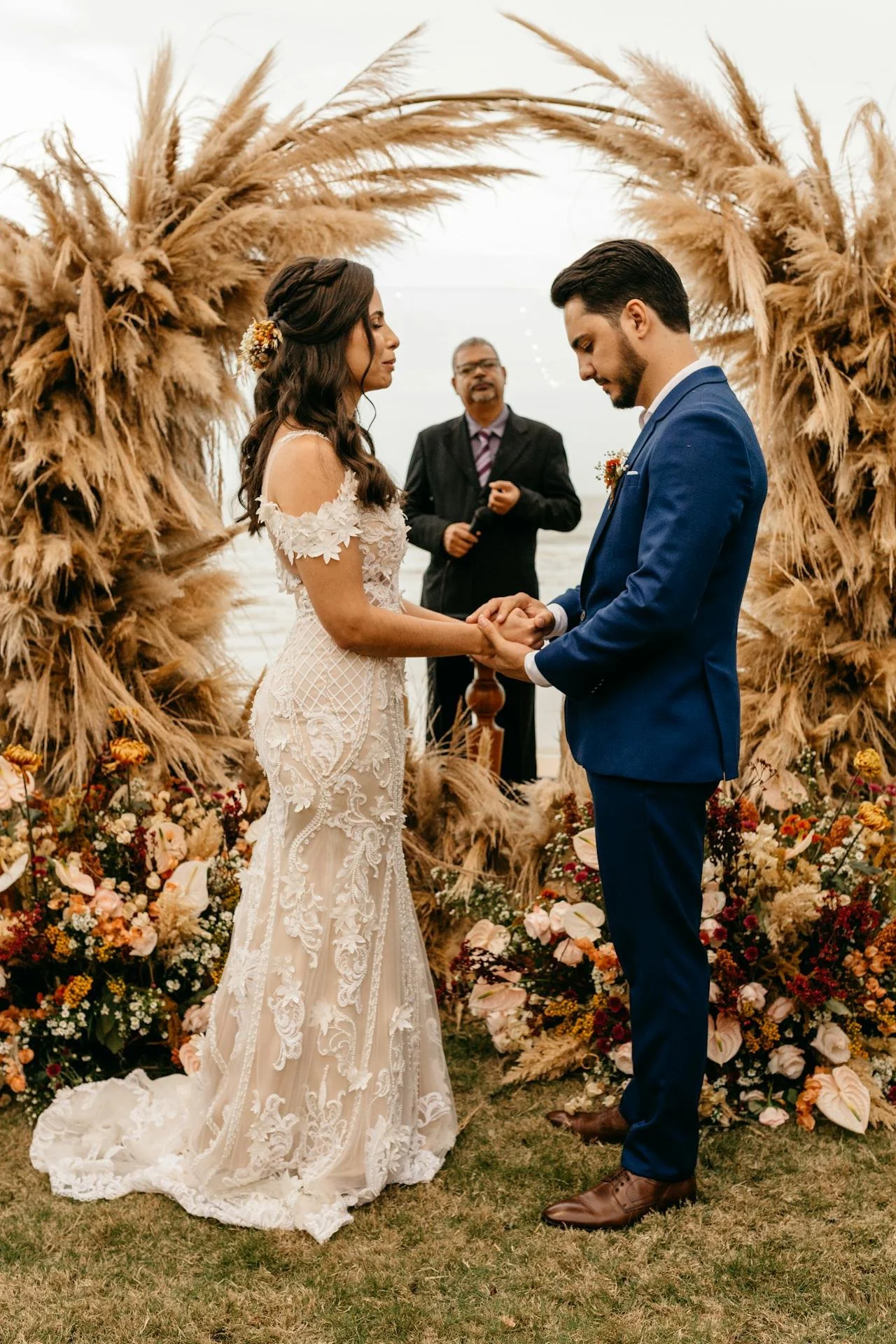
Can you hold both hands without a sleeve, bouquet, train, or veil demanding constant attention?
Can you walk naturally beside another person?
If you have stairs at the ceremony site, can you climb them safely?
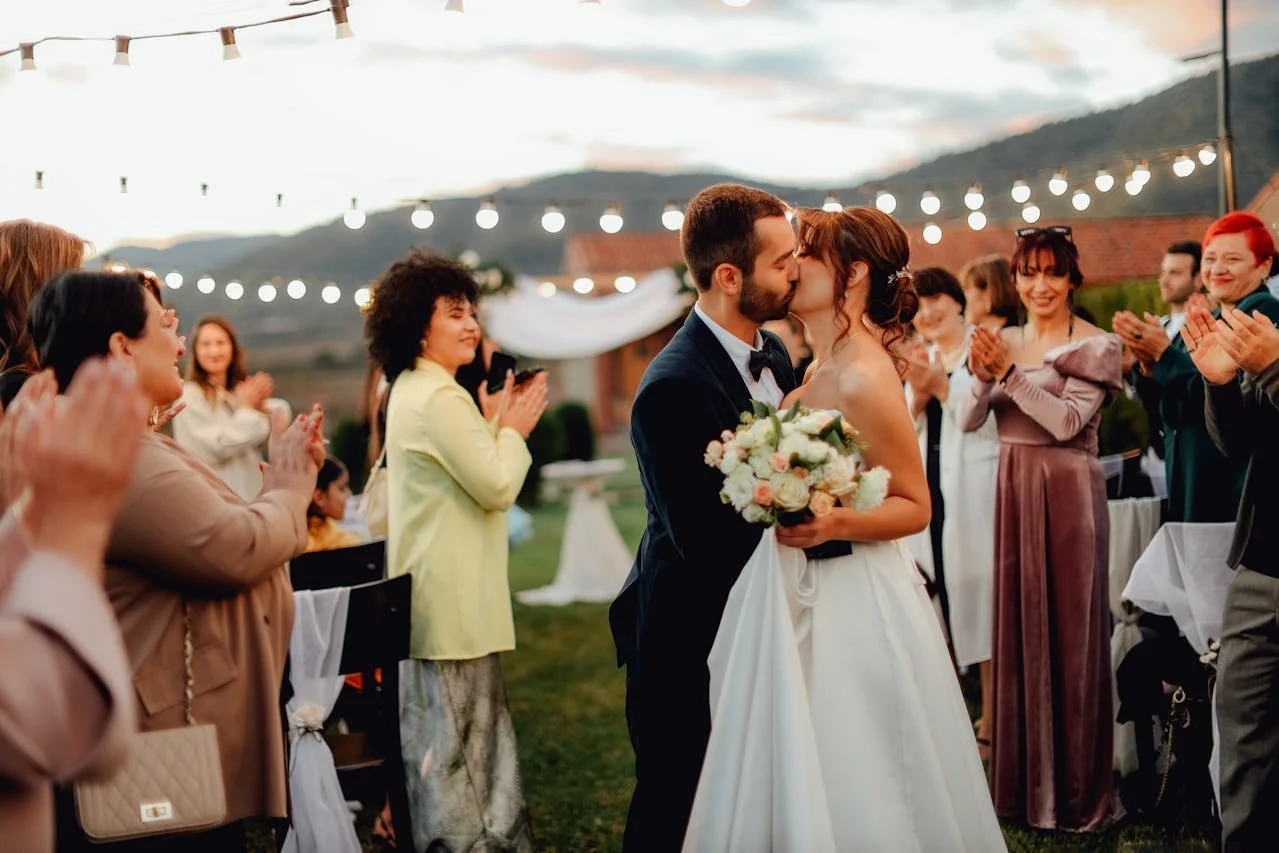
If you are exchanging personal vows outdoors, will a cathedral-length veil become a sail in the wind?
And if you choose an elaborate train, who knows how to straighten it before the ceremony begins?
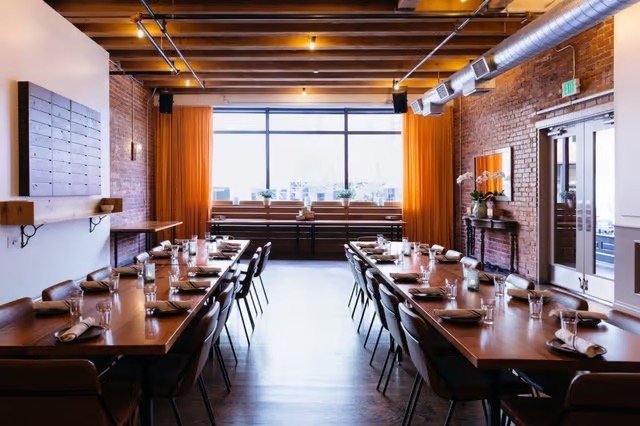
These small physical details can shape the rhythm of the ceremony. For a refined city celebration, couples exploring Denver wedding officiant services may be working with hotels, museums, restaurants, rooftops, or architectural venues where a more formal gown can move easily. A Golden wedding officiant ceremony may place you closer to foothills, grass, gravel, wind, or mountain-adjacent terrain. Couples planning with a Boulder wedding officiant may encounter gardens, open space, mountain views, trails, and rapidly changing outdoor conditions. And a Colorado elopement ceremony can introduce an entirely different calculation: how far are you carrying the dress before you wear it? The answer should influence the design.
Choosing a Wedding Dress for a Colorado Wedding
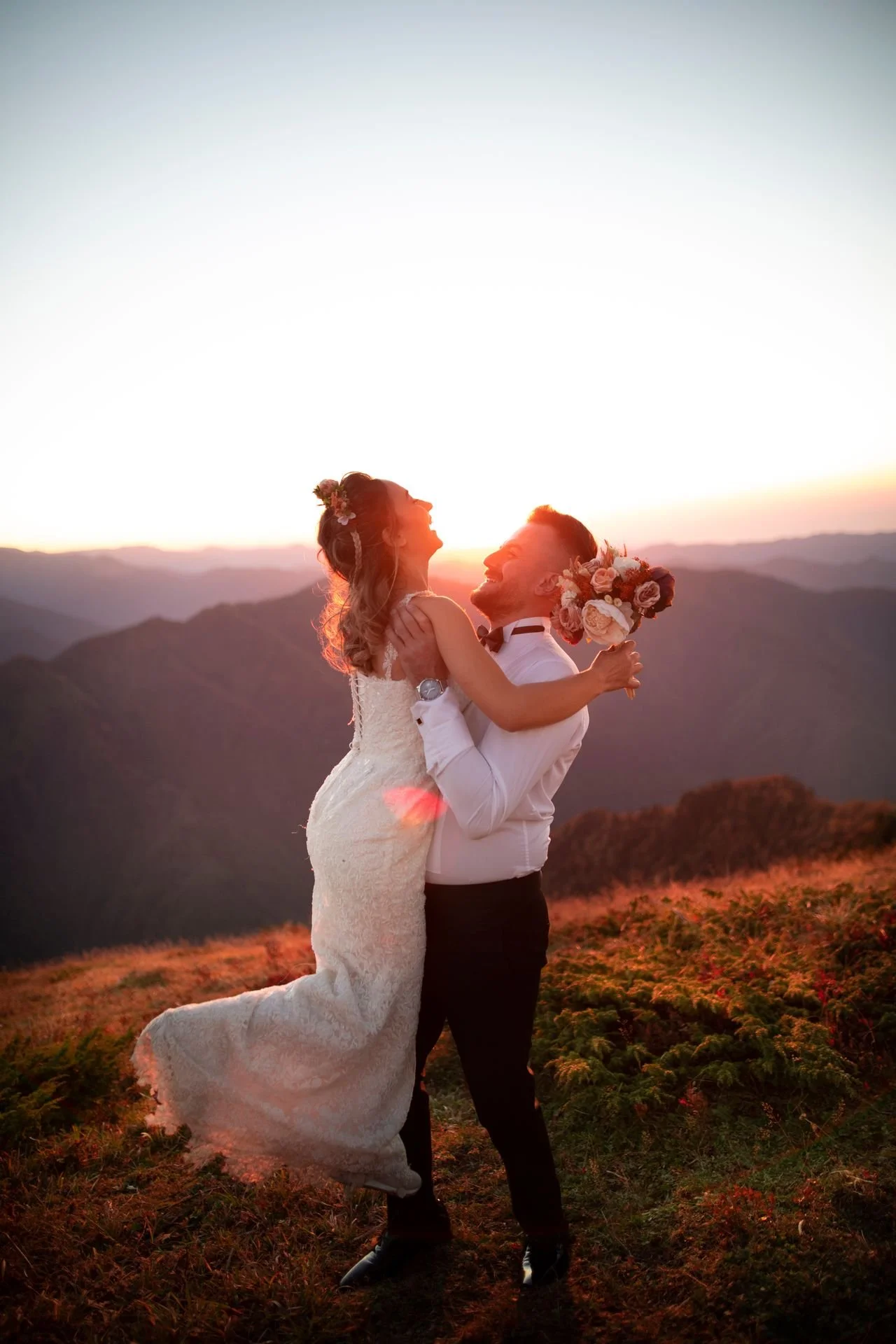
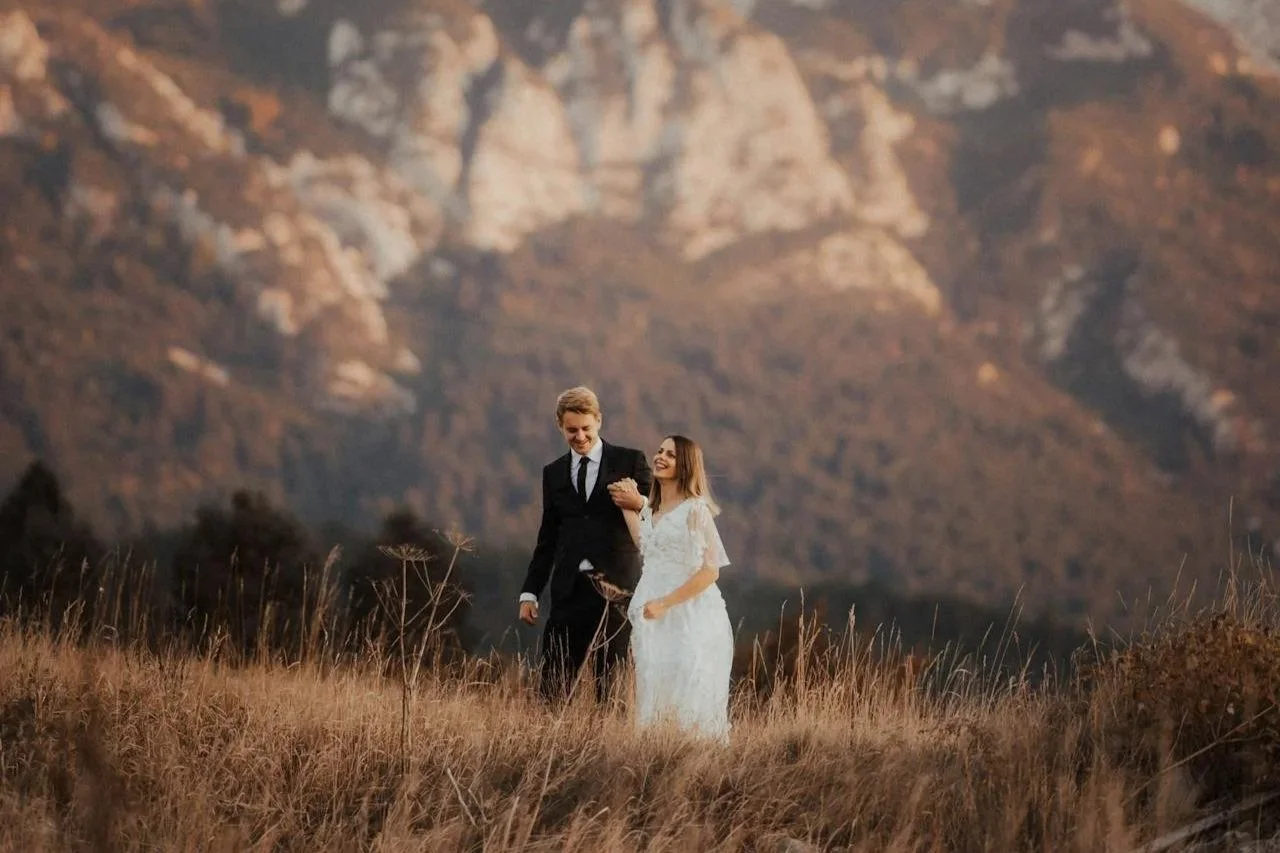
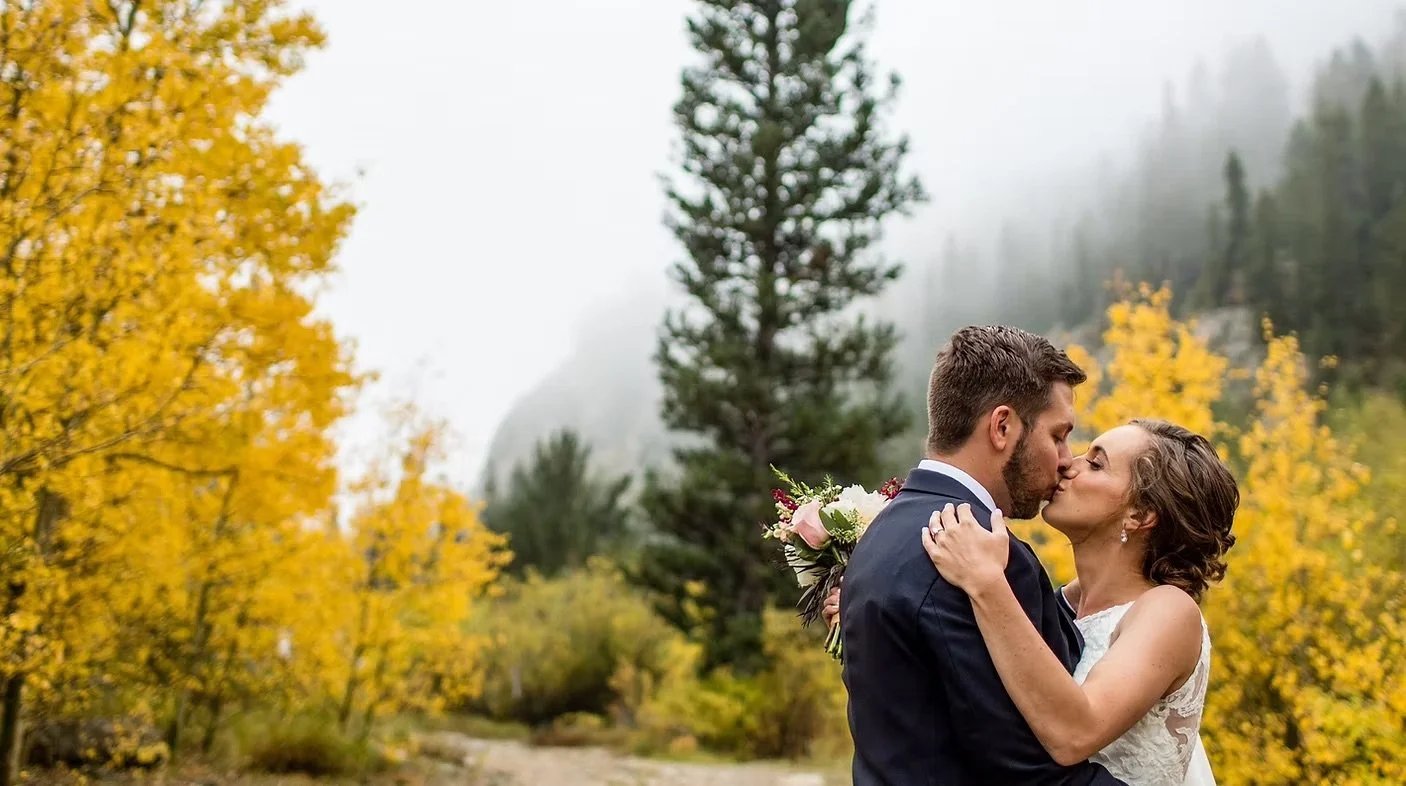
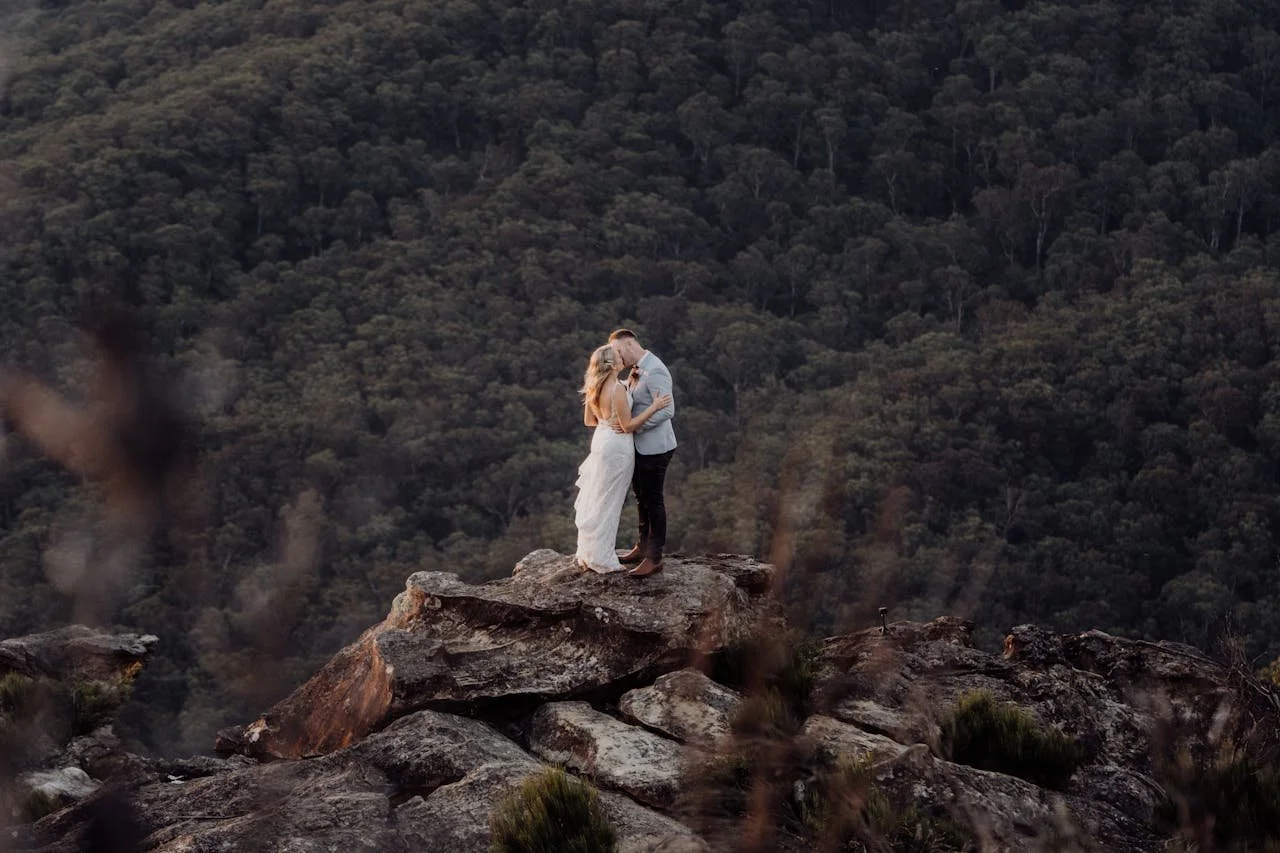
Colorado rewards a little realism. An outdoor ceremony can move through intense sun, wind, shade, cool air, and dramatically different temperatures in a single afternoon. At mountain or trail-accessed ceremonies, there may also be dirt, stone, snow, stairs, narrow paths, or a long walk from the car. This does not prohibit drama. It changes how drama is engineered. For outdoor Colorado weddings, consider:
detachable trains or overskirts;
a manageable bustle;
veils that can be removed easily;
sleeves or wraps for rapidly cooling evenings;
shoes selected for the actual surface;
fabrics you are comfortable lifting while walking;
a second pair of shoes for longer outdoor movement.
For a hiking-in elopement, some couples carry the gown and change near the ceremony location. Others select a dress light enough to travel in from the beginning. Neither is inherently more elegant. One simply needs to work on the day you have planned.
Use Bridal Trends as Inspiration, Not Instructions
Recent bridal collections have brought renewed attention to basque and drop waists, corsetry, dramatic volume, textural fabrics, and convertible details such as detachable sleeves. Kleinfeld's 2025 bridal-fashion coverage highlighted many of these elements, while Vogue's 2026 wedding-dress coverage continues to show substantial variety across silhouettes rather than a single dominant bridal uniform. Trends can give you vocabulary. They should not give you orders. If you love a basque waist because the long line feels graceful on you, wonderful. If you are choosing it because your social feed has repeated it often enough that every natural waist suddenly looks dated, keep trying dresses. Wedding photographs have a long afterlife. Choose something you enjoy seeing now without requiring it to announce the precise year in which you bought it.
The Five-Question Test Before You Say Yes
When you are standing in the dress you think might be the one, ignore the room for a moment. Ask yourself:
1. Would I still choose this if no one else saw it today?
2. Can I comfortably wear it for the ceremony I have planned?
3. Does it fit the wedding I actually want rather than the wedding I think I am supposed to want?
4. Can I afford the finished version—including alterations and accessories—without resentment?
5. When I look at myself, am I admiring the dress, or do I like the way I exist inside it?
The fifth question is usually the interesting one. The perfect wedding dress is not the gown that receives the loudest reaction in a bridal salon. It is the one that stops demanding attention once the wedding begins. You should eventually be able to forget about it. There is a person standing across from you, after all.
Related Articles
From the Michael Moody Officiant wedding blog directory:
Preparing for Your Wedding Ceremony in Colorado: A Couple’s Guide
How to Personalize Your Wedding Ceremony Without Making It Awkward or Overlong
Common Wedding Ceremony Planning Challenges and How to Overcome Them
How to Get Married in Colorado: Marriage License Guide for 2026
Colorado Front Range Elopement Guide: Hiking-In Wedding Ceremonies and Scenic Trails
The directory includes ceremony planning articles, wedding-specific planning guidance, Front Range elopement content, and relationship-focused resources for couples planning meaningful Colorado ceremonies.
About the Author: Michael Moody, Wedding Officiant
Michael Moody is a Colorado wedding officiant serving Denver, Boulder, Golden, Larkspur, and mountain communities throughout the state. Since 2012, he has officiated more than 300 weddings, bringing a calm presence, thoughtful guidance, and emotionally grounded ceremony writing to couples seeking a meaningful experience. He also offers Colorado elopement ceremonies for couples who want something intimate, intentional, and beyond the boundaries of a traditional wedding day. His work is shaped by a lifelong interest in connection, reflection, and personal growth. Michael is the author of the self-improvement book Redefine Yourself: The Simple Guide to Happiness and host of The Elements of Being podcast. As a wedding officiant, he draws from that same foundation: the belief that our relationships, words, and everyday interactions help shape a life rooted in love, empathy, and purpose. Michael’s ceremony work has been recognized across Colorado. He is a 2023 WeddingWire Couples’ Choice Award winner in Denver, marking his eighth consecutive year receiving the honor. He was also named “Best Business of 2024, 2025, and 2026” by Three Best Rated and earned “The Best Wedding Officiant in Commerce City, Colorado for 2024” from Quality Business Awards USA.
Beyond weddings, Michael and his wife, Sammy, have sponsored an annual student scholarship for more than 10 years. They also founded Civic Growth Alliance, a 501(c)(4) nonprofit dedicated to strengthening communities through civic advocacy, resident engagement, strategic partnerships, public safety initiatives, neighborhood vitality, and community well-being.
Wedding locations: Michael officiates wedding ceremonies in the Denver neighborhoods of LoDo, River North, Washington Park, Cherry Creek, City Park, Central Park, Capitol Hill, Cheesman Park, Park Hill, Lower Highlands, and Sloan Lake. Michael also serves as an ordained minister in Larkspur, Littleton, Golden, Boulder, Breckenridge, Frisco, Aspen, Vail, Estes Park, and more. If your Denver neighborhood or Colorado town isn’t listed here, no worries! Please contact Michael to propose a wedding ceremony location in a different area!
Wedding Planning Tips




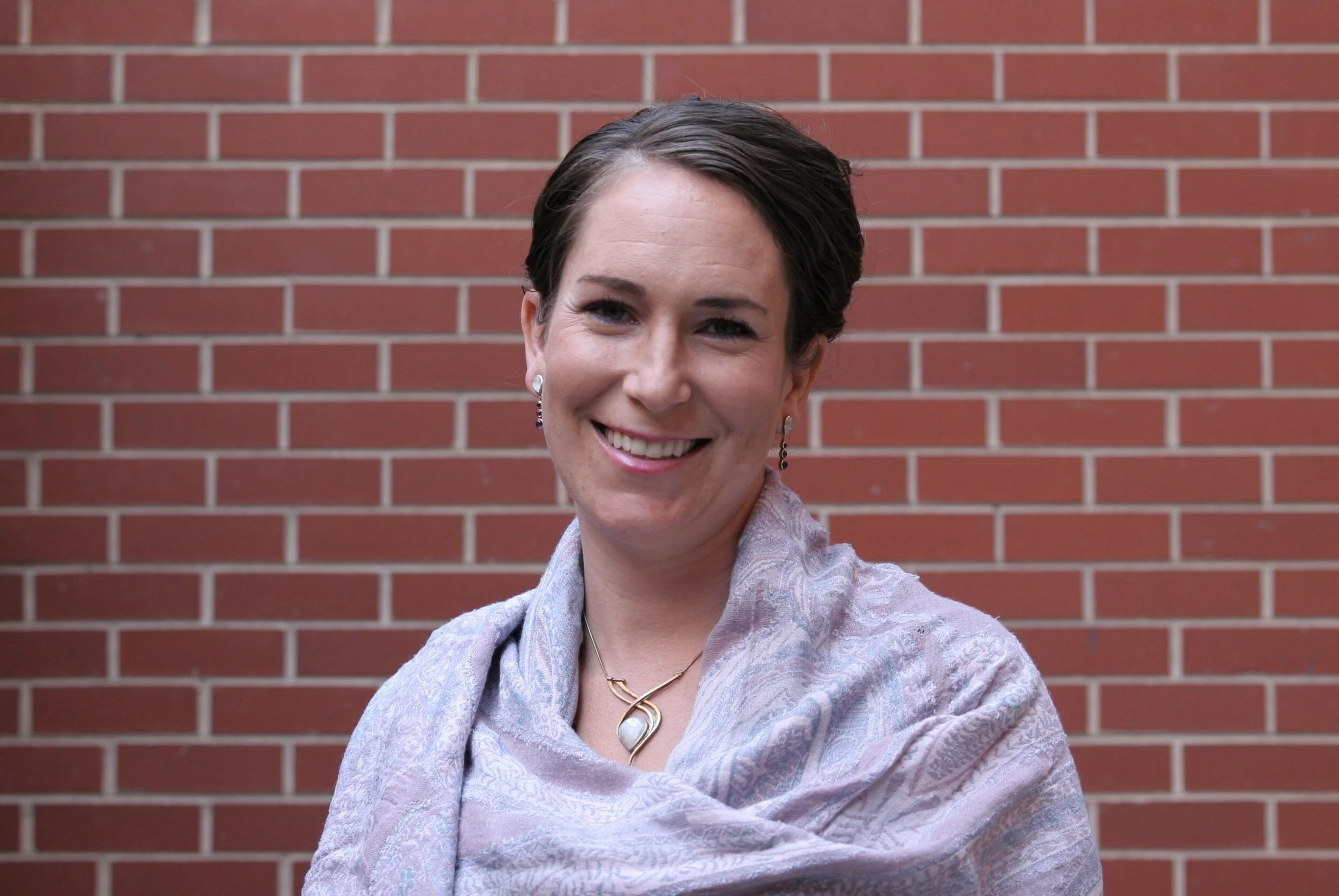

Michael Moody is a Colorado wedding officiant serving couples throughout Denver, Boulder, Golden, and mountain communities across the state. His work includes refined personalized ceremonies, intimate Colorado elopements, LGBTQ wedding ceremonies, and simple legal ceremonies. From formal Denver venues to foothill weddings and hiking-in elopements, his ceremony planning experience offers a practical view of how clothing, terrain, weather, movement, photography, and ceremony logistics come together on the wedding day.